Reporting snapshot · 21 November 2026 (Asia/Karachi). The board announced the list at a press conference in Lahore and has not published the grades, pay or the players' acceptance of the deals. Neither Mohammad Rizwan nor Shan Masood has said publicly why they were left off it, and a central contract is not a selection decision.
The Pakistan Cricket Board announced a new central contracts structure for 38 of its men’s players on Saturday, 21 November, with former captain Mohammad Rizwan and Shan Masood left off the list. The announcement was made in Lahore at a joint press conference by head coach Mike Hesson and the board’s director of high performance, Aqib Javed, according to the board’s press release and Geo News. The contracts run to 30 June 2027.
Javed said the board was awarding contracts to players already active in at least one of the three formats, and that the category-based structure was built so that players could concentrate on the format they play. He was equally clear about what the categories do not mean: a place in one format’s category does not stop a player from representing Pakistan in another, and contracts are not tied to selection, so Rizwan remains available to the national side if the board wants him.
A list organised by format, and by who played in Rawalpindi
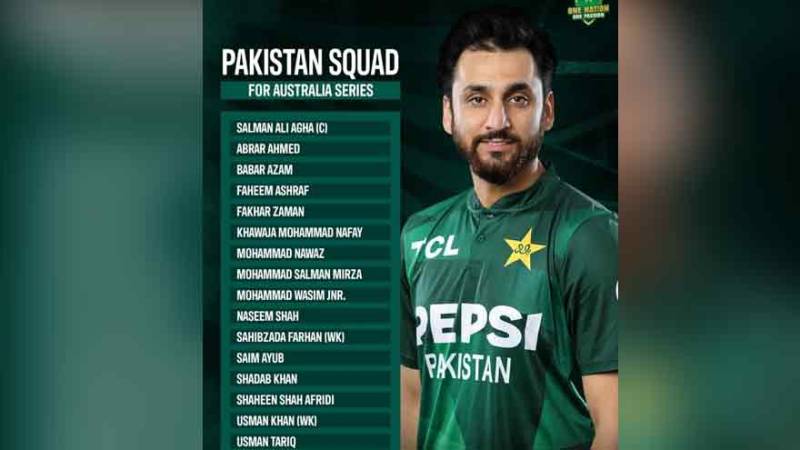
Only two players hold contracts covering both Tests and one-day internationals: Babar Azam and Salman Ali Agha. Under the list the ICC published, Azan Awais, Mohammad Abbas, Sajid Khan and Saud Shakeel are on Test contracts, while Abrar Ahmed, Arafat Minhas, Fakhar Zaman, Faheem Ashraf, Haris Rauf and Shaheen Shah Afridi have deals covering both limited-overs formats. Hasan Nawaz, Maaz Sadaqat, Mohammad Salman Mirza, Naseem Shah, Sahibzada Farhan, Shadab Khan and Usman Tariq hold T20I contracts.
The largest single group is developmental, with 19 players: Abdul Samad, Abdullah Fazal, Ahmed Daniyal, Ali Raza, Farhan Yousaf, Hunain Shah, Mohammad Taha, Mohammad Tayyab Arif, Muhammad Ghazi Ghori, Muhammad Imran Randhawa, Razaullah, Saad Baig, Saad Masood, Sameer Minhas, Saqib Khan, Shahzaib Khan, Shamyl Hussain, Sufyan Moqim and Ubaid Shah. Several of them were part of the side that beat Sri Lanka in the second Test in Rawalpindi on 20 November, a match Pakistan won by eight wickets to take the series 1-0. KhabarWire’s match report sets out how the series was won, with debutant Saqib Khan taking nine wickets across the two games and Tayyab Arif and Ghazi Ghori among the young batters who made starts.
That emphasis is the continuation of a decision taken after Pakistan’s 3-0 defeat in England, when the board removed players and coaches mid-series and rebuilt the Test side around younger players, as KhabarWire reported at the time. The contracts now put that policy into a contract structure for the first time, with a separate development tier feeding the three national formats.
What the omissions mean, and what they do not
Rizwan and Masood are the two omissions reported at the press conference. The published lists of all 38 names also contain neither Saim Ayub nor Imam-ul-Haq. No reason has been given for any of the exclusions, and the board has not said whether contracts were offered and declined or never offered in the first place.
That distinction matters because of what Javed said about selection. If a contract is not a selection decision, then the omission of Rizwan and Masood does not by itself settle either player’s international future, and the board has not said who will keep the wickets in Tests or who will open the batting in Masood’s place. Nor has it published the grades attached to each category, or what the contracts are worth.
A captain who has just won a series, and a board with three groups to manage
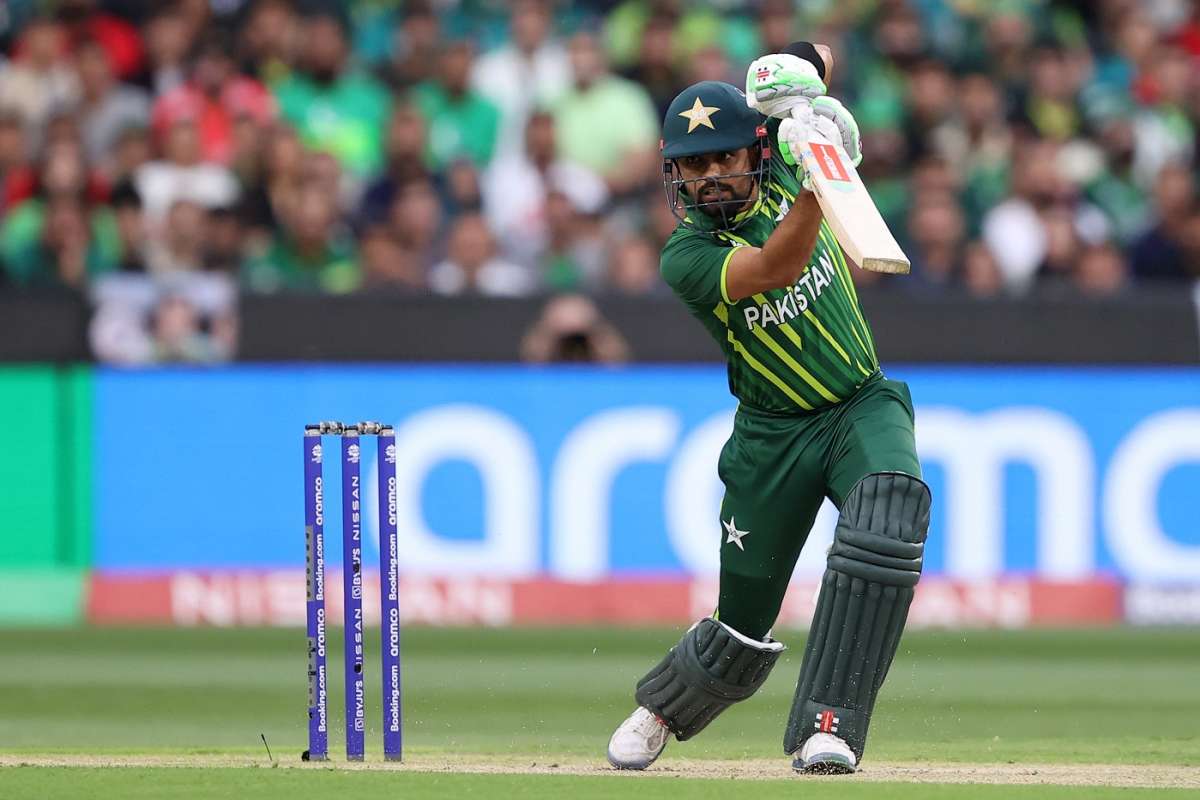
Babar was re-appointed Test captain before the Sri Lanka series, and he used the win to argue that Pakistan’s problem is now ambition rather than results. After the second Test he said Pakistan had “achieved nothing yet”, and that the side should be judged when it reaches a World Test Championship final or the top four, as the ICC reported. He also said the decision to field a new team after England had worked, and that the board’s intent was to keep giving the young players opportunities. The appointment itself was contested at the time: KhabarWire reported how Wasim Akram argued that Babar should have stayed a player rather than take the Test captaincy after the England whitewash.
Those three groups now sit inside one contract list for the first time. Alongside the senior team, the board has announced a week-long tri-series in December involving Pakistan Shaheens and the under-19 side, with Peshawar the preferred venue and the schedule to be settled within days, as Pakistan Today and the Express Tribune reported after the same Test series reception at which the contracts were announced. Naqvi also said the two boards were working on a Future Tours Programme covering the next three years, with Pakistan keen to play more against Sri Lanka, and that the Bangladesh board has proposed a tri-nation series ahead of the 2027 Men’s Cricket World Cup. KhabarWire’s Pakistan cricket hub tracks the squad, series and board decisions as they run.
What the announcement does not settle is how the format categories are meant to work in practice for a player the board wants in two formats, whether the developmental contracts carry a salary at all, and what happens to the structure when the current cycle ends on 30 June 2027. Those are the questions the board will have to answer before the December competitions, and before the next tour is assembled.