Reporting snapshot · 20 September 2026. Wasim Akram's remarks were made at a charity event in Manchester on 20 September, after Pakistan's 3-0 Test series defeat in England and the Pakistan Cricket Board's mid-series overhaul. His comments are his own assessment, not a decision by the board or the team; Pakistan have announced no change of Test captain.
What happened
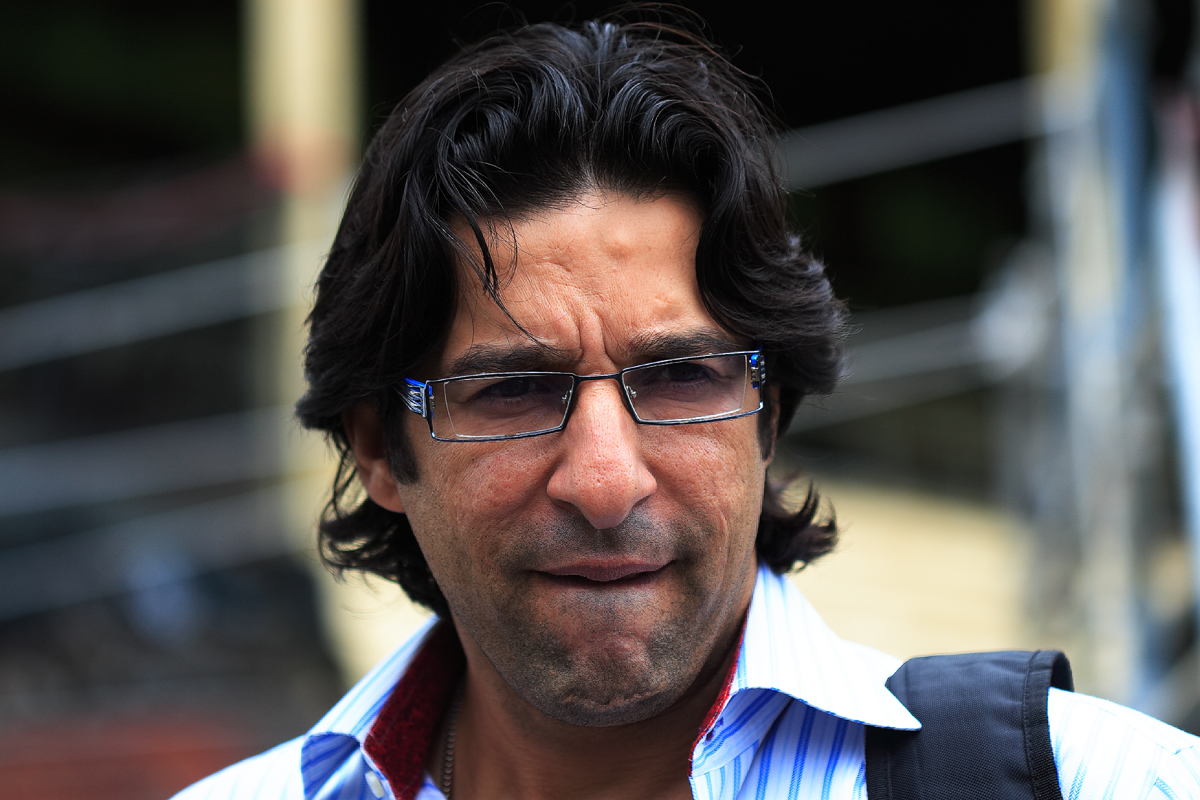
Former Pakistan captain Wasim Akram has questioned Babar Azam’s decision to take on the Test captaincy, saying the star batter would have been better off remaining a player after Pakistan’s 3-0 series defeat in England. Speaking at a charity fundraising event in Manchester on 20 September, Akram said Babar should not have accepted the role at all.
“I do not want to blame anyone, and I could be wrong as well,” Akram said, as reported by Geo News. “But in my opinion, Babar should not have taken the captaincy. All of this was unnecessary.”
Akram’s remarks centred on Babar’s claim, made at the toss before the third Test in Birmingham, that he had been unaware of the Pakistan Cricket Board’s (PCB) decision to send seven players home and reshape the coaching staff after the second Test at Lord’s. Recalling the moment, Akram questioned what Babar was doing as captain if he did not know about such major changes. “Babar Azam said he did not know. If you don’t know, then what were you doing here? Were you here to sell chickpeas?” he said sarcastically.
The former fast bowler also suggested that Babar should have stepped aside from the captaincy after the second Test and continued in the series purely as a player. “My suggestion is that after the second Test, Babar should have said that he would play only as a player,” he added.
The context: a season of upheaval
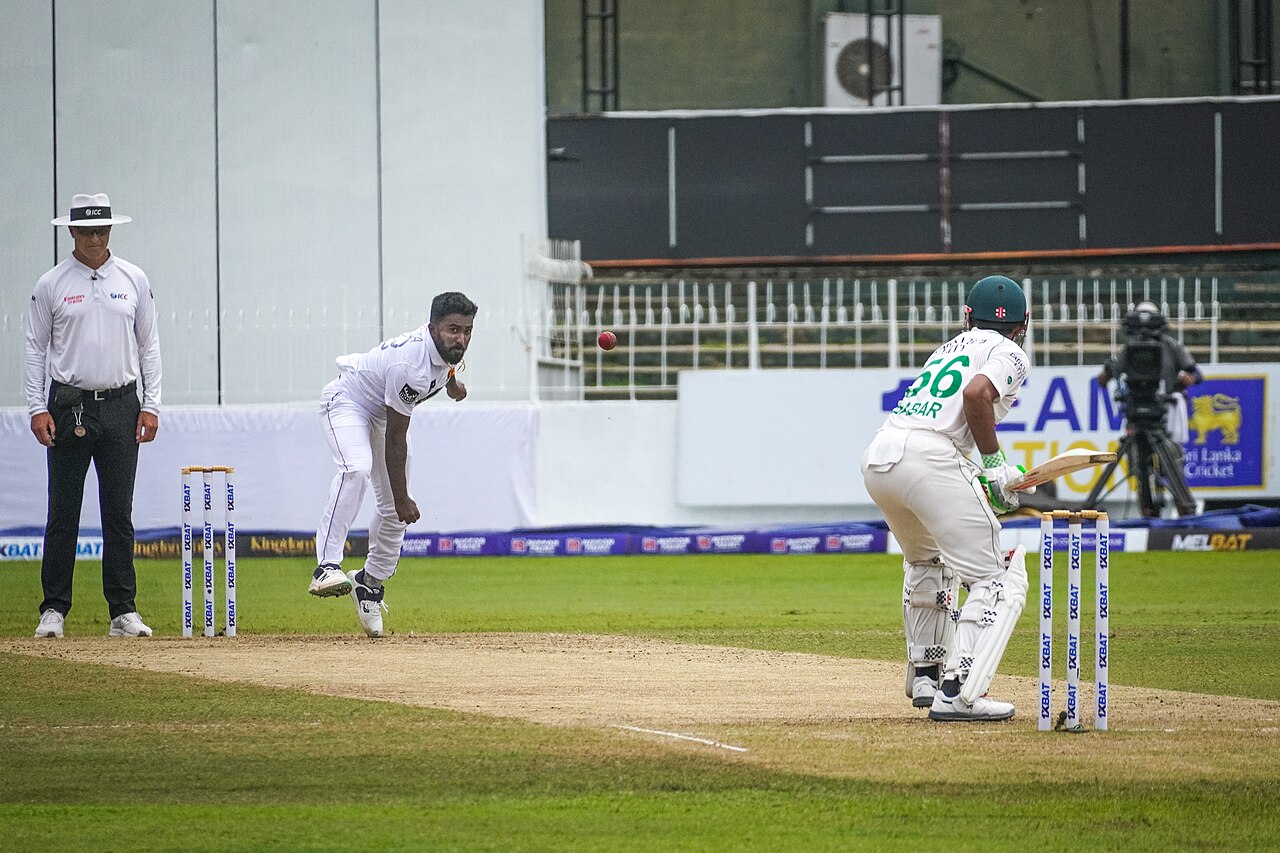
Babar Azam was appointed Pakistan’s Test captain on 5 July, replacing Shan Masood ahead of tours of the West Indies and England. He had previously led Pakistan in Test cricket from 2020 to 2023, overseeing 20 matches with 10 wins, six defeats and four draws. Under his returning leadership, Pakistan drew the two-Test series in the West Indies 1-1 before the tour of England turned into a comprehensive defeat.
England won the opening Test at Headingley by an innings and 103 runs before securing a 194-run victory at Lord’s. After that second defeat, the PCB made sweeping changes ahead of the third Test at Edgbaston: seven players — Mohammad Rizwan, Imam-ul-Haq, Salman Ali Agha, Ali Usman, Aamir Jamal, Muhammad Awais Zafar and Khurram Shahzad — were released, and head coach Sarfaraz Ahmed and bowling coach Umar Gul were replaced by white-ball coach Mike Hesson and Ashley Noffke, as KhabarWire reported at the time. The changes did not prevent a series whitewash, as England won the third Test by eight wickets.
The overhaul itself drew criticism from former players and coaches at the time. Mickey Arthur described the constant turnover as the reason Pakistan were “in the mess they are”, while Shoaib Malik questioned the treatment of players sent home and Shahid Afridi queried the selection of T20 players for a Test match in England. Akram’s comments on 20 September extend that criticism to the decision to hand Babar the captaincy in the first place.
What Akram said about leadership
Beyond questioning the original appointment, Akram argued that a captain must stand by his players, saying a player cannot give his best if his leader is not supporting him. “As a player or as a person, I believe that if your leader or captain does not stand by you, you cannot give 100 per cent,” he said.
Babar himself had said earlier in the series that the PCB’s overhaul was also news to him. “It was also a surprise to me. No one approached me or consulted with me about these changes,” he told reporters ahead of the third Test. Akram’s criticism suggests that, in his view, a captain who is kept out of such decisions — or who accepts a role in which he has no say — carries responsibility for the resulting confusion.
Why it matters
Pakistan’s Test side has been in a prolonged slump. The 3-0 defeat in England left Pakistan at the bottom of the World Test Championship standings, and the tour’s mid-series upheaval laid bare a recurring pattern of instability: frequent changes of captain, coach and selector. Akram’s remarks add a prominent voice to a debate over who should lead the side and how much authority any captain actually holds.
Akram is one of Pakistan’s most decorated cricketers, having captained the side in the 1990s and led the attack during the 1992 World Cup triumph. His public questioning of Babar’s decision to take the captaincy carries weight with fans and within the game, even though he acknowledged he could be wrong and said he did not want to blame anyone.
The debate also reflects a wider tension in Pakistan cricket between leadership and institutional control. As the board decides the squad, coaching staff and selection, the question of how much a captain can shape the team becomes unavoidable. For Akram, the answer is that a captain should either have the authority to lead — or not take the role at all.
What is still uncertain
Akram’s comments are an opinion, not an announcement. The PCB has given no indication that Babar’s position as Test captain is under immediate review, and Babar himself has said the team needs to sit down and admit its mistakes rather than blame individuals. Whether the board will respond to the criticism, whether Babar will remain captain for future tours, and whether the leadership structure changes are all open questions.
It is also worth noting that Akram’s account of events relies on what was said publicly: Babar’s “news to me” comment and the PCB’s official announcement of the squad changes. The exact internal decision-making process at the PCB has not been disclosed, so the division of responsibility between the board, selectors, coach and captain remains a matter of public inference rather than confirmed fact.
For now, the significance of the moment lies in a former captain publicly questioning the most important leadership decision of Pakistan’s recent Test history, adding to the pressure on a team that enters any future series with its captaincy — and its processes — under scrutiny.
Sources & reporting notes
This is a synthesis of published reporting, not eyewitness coverage. All sources were reviewed on 20 September 2026. Akram's remarks are reported as carried by Geo News; the context of the PCB's mid-series changes and Babar's own comments is drawn from The News International and The Express Tribune.
- Geo News — Wasim Akram questions Babar Azam's decision to accept Test captaincy20 September 2026 · Primary report of Akram's remarks at the Manchester charity event, including his "chickpeas" comment and his suggestion that Babar should have played only as a player after the second Test.
- The News International — Babar reveals PCB kept him in the dark9 September 2026 · Babar's own account that he was not consulted over the squad overhaul, which is the factual basis of Akram's criticism.
- The Express Tribune — Pakistan Test revamp faces backlash1 September 2026 · Independent reporting on the criticism of the PCB's mid-series changes from former players and coaches, including Arthur, Malik and Afridi.
- The News International — Babar Azam to lead Pakistan as PCB unveils Test squads5 July 2026 · Confirmation of Babar's appointment as Test captain replacing Shan Masood, and his earlier captaincy record.