Reporting snapshot · 19 November 2026 (Asia/Karachi). Kuwait and Bahrain have not published damage assessments, Iran's account of the tanker fires has not been independently verified, and neither Washington nor Riyadh has said whether the Makkah defence pact could be invoked. The position in the Gulf can change within hours.
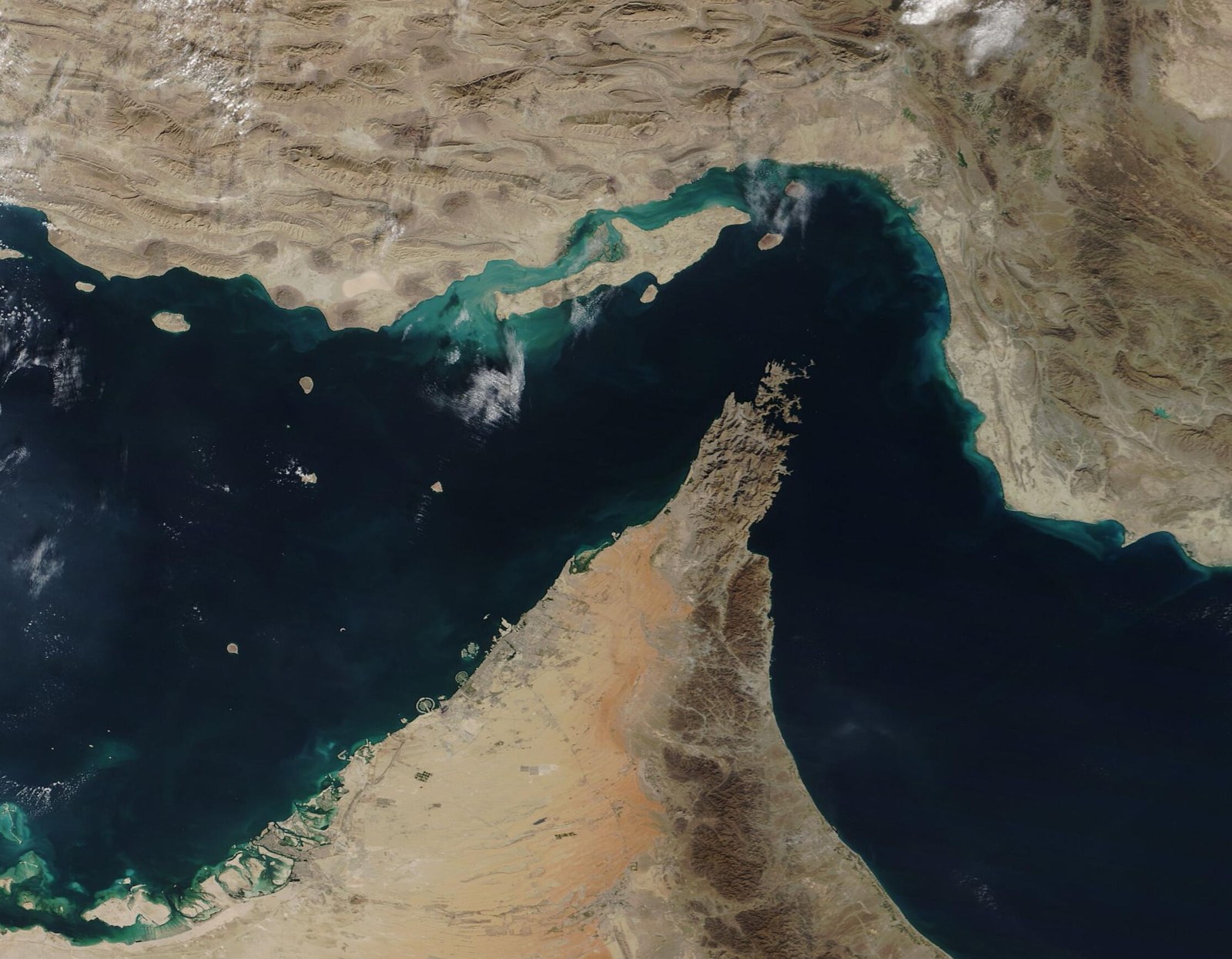
Iran’s foreign ministry said late on Wednesday that its forces had struck United States Patriot air-defence systems and drone and missile launch platforms in self-defence, offering Tehran’s formal justification for a two-day exchange that has put Kuwait and Bahrain back on the war’s front line. The statement, which The Express Tribune reported citing Anadolu Agency, followed a night in which Kuwait said its air defences engaged hostile drones and Bahrain said it intercepted several Iranian aerial attacks. Both came after US fighter jets struck a missile launch site on Iran’s Qeshm Island in the Strait of Hormuz, according to US military officials.
The ministry said the targets were “the source of attacks on Iran and the infrastructure supporting them”, and urged regional governments to prevent their territory from being used against Iran. Qatar, which has mediated stalled indirect talks between Washington and Tehran, called the attacks a “dangerous escalation” that threatened to undermine efforts to contain the conflict.
What Iran hit in Kuwait and Bahrain
Iran’s army said its drones targeted US Patriot air-defence systems and drone and missile launch platforms at Ali Al Salem Air Base in Kuwait, The Express Tribune reported. Kuwait’s military said its air defences responded to “hostile” drones and reported no casualties or damage, according to the BBC. The Kuwaiti foreign ministry condemned what it called a “flagrant violation” of the country’s sovereignty, saying the attack “directly threatened its security and stability”. It was the first Iranian attack on Kuwait in more than two months.
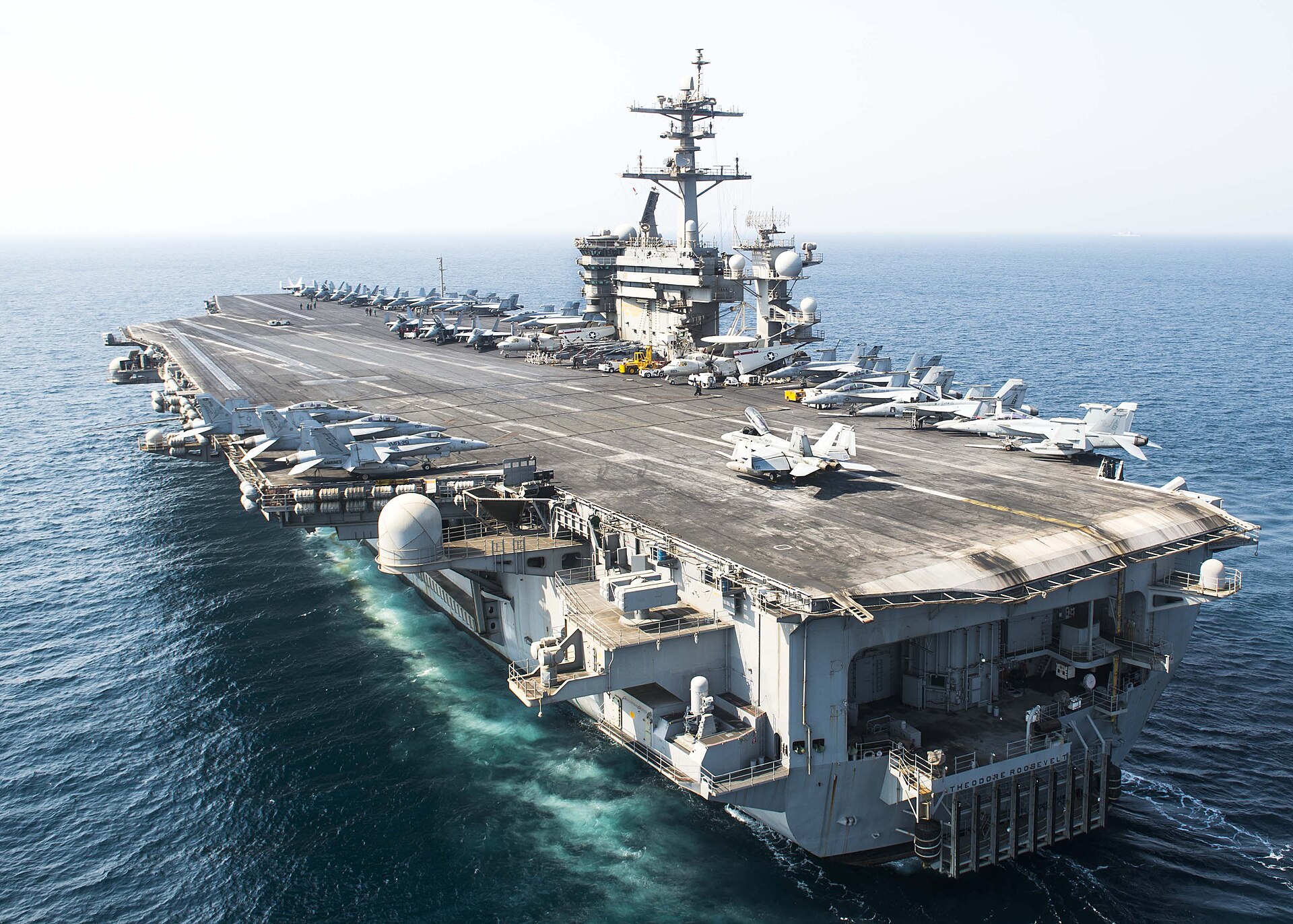
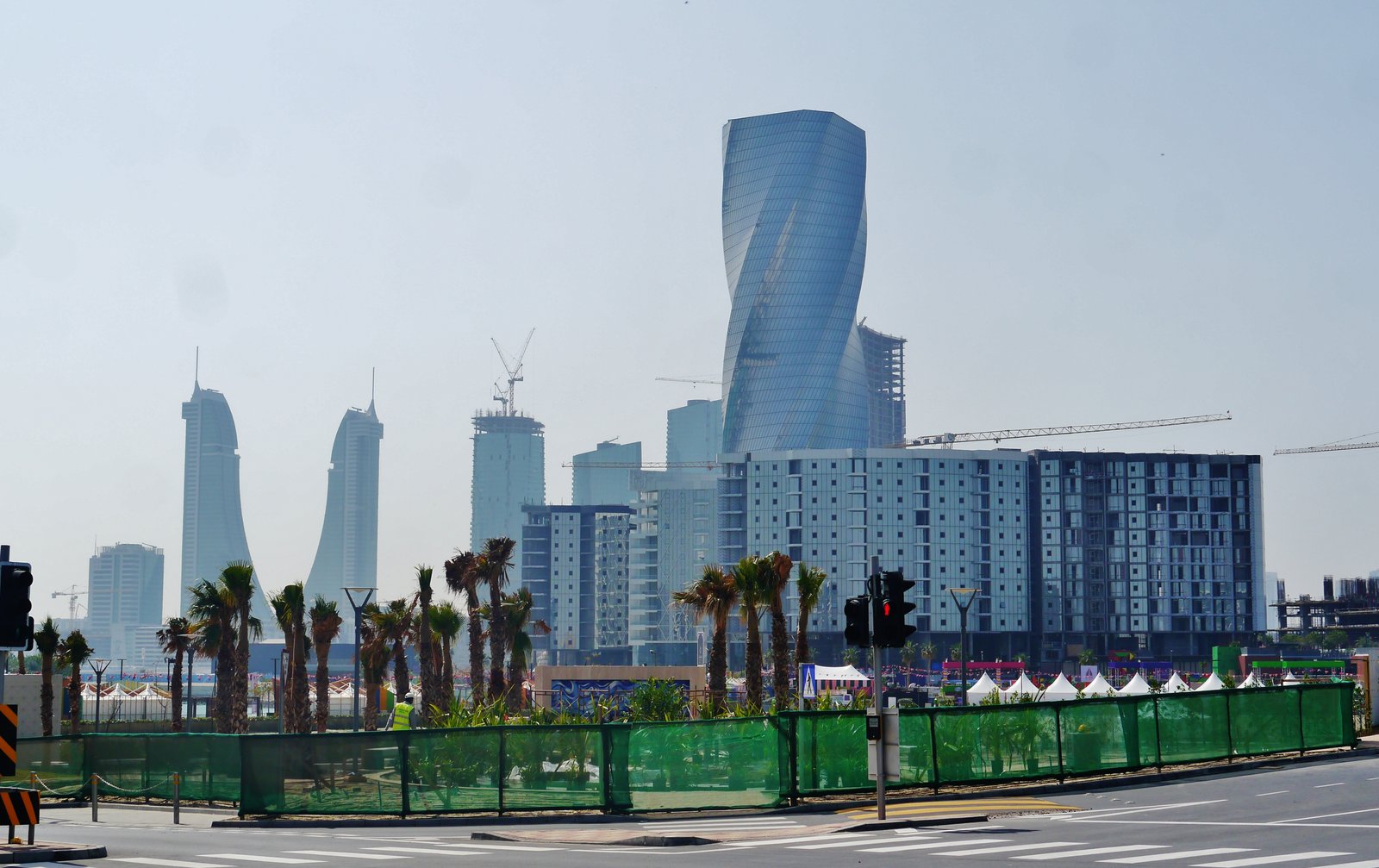
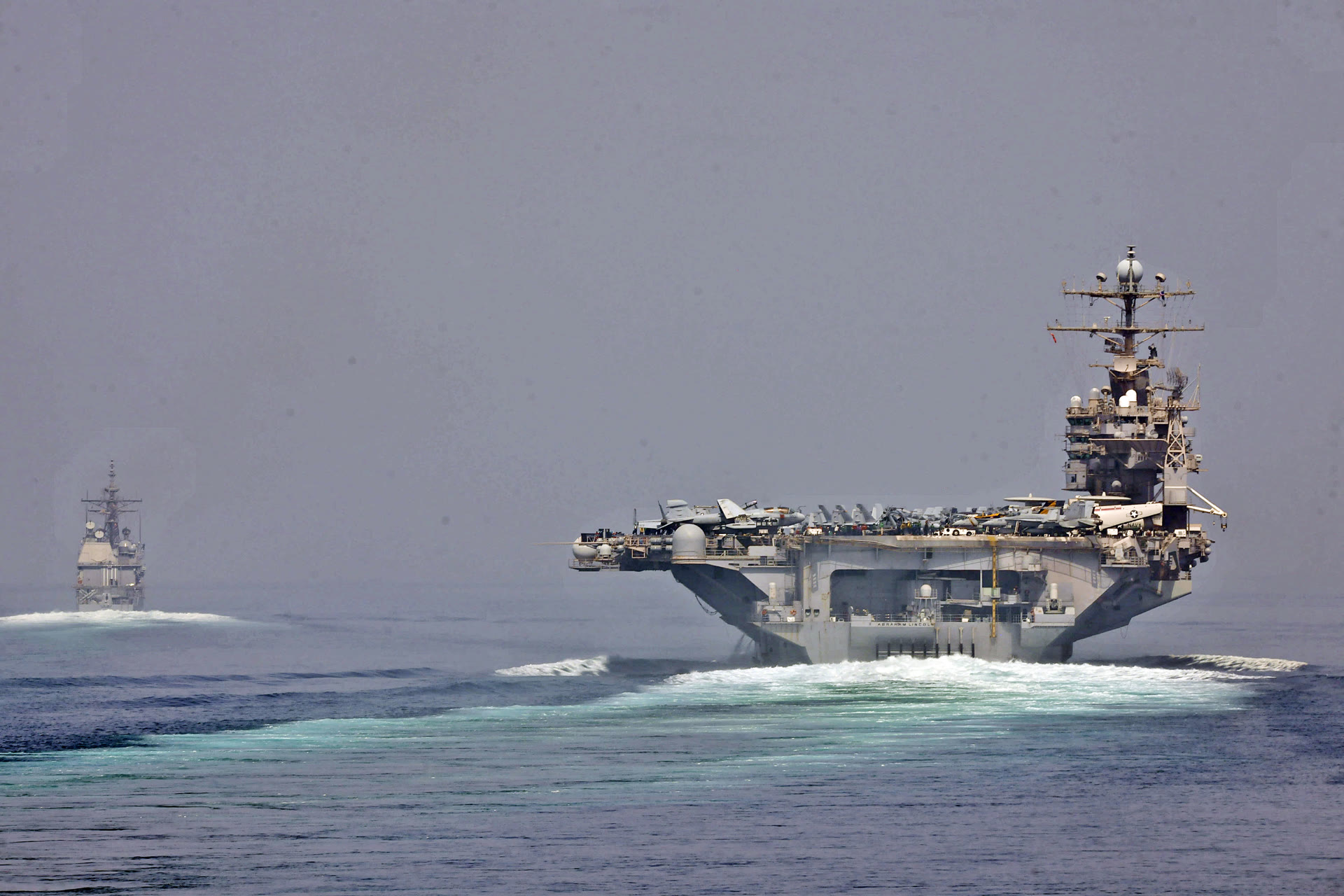
Bahrain’s military said its air-defence systems intercepted and destroyed several Iranian aerial attacks. The kingdom, which hosts the US Navy’s Fifth Fleet, has now reported four attacks in six days after a two-month lull, the BBC reported. “The explosions seemed to be coming from far away, but hearing them again after a period of calm was both surprising and worrying,” Hani Mohammed, an Egyptian resident of Kuwait, told AFP.
Major General Amir Hatami, the Iranian army’s commander-in-chief, warned that any further US or allied action would meet a response “even more devastating” and “without geographical limitations”, the BBC reported. Qatar’s foreign ministry said the continuation of the attacks “could complicate efforts to contain tensions and undermine political and diplomatic efforts” to stabilise the region.
The Qeshm strike and the tanker war
The immediate trigger was American retaliation for what US military officials called Iranian “aggression targeting US personnel and assets”. US fighter jets hit a missile launch site on Qeshm Island with “precision munitions” on Tuesday night, the BBC reported. Iranian media reported explosions on the island but cited a local official saying infrastructure was not damaged.
The exchange has again widened to commercial shipping. ADNOC, the United Arab Emirates’ state oil company, said one of its vessels was attacked in the Strait of Hormuz on Tuesday evening, injuring 11 crew members and leaving one missing. The UK Maritime Trade Operations centre said a tanker was struck by an unknown projectile north of Khasab in Oman’s Musandam peninsula, causing a fire that was extinguished. Iran’s army said two oil tankers and an LNG carrier caught fire after striking naval mines while sailing an “authorised route” — an account that echoed its claim on 15 November that two tankers had hit mines, and that could not be independently verified.
At least 25 seafarers have been killed across the Middle East since the war began in late February, according to the BBC. The strait normally carries about a fifth of global oil and gas shipments; US escorts have helped Gulf producers lift crude exports back to roughly 80 per cent of pre-war levels, analysts told the BBC. A preliminary US-Iran agreement reached in June to reopen the waterway collapsed within weeks, and talks have since stalled over sanctions, the US naval blockade and control of the strait. On Thursday, the Saudi-led coalition said it had repelled Houthi missiles fired towards Riyadh, Al Jazeera reported.
Why the Gulf is Pakistan’s problem
For Pakistan, the renewed attacks land on an energy system still wounded by the closure of the strait, and on a supply chain that has been hit before: a Qatar-owned LNG carrier was struck in the Gulf on 1 November. Qatar supplied 98 per cent of Pakistan’s LNG in 2025, and when Qatari deliveries stopped after the war began, Pakistan had no alternative, according to an analysis in The Friday Times citing International Energy Agency data. LNG imports fell 56 per cent between January and October, gas’s share of electricity generation fell by a quarter between March and September while coal’s rose by about 35 per cent, and urea production dropped as gas became scarce and expensive. Asian spot LNG averaged $21.5 per million British thermal units over the same period, almost 80 per cent higher than a year earlier.
The government is still short of winter supply. The Petroleum Division said this week that Pakistan was seeking 16 LNG cargoes through February 2027: November’s demand was covered, three of the four December cargoes had been secured, but only one of the six needed for January had been arranged, Profit reported. Pakistan is also asking Oman, the United States and Azerbaijan’s SOCAR for extra volumes. Each new strike near Hormuz raises the cost of filling those gaps and the risk that a cargo is diverted to a higher bidder.
The Makkah pact’s undefined red line
The escalation also tests Pakistan’s defence commitments. Under the Makkah Joint Defence Agreement, signed with Saudi Arabia in September 2025 and extended to include Turkiye in August, an armed attack on one signatory is treated as an attack on all three. Pakistan agreed to defend Saudi territory, and ministers and commanders have described its commitment as unconditional, the Guardian reported. Saudi Arabia has absorbed repeated Houthi missile and drone attacks during the war, including a cruise missile intercepted this week.
Analysts have warned that activation would draw a financially strained, nuclear-armed Pakistan into a war that inflames its Shia population, its border with Iran and its Balochistan insurgency, the Guardian reported. No signatory has publicly defined the red line that would trigger the pact, and there is no public evidence that Riyadh has asked Islamabad to activate it. Pakistan’s value as a mediator — it helped bring Tehran to the table before the June memorandum — is also harder to sustain if it is seen to be taking sides. KhabarWire follows the wider diplomacy in its Pakistan, Iran and the US mediation hub. There was no immediate comment from Pakistan’s Foreign Office on the latest attacks.
What to watch
Whether Iran repeats attacks on Kuwait and Bahrain, and whether Washington strikes inside Iran again, will determine whether this week’s exchanges remain tit-for-tat or become a new phase of the war. Qatar’s ability to keep the indirect channel alive is the other variable. For Pakistan, the immediate tests are the price and availability of January LNG cargoes and whether Riyadh signals that it wants the Makkah pact activated. None of those questions had a clear answer on Thursday morning.