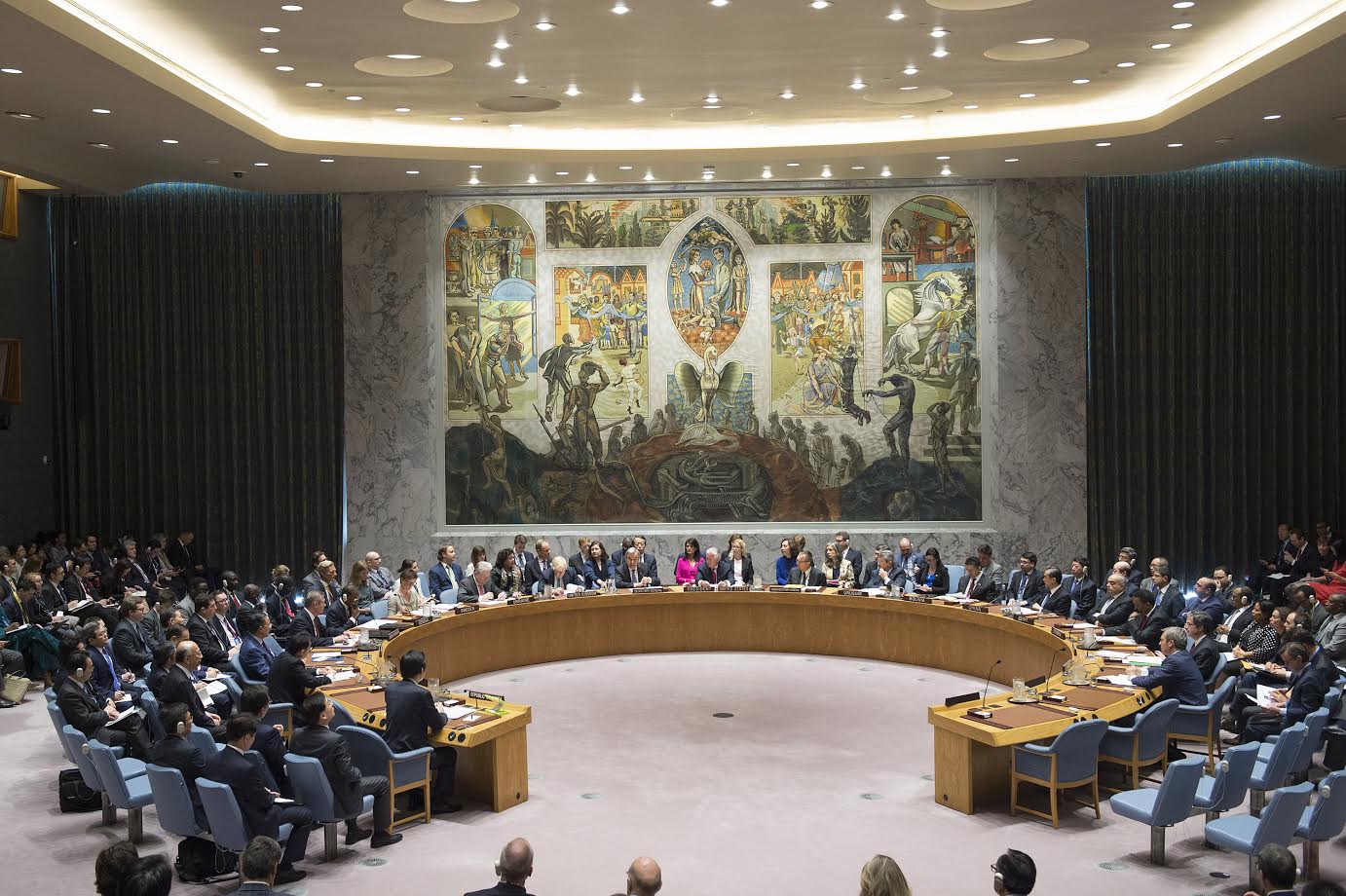
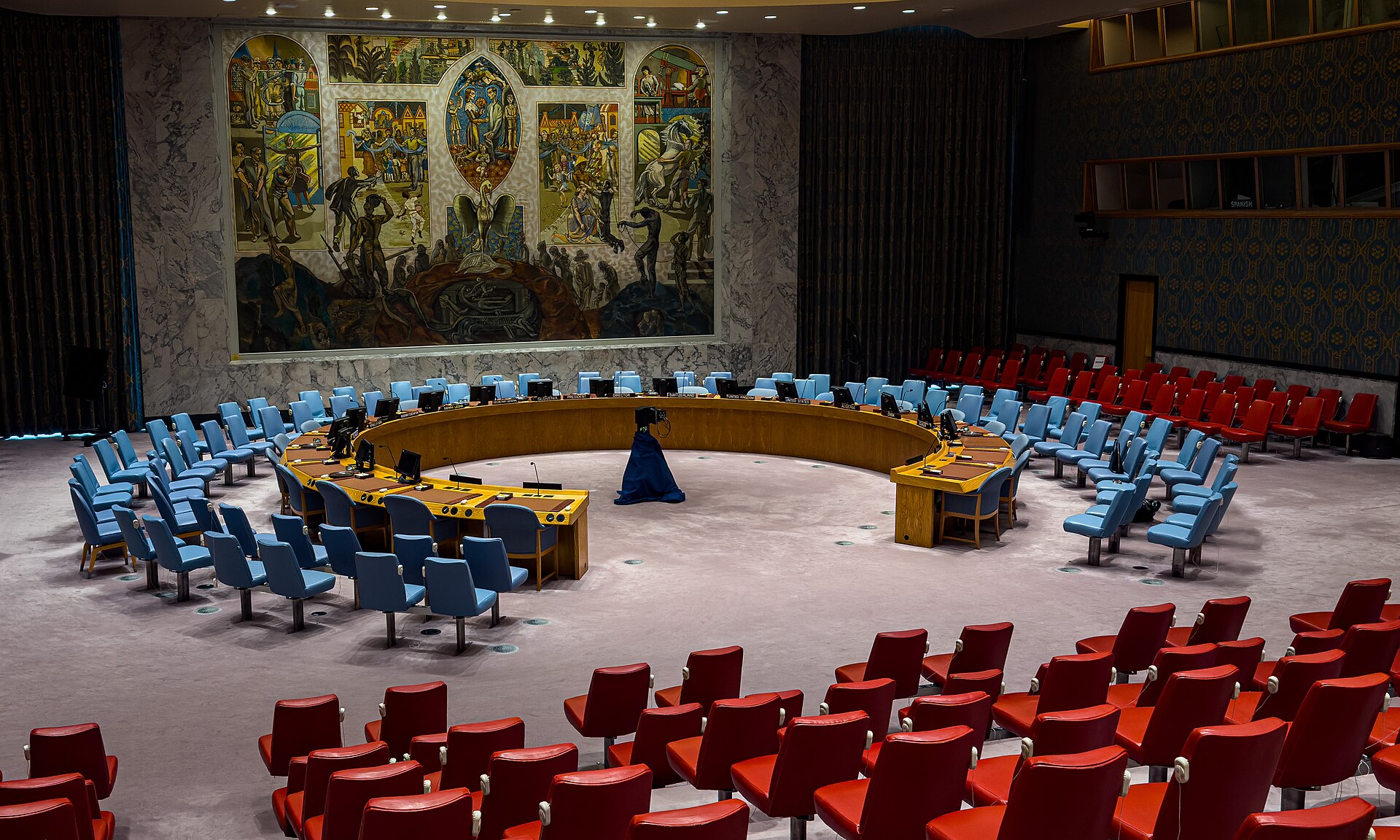
Reporting snapshot · 22 November 2026 (Asia/Karachi). The Security Council briefing was held in New York on 19 November, and the renewed call reached Pakistan's newspapers in their 22 November editions. The council's record of the session shows no proposal on the two groups before the sanctions committee, and no date has been set for one.
China has asked the United Nations Security Council to put the Balochistan Liberation Army and its suicide wing, the Majeed Brigade, on the council’s terrorism sanctions list again this year. Ambassador Sun Lei, China’s deputy permanent representative to the United Nations, made the request in New York on 19 November during a joint briefing of the council’s three counter-terrorism subsidiary bodies, telling members to “discard political considerations and form consensus as soon as possible”. He said the 1267 Committee should uphold “objectivity, impartiality, and professionalism” and handle listings, delistings and exemptions on the basis of “solid evidence and broad consensus”, China’s mission to the United Nations said.
The council’s own account of the session records the same appeal, and in the same meeting records Pakistan’s delegate pressing the case with his country’s own record of the cost of terrorism. The delegate declared that “Al-Qaida was decimated largely due to Pakistan’s efforts” and cited more than 90,000 casualties and billions of dollars in economic losses as the price his country has paid, the United Nations reported. Pakistan put the same toll before the council two months ago, when its then permanent representative argued that existing sanctions regimes left gaps that had to be closed, KhabarWire reported from the September meeting.
The Express Tribune carried the account in its 22 November edition, describing China’s call as a renewal of a joint bid from Islamabad and Beijing that the United States, France and the United Kingdom blocked in June on procedural grounds. No vote was taken, no listing was adopted and no new date was set for the campaign.
Why the June bid was blocked on procedural grounds
The committee China addressed is the Security Council Committee pursuant to resolutions 1267 (1999), 1989 (2011) and 2253 (2015), commonly called the 1267 Committee and formally the ISIL (Da’esh) and Al-Qaida Sanctions Committee. Member states propose individuals or entities for listing, the committee adopts listings by consensus, and once an entity is listed it faces an asset freeze, a travel ban and an arms embargo that every member state is required to enforce at home, The Express Tribune explained.
Washington’s own position on the group is not in doubt. The United States designated the Balochistan Liberation Army a Specially Designated Global Terrorist in 2019 and later extended sanctions to the Majeed Brigade, The Express Tribune noted. The open dispute is whether the 1267 regime, built for Al-Qaeda, the Islamic State and their affiliates, should be used for a group the three blocking states regard as regional in scope.
That question has been open for years. Beijing and Islamabad said in October 2024, after an attack outside Jinnah International Airport killed two Chinese engineers, that they would mount a joint diplomatic effort to list the Majeed Brigade, and the same report recorded that earlier Chinese attempts had been blocked by some members. The stated reason for blocking has moved since: what the 2024 account cites is insufficient evidence against the group, while in June 2026 the blocking states argued that the regime itself did not reach organisations of regional scope.
What a listing would actually change
For Islamabad, a 1267 listing would put the Balochistan Liberation Army and the Majeed Brigade inside a legal instrument that member states enforce, rather than depending on the national designations that individual states maintain. It would make it harder for the group’s supporters to argue that it is a local insurgency rather than an international terrorist organisation, and it would strengthen the Pakistani argument, repeated at the November briefing, that the group’s sponsors abroad should be held to the same standards as any other listed group.
The Balochistan Liberation Army has attacked Chinese nationals and Chinese interests in Karachi, including the Pakistan Stock Exchange, the Chinese Consulate and the Confucius Institute at Karachi University, and the Majeed Brigade was formed to target Chinese investment in Pakistan, The Express Tribune reported. KhabarWire’s own reporting on the Karachi plot that was broken before it could run and its Balochistan security file track the ground campaign that the United Nations debate is about.
A listing would not change conditions on the ground. It would close financing routes and constrain travel, which matters at the margin, but it would not by itself slow the insurgent activity that the Pakistan Army says it is addressing operationally, including the attack on a Frontier Corps post on the N-25 highway in Mastung that KhabarWire reported this month.
A council briefed without elected committee chairs
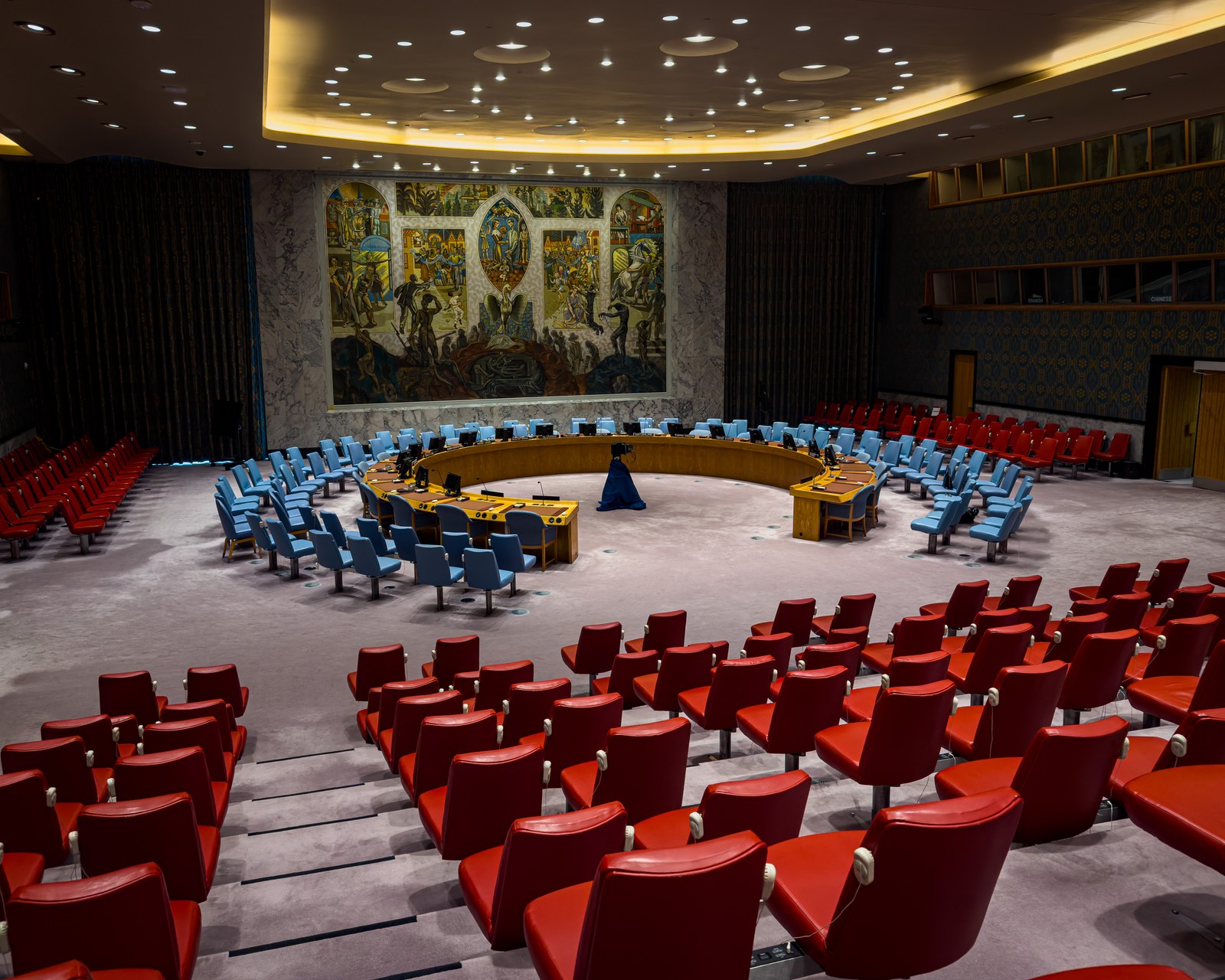
The November session exposed how much of the counter-terrorism machinery is not running. Sanita Pavļuta-Deslandes of Latvia, the council’s president for November, briefed members on all three committees because the subsidiary bodies had been unable to agree on their bureaux, and she called the situation “unprecedented and unacceptable”, the United Nations recorded.
The sanctions committee’s monitoring team was operating at 25 per cent of its mandated strength, waiting on two experts, and the United Kingdom pressed for their appointment so that the team had the language capacity its work requires. Denmark used the session to urge support for her country’s proposal for additional listings under the 1267 regime, arguing that key figures of already-listed terrorist groups remain unlisted — a sign that the demand for more listings is not confined to Islamabad and Beijing. The United States delegate, in the same debate, accused two permanent members of obstructing the implementation of restored UN sanctions on Iran.
The gap between an appeal in the chamber and a listing
Listing is an act of the sanctions committee, not of the council chamber. A member state has to table a formal proposal, the committee has to be constituted with a bureau that can consider it, and the members must then agree by consensus, with permanent members able to hold the move. An appeal delivered from the floor does not start that machinery, and the council’s record of 19 November notes no proposal before the committee concerning the Balochistan Liberation Army.
So the renewed call changes the campaign’s politics rather than its legal state. What follows will be watched in three places: whether Islamabad or another member puts a proposal in front of the committee, whether the committee’s bureau is settled so a proposal can be examined, and whether the wider demand for listings that Denmark voiced gives the three states that blocked the joint bid in June a reason to reconsider.
For a reader in Pakistan, the honest summary is that the campaign has a permanent member of the Security Council speaking for it again in New York, and a delegate making the case that Pakistan’s losses have been immense. What it does not yet have is a committee willing to consider the request, which is where it stalled the last time.