What happened
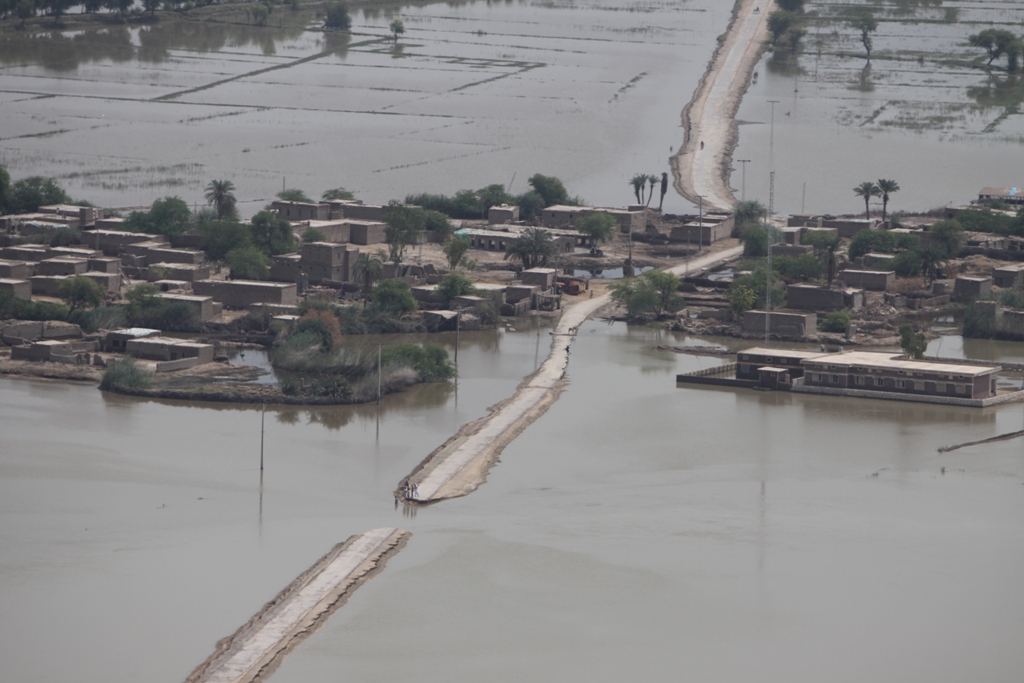
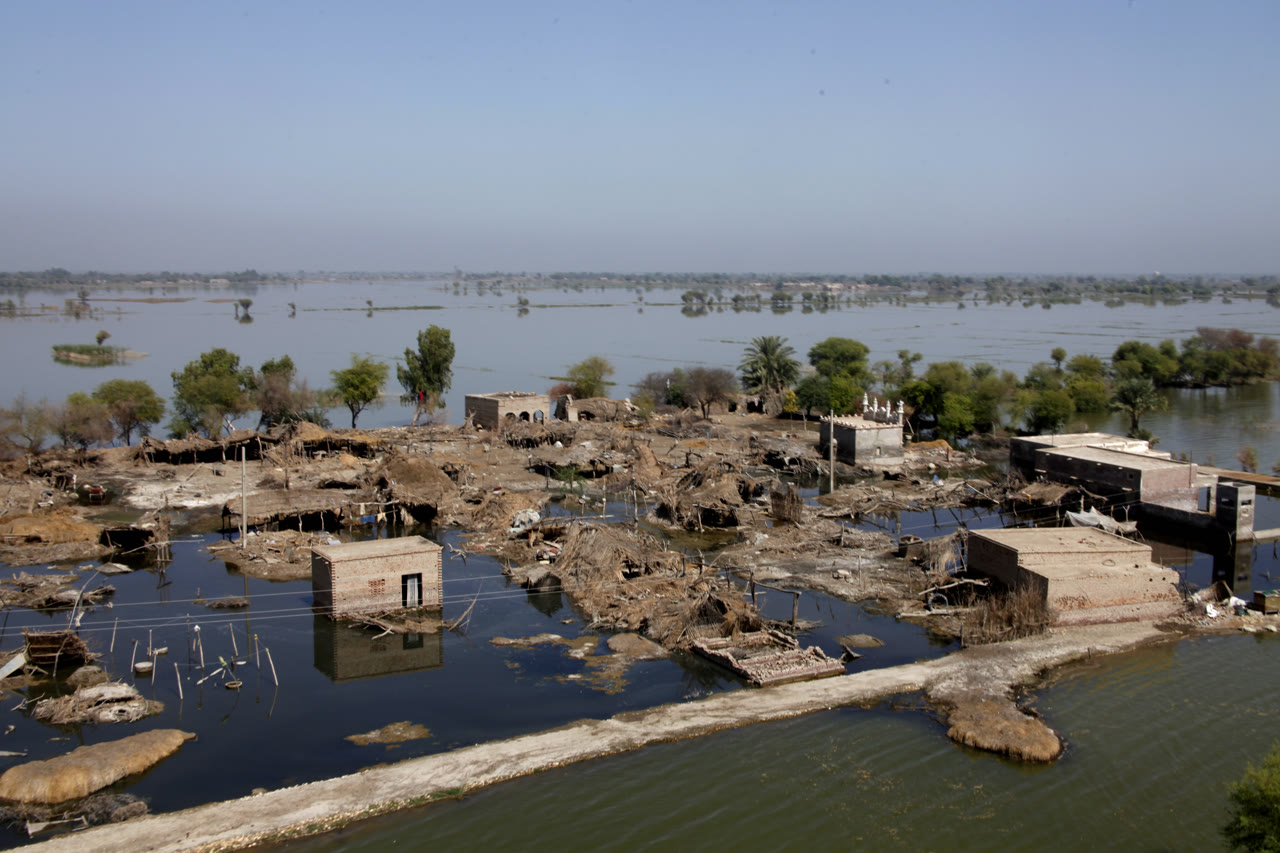
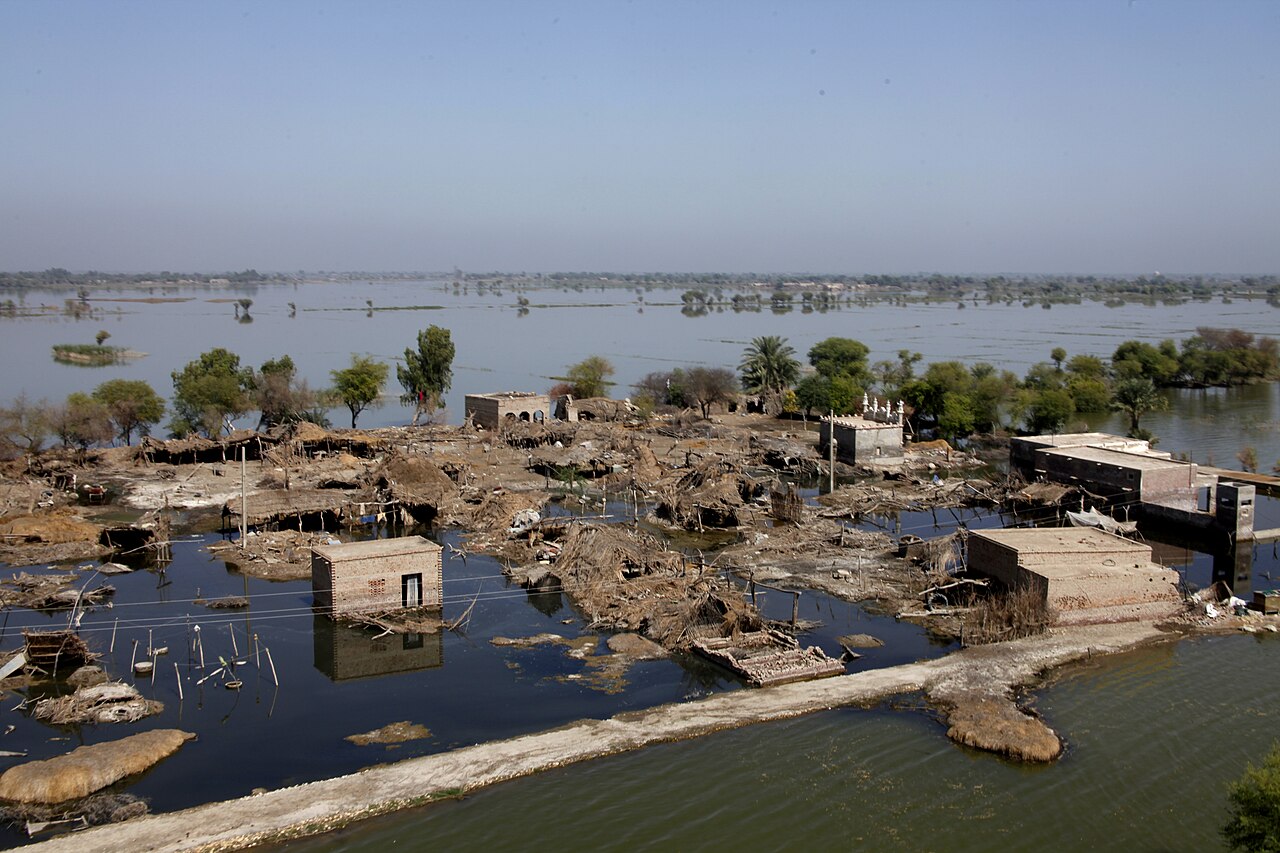
Prime Minister Shehbaz Sharif on Saturday, 15 August 2026, directed the National Disaster Management Authority (NDMA) to maintain effective coordination with provincial authorities and to use all available resources to provide relief to people affected by floods across the country.
The prime minister issued the instructions during a meeting with NDMA Chairman Lieutenant General Inam Haider Malik, who briefed him on the prevailing weather situation and the flood situation arising from the monsoon rains, according to a statement from the Prime Minister’s Office. The chairman also briefed him on ongoing relief operations and the measures being taken for the rehabilitation of affected people.
The prime minister directed the NDMA to work closely with the relevant provincial governments and Provincial Disaster Management Authorities (PDMAs) to ensure a coordinated response, and stressed that relief and assistance must reach affected populations effectively.
Where the floods have hit
Lieutenant General Malik told the prime minister that, with federal cooperation, the NDMA would continue relief operations in flood-affected areas of Khyber Pakhtunkhwa, Gilgit-Baltistan and Azad Jammu and Kashmir. Those three regions were the focus of the briefing, reflecting the pattern of damage reported through the monsoon season.
The meeting was held a day after Independence Day, when the national leadership’s public messages had already been dominated by economic and security themes. The prime minister used the flood briefing to signal that federal and provincial agencies were being directed to prioritise relief over the holiday period.
Technology and coordination
The prime minister was briefed on the use of artificial intelligence and modern technology at the NDMA’s National Emergencies Operations Centre. He appreciated the technology-driven mechanisms being used to monitor emergencies and strengthen disaster response, according to the statement.
The emphasis on coordination reflects a recurring challenge in Pakistan’s disaster response: monsoon damage is spread across provinces and regions with different administrative arrangements, and relief depends on federal agencies, provincial governments and district administrations working from the same picture of the situation.
Why it matters
The direction to the NDMA came as authorities continued to manage the consequences of monsoon rains that have damaged homes, infrastructure and farmland in the country’s north and north-west. A coordinated response matters for the people in the affected areas, and the relief effort also carries political weight at a time when the federal government is under pressure over the economy and the cost of living.
What is still uncertain
The Prime Minister’s Office statement did not give casualty figures, the number of people displaced, the scale of the damage or the amount of federal funding committed. Those details are expected to emerge from provincial authorities and the NDMA as assessments continue, and the picture may change as more rain is forecast.
Separately, the prime minister expressed condolences over the loss of lives and devastation caused by an earthquake in Indonesia, saying Pakistan stood with the Indonesian people.
Sources & reporting notes
This is a summary of published reporting, not independent reporting. Details are as carried by the cited sources, which were reviewed on 15 August 2026.
- Pakistan Today — "PM orders all-out resource mobilisation, closer provincial coordination for flood relief"15 August 2026 · The NDMA meeting, the directives and the regions covered by relief operations.
- The Nation — "Pakistan marks Independence Day with calls for unity"15 August 2026 · Independence Day observance and the national context for the relief briefing.