Reporting snapshot · 23 November 2026 (Asia/Karachi). The size of the credit facility, the volumes OQ Trading has been supplying and the terms of the agreement come from the statements the two ministers made in Muscat, as carried by Radio Pakistan and The Express Tribune. The text of the agreement has not been published, and neither Pakistan State Oil nor the oil and gas regulator has said when the line will be drawn or how it feeds into domestic prices.
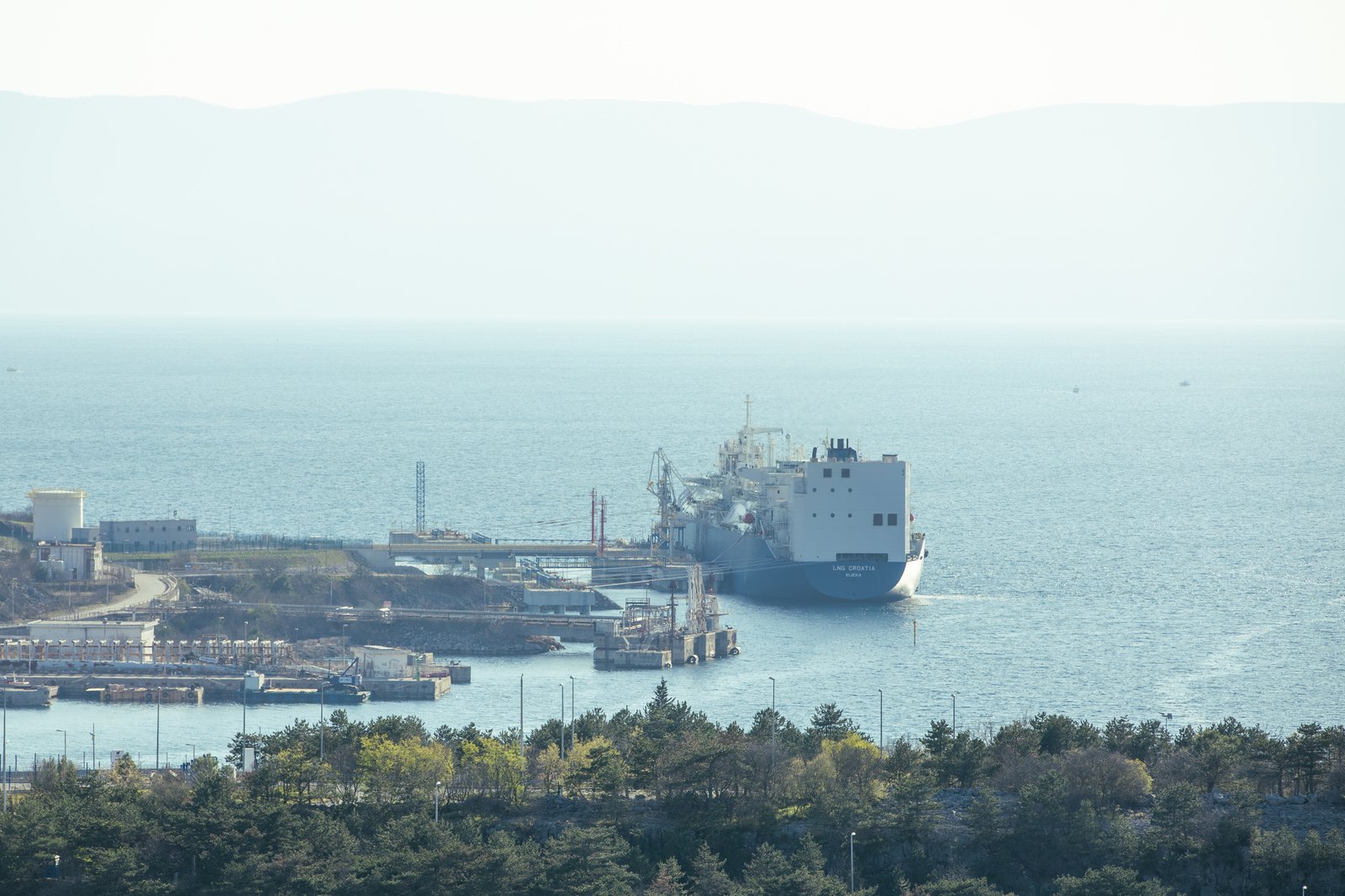
Pakistan and Oman have signed an agreement for the purchase and sale of petroleum products between Pakistan State Oil and Oman’s OQ Trading, and under it OQ Trading will extend a $200 million credit facility to PSO for those purchases. Radio Pakistan reported the agreement on 22 November, saying it was signed in Muscat in the presence of Federal Minister for Petroleum Ali Pervaiz Malik and Oman’s Minister of Energy and Minerals, Engineer Salim Al Aufi. The Express Tribune, reporting from the same ceremony, described it as a $200m energy deal and framed it as an attempt to diversify Pakistan’s fuel imports while the Strait of Hormuz stays “choked by the US-Iran conflict into its ninth month”.
What the credit line covers
Both accounts describe the same shape of deal. Radio Pakistan reported that OQ Trading will extend the $200m facility to PSO for the purchase of petroleum products, and that the agreement “will establish a regular commercial framework for the supply of petroleum products to PSO”. The Express Tribune said the two sides had agreed to set up that regular commercial framework, and that it was viewed as an important step towards strengthening Pakistan’s energy security and diversifying the sources of its petroleum imports.
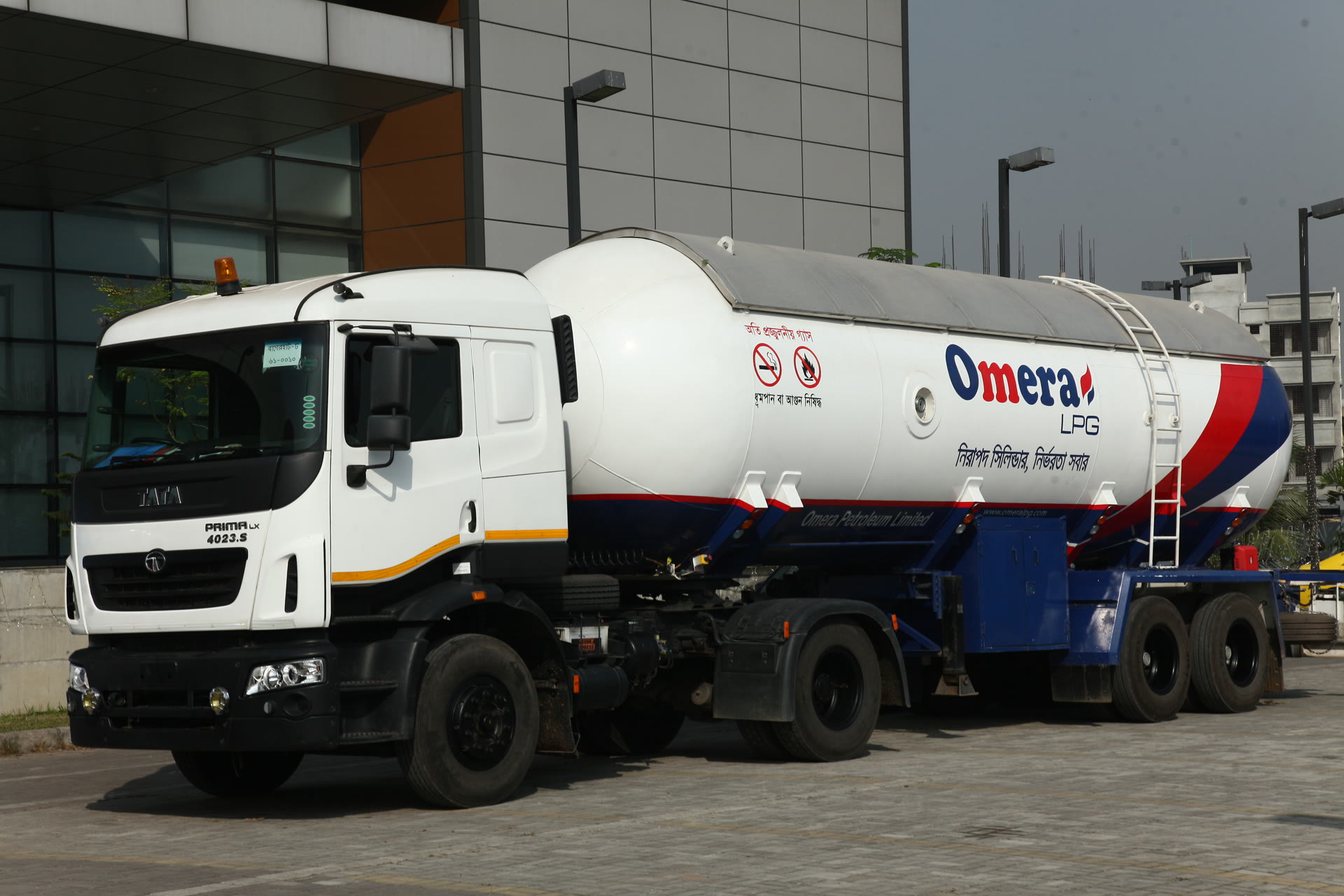
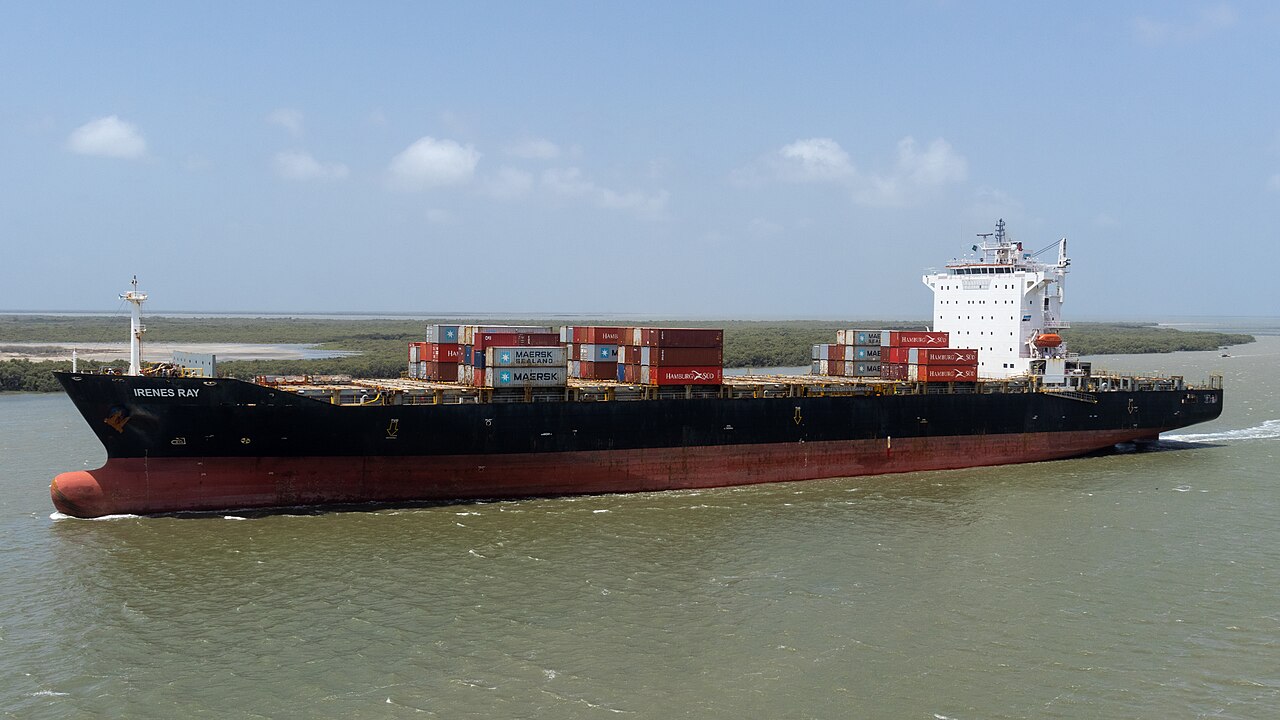
OQ Trading is not a new supplier to PSO. Radio Pakistan reported that OQ Trading supplied more than one million metric tonnes of petrol to PSO in 2026, and that its liquefied petroleum gas supplies to Pakistan are expected to exceed 120,000 metric tonnes by the end of the year. What is new is the credit facility and the formal commercial framework around a trade that is already running.
The LPG side of the ledger
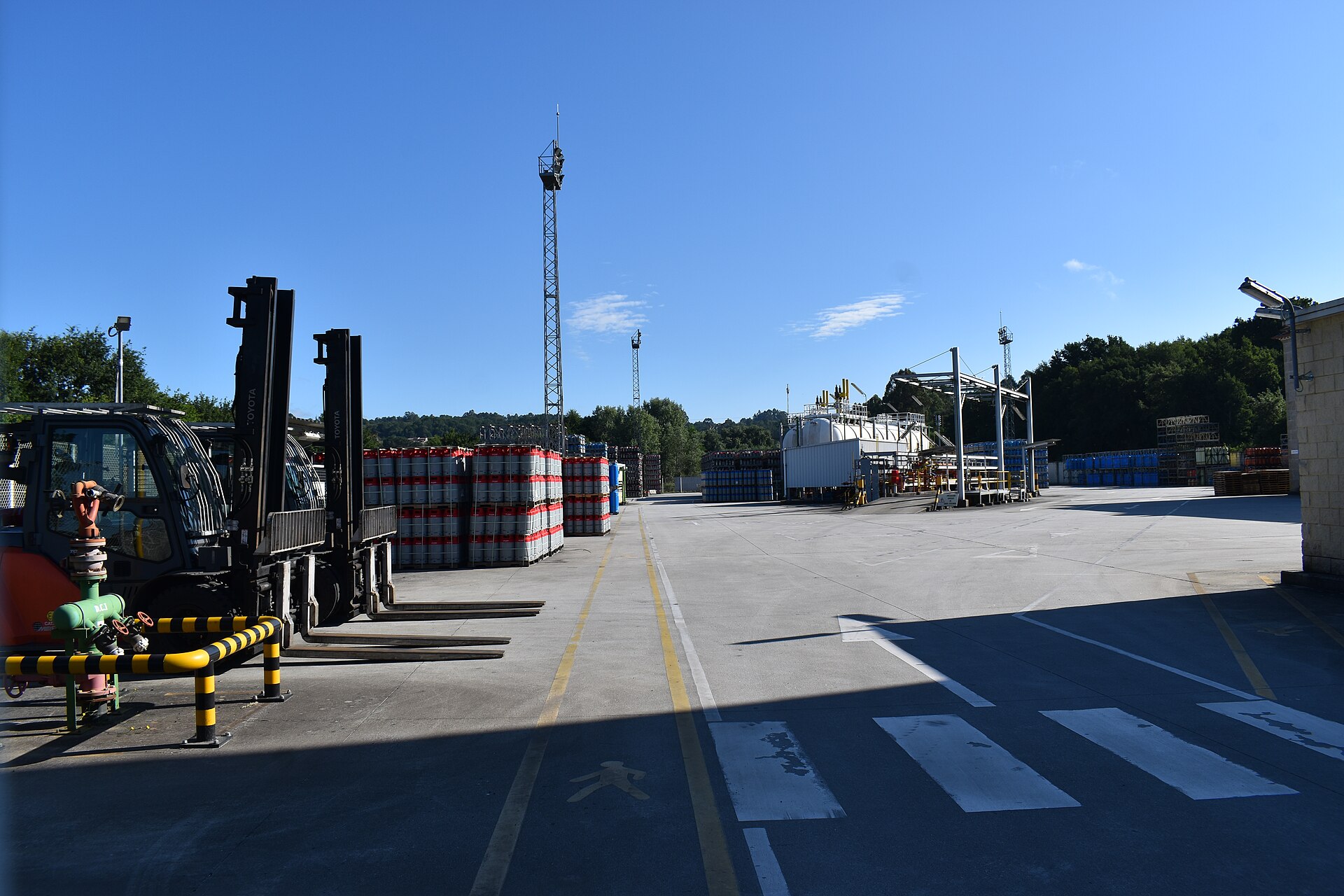
The gas leg is modest against Pakistan’s own numbers. The News International reported on 23 November that Pakistan uses about 2.4 million metric tonnes of LPG a year, that demand has grown 7.5 per cent a year over the past six years and could reach 4.16 million tonnes by 2032-33, while domestic production is projected to reach only 1.35 million tonnes, leaving imports to cover the gap. On those figures, OQ’s expected 120,000 tonnes is about 5 per cent of a year’s consumption.
The pressure behind the deal is also documented. The News reported that officials cite the closure of the Strait of Hormuz and United States sanctions on Iran’s energy sector as reasons to expect shortages and price increases, and that closed trade routes on the western border have also cut supplies. The same report said the Petroleum Division is arranging supplies through government-to-government talks and exploring new sources in Africa and the United States, with talks also under way with Turkmenistan, Russia, Oman, Qatar and Saudi Arabia.
Financing does not remove the physical constraint. The News recorded that terminal storage in the country is about 14,000 tonnes and land storage about 86,000 tonnes, and described a proposed import parity pricing system in which the government stops fixing margins and freight costs while the Competition Commission of Pakistan and the Oil and Gas Regulatory Authority watch the market instead. KhabarWire has covered that pricing formula and the pause in LPG imports, and the court challenge that led state oil companies to scrap LPG auctions.
A working group, and what came out of it
Alongside the supply agreement, the two ministers agreed to widen bilateral cooperation in oil, gas and minerals, and welcomed the establishment of a joint working group on oil and gas which both said would be used to advance cooperation in the energy and minerals sectors.
That working group was one of four agreed at the eighth Pakistan-Oman Joint Ministerial Commission in Islamabad on 14 October, alongside trade and investment, agriculture, and labour and human resource development, as KhabarWire reported at the time.
What the two accounts leave unanswered
Neither government has published the text of the supply agreement, and neither account gives the tenor, interest rate, cargo volumes, delivery schedule or first-drawdown date for the credit facility, or whether the Omani exposure is backed at state level. No statement from PSO or the Oil and Gas Regulatory Authority had appeared at the time of writing, so there is still no official word on how the facility feeds into the fortnightly price revisions the government sets with the oil marketing companies, or how OQ’s LPG volumes would sit against the import parity proposal. The agreement is also one of several supply tracks the Petroleum Division says it is pursuing, which makes it difficult to read the $200m as a stand-alone answer to Pakistan’s fuel import problem.