Reporting snapshot · 27 October 2026 (Asia/Karachi). The resolution carries the force of a parliamentary statement of position, not a decision with a deadline or a mechanism attached to it, and the day's other messages were issued separately by the president, the prime minister and the deputy prime minister. The main limitation is that the state broadcaster's account of the resolution is the only text available so far, that no official figures were published for the size of the Islamabad rally or the demonstrations in Azad Jammu and Kashmir, and that no follow-up steps have been announced.
What the National Assembly resolved
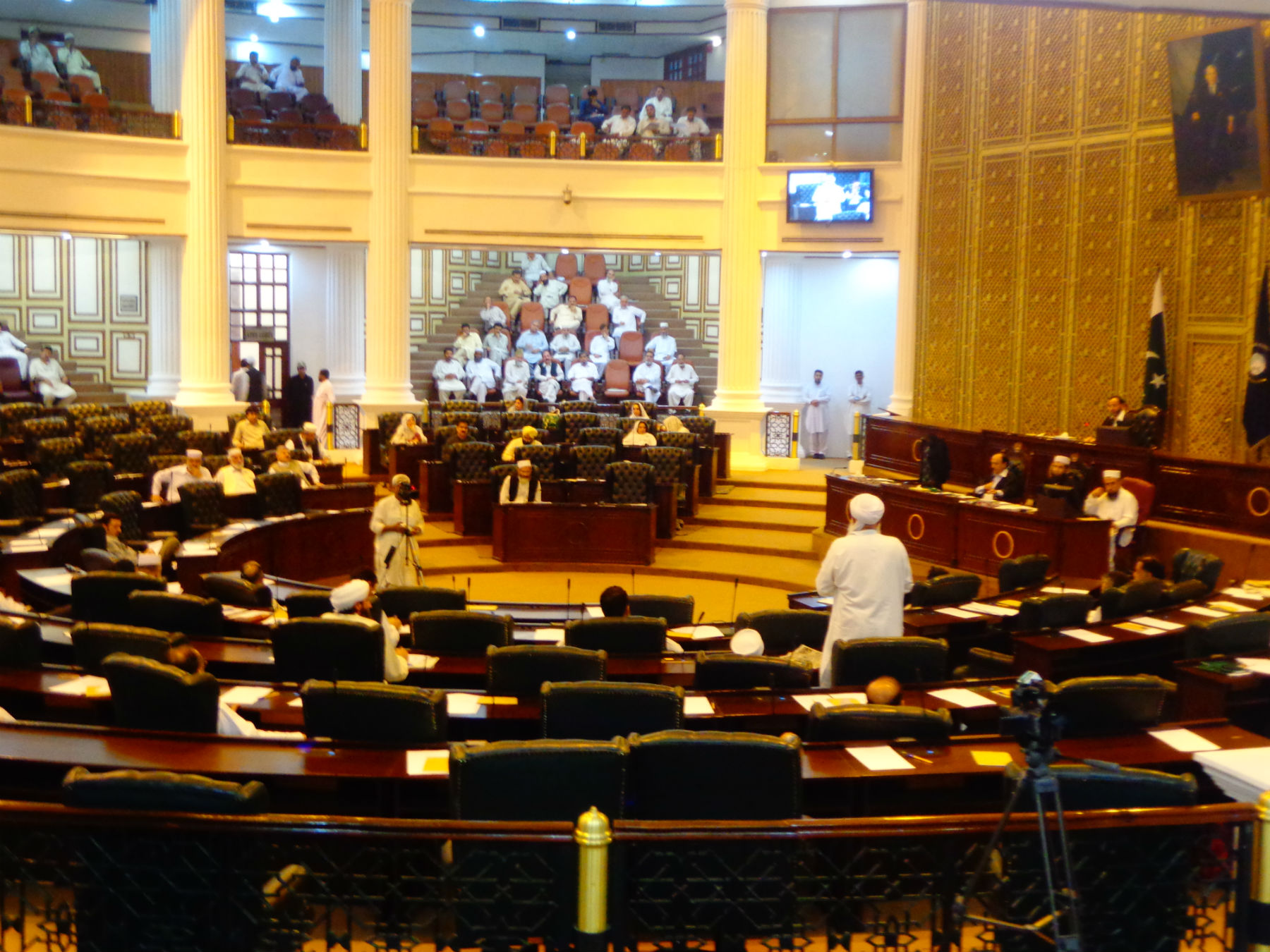
Pakistan’s National Assembly passed a resolution on the Jammu and Kashmir dispute on Tuesday, 27 October, unanimously, Radio Pakistan reported from the day’s sitting in Islamabad. Federal Minister for Kashmir Affairs Engineer Amir Muqam and Rana Muhammad Qasim Noon, who chairs the parliamentary committee on Kashmir, jointly tabled the text.
The resolution states that lasting peace, security and stability in South Asia remain contingent on a just, peaceful and lasting resolution of the dispute in accordance with the relevant United Nations Security Council resolutions and the aspirations of the Kashmiri people. It calls on the international community, and on the United Nations in particular, to meet its responsibilities towards the people of Jammu and Kashmir, to take meaningful steps towards implementing the relevant Security Council resolutions, and to hold India accountable for what it describes as grave human-rights violations in Indian Illegally Occupied Jammu and Kashmir.
It rejects India’s actions of 5 August 2019 and the measures that followed, which the text says altered the internationally recognised disputed status and demographic character of the territory. It asks India to end the violations, to stop measures that change the demographic character, to end what it calls the incarceration of the legitimate Kashmiri leadership and to allow access for international human-rights organisations and independent observers. It also asks the government to continue pressing the dispute at the United Nations, the OIC and other international forums, and to advocate the Kashmiri right to self-determination.
Dawn reported that the resolution lists the violations it condemns: extrajudicial killings, arbitrary arrests and detentions, enforced disappearances, custodial torture and restrictions on fundamental freedoms. The House also expressed concern about the continued incarceration of Kashmiri political leaders and activists, and said that neither the passage of time, nor repression, nor unilateral actions could extinguish the legitimate aspirations of the Kashmiri people.
What Zardari, Shehbaz and Dar said
President Asif Ali Zardari, in a Black Day message, called on the international community, particularly the United Nations and international human-rights organisations, to take due cognisance of the human-rights situation in the occupied territory, The Express Tribune reported. He said the day was not merely one of remembrance, and that “the day is not far off when the people of Jammu and Kashmir will be able to determine their own future”. Describing eight decades of conflict and restrictions, he said continuing restrictions on fundamental freedoms, heightened militarisation, arrests and reports of human-rights violations remained a matter of serious concern.
Prime Minister Shehbaz Sharif’s message, issued through the Prime Minister’s Office media wing on Monday and reported by The News on Tuesday, said that lasting peace and stability in South Asia could not be achieved without a just and peaceful resolution of the dispute. He said the prolonged incarceration of Kashmiri political leaders, activists and human-rights defenders remained deeply concerning, and that Pakistan has consistently called for India’s unilateral measures of August 2019 to be addressed in accordance with international law and the applicable Security Council resolutions.
Deputy Prime Minister and Foreign Minister Ishaq Dar, who addressed a rally in Islamabad that started at the Foreign Office and walked Constitution Avenue to D-Chowk, said the dispute could not be resolved through unilateral action or the use of force, Dawn reported. Radio Pakistan said that Dar told the crowd Pakistan has raised the dispute at the United Nations and the OIC and that this is Pakistan’s responsibility. The convener of the All Parties Hurriyat Conference, Ghulam Muhammad Safi, told the rally that Indian atrocities cannot suppress the Kashmiri struggle for self-determination. First Lady Bibi Asifa Bhutto Zardari, in a separate message, pressed the case for Kashmiri women and children and said every child has the right to education, healthcare and a future free from fear, APP reported.
What happened on the ground
Black Day marks the 79th anniversary of Indian troops’ arrival in Srinagar on 27 October 1947, The Express Tribune noted. In Sindh, the provincial government said on Monday that Black Day would be marked with a minute’s silence at Quaid-e-Azam Muhammad Ali Jinnah’s mausoleum, a rally from Peoples Chowrangi to the mausoleum led by provincial ministers Nasir Hussain Shah and Syed Ali, rallies at every district headquarters, and debates in schools, colleges and universities, The News reported.
In Azad Jammu and Kashmir, protest rallies and seminars were planned at all district and tehsil headquarters, led by deputy commissioners, with the AJK prime minister, Iftikhar Gilani, to lead a rally in Muzaffarabad, Radio Pakistan reported. The same report said the All Parties Hurriyat Conference, in a statement issued in Srinagar, had urged Kashmiris on both sides of the Line of Control and around the world to observe the day and appealed for a complete shutdown in the occupied territory.
Why the resolution matters
Pakistan’s stated position is that the final disposition of the dispute rests with the relevant Security Council resolutions and the freely expressed will of the Kashmiri people, the formula the resolution passed on Tuesday repeats. The vote puts that position on the parliamentary record again and asks the United Nations to act on it. It also lands in the same week in which Pakistan’s delegation to the General Assembly argued for reforms to the Council itself, having warned against adding permanent members and extending veto privileges, as KhabarWire reported on 27 October.
The language matters for another reason. Pakistan’s advocacy of Kashmir at the United Nations and the OIC has produced statements but little movement on the ground, and a resolution that names India as the party to be held accountable is a formal step away from the language of solidarity alone.
KhabarWire has reported each of this year’s earlier observances separately, including the February Kashmir Solidarity Day and the July Kashmir Martyrs’ Day messages, and the September right-of-reply exchange between Pakistan and India at the General Assembly, in which Islamabad answered India’s warning about cross-border terrorism with its own charge sheet on Kashmir and the Indus waters. Pakistan has also twice faced Indian claims about events in the occupied territory this month, first rejecting India’s account of a militant killed in Budgam and then pressing the case for Kashmir again at the Security Council debate in May. The Kashmir dispute hub brings that reporting trail together.
What is still uncertain
A parliamentary resolution is a statement of position. It sets no deadline, creates no mechanism and binds no one, and the text published by the state broadcaster does not say what the government would do if the United Nations does not act. It also names no new diplomatic step beyond continuing existing work at the United Nations and the OIC, and it does not say whether the resolution will be tabled in either forum or when the foreign minister will next raise the issue in a formal session.
The Hurriyat leadership’s appeal for a complete shutdown in the occupied territory is a separate call, made in a statement rather than by any Pakistani authority, and whether it is followed, and with what effect on the Azad Jammu and Kashmir side of the Line of Control, is not established. No official count was published for the Islamabad rally or for the AJK demonstrations, and no government or assembly record has yet set out which departments will be tasked with carrying out the resolution’s call on diplomatic work.