What happened
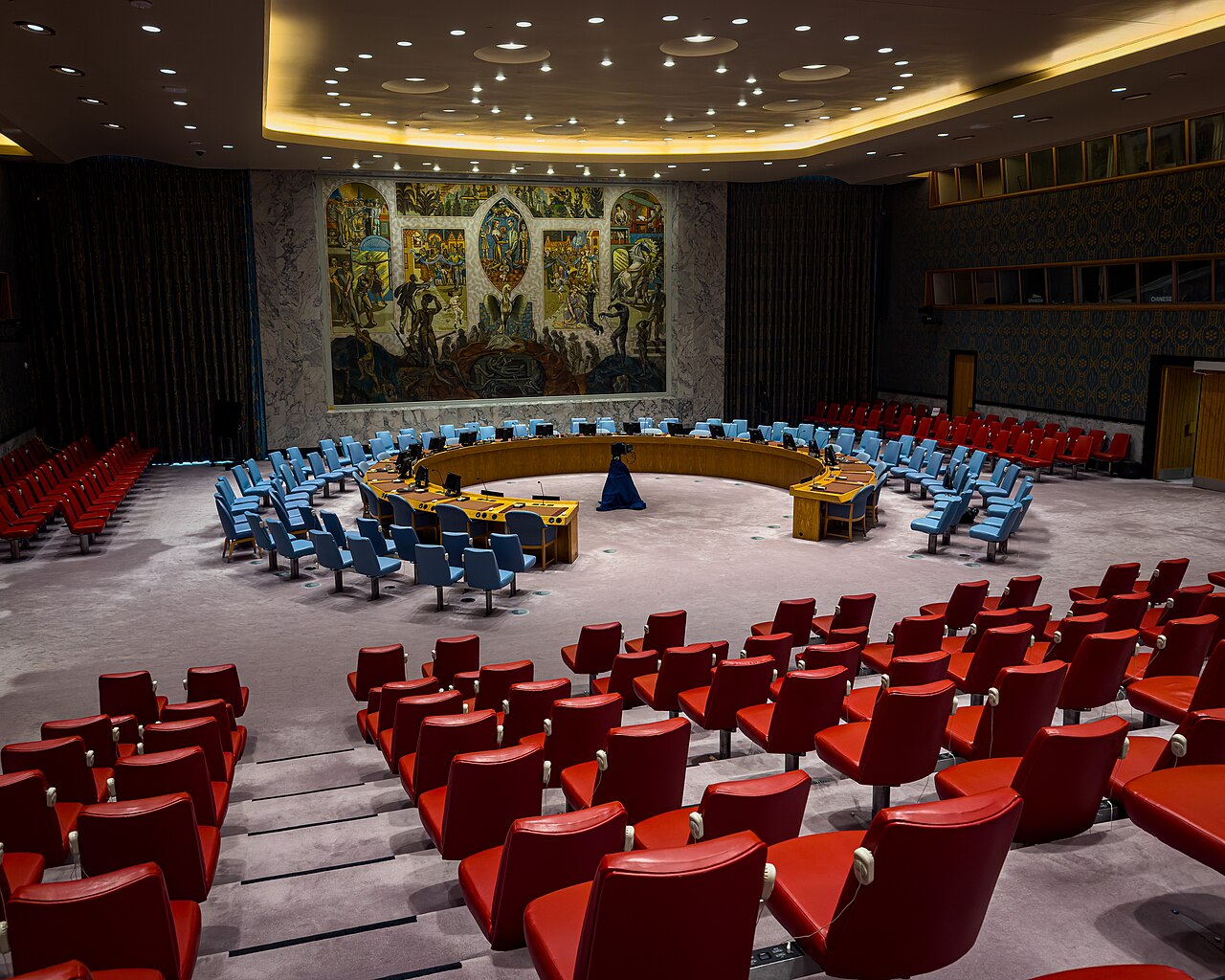
Pakistan and India traded accusations during a United Nations Security Council debate on the protection of civilians, with Pakistan’s representative accusing India of exporting terrorism and weaponising water, according to reporting on 21 May 2026.
Pakistan’s envoy, Saima Saleem, responded to remarks by India’s Permanent Representative to the UN, Harish Parvathaneni, who had accused Pakistan of ignoring international humanitarian obligations, targeting civilians and holding a “long-tainted record of genocidal acts”, according to Dawn, which cited the Times of India.
Saleem said India “once again came to this council wearing the mask of a victim — but the world can see the face behind that mask”.
It was, she said, “the face of a state that exports terrorism abroad, occupies people by force, persecutes minorities at home, weaponises water, commits aggression in the region, and then tries to lecture others on the protection of civilians”.
Pakistan’s accusations
Saleem said India’s state-sponsorship of terrorism against Pakistan was not abstract and had a human cost. She named the banned Tehreek-i-Taliban Pakistan, the Balochistan Liberation Army and the Majeed Brigade, saying their attacks had killed thousands of civilians in mosques, markets, schools and streets through networks she said were financed and operated from Afghan soil.
On Afghanistan, she said Pakistan had carried out “precise, deliberate and professional counter-terrorism operations” against militant hideouts, training camps, ammunition storage sites and support networks. She described allegations by the Afghan Taliban government and “their Indian patrons” as a disinformation campaign.
Saleem also said India “could neither conceal nor deny its occupation of Kashmir”, where she said civilians were killed, detained and silenced, and an entire people denied the right to self-determination.
Why it matters
The exchange came as Pakistan presses its case on Kashmir and the Indus Waters Treaty at international forums. Saleem cited India’s decision to hold the Indus Waters Treaty in abeyance, saying a state that “threatens the water, food security and livelihoods of millions of Pakistanis cannot certainly speak of civilian protection”.
She concluded that Pakistan “stands for peace, dialogue, peaceful settlement of disputes and adherence to international law”, while India “stands exposed by terrorism, occupation, aggression, repression and disregard for international law”.
What remains uncertain
The accounts of both envoys’ remarks are drawn from the reported proceedings and are contested by the two governments. The claims made by each side could not be independently verified.
Sources & reporting notes
This is a summary of published reporting, not independent reporting. Quotations are as carried by the cited outlet. Sources reviewed on 2026-05-21.
- Dawn — "Pakistan responds to India at UNSC debate, says it stands exposed by terrorism and disregard for international law"21 May 2026 · Reports the Security Council debate on the protection of civilians and the exchange between the Pakistani and Indian envoys.