Reporting snapshot · 18 October 2026 (Asia/Karachi). Pakistan's Finance Minister Muhammad Aurangzeb told Agence France-Presse in Bangkok on Saturday that Pakistan had withstood the first-order energy shock from the US-Israel war on Iran, but that attacks on energy infrastructure in Saudi Arabia and other Gulf countries were "worrying" for the country's longer-term economic outlook. The interview was conducted at the IMF–World Bank Group annual meetings in Bangkok. This article draws on the AFP wire carried by Geo News, Saturday's Express Tribune read-out of the finance ministry's post on the same set of bilateral meetings, and KhabarWire's prior coverage of the IMF programme. Bilateral engagements beyond the AFP interview are drawn from the finance ministry post only.
What the finance minister said
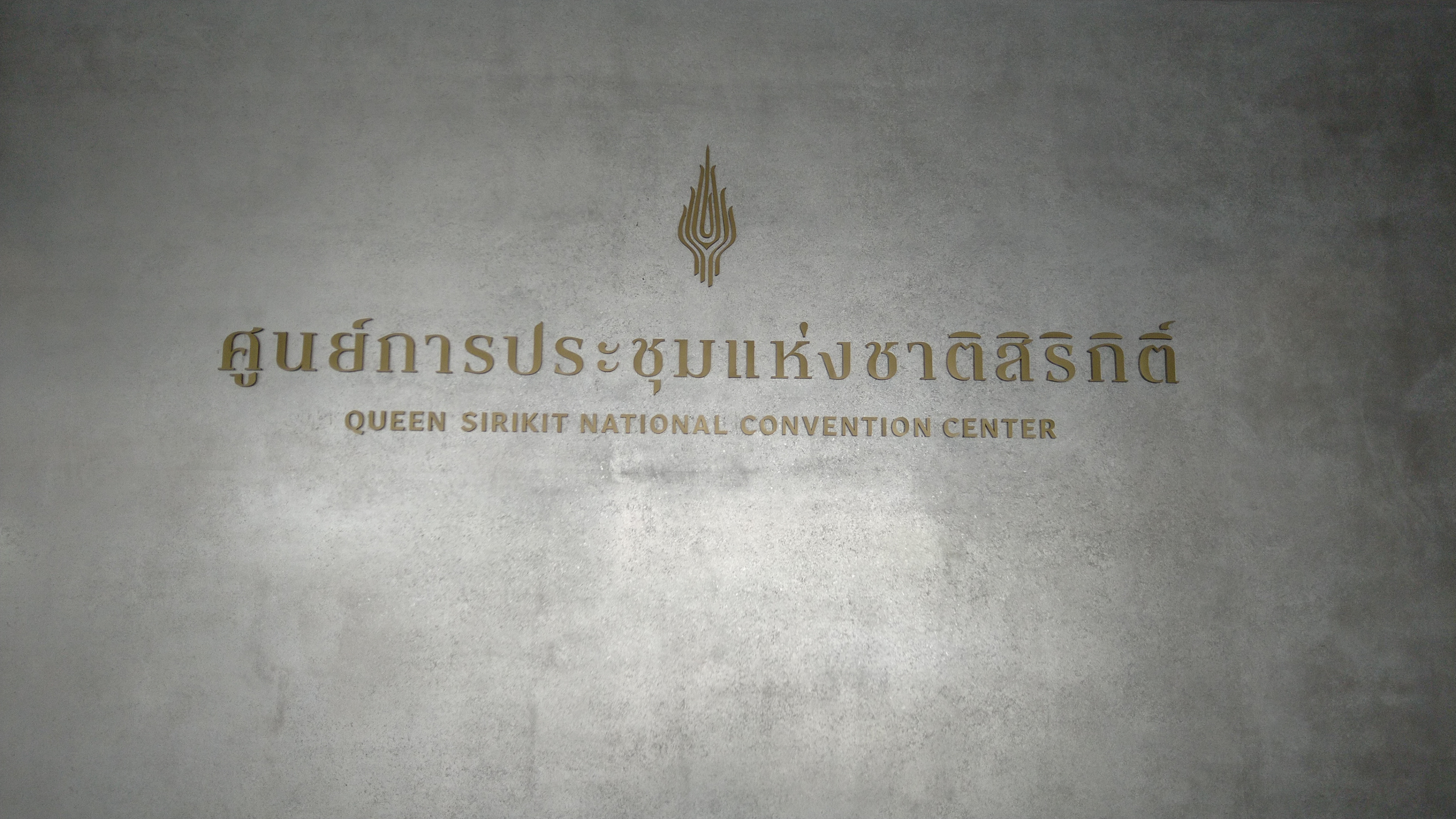
In an interview with AFP at the Queen Sirikit National Convention Center, Aurangzeb said the country had procured enough energy supplies to last through November and was now planning for the winter months, Geo News reported on Saturday, citing the AFP wire.
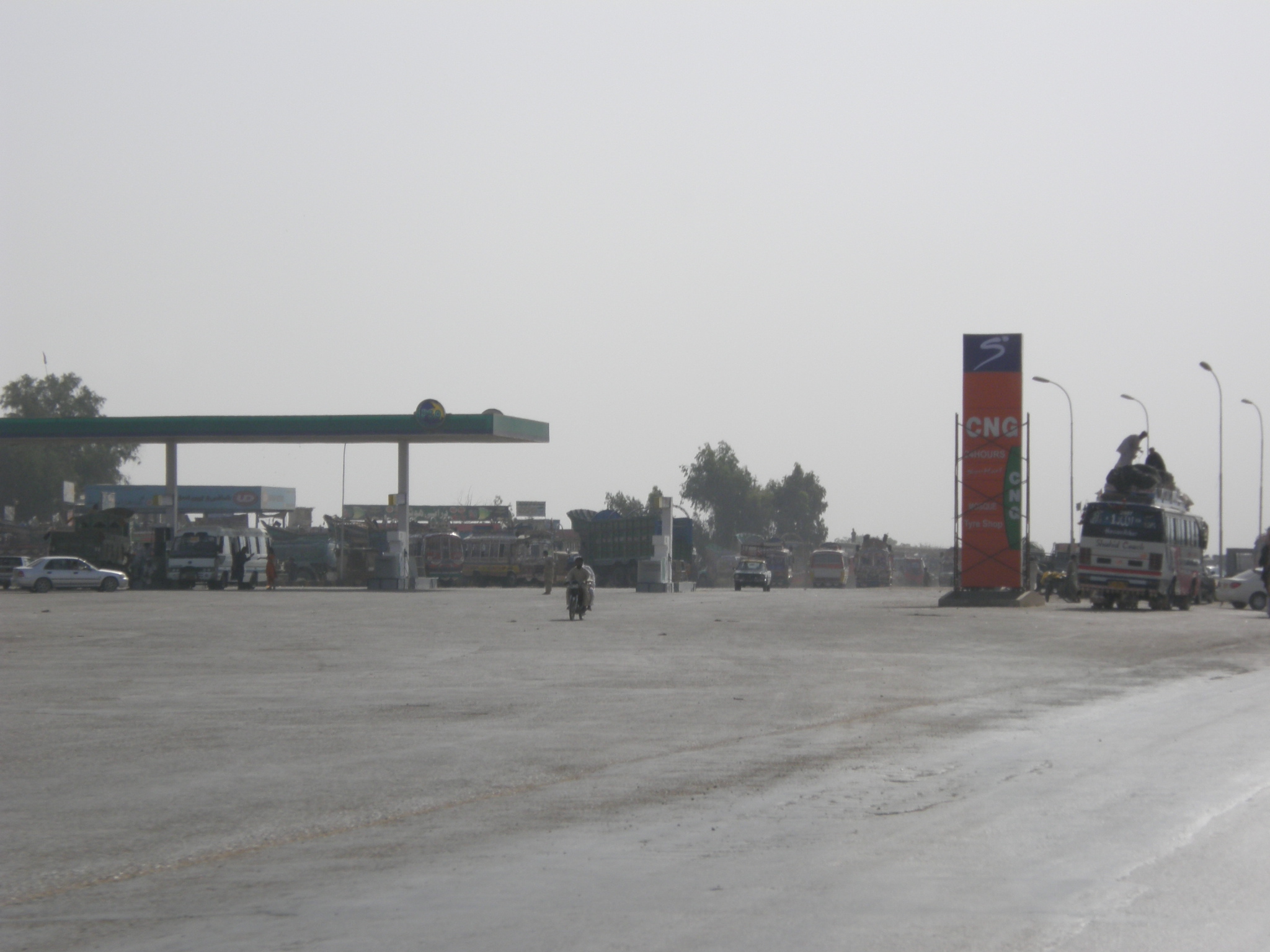
“The first-order impact has been negotiated well by Pakistan,” Aurangzeb said. “We’ve had no shortage, no queues at the gas stations, and no law and order situation, which at times we have seen in some of the countries.”
He said Pakistan would not be procuring spot cargoes on the liquefied natural gas (LNG) front unless the government saw “an absolute dire need”, because spot shipments are far more expensive than previously contracted cargoes, the same AFP account carried by Geo News reported.
The finance ministry’s separate Saturday post on the same set of meetings added that the procurement effort covered energy supplies to “last through November” alongside “adequate fertiliser supplies to safeguard food security”, the Express Tribune reported on Saturday.
Why Gulf infrastructure hits worry Pakistan
Since the United States and Israel launched the war on Iran in February, global energy prices have surged as Tehran’s retaliatory action has targeted Washington’s Gulf allies and curtailed oil and gas supplies. With Yemen’s civil war flaring back to life as well, the Houthis have repeatedly attacked Saudi infrastructure, including energy facilities and airports, in recent days, the AFP report published by Geo News said.
Aurangzeb expressed alarm at the escalation: “What is now the worrying part of it is when the energy infrastructure starts getting hit. I don’t know where that would go. But one thing is very clear: that if the infrastructure continues to get hit, the return to normalcy, even if things subside, will take longer.”
Pakistan depends on supplies through the Strait of Hormuz for the bulk of its crude oil and LNG imports, leaving it directly exposed to Gulf disruption, as KhabarWire has tracked separately in the broader Pakistan-led Hormuz mediation context.
IMF programme, fiscal path and reform pushback
The finance minister used the interview to position Pakistan’s macroeconomic programme as already aligned with the IMF’s call at this year’s annual meetings for fiscal consolidation in vulnerable economies. Pakistan is on its 25th programme with the Fund since independence, with at least 11 outright bailouts. The current programme totals around $7 billion over three years, with the Fund reaching an agreement this month to release a $1.2 billion tranche, the Express Tribune reported on Saturday, citing the finance ministry post.
“Fortunately for us, we have been on this fiscal consolidation path for a while,” Aurangzeb told AFP, Geo News reported.
The same Bangkok trip landed Pakistan the 2027 chair of the IMF and World Bank boards of governors — the first such chairmanship since 1953 — KhabarWire reported on 16 October. The SBP governor’s pitch at the same venue showed reserves rebuilt to $21.5 billion without new debt, KhabarWire reported on 18 October. The IMF managing director had already warned on 7 October that the energy shock, record debt and the AI boom together threatened global growth, KhabarWire reported from the curtain-raiser.
Reforms, taxes and military-run commercial enterprises
Aurangzeb told AFP that Pakistan’s tax revenues had grown significantly in recent years and that the government was targeting the theft of taxes by private-sector businesses that collected sales tax from consumers but never deposited it in government accounts — a class of theft he said accounted for billions of dollars, Geo News reported, citing AFP.
“Every reform, everything that you try to do when you try to change the status quo, there is pushback,” he said.
Asked about military-run commercial enterprises — a politically sensitive IMF programme criterion in Pakistan — Aurangzeb denied that they received state funding. “As far as we are concerned, whichever commercial enterprises the military are running, they are running on a standalone basis and profitable on their own basis. So, I can confirm to you, we are not providing any funds from the exchequer,” Geo News reported, citing AFP.
Pakistan’s military has directly ruled the country for roughly two-fifths of its history. Under current Army Chief Field Marshal Asim Munir it has “tightened its grip over key pillars of power, even as a civilian government remains nominally in charge of the state”, AFP said in the Geo News report.
Saturday’s broader read-out from the finance ministry
The Express Tribune’s read-out of the same set of meetings on Saturday detailed a meeting with UNDP Administrator Alexander De Croo on development financing, climate resilience and the UNDP Implementation Bridge, alongside debt-for-nature and debt-for-climate swaps; meetings with Sharjah Islamic Bank, Abu Dhabi Commercial Bank, Ajman Bank and JP Morgan on prospective Sukuk, rupee-denominated dollar-settled instruments and possible Eurobond tokenisation, with emphasis on extending maturities; and a meeting with Jihad Azour, the IMF’s Middle East and Central Asia director, on revenue mobilisation, the current account, energy procurement and export-oriented growth. The same set of meetings produced a separate engagement on small industry, with the ECC approving a Rs2 billion release for the SMEDA revamping plan, the Express Tribune reported on Saturday.
What is still uncertain
Several parts of the Saturday read-out remain to be independently confirmed beyond the AFP wire and the finance ministry post. Reuters, Bloomberg and Dawn did not separately publish their own accounts of the bilateral engagements in the Saturday window; the SBP reserves reconstruction to $21.5 billion has been confirmed by KhabarWire on 18 October, and the IMF–World Bank 2027 board chairmanship was confirmed on 16 October.
Aurangzeb told AFP that Pakistan would not be procuring spot LNG cargoes “unless we see an absolute dire need”, a higher bar than contracted cargoes. The first LNG shipment of October already reached Pakistan on 14 October amid gas supply concerns, Geo News reported, and Pakistan’s approval of a 15-year, $3 billion deferred oil facility from Saudi Arabia on 14 October is the other near-term cushion, KhabarWire reported.
Sources & reporting notes
This is a synthesis of the Agence France-Presse wire carried by Geo News, the Express Tribune's read-out of the same finance ministry post, and the SBP, IMF, World Bank and finance ministry accounts already published on KhabarWire. Sources were reviewed on 18 October 2026 (Asia/Karachi).
- Geo News — "Attacks on Gulf energy infrastructure 'worrying' for outlook, says finance czar"17 October 2026 · The AFP wire story on Aurangzeb's Saturday interview in Bangkok: the "negotiated well" formulation, the procurement-through-November line, the "no queues at gas stations" line and the "absolute dire need" spot LNG caveat.
- Express Tribune — "No gas queues, no shortage: FinMin"18 October 2026 · The Tribune's read-out of the finance ministry post on the same Bangkok trip: the UNDP and bilateral bank meetings, the $1.2 billion tranche, the SBP forward-liabilities figure and the IMF's Jihad Azour meeting.
- State Bank of Pakistan press releases17–18 October 2026 · The SBP's Bangkok investor meetings pitch and the $21.5 billion reserves figure cited in the related KhabarWire article on 18 October.
- IMF — Kristalina Georgieva curtain-raiser for the 2026 annual meetings7 October 2026 · The IMF managing director's framing of the energy shock as one of three forces bearing on the world economy in the same 2026 set of meetings.
- KhabarWire — "Pakistan to chair IMF and World Bank boards in 2027"16 October 2026 · The first Pakistani chairmanship of the two boards since 1953; the chairmanship was confirmed at the same Bangkok venue.