Reporting snapshot · 7 October 2026 (Asia/Karachi). International Monetary Fund (IMF) Managing Director Kristalina Georgieva delivered the fund's 2026 Annual Meetings Curtain Raiser in Singapore on 7 October, a week before the IMF and World Bank annual meetings open in Bangkok. This account draws on the IMF's own event notice and on reporting by The Guardian and The Express Tribune. Quotations are as published by those outlets; the full IMF speech transcript had not been posted when this snapshot was written, so the figures below should be read as the fund's stated positions rather than a final published dataset.
What the IMF chief said
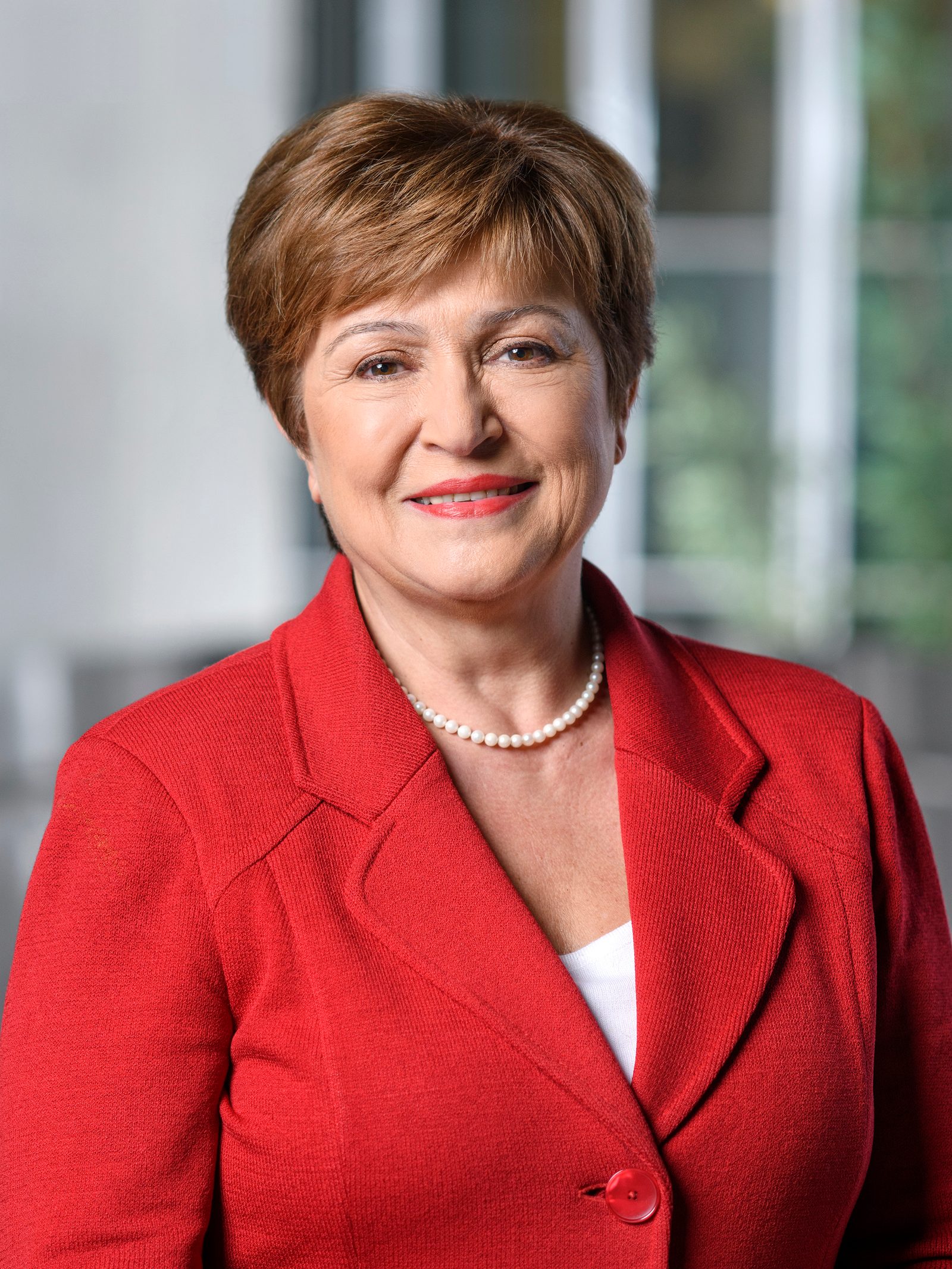
IMF Managing Director Kristalina Georgieva used the fund’s traditional pre-meetings address to argue that the world economy is being pulled in two directions at once: a negative supply shock from energy, produced by the war in the Middle East, and a positive demand and investment boom from artificial intelligence that is itself adding to inflation. “The combined impact of these two forces is highly uneven across the world,” she said, according to The Guardian’s live coverage, which noted that the AI boom is bypassing many countries.
The speech was delivered in Singapore and framed the agenda for the annual meetings that open in Bangkok next week, where the fund’s 191 member countries will discuss debt, energy and growth. The Express Tribune reported that Georgieva described the world economy as navigating three crosscurrents: the rapid arrival of AI, persistently high energy prices and record levels of public debt.
The IMF’s own notice confirms the 7 October date, lists Georgieva as the speaker and records that Singapore’s president, Tharman Shanmugaratnam, took part in a fireside chat. It does not, at the time of writing, carry the speech text.
The two shocks pulling the economy apart
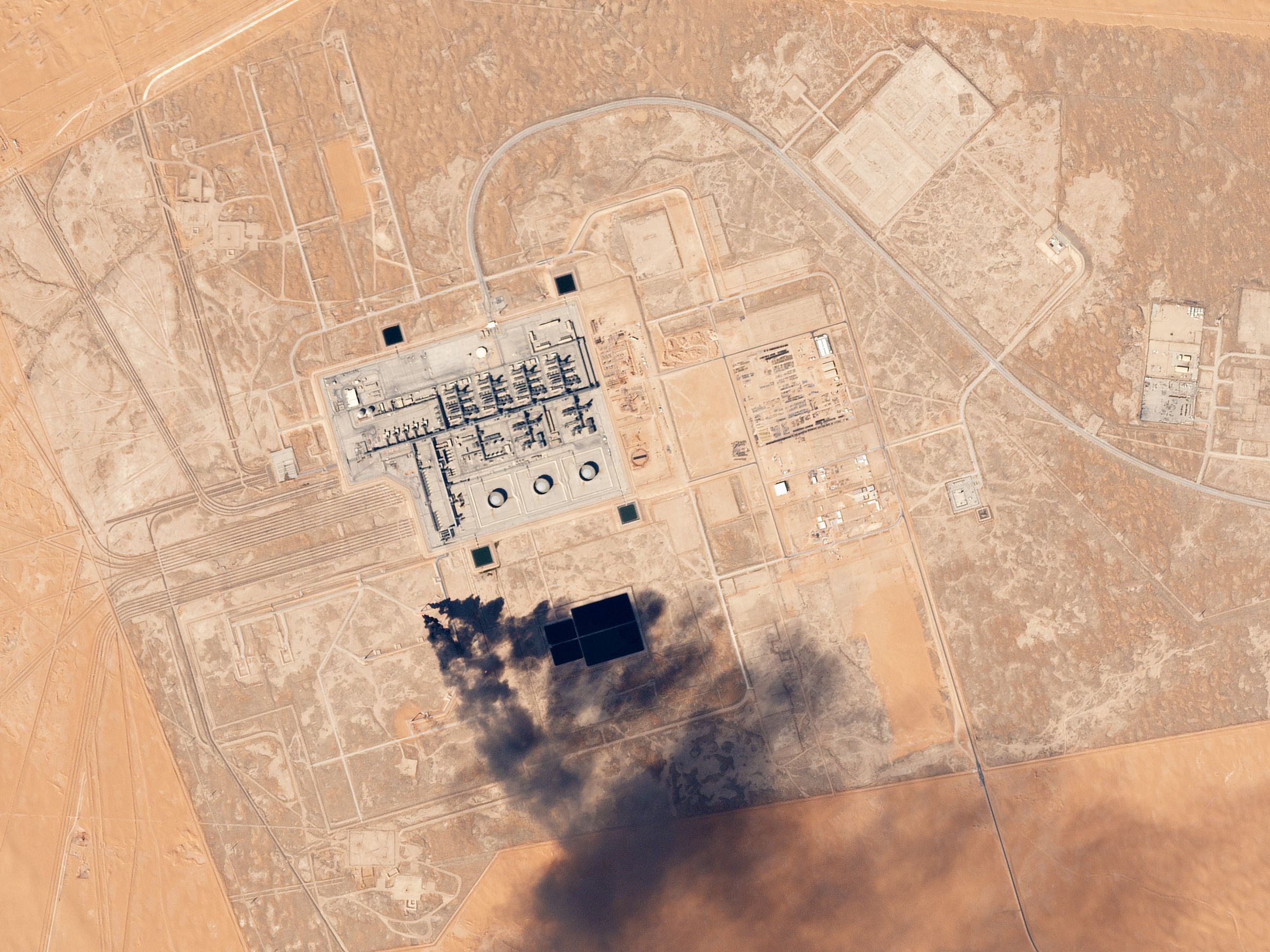
On energy, Georgieva said oil remained around $100 a barrel because of transport costs and other risks, with natural-gas supply from the Gulf still severely impaired by threats to shipping through the Strait of Hormuz. The Guardian’s coverage put Brent crude above $101 a barrel on the day of the speech and US crude near $90, with investors weighing a storm heading for North American production against Houthi attacks on Saudi Arabia and higher Middle East supply.
On technology, Georgieva said AI investment as a share of GDP is likely to exceed the build-outs of railways, electricity grids or telecommunications. She warned that market disappointment could turn into a “far-reaching shock” if AI companies fail to deliver the productivity and profits needed to justify their valuations. She added, however, that if managed well, AI could add about half a percentage point to global growth a year, an estimate the fund attributes to its own research. The Express Tribune reported her saying that AI hardware and related products now account for more than 10 per cent of world goods trade.
Both forces push inflation in the same direction even though they pull demand in opposite directions. Georgieva listed the AI investment boom, energy and food price shocks, trade tariffs, higher defence spending and higher debt-service costs among the pressures keeping inflation above target.
Why debt is at the centre of the warning
Georgieva’s sharpest language was reserved for public borrowing. She said public debt is at its highest level since the Second World War and is forecast to exceed 100 per cent of global gross domestic product before 2030. Governments, she argued, can no longer rely on faster growth alone to repair their finances.
She singled out advanced economies, led by the United States, as the “worst offenders”, with debt-to-GDP ratios higher than those in emerging and low-income countries. “We cannot keep delaying necessary policy action,” she said, calling for credible medium-term fiscal consolidation plans, supported in some cases by upfront measures that would take pressure off monetary policy.
The monetary implication was direct. After five and a half years of above-target inflation, Georgieva said “now may be a good time for a prudently hawkish bias in many countries’ monetary policy”, describing recent interest-rate increases by the US Federal Reserve, the European Central Bank and the Bank of Japan as “highly appropriate”. That is a notable signal for emerging economies that borrow in dollars and import energy in dollars.
Why it matters for Pakistan
Pakistan is not named in the curtain-raiser, but it sits inside the frame. The country is in the middle of the fourth review of its $7 billion Extended Fund Facility and the third review of its $1.4 billion Resilience and Sustainability Facility. Those talks had run into disagreement over a fuel-compensation scheme and the proposed write-off of about Rs1.4 trillion in gas-sector receivables, as KhabarWire reported on 2 October. A staff-level agreement had been expected this week, which would put Pakistan’s programme alongside the debt and energy questions the fund will debate in Bangkok.
Higher crude prices raise the cost of Pakistan’s oil imports, and the pass-through shows up with a lag in inflation, the trade balance and the external-account position. That is an inference from the price level Georgieva cited, not a Pakistan-specific forecast the fund published on 7 October. A more hawkish global interest-rate environment also matters for a country that depends on dollar financing and on remittances from the Gulf, where the shipping and energy disruption is concentrated. The annual meetings follow the World Bank’s October regional update, which put about 48 per cent of the Middle East, North Africa, Afghanistan and Pakistan region’s $3-a-day poor in Pakistan, a finding KhabarWire covered on 7 October.
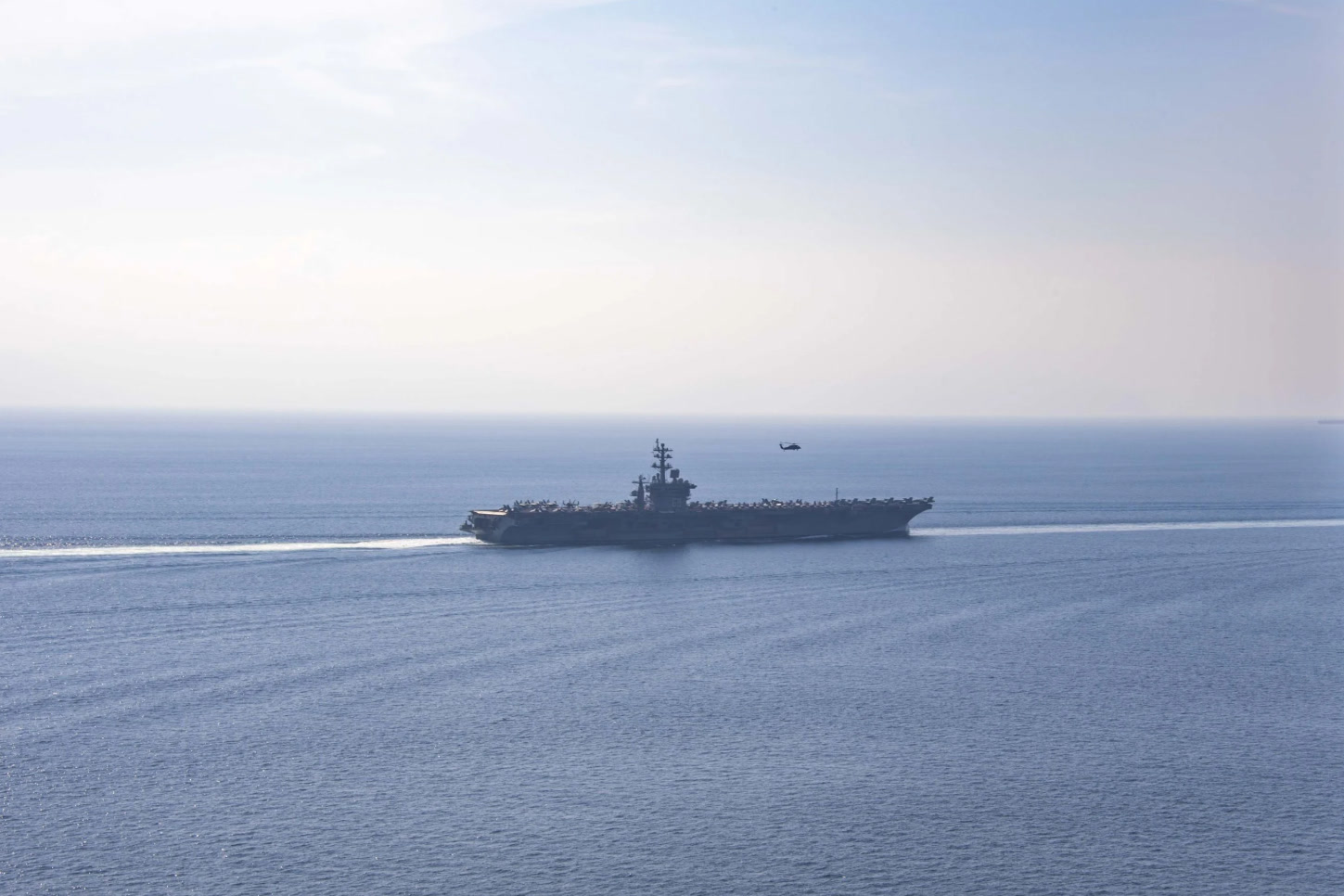
The strain on the Strait of Hormuz is not abstract for Pakistan. Iran has conditioned the waterway’s reopening on seven demands linked to the June Islamabad Memorandum of Understanding, the standoff KhabarWire described on 4 October. The longer the strait stays disrupted, the longer the energy price floor Georgieva described is likely to hold.
What is still uncertain
Several things are unresolved. The IMF had not published the full speech text or the accompanying research when this snapshot was written, so the precise formulation of the half-a-percentage-point AI estimate and the debt forecast could be refined. Whether AI delivers that growth dividend — or a market shock — is genuinely contested, as Georgieva herself acknowledged.
Nor is it clear that advanced economies will take the fiscal action she urged. The annual meetings are a venue for discussion, not a decision-making body, and her call for consolidation is a recommendation rather than a commitment by member states.
For Pakistan, the open questions are the ones already in play: whether the current review concludes with a staff-level agreement, how the fuel-subsidy and gas-receivables disputes are settled, and how far a sustained oil price above $100 is absorbed through the budget rather than passed to consumers. None of those was answered on 7 October.
Sources & reporting notes
This is a synthesis of published material, not eyewitness reporting. Sources were reviewed on 7 October 2026.
- International Monetary Fund — 2026 Annual Meetings Curtain Raiser7 October 2026 · Primary record: the fund's notice for the 7 October speech in Singapore, naming Kristalina Georgieva and Singapore President Tharman Shanmugaratnam.
- The Guardian — IMF chief warns energy shock, public debt and AI boom threaten global growth7 October 2026 · Independent coverage of the speech, including the energy and AI framing, the debt-above-100%-of-GDP forecast, the "prudently hawkish" rate guidance and the Brent price level.
- The Express Tribune — IMF chief warns global economy faces energy shocks, AI demand7 October 2026 · Second independent account of the three crosscurrents, the 10%-of-world-goods-trade AI figure and the fiscal-consolidation call.