What happened
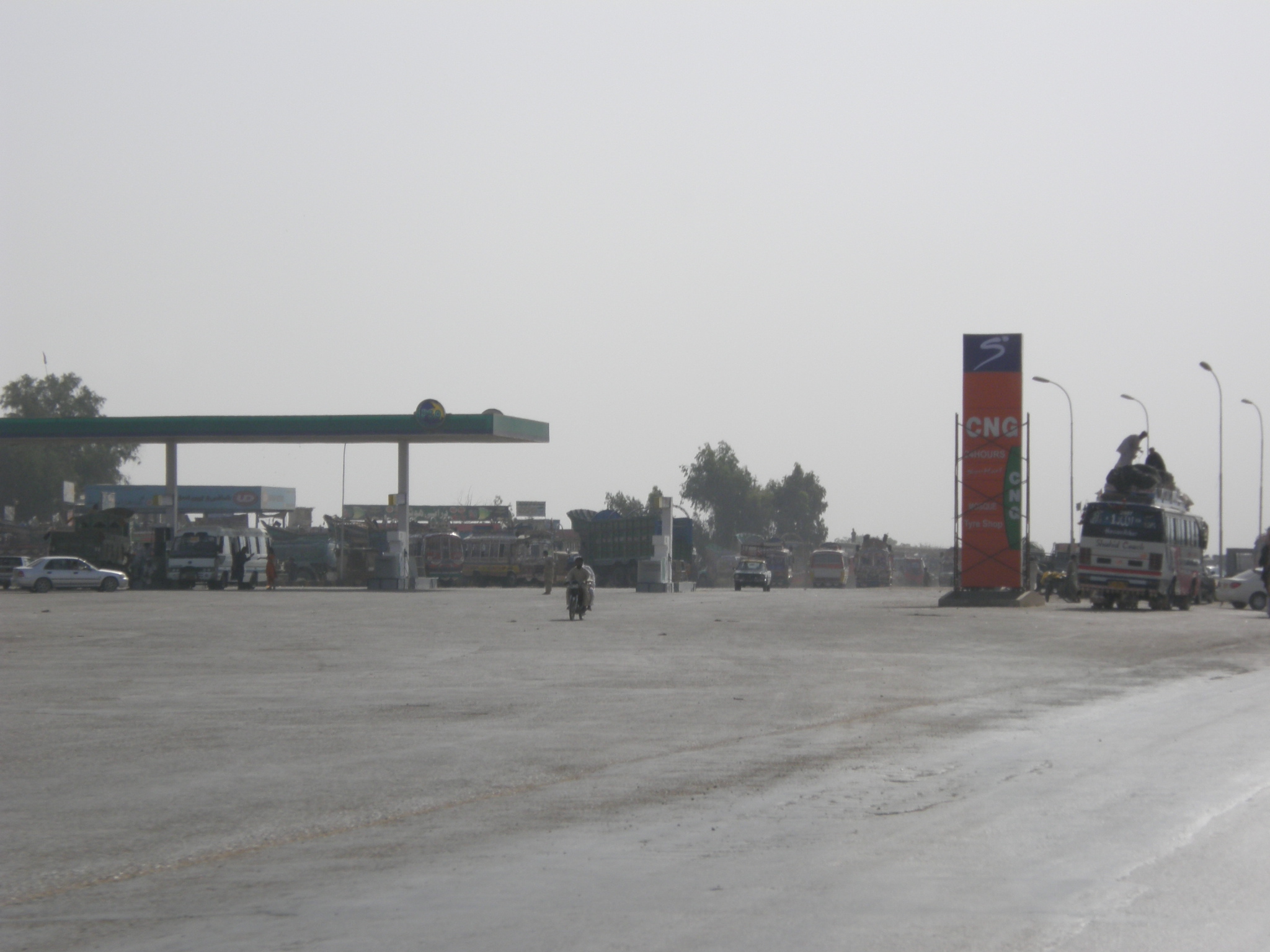
Prime Minister Shehbaz Sharif announced on Friday 13 March 2026 that petroleum prices would remain unchanged for the current review, despite a further rise in international oil prices. The Prime Minister’s Office said he had “decided not to increase the prices of petroleum products this time, honouring the promise made to the public despite a further rise in oil prices in the international market.” Petrol remained at Rs321.17 a litre and high-speed diesel at Rs335.86.
The decision came a week after the government raised both prices by a record Rs55 per litre on 7 March, citing the US-Israel war on Iran, and after Islamabad announced a series of austerity measures. The next price review had been scheduled for Sunday 15 March, but ministers indicated on Thursday that it could be brought forward.
Earlier on 13 March, Dawn reported that the government had banned exports of all petroleum products and was considering holding back any immediate increase, planning to draw on a Rs389 billion emergency allocation in the budget to absorb future price shocks. Estimates based on the 12 March pricing formula indicated high-speed diesel could rise another Rs56 per litre and petrol another Rs41; kerosene and light diesel oil could rise by Rs7 and Rs53 a litre respectively.
Why it matters
Pakistan imports more than 95 per cent of its oil, most of it from the Middle East and much of it shipped through the Strait of Hormuz. Dubai-based Middle East pricing stood at about $135 a barrel against $105 for Brent, with imported petrol at $120 and diesel at $168 a barrel, according to Dawn. The freeze shields consumers from the full pass-through at a time of heavy pressure on household budgets, but it also strains the government’s fiscal arithmetic.
The decision and the debate
Highly placed sources told Dawn that at a recent consultative session attended by federal and provincial representatives and Field Marshal Asim Munir, the prime minister said he and the military leadership had jointly decided there would be no further hike in the near future, regardless of developments in the Middle East, and that block emergency allocations would absorb further increases. Cabinet members were divided, with technocrats who deal directly with the International Monetary Fund opposing any change to the pricing buffers currently in place, according to the same report.
The issue surfaced at a meeting of the Senate Standing Committee on Finance. Petroleum Minister Ali Pervez Malik said efforts were under way to manage petroleum prices under the prime minister’s directives, with a final decision after reviewing global prices on Friday. Minister of State for Finance and Railways Bilal Azhar Kiyani said the government would make every effort not to further burden the public. Finance Minister Muhammad Aurangzeb said international oil prices were still on the rise. Both ministers defended the 7 March Rs55 increase, saying it prevented the panic buying and supply disruptions reported in Bangladesh and India.
Supply measures
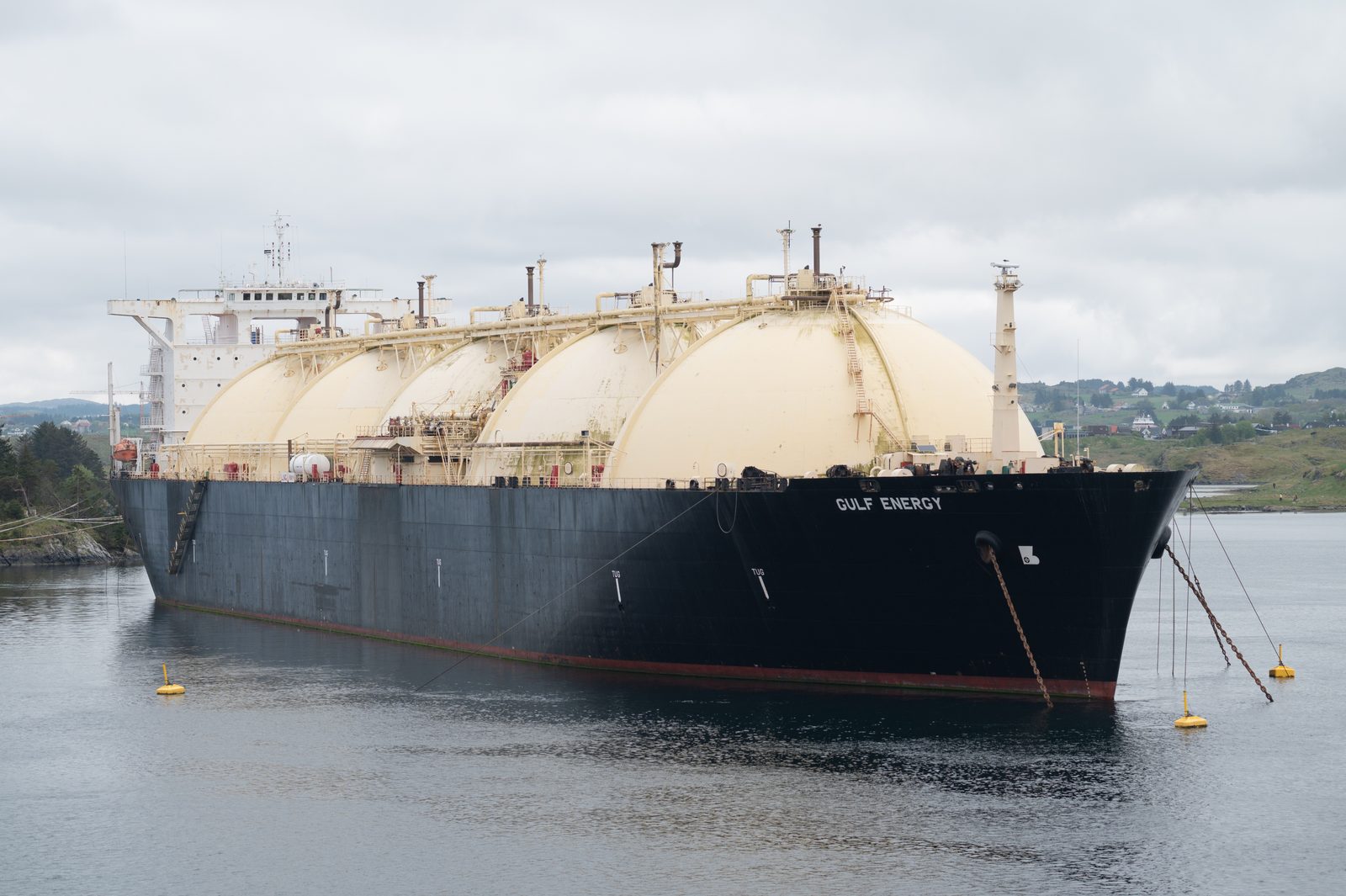
Beyond the price decision, Dawn reported that the government had barred oil refineries from exporting furnace oil and naphtha to build a buffer for power generation, after Qatar suspended liquefied natural gas supplies and declared force majeure following Iranian attacks on its processing facilities. Gas deliveries to fertiliser plants were being curtailed, and rationing could be revived after Eidul Fitr to limit load-shedding and conserve foreign exchange reserves.
Officials said current petrol and diesel stocks were sufficient for about 22 to 23 days, though diesel supplies could come under pressure because imports from alternative sources need more than 20 days of transit. Very large crude carrier rates have jumped about 15-fold and those vessels cannot reach Pakistani ports, so they may anchor in Oman while feeder ships carry crude onward, the report said.
What is still uncertain
How long the freeze can be sustained, and how the Rs389 billion emergency allocation will be deployed, were not specified. Whether the decision affects Pakistan’s talks with the International Monetary Fund — whose staff-level agreement on the third review of the $7 billion Extended Fund Facility slipped on 11 March — also remained open, given the reported opposition of IMF-facing technocrats to drawing down the pricing buffer.
Sources & reporting notes
This is a synthesis of published material, not eyewitness reporting. Sources were reviewed on 13 March 2026.
- Dawn — "Govt to hold fuel prices, despite global spike" (Khaleeq Kiani)Published 13 March 2026 · The petroleum export ban, the Rs389bn emergency allocation, the pricing estimates, the prime minister's consultative session with Field Marshal Asim Munir, the Senate finance committee exchange and the LNG and refinery measures.
- Dawn — "Petroleum prices unchanged as PM promises relief"Published 14 March 2026 · Prime Minister's Office statement confirming the decision not to raise petrol and diesel prices in the current review period.
- Pakistan Today — "No further hike in petrol, diesel prices amid global oil surge: PM"Published 13 March 2026 · Current Rs321.17 petrol and Rs335.86 diesel rates, the PMO and state-media account, and the reference to a consultative session with military leadership.
- ARY News — "New Petrol Price Announced in Pakistan — March 13, 2026"Published 13 March 2026 · Pakistan-based confirmation that petrol remained stable at Rs321.17 per litre and context on the 6 March Rs55 increase and the shift to weekly reviews.