Reporting snapshot · 31 October 2026 (Asia/Karachi). The final is over and Pakistan have won the tri-series, but the series points table with net run rate has not been published, and the Player of the Match award has not been announced. The main limitation is that the figures come from the published scorecard and match reports rather than from a points table that would show how the series standings finished.
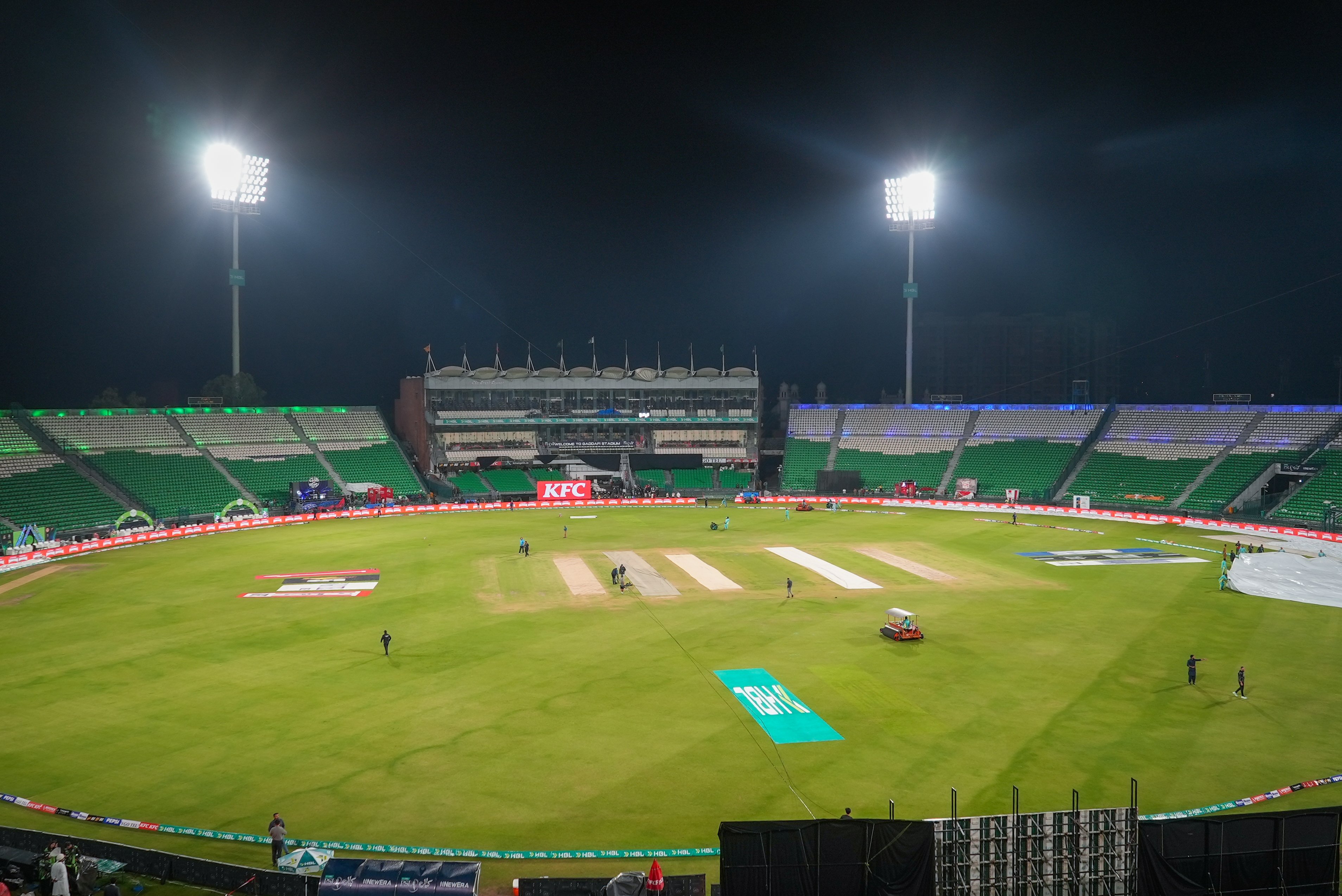
What happened at the Gaddafi Stadium
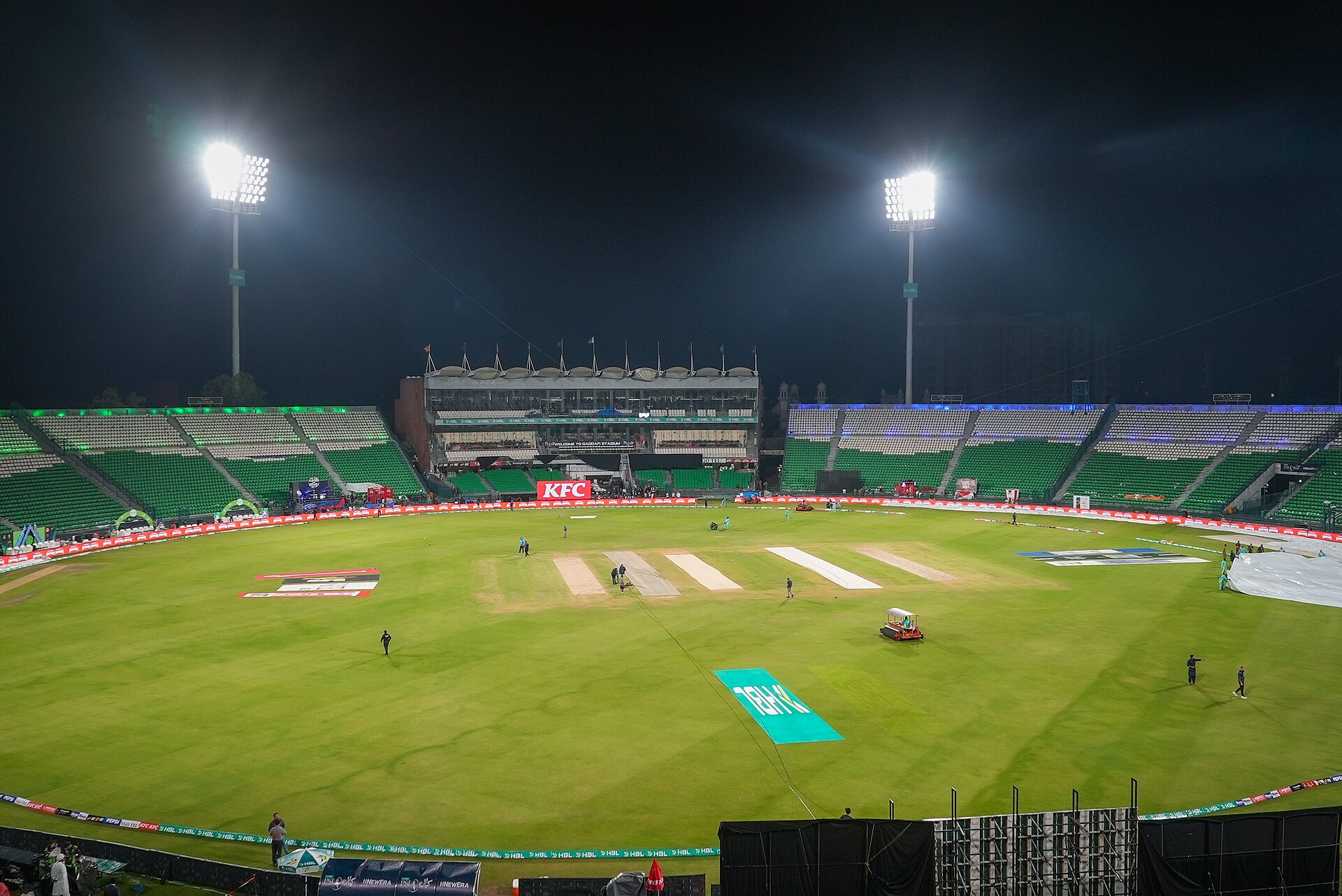
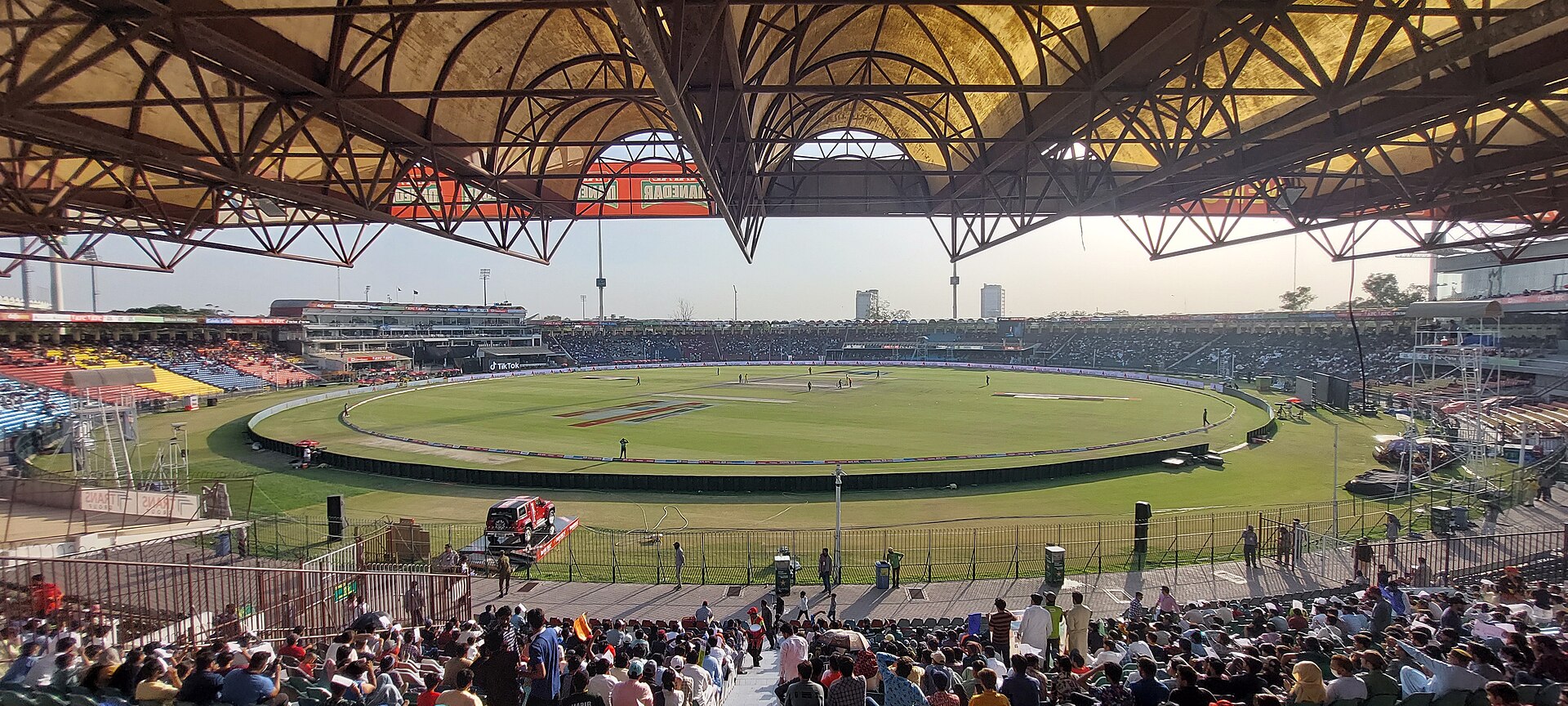
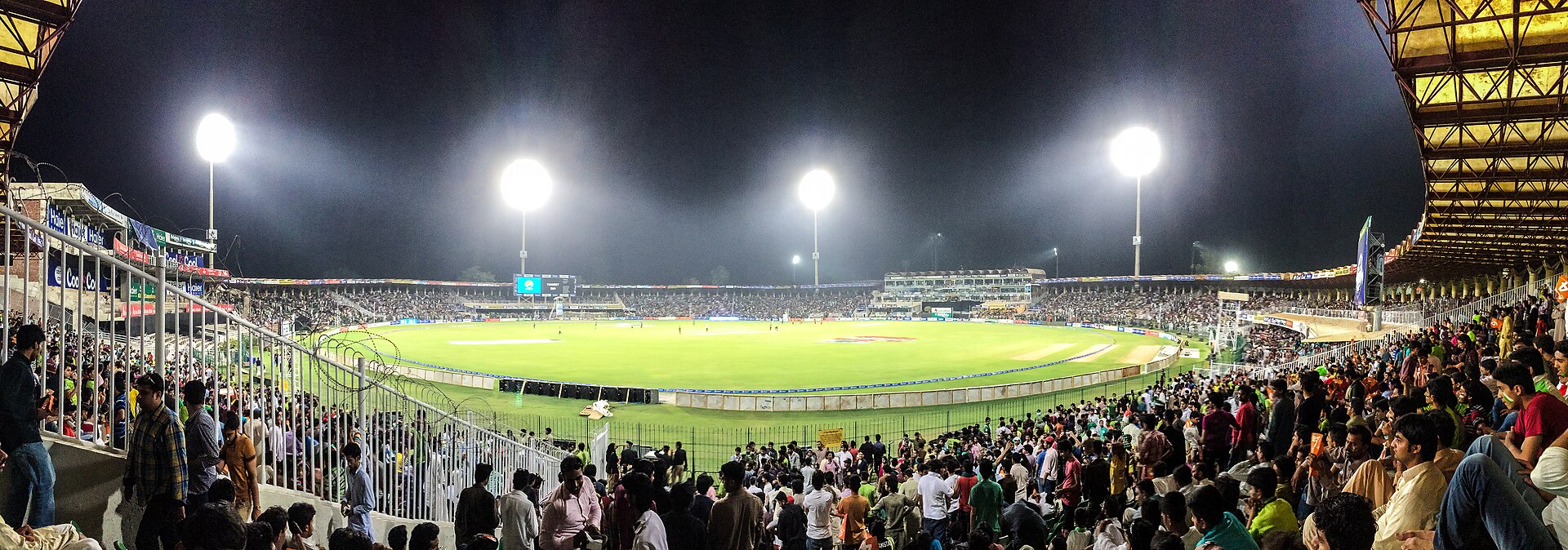
Pakistan won the one-day international tri-series final by three wickets on Saturday, 31 October, chasing 326 at the Gaddafi Stadium in Lahore and finishing on 331 for 7 with nine balls to spare. The Express Tribune reported the hosts being crowned champions, and The Guardian’s live coverage of the final recorded Shaheen Shah Afridi hitting the winning six over midwicket off the last ball of the chase, with the players streaming onto the field, and described the winning total as the joint-highest in a one-day international final.
Fakhar Zaman made 127 from 99 balls with eleven fours and six sixes. The Express Tribune reported that it was his 12th ODI century, that he had not reached a hundred in three years, and that he passed 4,000 one-day international runs on his way to it. He shared a 149-run third-wicket partnership with Saad Baig, who made 74 from 75 balls in his maiden ODI fifty, before Sri Lanka’s Dilshan Madushanka had him caught and bowled for 127.
The collapse that left Pakistan needing 326
Pakistan chose to field after winning the toss, with Shaheen citing Sri Lanka’s habit of batting second in the previous four games. They made one change, bringing in Faheem Ashraf for Shadab Khan, who had been ruled out after being struck on the head by a bouncer in the previous match. The Express Tribune reported that the Pakistan Cricket Board confirmed Shadab’s absence on medical grounds, that the team had gone with four pacers, and that Sri Lanka had dropped Eshan Malinga for the spinner Maheesh Theekshana.
Sri Lanka reached 325 for 8 from their 50 overs, with Kamindu Mendis making his maiden one-day international century, 131 from 128 balls, and Pavan Rathnayake adding a second century of the series. The scorecard published by BBC Sport records Madushanka taking three wickets for 63, including the dismissals of Fakhar Zaman, Maaz Sadaqat and Babar Azam, Asitha Fernando taking two for 72 and Maheesh Theekshana one for 57.
The chase then went wrong early. Maaz Sadaqat was out for 5 and Babar Azam was caught by Pavan Rathnayake for a first-ball duck off Madushanka, leaving Pakistan at 14 for 2. As The Express Tribune had reported before the match, Babar had failed to convert promising starts into substantial scores in his last four innings of the series. Fakhar Zaman and Saad Baig then rebuilt: Baig made 74 from 75 balls, and the pair put on 149 for the third wicket.
What turned the final
The decisive partnership came after Fakhar Zaman fell. Salman Ali Agha was bowled for 17, leaving Pakistan 230 for 5 and needing 96 from 78 balls, and it was Hasan Nawaz and Arafat Minhas who rebuilt the innings with a 94-run partnership. Nawaz finished unbeaten on 37 from 45 balls and Minhas struck 61 from 31, including four sixes, before being caught and bowled by Asitha Fernando with the target almost reached. The Express Tribune’s account of the innings recorded that Shaheen Shah Afridi, Naseem Shah, Salman Ali Agha and Haris Rauf each took two wickets for Pakistan, and that Shaheen hit the winning six.
Pakistan’s top order had been the weak point of the series. As The Express Tribune reported before the match, Saim Ayub had been released from the squad at his own request and replaced by Sahibzada Farhan, and Fakhar Zaman and Babar Azam had both failed to convert promising starts into substantial scores. Pakistan had also been bowled out for 110 in the group match against Sri Lanka four days earlier, a defeat reported separately that sent Sri Lanka into the final at the expense of England.
Why it matters
The title arrives 12 months out from the ICC Men’s Cricket World Cup. Pakistan’s coach Mike Hesson had said before the series that the side had not yet produced its best cricket, and that the final might be when it arrived. The International Cricket Council reported that neither Fakhar Zaman nor Babar Azam had made a half-century at the event before the final, and that Hesson was hoping his top order would rise to the occasion in Lahore. Pakistan then lost both of those players inside the first four overs on Saturday.
Hesson has coached Pakistan to 12 victories from 19 one-day internationals since taking over, a run that includes series wins over Australia, Sri Lanka and South Africa, and he said he was hoping to lead the country to a first 50-over World Cup title since 1992. England’s white-ball head coach Brendon McCullum, whose side was eliminated in the group stage, told Sky Sports that the campaign would prove valuable in the run-up to the 2027 tournament.
The series was won through the middle order rather than the top. The Express Tribune had identified before the match that Pakistan’s misfiring top order was their biggest concern, and that Fakhar Zaman and Babar Azam had both failed to convert promising starts. The 30 October report on England’s consolation win had already established that Pakistan reached the final on six points from four group matches, and that Saim Ayub had been released from the squad and replaced by Sahibzada Farhan.
What is still uncertain
The points table with net run rate has not been published, so the margin that separates the teams on the table is not set out in any account of the final. The Player of the Match award has also not been announced, and no official scorecard was available to check against the live figures.
The performance that carried Pakistan home came from the middle and lower order rather than the top. Fakhar Zaman’s 127 was his first century of the tournament and his first in national colours for three years, and Babar Azam’s failure was made worse by a dismissal in the fourth over of the final. Whether the side can repeat the result from the top, rather than through Nawaz and Minhas, is the question the 2027 World Cup build-up now turns on.
The tri-series is tracked in KhabarWire’s Pakistan Cricket hub.