What happened
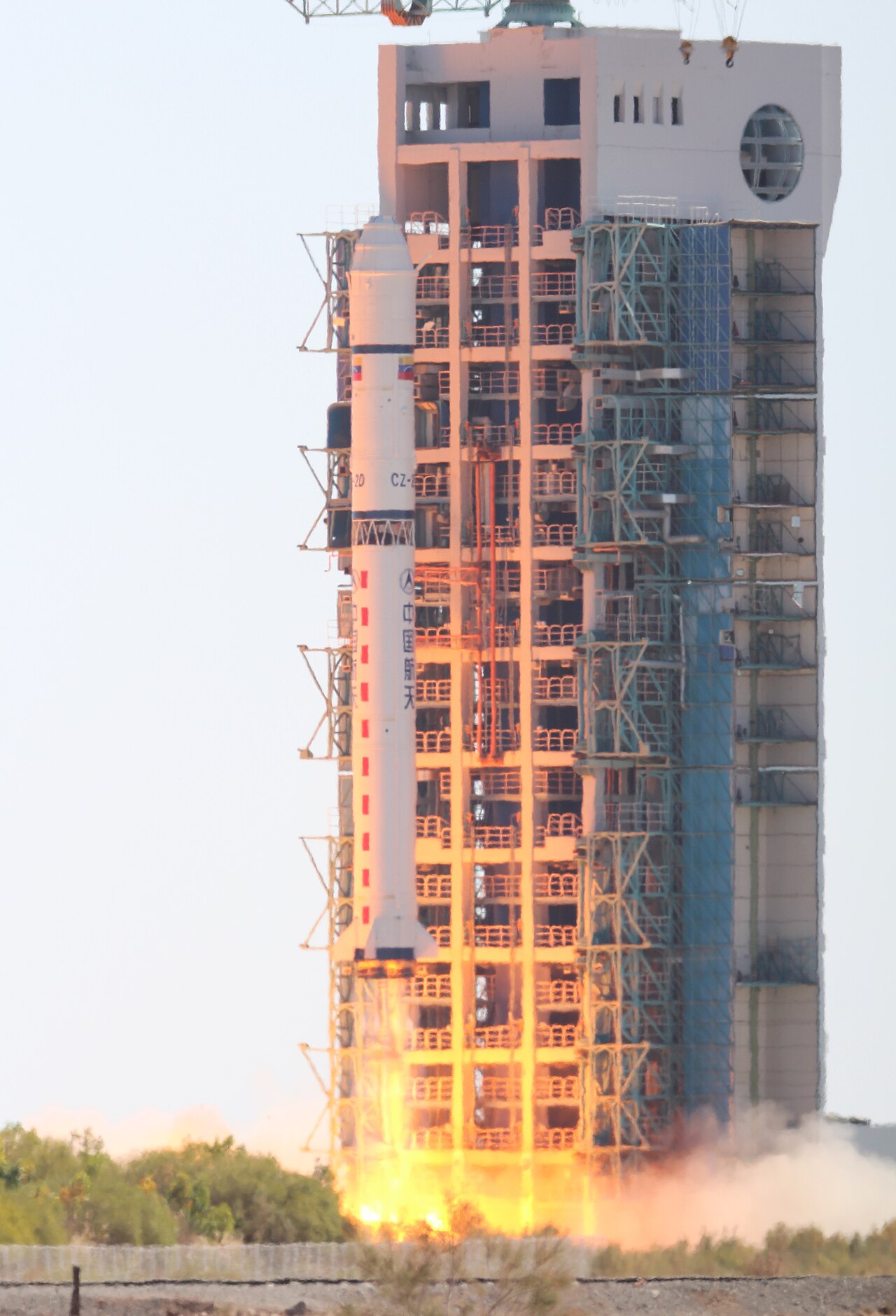
The Space and Upper Atmosphere Research Commission (Suparco) announced that Pakistan successfully launched its second indigenous Earth Observation Satellite, EO-2, from China’s Yangjiang Seashore Launch Centre. The launch took place on Thursday and was reported by Pakistani outlets on 12 and 13 February 2026.
Suparco said EO-2 was conceived, designed, engineered and integrated in Pakistan at its Satellite Research and Development Centre, through in-house research and systems engineering. The agency described the milestone as evidence of the country’s advancing capabilities in satellite development and the continued strengthening of its national space programme.
The satellite is designed to significantly enhance Pakistan’s Earth observation and high-resolution imaging capabilities. According to Suparco, it will provide data to support national development planning, natural resource management, environmental monitoring and urban expansion. It is also expected to support governance, disaster management, climate analysis and strategic decision-making by delivering accurate and timely satellite imagery.
Why it matters
With the addition of EO-2, Pakistan has expanded its satellite fleet, which Suparco said improves the continuity, coverage and precision of its Earth observation data. EO-2 is designed to operate in coordination with the previously deployed EO-1 satellite, observing the Earth under different illumination conditions to improve the interpretation of surface features and make change detection more reliable.
Deputy Prime Minister and Foreign Minister Ishaq Dar said the launch marked Pakistan’s fifth Earth observation satellite and its second indigenous electro-optical satellite. He described it as a step in strengthening national space capabilities and technological self-reliance, and thanked China for its continued cooperation and support.
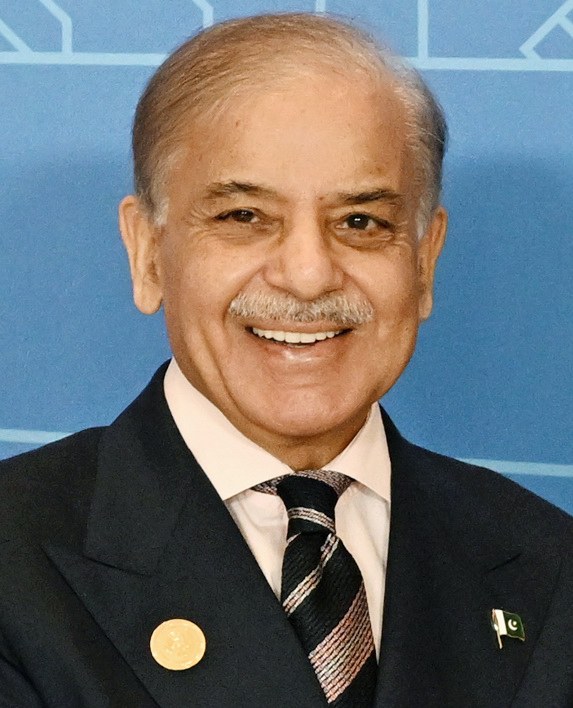
Prime Minister Shehbaz Sharif called the launch “another space milestone” and said it reflected Pakistan’s growing technological footprint and the Pakistan-China all-weather strategic cooperative partnership “now transcending into space.” President Asif Ali Zardari also commended Suparco’s scientists, engineers and researchers and thanked the Chinese government and institutions for their cooperation.
Background
Pakistan launched its first indigenous Electro-Optical satellite, EO-1, from China’s Jiuquan Satellite Launch Centre in 2025. The EO-2 mission follows a separate milestone in Pakistan’s Human Spaceflight Programme: on 7 February 2026, two Pakistani candidates were shortlisted by the Astronauts Centre of China under a 2025 agreement between Suparco and the China Manned Space Agency, with one to be selected for training ahead of a mission to China’s Tiangong space station.
What is still uncertain
Suparco did not release a detailed technical specification for EO-2 or a precise launch time in the statements carried by Pakistani outlets. The agency said the satellite would undergo in-orbit testing after deployment, and the full operational performance of its imaging payload will only become clear once that testing is complete.
Sources & reporting notes
This article summarises published reporting, not eyewitness coverage. Sources were reviewed on 13 February 2026.
- The News — "Pakistan's second homegrown EO-2 satellite launched from China"12 February 2026 · Reports the launch, the Suparco-built payload and its coordination with EO-1.
- Geo News — "Pakistan launches second indigenous electro-optical satellite EO-2"12 February 2026 · Reports the Yangjiang launch and the satellite's development at Suparco's research centre.
- The Nation — "Pakistan launches indigenous EO-2 Satellite from China"13 February 2026 · Carries the president's and prime minister's remarks on the launch.