Reporting snapshot · 7 November 2026 (Asia/Karachi). The provincial decision and the chief minister's directives are confirmed by the briefing he received, but no notification, relief package or timetable has been published, and the crop-loss figure comes from the provincial agriculture extension department rather than an independently verified survey.
What happened
The Sindh government decided on Saturday, 7 November to declare Tharparkar a calamity-hit district, the state broadcaster Radio Pakistan reported after a meeting chaired by Chief Minister Murad Ali Shah in Karachi. Radio Pakistan’s account of the decision says the chief minister ordered the immediate repair and reactivation of non-functional reverse osmosis plants and the restoration of all existing water supply sources.
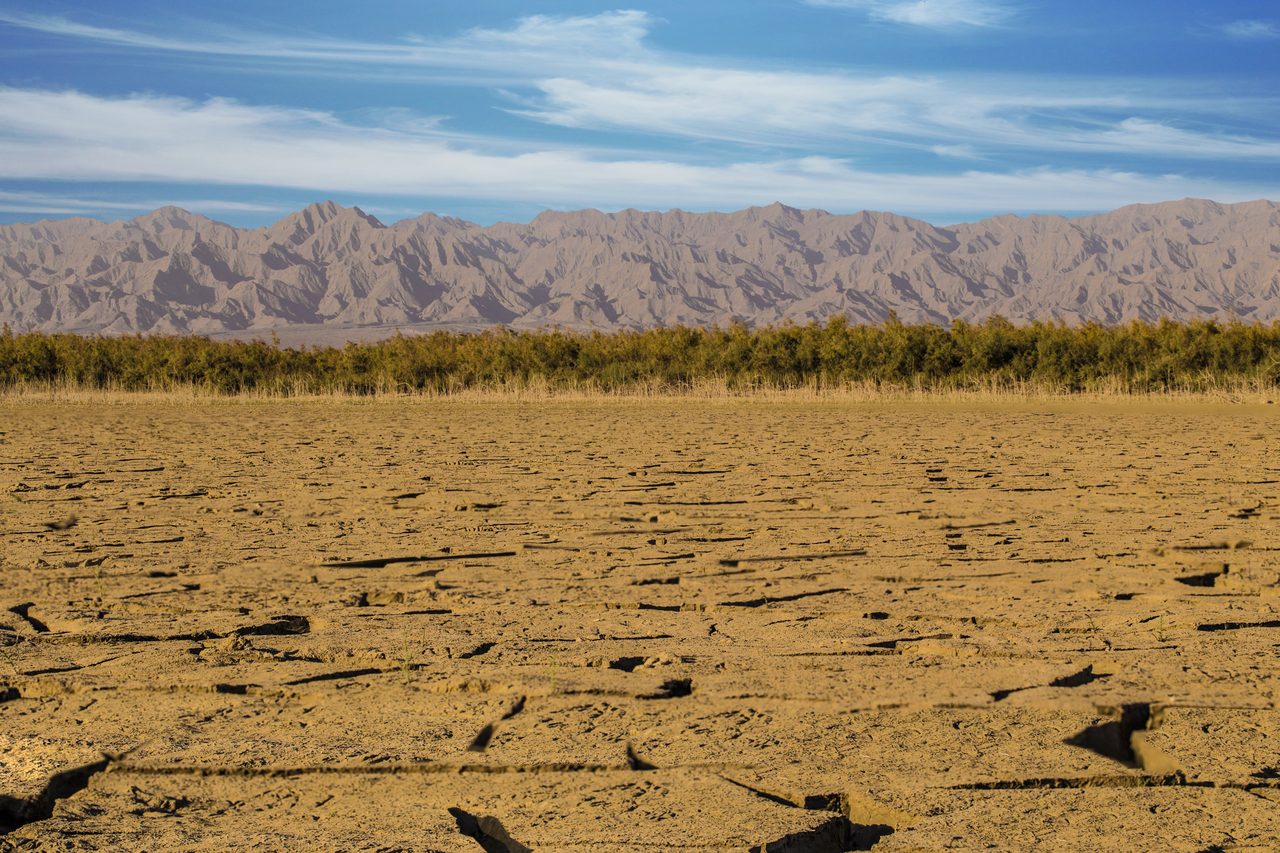
Geo News, which reported the same meeting the same day, said the briefing told the chief minister that all seven talukas of Tharparkar were facing drought-like conditions, with between 85 and 90 per cent of crops destroyed or rendered unproductive. According to Geo’s account, the agriculture extension department put crop losses at around 90 per cent, and rainfall recorded across the district’s seven talukas in September 2026 ranged from 1 millimetre to 36 millimetres. The Express Tribune’s Urdu edition reported the same figures, describing the decision as a response to dry-season conditions that destroyed nine tenths of the crop.
What the order covers
The chief minister’s directions were about water and livestock. He directed the authorities to guarantee drinking water for the district’s residents, to repair and reactivate inactive reverse osmosis plants and to restore every existing water source without delay, Geo reported. He asked the chief secretary to examine the feasibility of laying a pipeline from Naukot to Mithi, to draw up long-term plans for water supply to the area, and to prepare recommendations on supporting livestock affected by the drought. He also directed continuous monitoring of relief measures, saying the provincial government would not leave the affected people alone. The briefing’s detail explains why water comes first: uneven rainfall had dried out both crops and natural grass before they could mature, leaving grazing as thin as the harvest.
What the briefing did not contain matters as much as what it did. No notification has been published, no relief package or budget figure was announced, and no timeline was set for a pipeline or for livestock support.
Why it matters
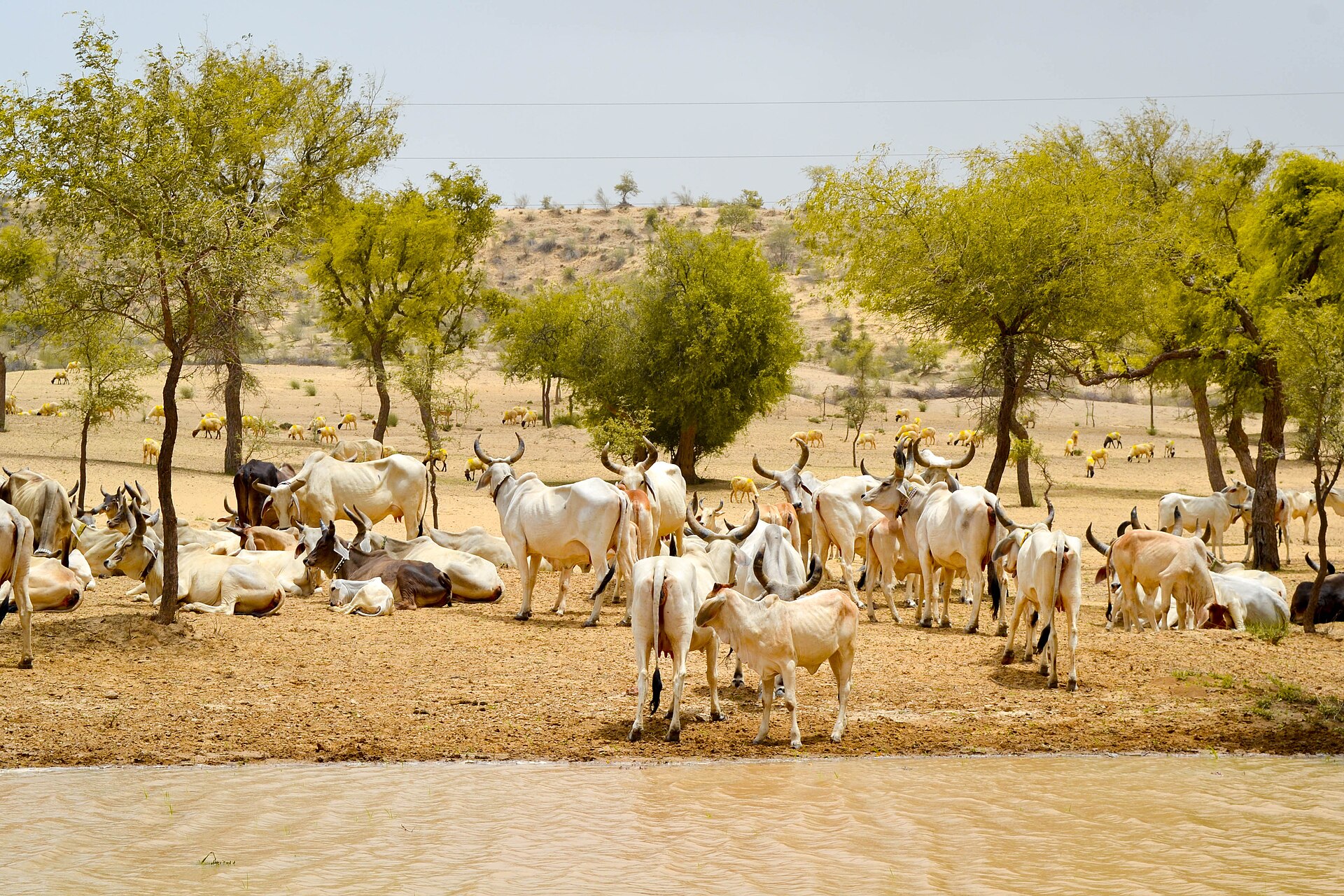
Tharparkar’s economy rests on rain-fed crops and livestock, and this season both failed together. The Express Tribune reported in October that families in the district had been packing up with their livestock and walking towards irrigated barrage areas to find water and fodder, and that a study of 129 children treated for severe acute malnutrition at Mithi Civil Hospital between March and June 2024 found 117 of them anaemic. The same account said the district administration had not declared Tharparkar calamity-hit or begun the process of seeking relief from the provincial government, and that the lawyer and activist Qurban Samejo had filed a constitutional petition at the Sindh High Court’s Mirpurkhas circuit, prompting the court to summon the National Disaster Management Authority, relevant Sindh departments and the deputy commissioner to file reports. The provincial decision now takes that dispute out of the district’s hands; the petition’s outcome has not been reported.
The weather behind it is a national story. Pakistan Meteorological Department data showed Sindh receiving 71.1 millimetres of rain between 1 July and 30 September, 50.8 per cent below normal, which made it the driest province of the monsoon season, with the El Niño pattern a major factor, The Express Tribune reported. KhabarWire’s own reporting on that deficit traced the same shortfall into the Rabi season, with reservoir carryover at its lowest since 2021 and a projected water shortage of about 25 per cent, and the country’s first National Drought Action Plan is the framework meant to move the response from relief to preparedness.
What is still uncertain
The scale of the loss is an estimate, not a measured figure. The 85 to 90 per cent range is the agriculture extension department’s assessment as presented to the chief minister, and no independent survey of the district has been published. The district administration’s own survey, which October reporting described as the missing step in the relief process, was still outstanding then, and its result is not part of the briefing. A declaration by the provincial government does not substitute for that survey, which is what any future relief package would be built on.
The pipeline is at the feasibility stage. Asking the chief secretary to examine a Naukot-to-Mithi line starts a study rather than a project: no route, cost, funding source or schedule was announced, and drinking water for the coming months still depends on restoring the reverse osmosis plants and other existing sources.
Livestock support is also undefined. The chief minister asked for recommendations rather than announcing measures, and no fodder, veterinary or compensation scheme has been detailed, even though livestock is the district’s principal store of wealth and the reason families have taken animals on the road towards the barrage areas. Nor is this the first failed season of that kind: the lawyer Ashiq Ali told The Express Tribune that drought-like conditions recur in Thar every three to four years, with climate change further intensifying the district’s vulnerability. For a district where drought arrives in cycles, the durable question is whether the pipeline, the restored reverse osmosis plants and the national drought plan can change the pattern, or whether another failed season will again be answered by a declaration and a briefing.