Reporting snapshot · 27 October 2026 (Asia/Karachi). The draft is open for comment until 20 November 2026, may change before the commission adopts it, and none of it is in force. The main limitation is that the commission has published no adoption timetable, no penalty schedule and no definition of what would count as a sufficiently clear disclosure.
What happened
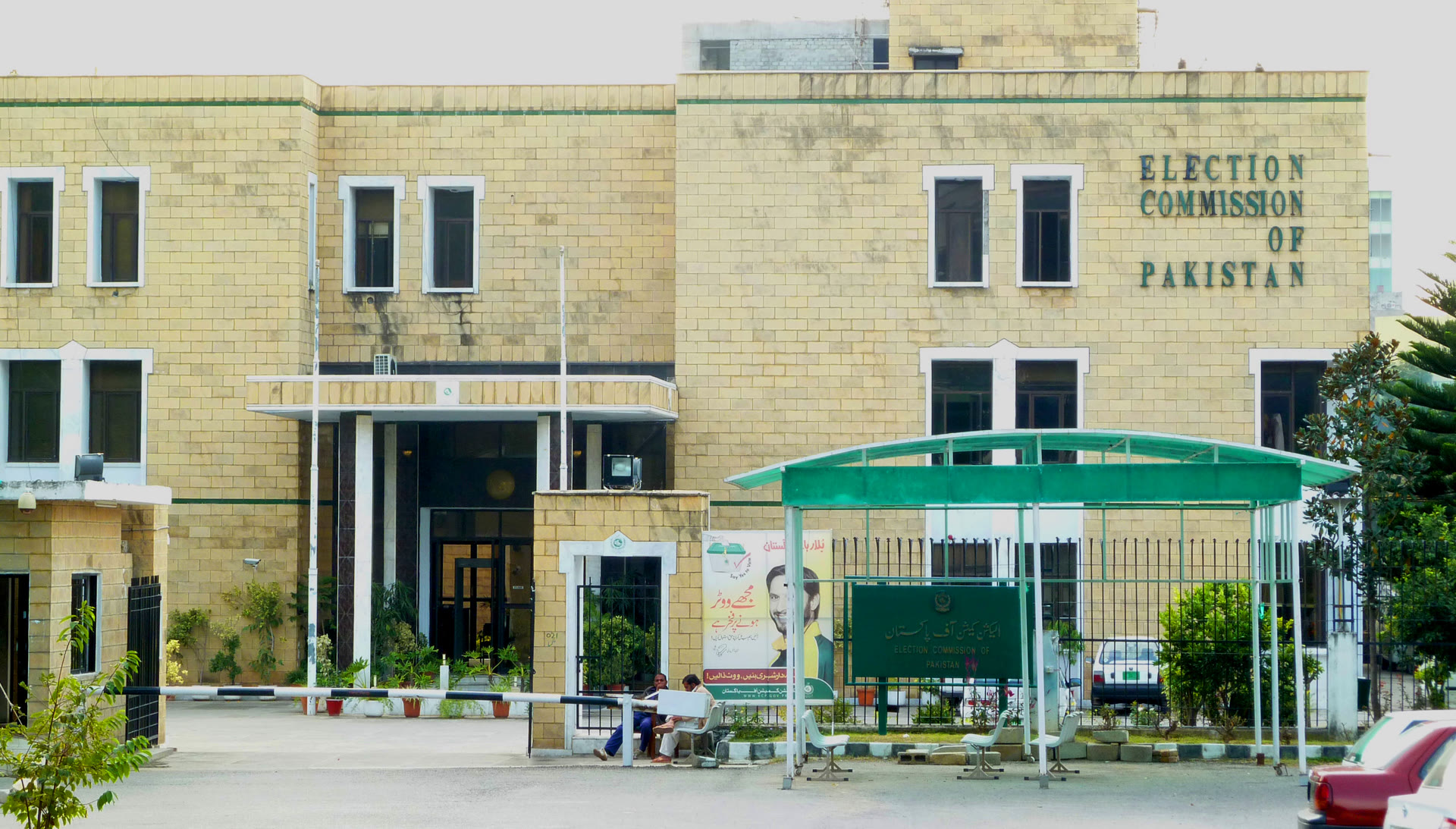
Pakistan’s election regulator has proposed to write artificial intelligence into the rules that govern elections. The Election Commission of Pakistan (ECP) has put draft amendments to the codes of conduct for political parties, media organisations and election observers out for consultation, and asked stakeholders to send feedback to its secretariat in Islamabad by 20 November 2026, Geo News reported on 26 October. The News International carried the same draft the same day, and Pakistan Today reported the consultation notice.
The Express Tribune reported on 25 October that there are twelve amendments, to the 2023 codes of conduct, and that they split into five for media organisations, five for political parties and candidates, and three for election observers. The commission said artificial intelligence, as an emerging technology, had implications for election stakeholders, and cited its constitutional responsibility to ensure elections are conducted honestly, justly and fairly and to guard against corrupt practices, including manipulation of the electoral process through misleading AI content, Geo News reported.
The draft is a proposal, not a decision. Nothing in it has been notified, and the ECP has said only that it will take comments before deciding.
What the draft would require of parties and candidates
Under the proposed amendments to the Code of Conduct for Political Parties, parties, candidates, election agents and their supporters would be barred from creating or disseminating AI-produced or altered material likely to deceive voters about its authenticity, or to misrepresent a person’s words, actions or likeness, Geo News reported.
Campaign material made or substantially altered with AI — deepfake images, videos, audio clips and synthetic voices — would have to carry a “clear and conspicuous disclosure” identifying it as produced or modified with artificial intelligence, and would have to comply with election laws and the relevant code of conduct, Geo News reported.
The draft would also impose a strict prohibition on using AI deepfake technology to create false, derogatory or defamatory synthetic likenesses, voices or statements of candidates, party leaders, their supporters, election officials, members of the judiciary, armed forces personnel or other state functionaries, Geo News reported.
Three further duties would fall on campaigns, Geo News reported. Parties, candidates and election agents would be barred from using AI-powered bots, automated accounts or similar tools to create fake trends and engagement — likes, comments, shares and followers — in a way that gives a false impression of public support. Voter outreach by robocall or voice-cloned message would have to open with a disclosure that the content was made with AI. And parties and candidates would have to retain records of all campaign material made or modified with AI during the election period, and provide details to the ECP whenever required.
What the draft would require of media and observers
The media code would run in parallel. Print, electronic and digital outlets, journalists, newspapers, television channels and social media influencers would have to label AI-produced or manipulated election material at the time it is broadcast, published or circulated, Pakistan Today reported.
Media would not be locked out of the technology. Outlets could keep using AI for content generation, translation, anchoring and analysis, provided they disclose that use to their audiences and remain responsible for the accuracy and authenticity of the result, Geo News reported.
The enforcement architecture is the part that reaches furthest beyond the campaign trail. The Pakistan Electronic Media Regulatory Authority (Pemra), the Social Media Protection and Regulatory Authority (SMPRA) and the National Cyber Crime Investigation Agency (NCCIA) would have to monitor print, electronic, digital and social media for undisclosed or unlabelled AI election content, take action where outlets or platforms fail to comply, and report to the poll organising body. Media organisations and social media platforms would also have to take down, or correctly relabel, undisclosed or misleading material when directed by the ECP or another regulatory authority, The News International reported.
Election observers face a matching set of limits, Geo News reported. They would have to stay alert for AI manipulation during the observation process and report it to the ECP without circulating the material further. They would be barred from using AI to fabricate, alter or embellish their observations, findings, photographs, videos or reports, and their reports would have to reflect factual, genuine, first-hand assessments of the electoral process.
Why it matters
The draft’s design choice is disclosure rather than prohibition. Parties may use artificial intelligence to reach voters; what they may not do is pass machine-made material off as human, and what they may not do at all is manufacture support, impersonate public figures or defame them. That is a narrower, more workable rule than a ban, and it is close to what the commission is asking of newsrooms, which are allowed to use the same tools under a label.
It also lands on a country that has already been burned. In August 2026 the Ministry of Information and Broadcasting said a viral clip of Defence Minister Khawaja Asif criticising Pakistan and comparing it favourably with India had been fabricated with a synthetic voice, and KhabarWire reported the denial. A video of a serving defence minister that never existed is the exact case the deepfake prohibition is designed for, and the commission names defence personnel and the judiciary alongside party leaders.
The rules also complete a wider pattern. Pakistan is regulating the use of AI by public officials on a separate track: the National Cyber Emergency Response Team’s National Cybersecurity Handbook 2026-27 bars government employees from feeding classified documents and other sensitive data into public AI tools, and KhabarWire covered that handbook when it was issued. What the ECP is adding is a rulebook for the period when the machinery of an election is running and every party, broadcaster and platform is a participant.
The timing matters. A consultation closing on 20 November 2026 leaves a window for a commission to settle the text and for political parties, regulators and platforms to adjust their practice before the next general election, whose timetable the ECP has not set.
What is still uncertain
Nothing here is enforceable yet. These are draft amendments to codes of conduct, published for comment, and the ECP has announced neither an adoption date nor a schedule for notifying them. The 20 November deadline is the only firm date in the document.
Several operative words are undefined, and the gaps are not small. “Clear and conspicuous” disclosure is not defined, and neither is the threshold at which a mostly human edit of AI-made material still counts as material made with AI. The draft does not say who decides whether a label is adequate, whether a label can be added after publication, or what happens to a campaign that publishes an unlabelled clip. Nor does it set out a complaint route, a response time, or the penalty for non-compliance, beyond the general power given to Pemra, SMPRA and NCCIA to act against outlets and platforms.
The observer provisions raise a question the commission does not answer: if a mission may not use AI to alter its photographs or reports, and may not re-circulate the synthetic material it finds, the practical question is how an observer distinguishes a forged artefact from an authentic one in the first place, and what happens to a finding that cannot be verified.
The commission’s own copy of the draft could not be reached on 27 October, so the provisions described here are those quoted in the accounts published on 25 and 26 October. A final text adopted in November may differ in detail, and the number of amendments may change as stakeholders respond.