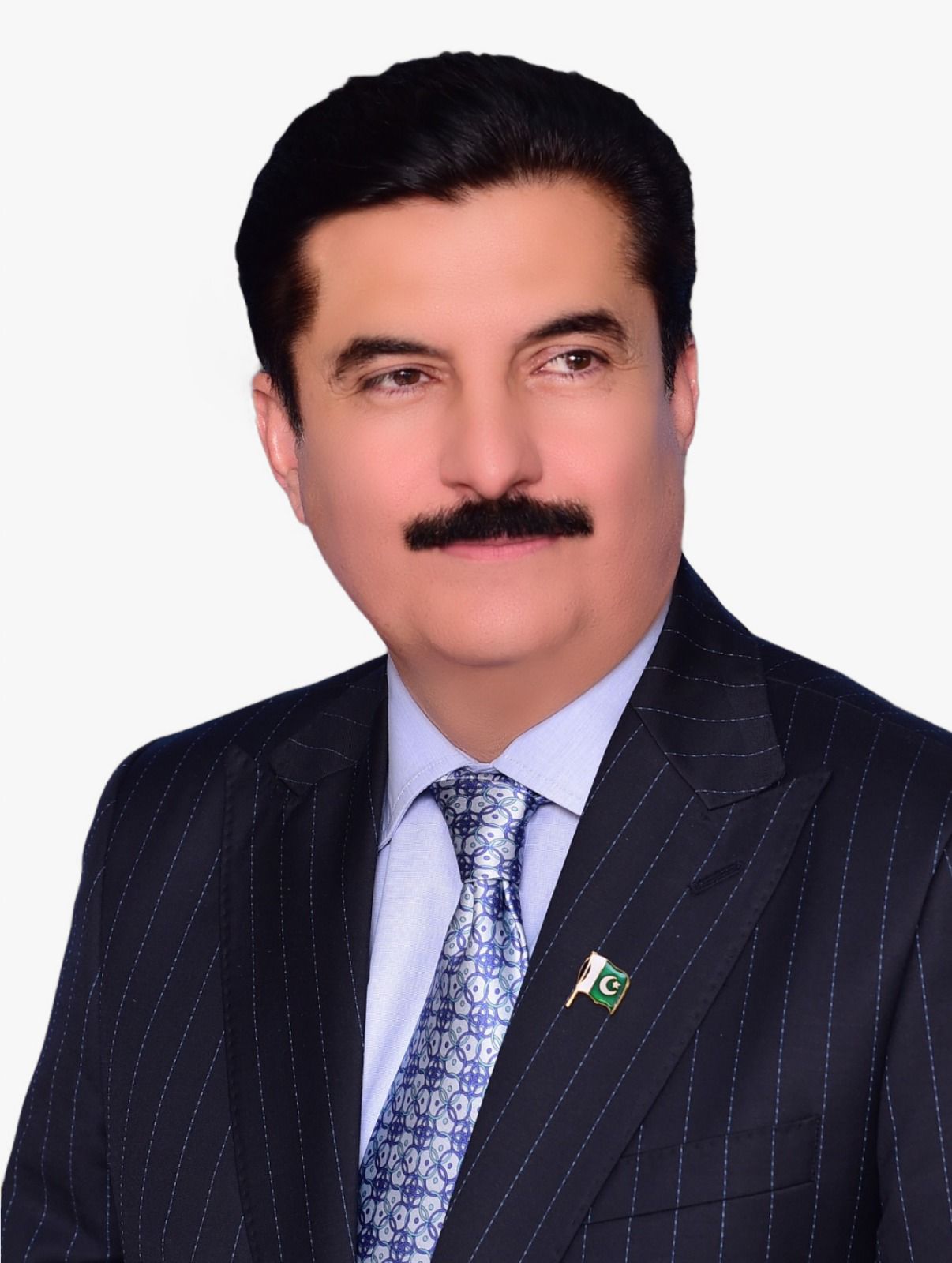
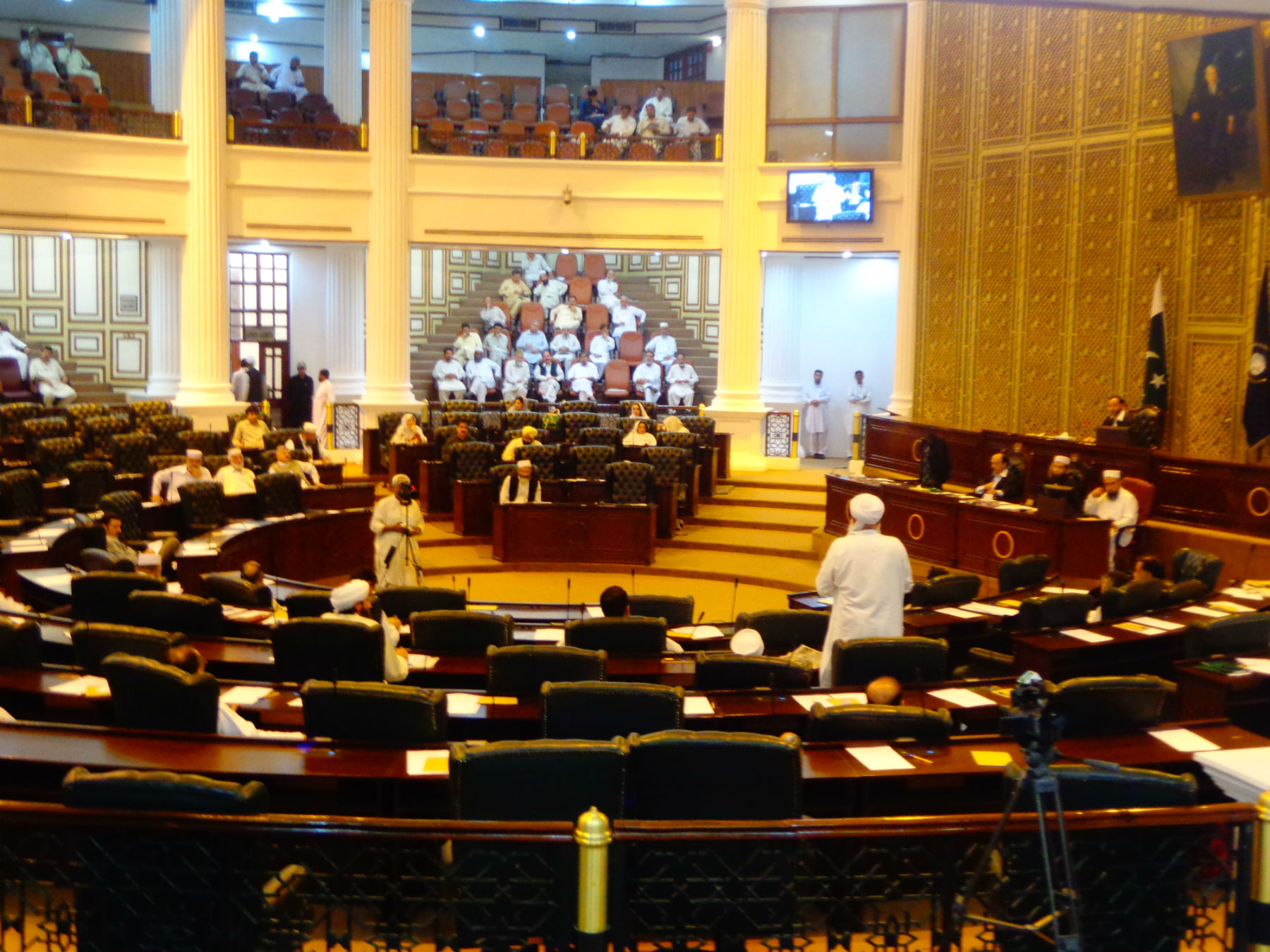
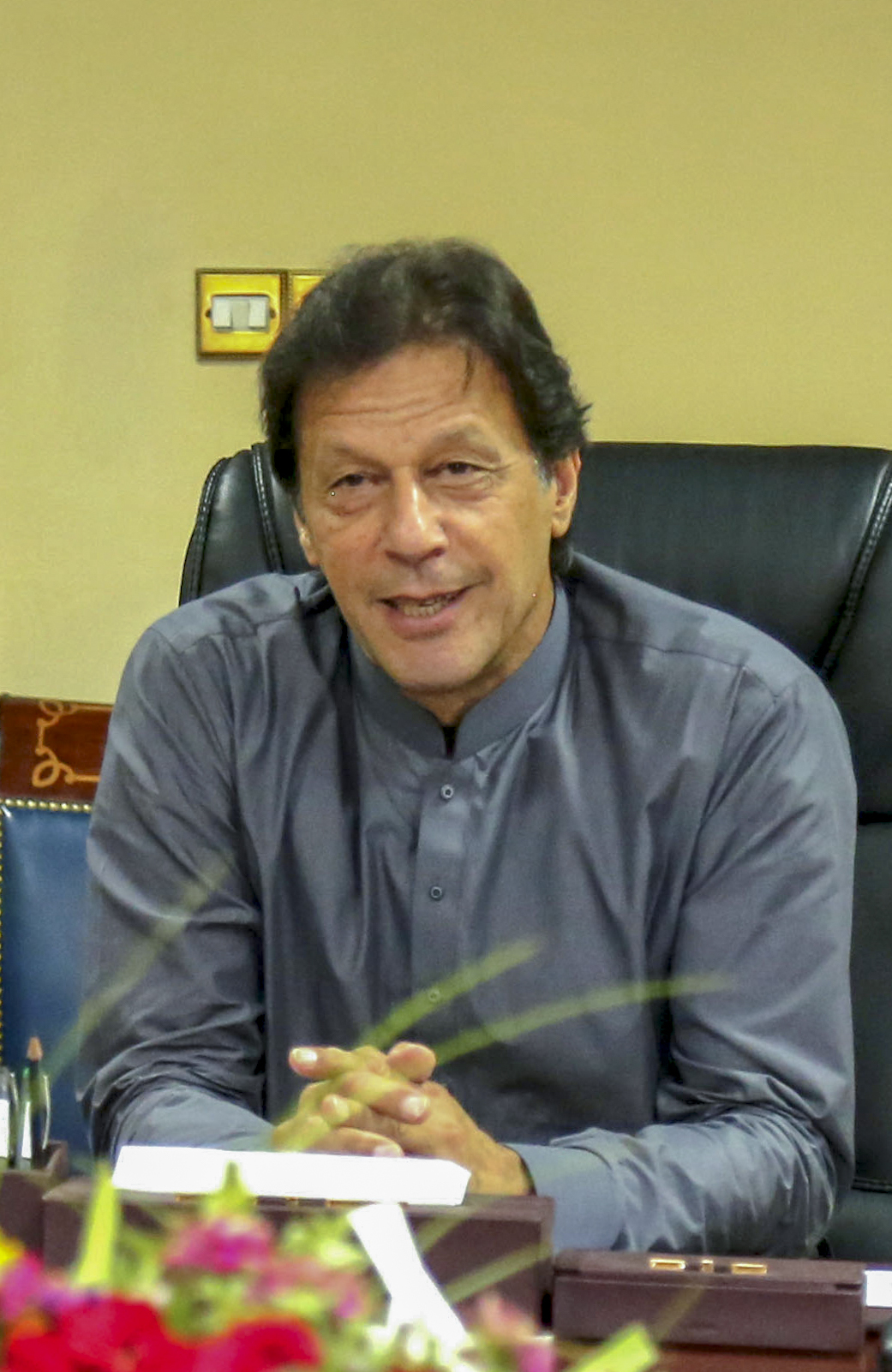
Reporting snapshot · 7 October 2026 (Asia/Karachi). This article records what Khyber Pakhtunkhwa Chief Minister Sohail Afridi and his advocate general said on 7 October about a security meeting Governor Faisal Karim Kundi chaired on 6 October. The constitutional reading set out below is the provincial government's stated position, not a court ruling, and the federal government has not announced any change to the province's administration.
What happened
Khyber Pakhtunkhwa Chief Minister Sohail Afridi used a provincial cabinet meeting in Peshawar on Wednesday, 7 October 2026, to denounce a security meeting that Governor Faisal Karim Kundi had chaired the previous day with the province’s chief secretary and inspector general of police. Afridi called the governor’s meeting “unconstitutional” and “an attack on the Constitution and democracy”, Dawn reported.
“The drama staged by the governor yesterday was extremely regrettable and condemnable,” Afridi said, according to The Express Tribune. He said his government had been elected with a two-thirds majority and that the provincial assembly, cabinet and government remained “fully functional and intact”.
The exchange marks a new front in the stand-off between the Pakistan Tehreek-e-Insaf (PTI)-led provincial government and Kundi, a Pakistan Peoples Party (PPP) politician appointed governor by the federal coalition. It comes amid weeks of friction over the PTI’s long march on Islamabad and a deadlock in government-opposition talks, alongside repeated speculation that the Centre could impose governor’s rule in the province. KhabarWire has previously covered the province’s white paper on governor’s rule and the September discussions around the option.
The constitutional dispute
At the centre of the row is a narrow question: may a provincial governor summon the provincial chief secretary and police chief on his own initiative while an elected government is in office? Afridi said the governor lacked that authority, adding that he would seek the KP advocate general’s formal opinion and that the province could legislate through the assembly if needed. He said the only constitutional route to remove a chief minister was a vote of no-confidence.
The advocate general, Shah Faisal Utmankhel, told the same cabinet meeting that Pakistan is a federal parliamentary system in which the Constitution distributes legislative, administrative and financial powers between institutions. He cited Article 101, which governs the appointment of a governor, Article 103, which sets out a governor’s conditions and powers, and Article 104, which provides for the speaker to perform a governor’s functions when required. In a parliamentary federation, he argued, the governor is a “ceremonial head” and executive power rests with the provincial cabinet and government, The Express Tribune reported.
He said Article 131 requires a chief minister to keep the governor informed about provincial administration and proposed legislation, but that “there is nowhere written that on his own he can call someone, ask them questions or give instructions or directions”. Such powers, he said, could be exercised under Article 234 when a province’s constitutional machinery has failed and governor’s rule is imposed — adding that “at the moment, the provincial government is in the field”.
That reading is the province’s position, not a binding interpretation. Under Article 234, the president may assume a province’s functions on a report from its governor, but the provision is subject to parliamentary approval and has rarely been invoked. No court has been asked to rule on the meeting’s constitutionality.
The wider confrontation
The dispute is inseparable from the broader stand-off between the federal coalition and the PTI. The long march entered its fourth day on 7 October, heading towards Khyber, after weekend talks between a joint government delegation and the opposition alliance ended in deadlock. KhabarWire reported earlier that the talks collapsed with both sides blaming the other for the breakdown.
Afridi accused the PPP of trying to create “another East Pakistan”. He blamed then-president Zulfikar Ali Bhutto and General Yahya Khan for the 1971 separation of Bangladesh and said President Asif Ali Zardari “intends to make another East Pakistan here”. KhabarWire found no PPP response to that allegation in the reports reviewed. Afridi also urged PTI workers to remain peaceful and told the provincial bureaucracy not to obey what he called unconstitutional orders, saying: “If someone pushes you to follow any unconstitutional order, do not follow it. It can damage our province or the country.”
Federal Defence Minister Khawaja Asif responded sharply, writing that “enough is enough” and accusing the PTI-led provincial government of “complete detachment” from terrorism and “criminal indifference”. He linked the row to Tuesday’s attack in Dera Ismail Khan, in which customs officials and a traffic police officer were killed, and alleged that the provincial government was in “complete collusion” with militants. The reports reviewed did not present evidence for that allegation, and KhabarWire has not independently verified it.
The security backdrop
Afridi used the cabinet meeting to defend his government’s security record and to attack federal counter-terrorism policy. He said his administration had strengthened the police, the Counter-Terrorism Department and the Special Branch since he took office on 15 October 2025, and argued that “if peace has not been established despite the sacrifice of 80,000 lives over 22 years, it means your policy has failed”, Dawn reported.
He said 14,000 intelligence-based operations and 22 major military operations had been conducted over 22 years without restoring peace, and that the federal government had treated KP like a “stepchild”, withholding about Rs100 billion in compensation for people displaced by operations and delaying the National Finance Commission award. He said the province had provided Rs21 billion to displaced families since taking office.
The same day, state media reported that security forces had killed 18 militants in separate engagements in KP and Balochistan, and that a police checkpost in Kohat had come under attack, Dawn reported. The figures and the characterisation of those killed come from the military’s media wing and state television and have not been independently verified.
What is still uncertain
Several important questions remain open. No court has ruled on whether the governor’s 6 October meeting exceeded his constitutional remit, and the advocate general’s opinion has not been published in full. The governor’s office has not issued a detailed public response beyond remarks circulated through official social-media accounts, which KhabarWire has not treated as a citable source. It is also unclear whether the federal government will move formally towards governor’s rule; Interior Minister Mohsin Naqvi and Kundi discussed the option in late September, but no announcement has followed.
The PTI’s march and the government’s response remain fluid, so the political picture could change quickly. The security claims on both sides are contested: the province’s account of its policing record and the federal minister’s collusion allegation both rest on assertions that the reports reviewed do not substantiate. Any move on governor’s rule would depend on a formal process under Article 234, which has no recent precedent in Pakistan.
Sources & reporting notes
This is a synthesis of published material, not eyewitness reporting. Sources were reviewed on 7 October 2026 (Asia/Karachi). The governor's security meeting and the chief minister's response were reported by multiple independent outlets; because the primary records were circulated through official social-media accounts that are not citable under KhabarWire's sourcing rules, this article relies on the independent reporting below and states that limitation.
- Dawn — "CM Afridi slams Governor Kundi for 'unconstitutional' meetings, claims move intended to provoke KP govt", 7 October 20267 October 2026 · Detailed report on the chief minister's cabinet address, the governor's 6 October meeting, the advocate general's constitutional analysis, and Defence Minister Khawaja Asif's response.
- The Express Tribune — "Afridi calls Kundi's security meeting 'attack on Constitution', warns against 'another East Pakistan' situation", 7 October 20267 October 2026 · Independent reporting with additional quotations from the cabinet meeting and the advocate general's reading of Articles 101, 103, 104, 131 and 234.
- The Friday Times — "Khyber Pakhtunkhwa Held Hostage: Thirteen Years Of PTI Rule...", 7 October 20267 October 2026 · Commentary on the wider Centre-KP political confrontation and the security debate; used for context, not as a primary factual record.
- Dawn — "18 terrorists killed in separate engagements in KP, Balochistan: state media", 7 October 20267 October 2026 · State-media account, as reported by Dawn, of the day's counter-militancy operations and the Kohat checkpost attack that frame the security debate.