Reporting snapshot · 7 November 2026 (Asia/Karachi). The arrival window is an estimate and may change with the vessel's voyage and port arrangements. The government has not published the survey area, its duration or the commercial terms, and no discovery has been announced.
What happened
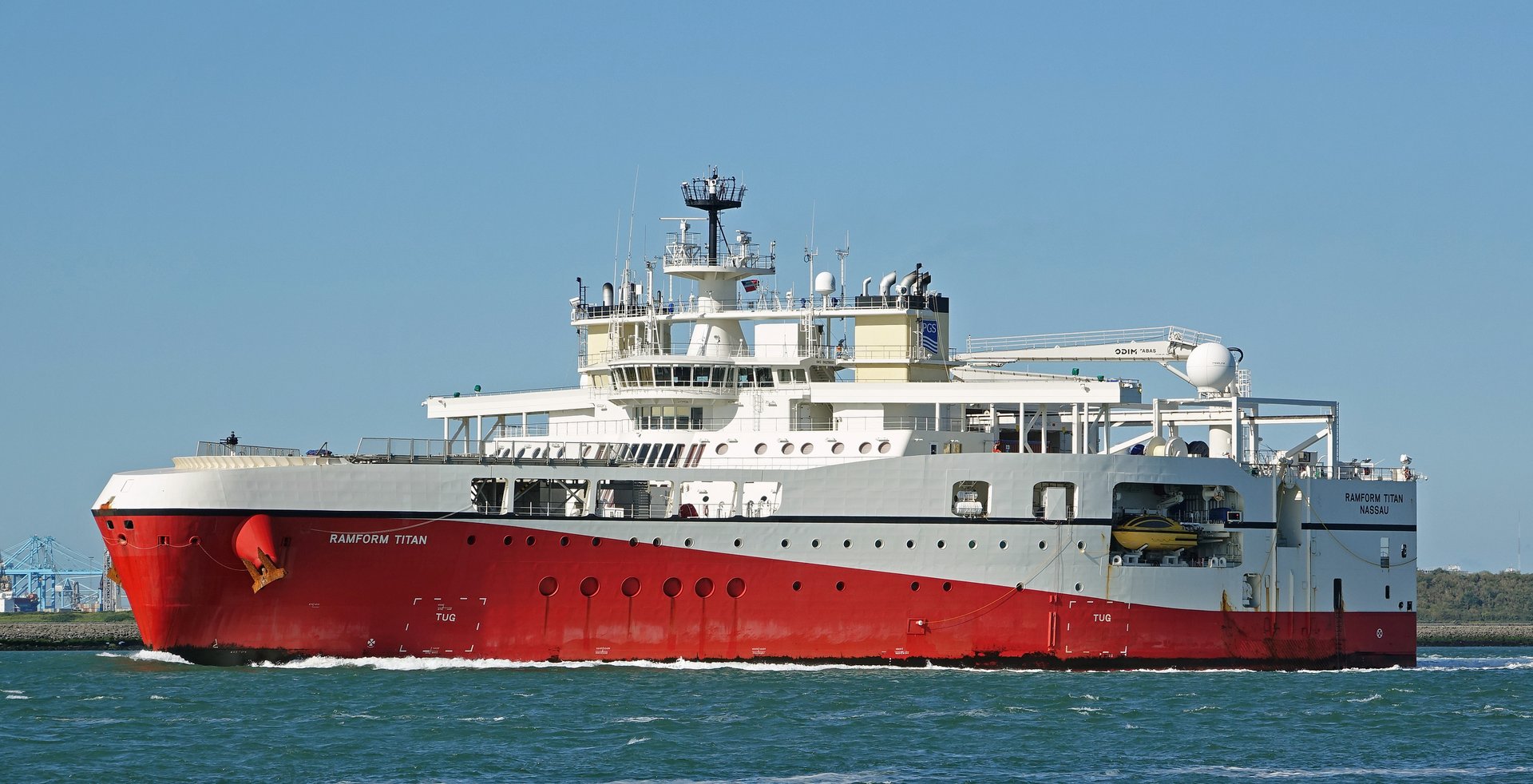
A Turkish seismic research vessel is expected to arrive in Karachi between 17 and 20 November to begin offshore oil and gas surveys, the Petroleum Division said after a meeting chaired by Petroleum Minister Ali Pervaiz Malik on Friday. The Express Tribune reported that the arrival would mark Pakistan’s first major push to revive offshore exploration in two decades. Profit reported that the meeting reviewed operational, logistical, maritime and security arrangements for the vessel and the campaign.
The operator is Turkish Petroleum Offshore Company (TPOC), according to Profit. Turkey’s Energy and Natural Resources Minister Alparslan Bayraktar said the vessel heading for Pakistani waters was the Oruç Reis, The Express Tribune reported. The ship is expected to carry out seismic work that will help assess the potential of Pakistan’s offshore blocks.
The campaign follows Pakistan’s decision to reopen offshore exploration in May 2026, when the government signed production-sharing agreements and awarded exploration licences under the Offshore Bid Round 2025, according to The Express Tribune. The newspaper described the arrival as a milestone in Pakistan-Türkiye energy cooperation.
Malik said he would try to receive the vessel personally and linked the project to the Makkah defence agreement, the mutual-defence pact signed by Pakistan, Saudi Arabia and Türkiye in August. Profit reported that the meeting was attended by the secretary petroleum, the director general of petroleum concessions, the heads of the state oil and gas companies OGDCL, PPL and GHPL, and representatives of the foreign, maritime, defence and interior ministries, the national hydrographic office and the Directorate General of Ports and Shipping in Karachi.
Why the arrival matters
Pakistan is a small oil producer with a large import bill. In August, Malik said the country imported about 90 per cent of its energy and produced roughly 70,000 barrels of oil a day against demand of about 500,000, as KhabarWire reported. Offshore reserves, if they exist in commercial quantities, would not replace those imports overnight, but they would give the government a domestic supply option in a period of repeated energy shocks.
The timing reflects that pressure. The survey comes as the war with Iran and attacks on Gulf shipping have made imported fuel more expensive and less secure, as KhabarWire’s Pakistan Fuel & Energy file tracks. Pakistan has also been trying to attract foreign investment in exploration and production as part of a wider effort to reduce pressure on the balance of payments.
The diplomatic dimension is part of the story. Malik presented the vessel’s arrival as a dividend of the Makkah defence agreement, which committed Pakistan, Saudi Arabia and Türkiye to treat an armed attack on one signatory as an attack on all three. KhabarWire’s Makkah defence pact hub follows the alliance. The energy project gives that security relationship an economic component, although the public statements did not set out the commercial terms of the survey or how any future production would be shared.
What the survey can and cannot show
A seismic survey is an early stage of offshore exploration. The vessel sends sound waves into the seabed and records their reflections to map geological structures that may contain oil or gas. Profit reported that the data will help companies assess offshore potential and decide whether exploratory drilling is commercially justified.
The limits are important. Seismic data can identify possible reservoirs, but it cannot confirm that hydrocarbons are present in commercial quantities. Only exploratory drilling can do that, and no drilling schedule has been announced. Profit’s report described the survey as an important step, not a guarantee that recoverable reserves exist.
The public statements also did not specify which blocks the vessel will survey, how long the campaign will last or how the data will be shared with Pakistan. Those details matter because a survey that does not lead to drilling leaves the country with geological information but no new supply. The offshore bid round awarded exploration licences; the Oruç Reis is the first visible test of whether those licences lead to wells.
What is still uncertain
The first unknown is the schedule. The 17-20 November window is an estimate, and the Petroleum Division did not give a firm arrival date. Port and security arrangements, as well as the vessel’s onward movement, can shift the timeline.
The second is whether the survey will be followed by drilling. Offshore exploration is expensive and slow, and a seismic campaign is only the first phase. Even a successful survey would not produce oil quickly: appraisal and development typically take years, and the government has not said who would fund the next stage.
The third is the regional risk. The survey is taking place while the Iran war and Houthi attacks have disrupted Gulf energy infrastructure and shipping, and while Pakistan is balancing its Makkah commitments with its own fuel needs. A commercial discovery would not insulate Pakistan from those pressures in the near term. It would, at best, add a domestic option to a supply mix that remains dominated by imports.
The immediate marker will be the vessel’s arrival and the start of data acquisition. Until then, the project is a planned survey with a political launch, not a proven new source of oil or gas.