Reporting snapshot · 20 November 2026 (Asia/Karachi). The docking is expected rather than confirmed, and the Petroleum Division has not published the survey area, its duration, the data-sharing terms or any drilling schedule. No discovery has been announced, and seismic work alone cannot establish that commercial reserves exist.
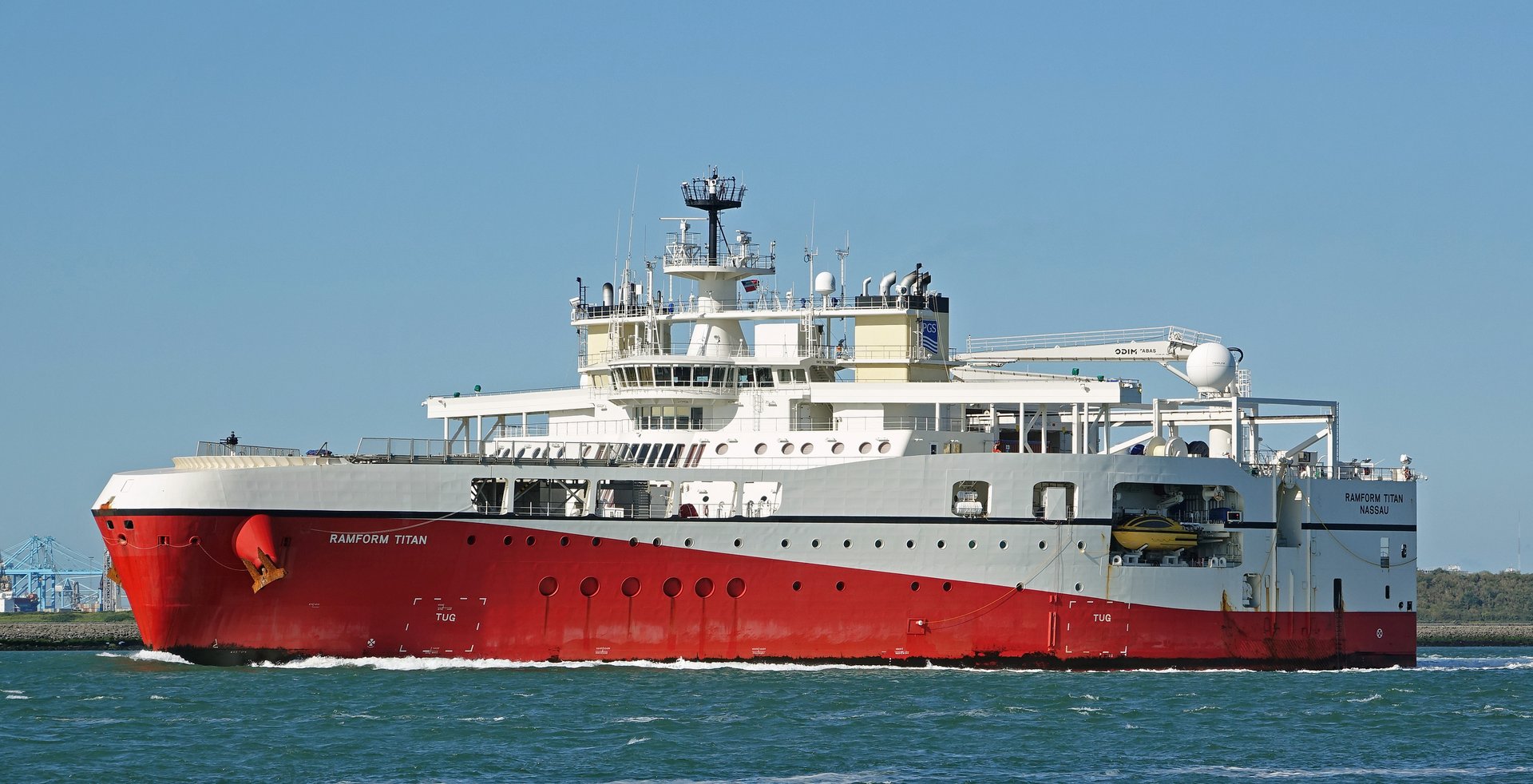
Türkiye’s energy minister, Alparslan Bayraktar, arrived in Karachi on Thursday, 19 November, with a delegation ahead of the seismic research vessel Oruç Reis, which is expected to dock at Karachi port on Friday, 20 November and begin surveying Pakistan’s offshore waters for oil and gas. The Express Tribune reported that Petroleum Minister Ali Pervaiz Malik received Bayraktar together with Petroleum Secretary Hamed Yaqoob Sheikh and Sindh minister Syed Zulfiqar Ali Shah, and Pakistan Today carried the same account, attributing it to the Ministry of Energy.
The arrival is the visible start of a campaign the Petroleum Division has described as Pakistan’s first major push to revive offshore exploration in two decades. According to both reports, the vessel will spend its first phase collecting seismic data that maps the rock beneath the seabed, giving companies the basis on which to decide whether exploratory wells are worth the cost. Nothing in the published statements suggests the vessel has yet begun recording data, and the dock itself has not been confirmed by the port or the ministry.
What has changed since KhabarWire reported the arrival window on 7 November is that the political and logistical preparation is now largely done. The minister who oversees Türkiye’s upstream energy policy is in Karachi, the federal and provincial officials who received him have been named publicly, and the ship is close enough to port for the government to name a day. What has not changed is the substance that would make the survey consequential: the public still does not know which blocks will be surveyed, how long acquisition will take, who will own the data or when a drilling decision might follow.
The blocks the survey is meant to test
The campaign sits inside Pakistan’s Offshore Bid Round 2025, which the government launched in January last year after an 18-year gap and which offered exploration licences for 40 blocks in the Indus and Makran basins off Sindh and Balochistan, The Express Tribune reported. Türkiye’s national oil company, Turkish Petroleum Corporation (TPAO), took a 25 per cent participating interest and operatorship in one of them, Offshore Block-C.
The government’s case for the acreage rests on a basin study by the United States consultancy DeGolyer and MacNaughton, which found substantial unexplored hydrocarbon potential in the Indus and Makran areas, according to both reports. Companies committed 4,427 work units for the first phase of the initial three-year licence period, involving planned spending of about $80 million on geological and geophysical work, including seismic acquisition and interpretation. If the early findings encouraged drilling, the Petroleum Division has said total investment could rise to between $750 million and $1 billion.
Those figures explain why the arrival is being treated as more than a port call. The first phase is cheap relative to what a drilling campaign would cost, and it is designed to answer a narrow question: whether the geology is interesting enough to justify spending the larger sum. For the companies, the survey is a screening exercise. For the government, it is a test of whether the bid round can convert paper licences into activity that is visible to investors.
Why a survey carries weight for Pakistan’s fuel bill
Pakistan is a small oil producer with a large import bill. Malik said in August that the country imports about 90 per cent of its energy and produces roughly 70,000 barrels of oil a day against demand of about 500,000, The Express Tribune reported at the time. Offshore reserves, if they exist in commercial quantities, would not replace those imports quickly, but they would give the government a domestic supply option.
The timing sharpens the argument. The survey begins while the war with Iran and attacks on Gulf shipping have made imported fuel more expensive and less secure, a pressure KhabarWire’s Pakistan Fuel & Energy file has tracked through the year. A domestic find would not insulate Pakistan from those shocks in the near term. It would, at best, add a second source to a supply mix that remains dominated by imports.
Malik has also presented the project as a milestone in Pakistan-Türkiye relations following the Makkah defence agreement, the mutual-defence pact signed by Pakistan, Saudi Arabia and Türkiye, and said he would welcome the vessel personally. That framing gives the energy relationship a security dimension. It does not settle the commercial questions, because the public statements have not set out how any future production would be shared between the state and the companies holding the blocks.
What would have to happen before anyone calls it a find
A seismic survey is an early step, not a result. The vessel sends sound waves into the seabed and records their reflections to map structures that might trap oil or gas. The data can identify possible reservoirs, but only drilling can establish whether hydrocarbons are present in commercial volumes. No drilling schedule has been announced, and appraisal and development typically take years after a discovery.
The practical questions start with the ship. Whether the Oruç Reis reaches berth on Friday, how quickly acquisition begins and whether the survey runs without interruption will show how much of the preparation described at the planning meeting that preceded the deployment, which reviewed operational, logistical, maritime and security arrangements, has actually been completed. The Petroleum Division had given a 17-20 November arrival window, an estimate that has now narrowed to a single day.
The second set of questions concerns disclosure. Publishing the survey area and duration would let analysts judge whether the campaign is testing the most prospective structures or spreading effort thinly. Publishing the data-sharing terms would show what Pakistan receives if the companies decide not to drill. Neither has happened, and the ministry has not said whether it will publish them when acquisition starts.
The third is money. The $80 million first phase is a commitment by the licence holders, not a guarantee that the state will see a return. If the survey is encouraging, the government will have to make the case for the next stage to companies weighing offshore Pakistan against prospects elsewhere. That case will rest on commercial terms that have not been published.
For now, the marker is concrete and modest. A Turkish minister is in Karachi, a Turkish vessel is due at the berth, and a survey that governments have promised for years is about to move from planning to data. Whether it becomes an oil and gas story, rather than another round of exploration that stops after the seismic phase, depends on decisions that have not yet been taken. KhabarWire’s earlier report on Turkish Petroleum’s plans set out the same caution in August, when the drilling timetable was still being described in general terms.