Reporting snapshot · 23 November 2026 (Asia/Karachi). This covers Nvidia's announcement and the first hours of United States trading after it. The board's investigation into the foreign-intelligence allegations is unfinished, and the accounting-probe reporting that moved the shares on 20 November is unconfirmed.
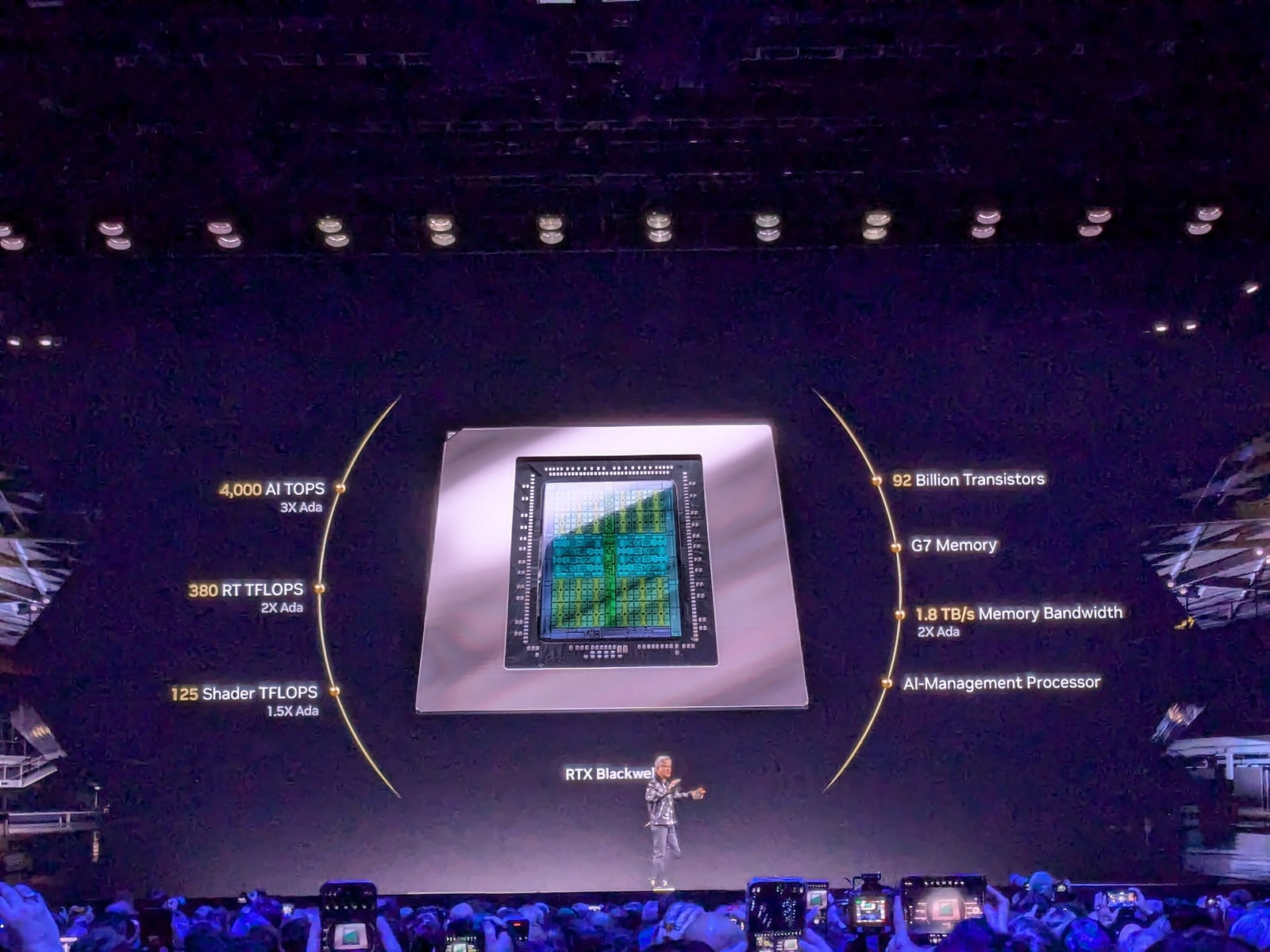
Nvidia’s board reinstated Jensen Huang as president, chief executive and a director on Monday, 23 November, reversing the position it had taken a week earlier that it was not weighing his return. The company’s own announcement says the decision took effect immediately and was approved unanimously, and Reuters reported that it was an extraordinary reversal under pressure from President Donald Trump, who had wanted the founder back in the top job. Markets moved within minutes: Reuters put the premarket gain at more than 31 per cent, Al Jazeera reported a jump of more than 33 per cent when New York opened, and the Guardian put the value added to the company at more than $1 trillion.
That is a different board from the one KhabarWire described on 17 November, when people familiar with the matter said the company would not rehire Huang even as Mr Trump said he would welcome it. Eleven days separate Huang’s resignation on 12 November from his return. The Nvidia leadership crisis hub follows the investigation, the succession fight and the chip-supply consequences.
What the board said, and what it left open
Nvidia’s account of its reasoning is unusually direct for a company that reversed itself inside a week. The board said it had held “a series of discussions and meetings” with Huang and had become “satisfied with respect to Mr. Huang’s candor and ability to lead NVIDIA”. It added that, in reaching its decision, it had “received input from senior levels of the United States government” and was confident his reinstatement “poses no national security risk”. Harvey C. Jones, who became the company’s first-ever chair on 12 November, said the board believed Jensen was “the right person to lead NVIDIA” and that his return was “in the best interests of our stockholders, employees, partners and customers”.
Mr Trump welcomed the decision, calling it “the correct and proper decision” and saying “the country needs Jensen’s leadership” at Nvidia, the Guardian reported, adding that Attorney General Todd Blanche had “confirmed that the US government does not possess evidence that he has engaged in any unlawful conduct”. The same account reported that hours before the announcement came reporting that the businesswoman at the centre of the allegations had been in contact with an official in China’s spy agency.
The vote did not close every file. The independent committee’s investigation into the allegation that Huang was the target of a foreign intelligence effort “will proceed to conclusion”, Nvidia said, and Huang has committed to cooperate with it. Nvidia has also set up a board committee of independent directors on export control and national security, and is searching for a chief compliance officer. Colette Kress, who ran the company as interim chief executive for eleven days, stays on as chief financial officer, The News International reported. And the return came despite investigations by the Securities and Exchange Commission and the Department of Justice that Al Jazeera described as still under way.
The market’s verdict: about $1 trillion in a morning
The shares opened about 30 per cent higher, lifting the market value of the company by roughly $1 trillion, the BBC reported, with the tech-heavy Nasdaq up 6.5 per cent in early trading. Micron rose 19 per cent, Intel 14 per cent and AMD nearly 7 per cent, the BBC said. Al Jazeera put the broader indexes at 6.7 per cent for the Nasdaq, 2.8 per cent for the Dow and 4.6 per cent for the S&P 500 in early trading.
The move landed on a volatile fortnight for the artificial-intelligence trade. Anthropic’s Wall Street debut last week rose 34 per cent before sliding more than 16 per cent, and Nvidia had committed $10 billion to that initial public offering, Al Jazeera noted. On Friday, 20 November, Nvidia shares fell nearly 14 per cent after reports that the Securities and Exchange Commission was investigating the company over its accounting practices — reporting the BBC relayed from Reuters and said it could not confirm.
Analysts read the reversal as a risk calculation rather than a verdict on conduct. Dan Ives of Yorkville Ives said the board had no choice because the alternative was entering a crucial period without its founder, and called the move the “bigger risk to shareholders” avoided, Al Jazeera and the Guardian reported. Kathleen Brooks, research director at XTB, described Huang as the “godfather” of artificial intelligence whose return suggested more of the same on “circular financing” and infrastructure spending, the BBC said.
Why the pressure built
Three forces pushed the board. The first was an employee and shareholder campaign: a petition for Huang’s reinstatement passed 180,000 signatures, Reuters reported through The Express Tribune, and Elon Musk signed it. After the announcement Musk posted “Welcome back the main man”, the Guardian reported.
The second was the White House. Mr Trump’s position cut against his own Treasury Secretary, Scott Bessent, who had called for an outsider to run the company, KhabarWire reported at the time. The third was that prediction-market traders had already lifted the implied probability of a return from about 10 per cent to 18 per cent overnight, the Guardian reported.
The files that stay open
The corporate-governance file is not closed by a vote of confidence. The foreign-intelligence investigation continues, the Securities and Exchange Commission and Department of Justice inquiries continue, and the accounting question raised on 20 November is unanswered. Huang has also agreed to testify before Congress, including the House select committee on China, KhabarWire reported on 17 November.
The export-control file is live and growing. Nvidia’s board-level export-control committee and compliance-officer search come in the same week as the White House’s further restrictions on China’s access to advanced chips, which KhabarWire described in its account of the 17 November standoff: interim Commerce Department rules require firms in Singapore, Thailand, Malaysia, Indonesia and Brazil to apply for licences for the most advanced chips.
The third file is the question the board’s own language raises. A board that says it took “input from senior levels of the United States government” before restoring its founder has described the decision as jointly owned, which for a company whose licences and customer relationships depend on Washington carries consequences beyond one executive.
What a reversal means for the buyers of AI compute
Nvidia dominates the market for the processors that modern artificial-intelligence systems run on, and the BBC’s assessment of how much rides on the company’s founder put its financial weight plainly: up to 200 people report directly to Huang, and Nvidia is both a chip supplier and a financier of the firms that buy from it, lending to or investing in customers including Meta, SpaceX and OpenAI. For buyers outside the United States, chip supply no longer depends on an open succession process, pricing now tracks a single board’s judgement and the US export-licensing regime — which is why the same week brought a 30 per cent share gain and a 14 per cent share fall — and the compliance perimeter inside the company has widened.
For Pakistan, where the government opened its first AI cloud and data centre, the Sky47 facility in Rawalpindi, in July, and this month opened a National Catapult network starting with semiconductors, the practical question is not who runs Nvidia but what a stable order book and a tightening licence regime do to the price and allocation of the accelerators those plans assume. Pakistan is not among the jurisdictions named in the interim Commerce rules, so the immediate licensing exposure sits with buyers in those markets; price and allocation remain the channel through which today’s decision reaches Pakistani buyers.
What to watch next
The first results Huang presents as chief executive will test whether the market’s relief survives contact with the numbers. The investigation into the foreign-intelligence allegations is the slowest and most consequential thread: it will decide whether the board’s confidence in Huang’s candour closes the affair story or reopens the leadership question. Export licence decisions will show whether the administration’s pressure on the company survives the decision it won today, and the accounting story, still unconfirmed, is the one thread that could undo the market’s verdict by a different route entirely.