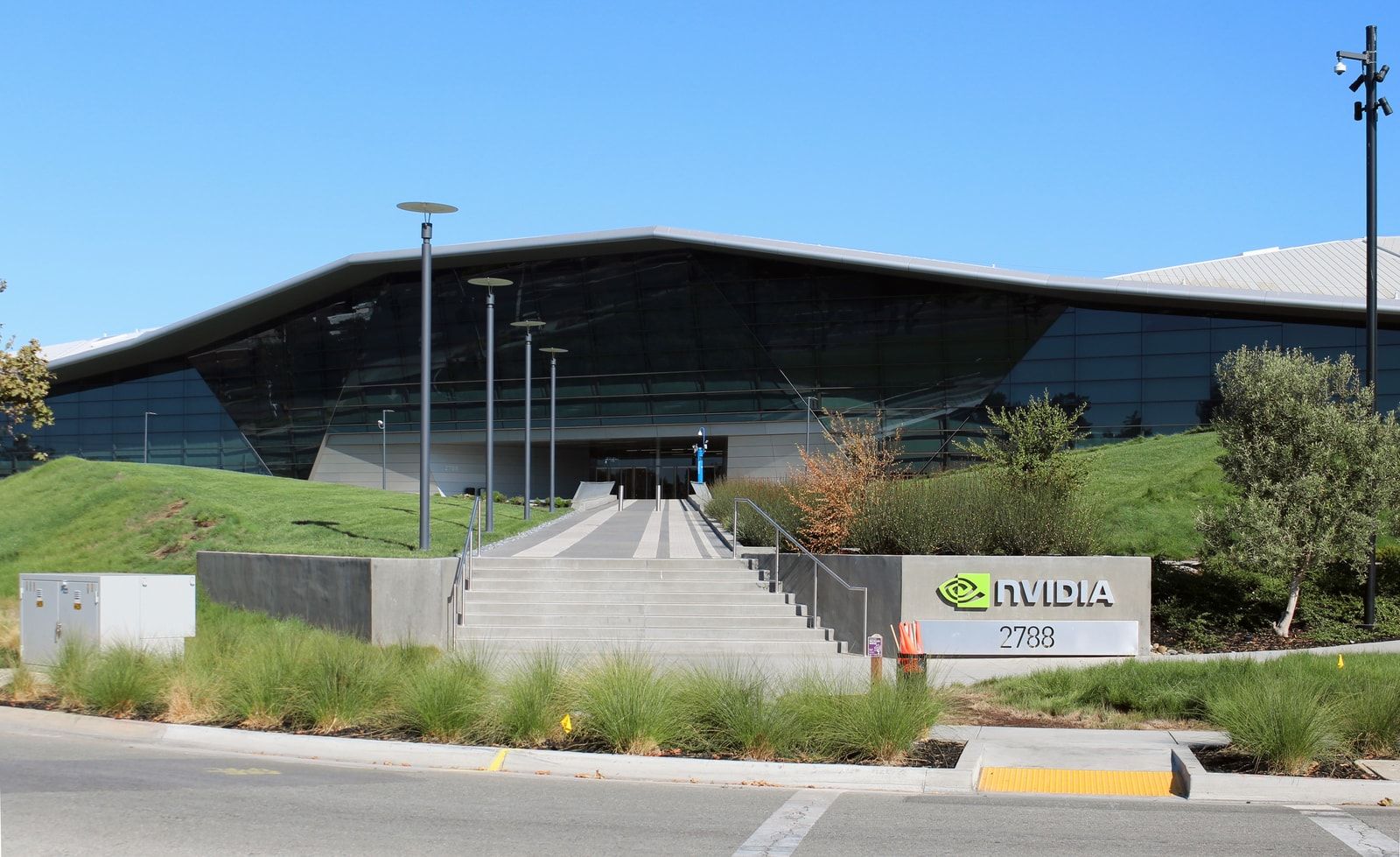
Reporting snapshot · 16 November 2026 (Asia/Karachi). United States markets have not opened, so the market figures below are as they stood in early Asian trading on Monday. The open letter's signature count is still climbing, and the ten-day deadline runs out around 26 November. Nvidia's board has not said whether it will answer, and the independent investigation into Jensen Huang's conduct is still open.
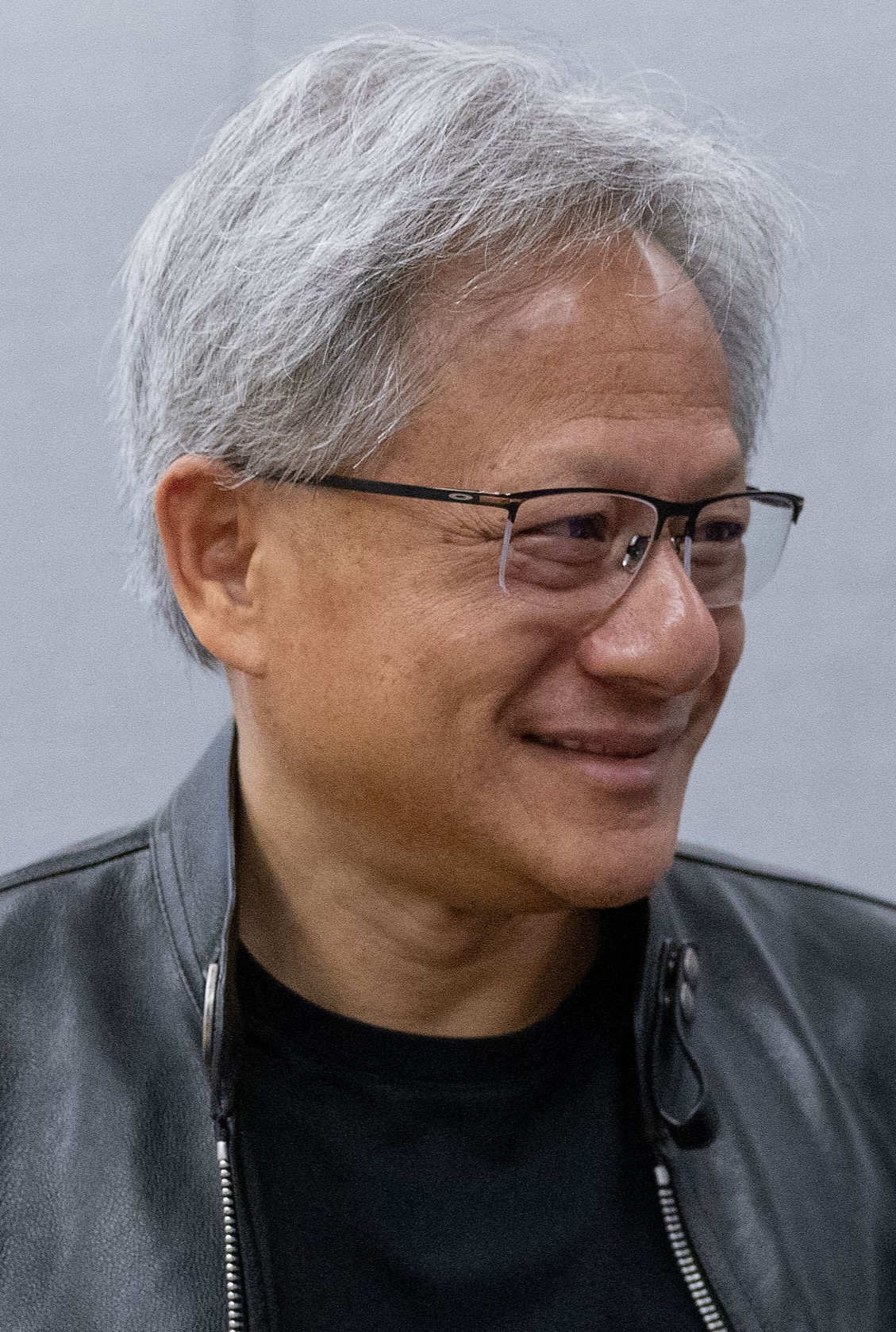
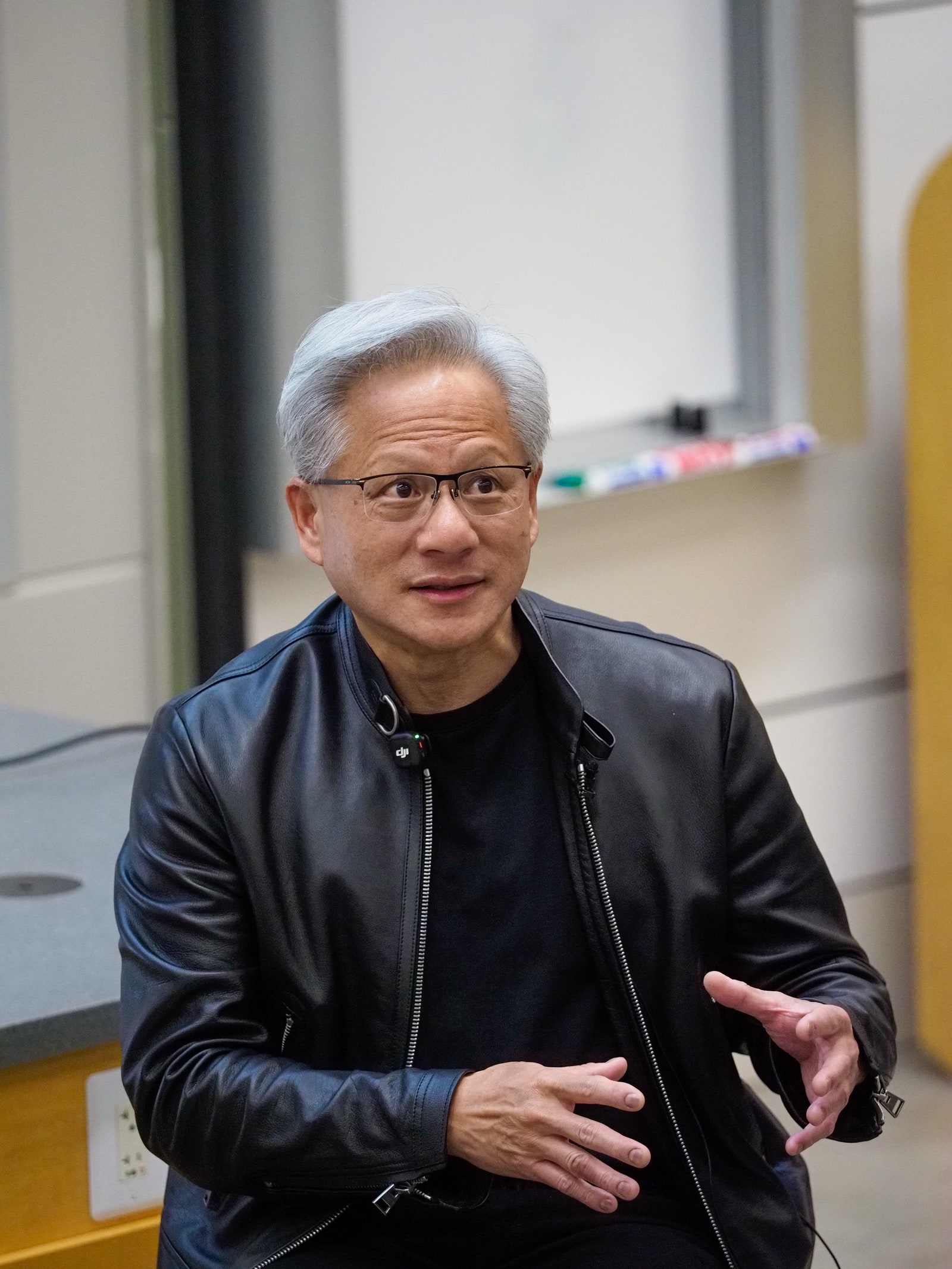
Two things moved on Nvidia on the weekend, and they pulled in opposite directions. In Washington, Treasury Secretary Scott Bessent said the company’s board should look outside for its next chief executive and set a ten-day deadline for answers on whether the chipmaker knowingly let its most advanced artificial-intelligence chips reach China, Al Jazeera reported. In Silicon Valley, an open letter asking the board to reinstate Jensen Huang passed 165,000 signatures, with more than 7,500 of them from Nvidia employees, The Guardian reported on Monday.
The standoff follows the resignation KhabarWire reported on 13 November, when founder Huang stepped down as president and chief executive with no explanation and chief financial officer Colette Kress took charge on an interim basis. The Nvidia leadership crisis hub follows the investigation, the succession and what a leadership change means for chip supply and export controls.
A deadline set in Washington, not by the board
Bessent made the comments on Fox News’s Sunday Morning Futures programme, saying that as the board searches for a successor “they need to go outside the company” because of “what was going on inside the company” and “they need a dramatic shake-up”. He added: “I think we need answers in the next 10 days from the board and from the outside counsel,” pressing on whether the chipmaker had “a culture of compliance around the US export restrictions” and whether it had pressed “seemingly illicit sales to goose their revenues and their earnings”, Al Jazeera reported.
Asked whether new legislation was needed to close export loopholes, Bessent told the host Larry Kudlow: “I don’t think we need the legislation. We have all the rules we need; we just need them enforced.” He said the more advanced chips could not be sold to China — “Nothing above the H200s can be sold to the Chinese” — after President Donald Trump authorised sales of H200 chips to China in late 2025.
Congress is pressing on a separate track. Republican senator Jim Banks and Democratic senator Elizabeth Warren have sought to use the year-end defence bill to close loopholes that Chinese companies can use to obtain advanced American-designed semiconductors, Al Jazeera said. For its part, the Nvidia board has said only that it is “initiating a search” and will consider internal and external candidates, in the announcement that accompanied Huang’s departure.
A petition with six figures on it
The letter itself, published on a site called Stand with Jensen, asks the board to “bring Jensen back while an independent investigation establishes the facts”, The Guardian reported. Its signatories include Elon Musk, Epic Games founder Tim Sweeney, Y Combinator president Garry Tan and Uber co-founder Travis Kalanick, who wrote that Huang had “erred, yes – to err is to human – but I do not believe anything he has done rises to the bar of separating him from his company”.
The Guardian counted more than 165,000 signatories on Monday, including more than 7,500 who identified themselves as Nvidia employees, roughly 18 per cent of the workforce if the count holds. The Express Tribune reported the same petition at more than 130,000 signatures on Sunday, with thousands from current and former employees and shareholders — the two counts reflect the letter still collecting names rather than a disagreement about the petition itself.
Behind the petition, The Guardian reported on Monday that Huang has discussed a possible return with people close to him, and that one ally was assembling a “war room” of Silicon Valley executives to lobby for it and to gather support in the White House. Two major investors, Brad Gerstner and Gavin Baker, urged the board on Friday to keep all options open.
Megaspeed answers, and a senator asks questions
The company at the centre of the espionage allegation has now spoken. Megaspeed International, the Singapore-based cloud computing firm that was one of Nvidia’s largest foreign customers, said on Sunday that it was “aware of recent media reports containing assertions about our business, supply chain and global operations that are not supported by verifiable evidence”, The Guardian reported. It said Alice Huang, its former director, “officially left Megaspeed effective August 30, 2025 and currently has no role with the company”, that it had “retained external legal counsel to conduct a thorough internal investigation”, and that it designs its supply-chain controls “to comply with all applicable laws and regulatory regimes, including United States export control requirements”.
Megaspeed bought nearly US$5bn of AI chips and advanced hardware from Nvidia in the past three years, The Guardian reported, and a US senator has asked the commerce department to investigate whether the company diverted Nvidia chips to China. Beijing has denied the allegation that Alice Huang worked for Chinese intelligence, calling it “entirely groundless, speculative and intended to smear and malign China”, Al Jazeera said.
What the board’s own inquiry has turned up so far
Reuters reported, as The Express Tribune carried it, that internal correspondence shows Huang told general counsel Tim Teter and chief marketing officer Alison Wagonfeld that his interactions with Alice Huang were ordinary business dealings with a customer. Huang apologised in a statement on Sunday for being unfaithful to his wife and for disappointing the company, without naming Alice Huang.
The independent directors’ inquiry, which the board entrusted to former acting US attorney Joon H. Kim and his firm Wachtell, Lipton, Rosen & Katz, has not reported. Huang and other Nvidia officials have agreed to testify before Congress, according to officials cited by The Guardian, but no date has been set.
The market and the earnings test
The turmoil has knocked roughly $600bn off Nvidia’s value, and the sell-off in AI-linked stocks was continuing in Asia-Pacific markets on Monday as traders weighed reports of a possible comeback, The Guardian’s business live coverage reported. The stakes rise with Kress due to present Nvidia’s quarterly results on Tuesday.
The candidates in play are thin and unsettled. The board has floated Arm Holdings chief executive René Haas, according to the Financial Times, and Trump named former Apple chief executive Tim Cook. The alternative, the petition makes clear, is Huang himself, returning to a company whose independent directors have not yet finished looking into how he behaved.
Why the export question decides what buyers can get
What Bessent is pressing for is not only about one company’s leadership. The question he put to the board — which systems were sold, to whom, and under what compliance checks — is the same question that governs the hardware available to buyers outside the United States. That includes the operators of Pakistan’s first AI-ready data centre, the Sky47 facility in Rawalpindi that KhabarWire reported was inaugurated in July: the same allocation rules and the direction of American export policy decide what hardware they can buy and on what terms.
Three dates will tell. The ten days Bessent gave the board run out around 26 November. Nvidia reports on Tuesday, 17 November. And the independent investigation has to say something before the board can credibly close its search for a permanent chief executive, whether that search ends with a candidate or with the founder.