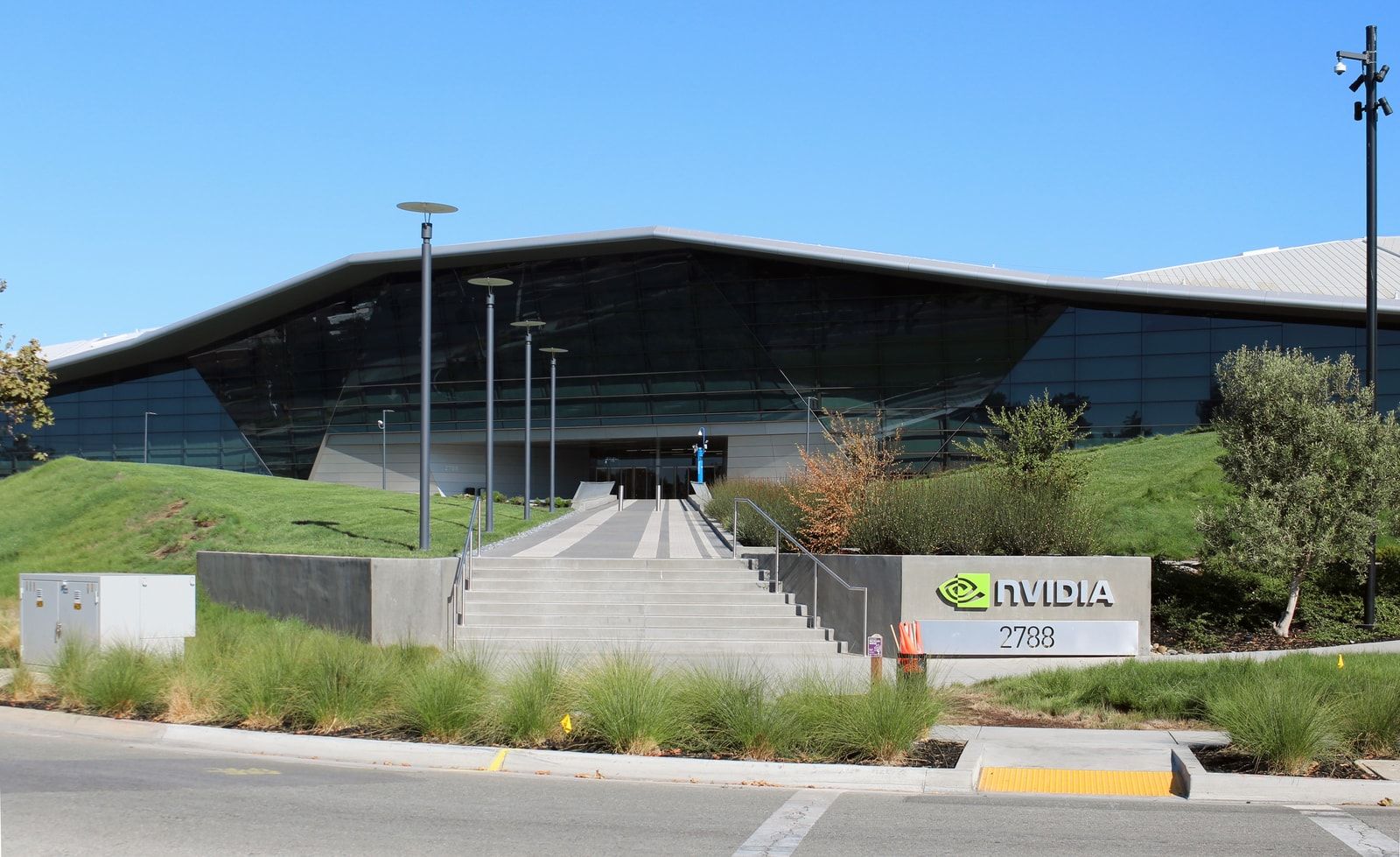
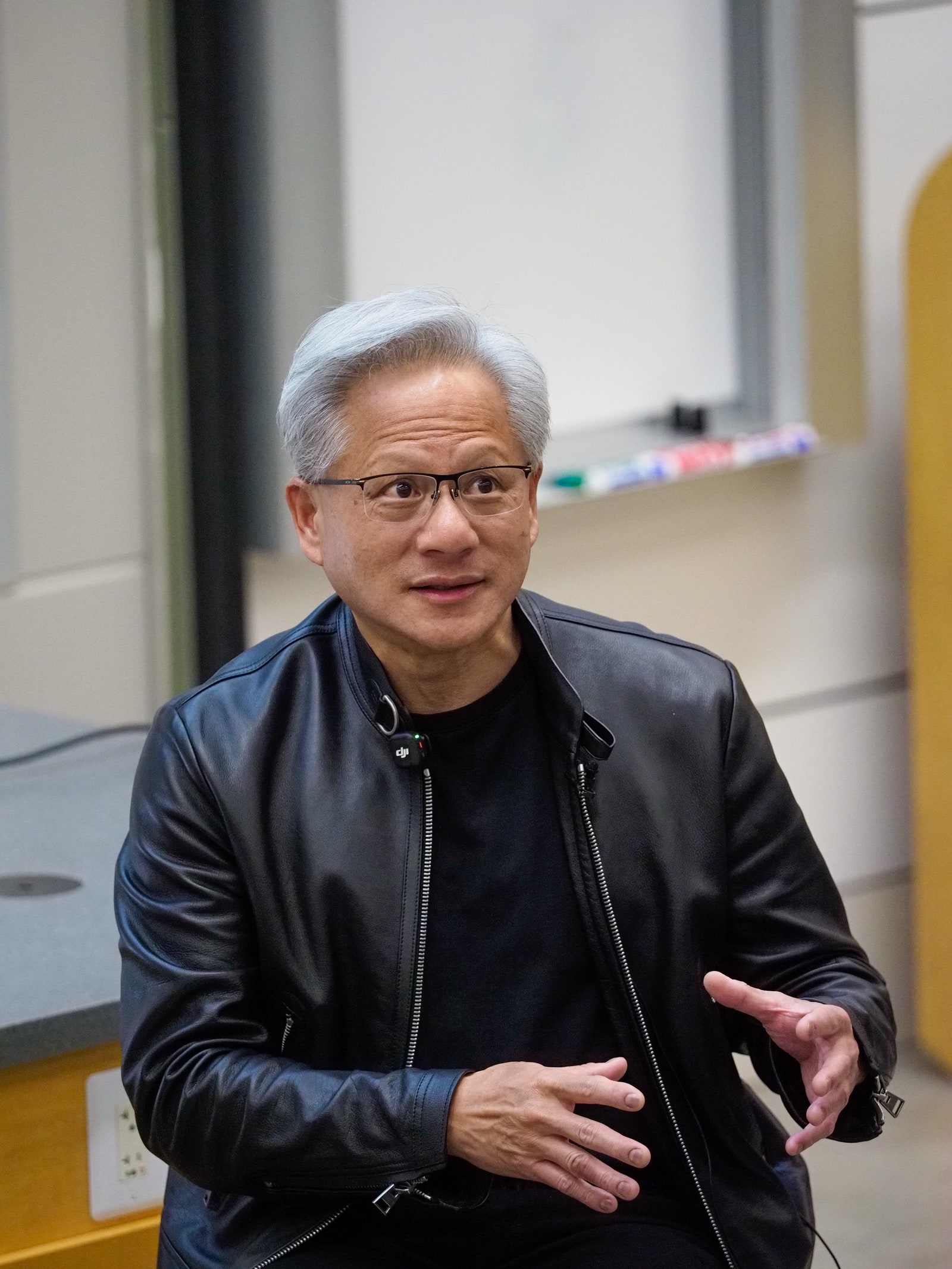
Reporting snapshot · 13 November 2026 (Asia/Karachi). Nvidia announced the change on Thursday 12 November and gave no reason for it, and the US session was still trading when this was written, so the share-price and market-value figures below are intraday. The independent investigation into whether Huang was the target of a foreign intelligence operation is still open, and no permanent successor has been named.
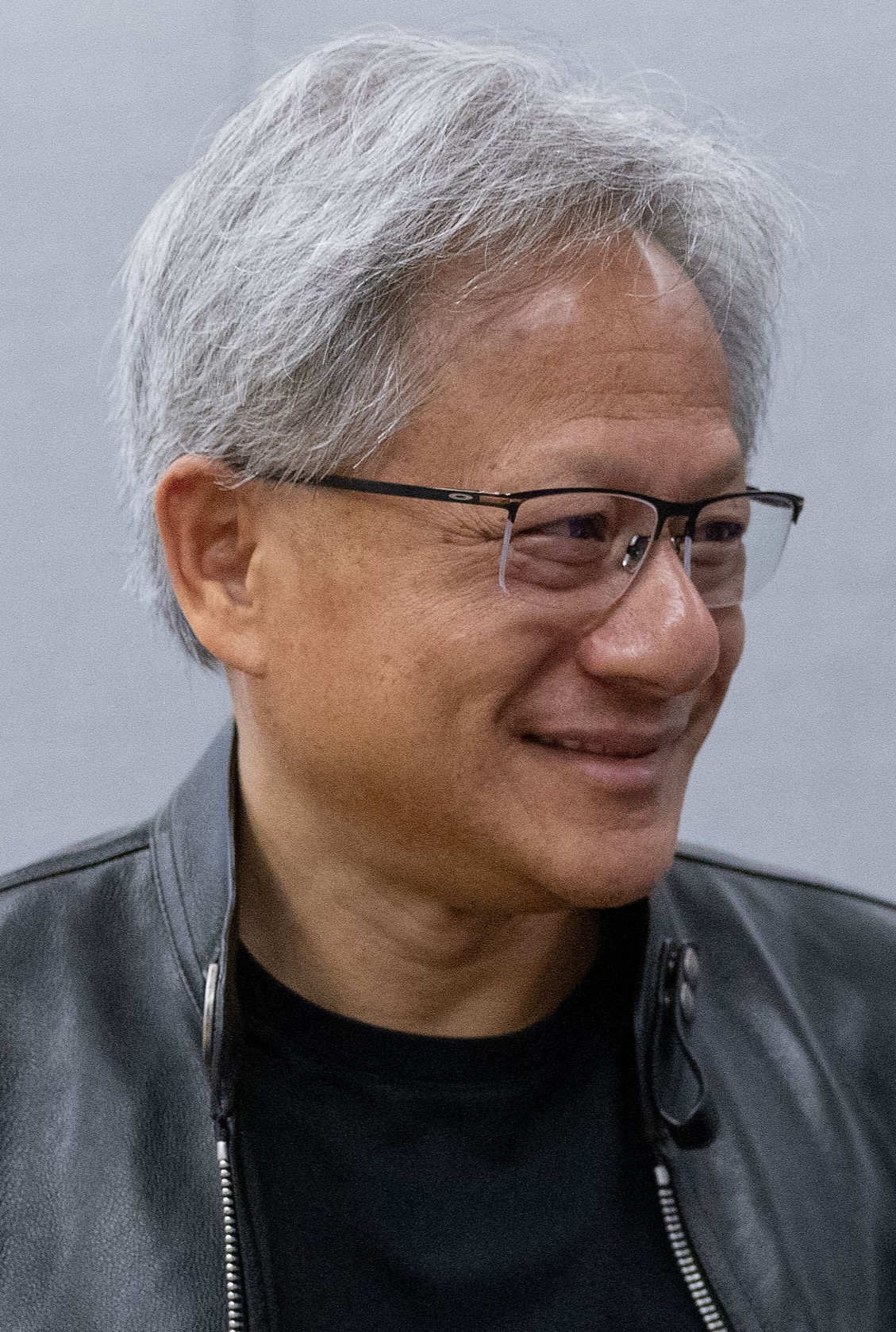
Nvidia’s board of directors announced on Thursday 12 November that founder and chief executive Jensen Huang had resigned as president, chief executive and a member of the board, effective immediately, the company said in a statement. Chief financial officer Colette Kress, who has held that post since September 2013, was named interim chief executive while the board searches for a permanent successor, and Harvey C. Jones was appointed the company’s first-ever chair of the board.
The decision ends a week in which Nvidia’s board met to weigh Huang’s position, and it comes with the company still at the centre of a national-security investigation and a shareholder lawsuit. KhabarWire reported the board’s deliberations on 12 November and the opening of an independent inquiry on 9 November. The Nvidia leadership crisis hub follows the investigation, the succession and what a leadership change means for chip supply and export controls.
What Nvidia’s statement left unsaid
The company’s statement paid tribute to Huang without explaining his departure, and it did not mention either the espionage allegations or the reports of a second affair with a company executive. “Jensen’s contributions to Nvidia are profound,” the board said, adding that the company thanked him “for his immeasurable contributions to the company and the industry”. Reuters reported that Huang, who co-founded Nvidia in 1993 and holds about 3.61 per cent of the stock, will also leave the board.
The investigation itself is separate and unresolved. The independent members of the board retained Joon H. Kim, a former acting United States attorney for the Southern District of New York, and his firm Wachtell, Lipton, Rosen & Katz in October to examine whether Huang had been the target of a foreign intelligence operation. Beijing has rejected the allegation that Alice Huang, a former executive at the Singapore-based data centre firm Megaspeed, worked for Chinese intelligence, and in its statement of 8 November Nvidia said the board had no reason to believe company secrets had been compromised.
Jones, a venture investor of more than 30 years who was chief executive and then executive chairman of Synopsys, said the board had “full confidence in Colette and the leadership team” and expected operations, customer commitments and the product roadmap to continue “without interruption”. Kress said Nvidia’s “strength has always come from its people” and that she was committed to building on “the extraordinary foundation Jensen created over the last 33 years”.
A $4tn company with no named successor
The succession is the open question. Nvidia has said only that the board is “initiating a search” and will consider “internal and external candidates”, and it confirmed on Thursday that it will report third-quarter results on 17 November.
Trump, who had defended Huang as the scandal escalated, moved on to possible successors within hours, saying there was “only one man to take his place — TIM COOK of Apple”. Cook stepped down as Apple’s chief executive in September and is now its executive chair. Other names floated in the reporting include Renée Haas, chief executive of Arm Holdings, and Lisa Su of AMD, while inside Nvidia the options are co-founder Chris Malachowsky and Ian Buck, who runs the company’s high-performance computing business. The BBC set out how each candidate might fit a company whose founder set the pace.
Analysts were split on how much of the disruption is execution and how much is sentiment. Gil Luria of D.A. Davidson told Reuters that Kress “is well respected by investors and should be able to guide Nvidia through this challenging period”, while Ben Barringer of Quilter Cheviot said the change threatens to “harm the wider AI ecosystem in the longer-term”, because Huang was “hugely influential in the debates around AI regulation”, The Guardian’s live coverage reported. Ray Wang of Constellation Research told the BBC the real issue was trust: partnerships and investments had been made because of trust in Huang.
How Nvidia’s valuation was repriced
The scale of the sell-off was reported differently by different outlets at different hours, and the differences track the trading. Shares were down more than 10 per cent in premarket trading, Reuters reported, and Al Jazeera said the market value fell below $4tn for the first time since 2025, with the Nasdaq down 0.6 per cent as the session opened.
The Guardian’s live coverage put more than $575bn off the value of the company at the start of trading, with shares tumbling more than 13 per cent to $149.79 from $173.73 the previous night, and said the loss over the week had reached $888bn by about 14:33 GMT. By 17:45 GMT, after a partial rebound that left the shares down about 7 per cent, The Guardian reported more than $320bn lost on the day and more than $600bn over the week, valuing Nvidia at about $3.9tn. The BBC described the opening fall alone as having wiped more than half a trillion dollars off the market value.
Bernstein’s Stacy Rasgon halved the company’s share price target, saying “we’ve had enough and prefer to watch from the sidelines”, and Al Jazeera, citing Reuters, said the shares had fallen to a 14-year low. Options traders were positioning for a longer recovery, with Seth Hickle of Mindset Wealth Management telling Reuters that “Nvidia’s competitive advantage and customers don’t disappear overnight”.
Congress and the export-control question
The scrutiny that followed Huang’s departure was already building. Hakeem Jeffries, the Democratic House minority leader, said lawmakers should receive “a classified briefing” on whether national security had been compromised, and Chuck Schumer called for an investigation into Huang’s ties and the administration’s handling of them, The Guardian’s live coverage reported. Bloomberg reported that Huang has agreed to testify before Congress before Thanksgiving, which House Foreign Affairs chairman Brian Mast confirmed to reporters, and the same live coverage reported that senior White House officials were discussing whether commerce secretary Howard Lutnick should be pushed out.
Export policy is the other pressure point. Huang was among the loudest advocates in Silicon Valley for relaxing restrictions on high-end chip exports to China, a position that put him at odds with national security hawks, and Al Jazeera noted that US trade representative Jamieson Greer said the government “remains concerned” about Nvidia. Chinese AI companies were reported to be rushing to secure chip capacity in case supply changed, and Megaspeed said it was “committed to working constructively and transparently with the US government”, The Guardian reported.
What buyers of AI hardware are asking
Trump, Xi Jinping and Vladimir Putin are all due in Asia this week for the Apec summit in Shenzhen and the Asean summit in Manila, where artificial intelligence will be on the agenda and Xi and Trump have agreed to set up a channel for AI incidents. AFP noted that the scandal threatens to cast a pall on those discussions, and that Huang, once widely expected to accompany Trump to Apec, will not be there.
For buyers of AI hardware the practical questions are the ones investors asked: who signs off on chips, on what terms, and how quickly. For Pakistan, where the first AI-ready data centre at Sky47 in Rawalpindi was inaugurated in July, that allocation question and the direction of US export rules are the parts that matter.
Earnings on 17 November, testimony and a successor
Three things will test the interim arrangement. The first is the earnings report on 17 November, which will show whether demand held up while the succession was unresolved. The second is the congressional testimony Huang has agreed to give, and the inquiry into whether the company was used to move chips to China. The third is the permanent appointment, which Nvidia has not promised a timetable for.
Huang’s departure ends an era in which one executive set the pace for the largest build-out of compute infrastructure in the history of the technology industry. Whether Kress can hold the position long enough for the board to choose a successor is now the question that Nvidia’s customers, its regulators and its largest shareholder are all waiting on.