The essential timeline
26–31 AUGUST 2026The flood strikes
A surge sweeps through Rasuwa and into the Bhote Koshi–Trishuli system. ICIMOD reports rapidly rising water around 9 a.m. [1]
A warning reaches officials
The forecasting division receives word of the flood; downstream alerts follow within four minutes. Rasuwa is already affected. [2]
The search expands
An authority update lists 626 deaths, 2,426 people unaccounted for and 4,451 rescued in Nepal. [3]
Rescue work continues
Radio Nepal reports 903 deaths and 4,347 missing, citing Nepal’s disaster authority. These are provisional figures. [4]
Times are Nepal time (UTC+5:45). The approximate onset and alert times come from different reports; they do not establish an exact minute-by-minute sequence.
Reporting snapshot · 31 August 2026. This article is not a live tracker. Counts may be revised, and Nepal-only figures must not be combined with cross-border totals. Missing people are not confirmed deaths.
A disaster moving downstream
On Wednesday, August 26, a destructive flood entered northern Nepal from the border region with China. The Kathmandu Post describes Timure, near Rasuwagadhi, being hit before the water moved towards Syaphrubesi and settlements farther downstream. Residents reported no local rainfall before the surge. The damage extended beyond homes to roads, bridges and hydropower infrastructure. The Kathmandu Post, August 26, updated August 27.
ICIMOD’s initial assessment describes water carrying sediment and boulders through the connected river valleys. It reports a rise of up to nine metres in 30 minutes at Galchchi on the Trishuli, and seven metres over a similar period at Malekhu. These are observations at specific locations, not the depth of flooding everywhere. ICIMOD, August 26 advisory.
Rescue, relief and families waiting for news
By August 29, search operations were reaching across northern and central Nepal. The Kathmandu Post reported that teams were moving families away from hazardous areas and clearing debris to restore access. Its 10 a.m. disaster-authority update recorded 101 injured people receiving hospital treatment. The Kathmandu Post, August 29.
The August 31 Radio Nepal bulletin put the number rescued at 10,459 and the number injured at 267. More than 20,800 security personnel were participating in operations. The bulletin also described helicopter rescues and deliveries of food, medicine and other supplies. A rescue count is not a count of people who have returned home or no longer need help. Radio Nepal, August 31.
The trigger is still being investigated
ICIMOD’s early assessment points to a possible ice-and-rock avalanche entering the Lende Khola. Scientists were also examining whether debris temporarily dammed the river before water escaped. The advisory did not establish a causal link between seismic activity and the flood. It also cautioned that attributing this particular event to climate change was premature. Those distinctions matter: a suspected chain of events should not be presented as a completed investigation. ICIMOD’s preliminary assessment.
Warning failures are another central question. The Kathmandu Post reports that upstream monitoring equipment was swept away before it could send alerts. The disaster exposes the difficulty of protecting downstream communities when the first information arrives only after a flood has crossed the border. The Kathmandu Post’s warning-system reporting.
Photographs and further updates
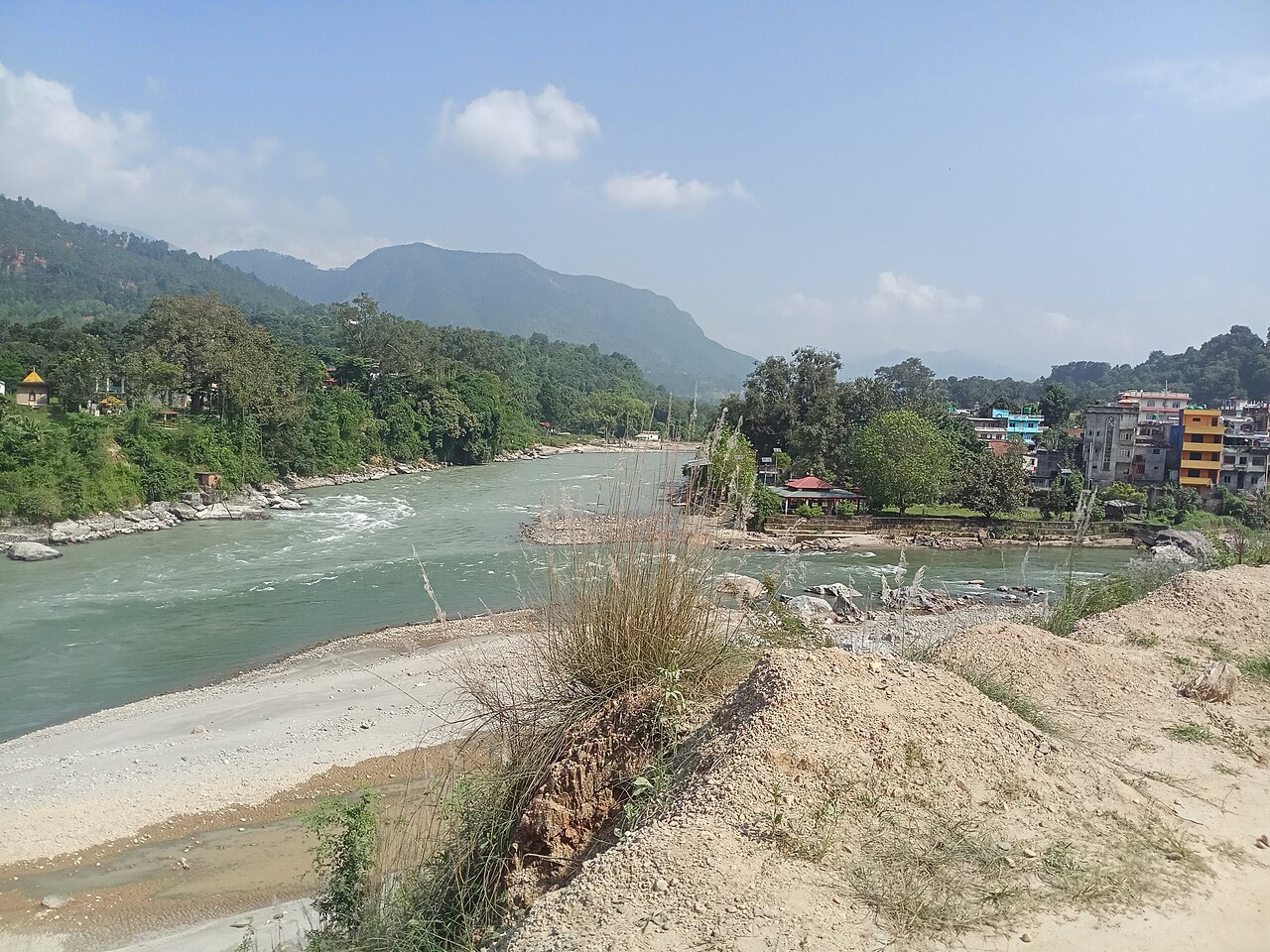
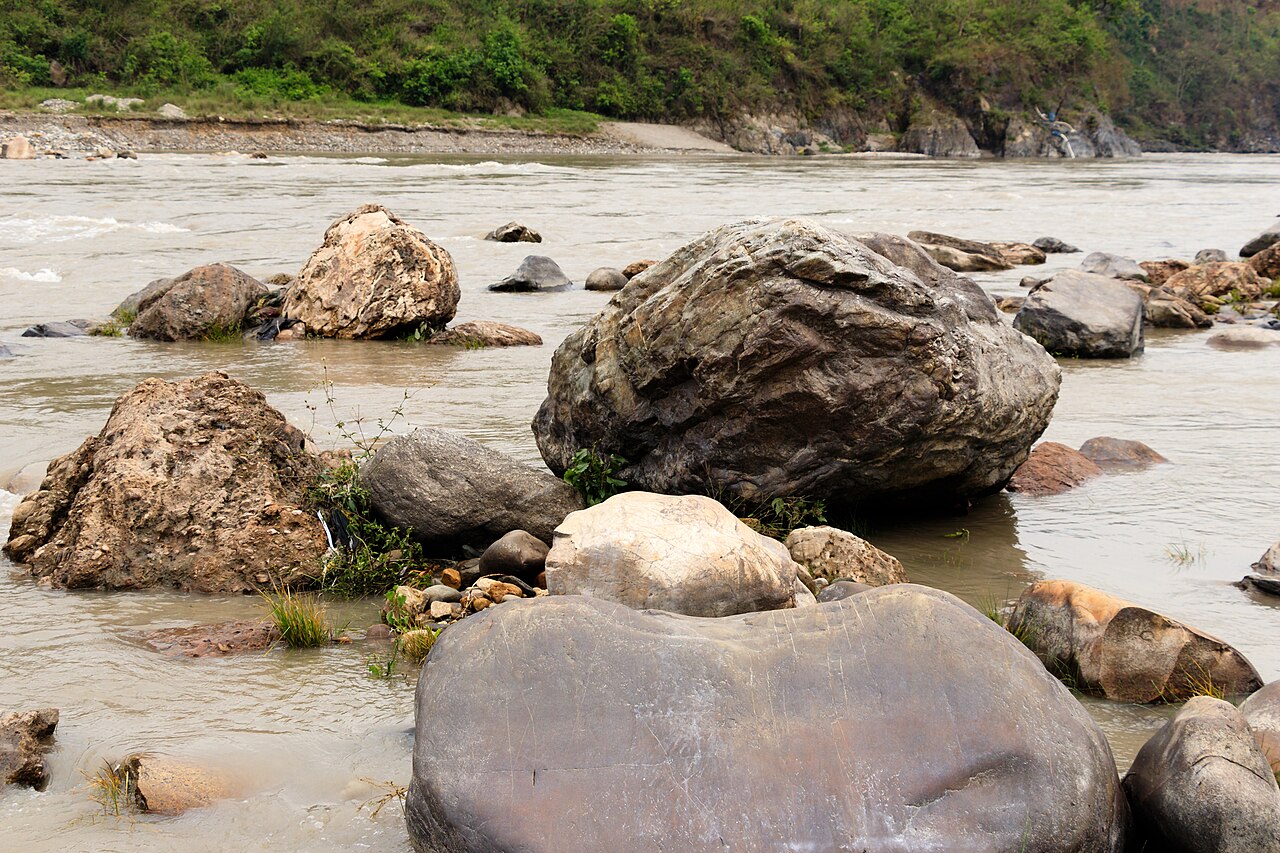
The two photographs here show the river landscape before the disaster. For contemporary images, see the Associated Press’s August 26 flood photo coverage and The Kathmandu Post’s illustrated reporting. Those publishers’ photographs are linked, not republished under an assumed license.
Readers should check current notices from Nepal’s Department of Hydrology and Meteorology and the National Disaster Risk Reduction and Management Authority for subsequent official information. This dated account does not establish present travel conditions or an all-clear for affected areas. Pakistan warned of glacial lake outburst floods in July, and its monsoon death toll reached 113 by 29 July.