What happened
The Pakistan Meteorological Department on Sunday, 26 July 2026, issued a fresh warning over the threat of glacial lake outburst floods (GLOFs) in Gilgit-Baltistan and Khyber Pakhtunkhwa, saying unseasonably warm temperatures and intermittent rainfall would accelerate the melting of snow and ice through the first week of August, Independent Pakistan reported.
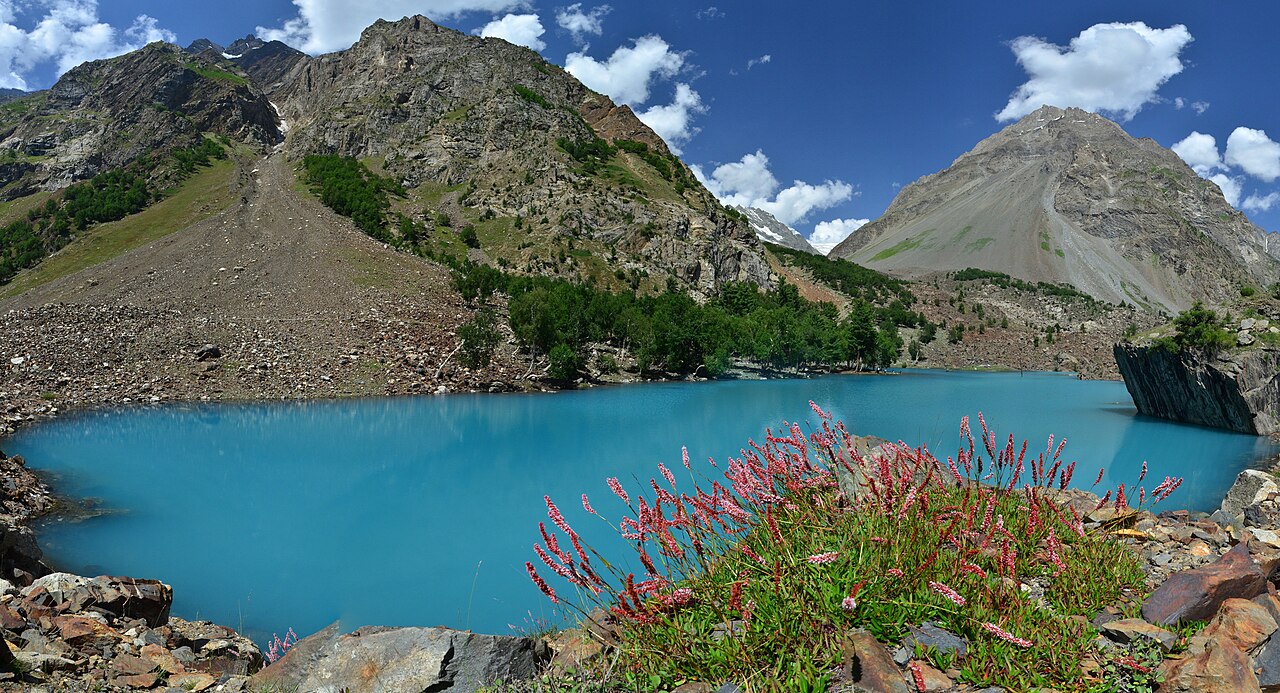
The department said river levels in the region were likely to remain elevated, that existing glacial lakes could expand rapidly, and that new lakes might form as meltwater accumulated behind unstable walls of ice and rock debris.
“This significant warming with intermittent rain will substantially accelerate snow and ice melt in the glaciated valleys of these regions,” the department said, warning that the resulting pressure could destabilise the natural dams holding many of these lakes in place and trigger a sudden release of water and debris down mountain valleys.
The alert builds on an earlier warning issued on 17 July. Meteorologists also flagged a heightened risk of landslides, saying thawing permafrost combined with surface water could send heavy mudflows and debris down steep slopes in the coming days.
Residents in glaciated and snow-bound valleys were urged to stay away from riverbanks, streams and local waterways, and to avoid camping or trekking near glacial lakes and narrow mountain valleys, while disaster management authorities were told to remain on alert around the clock.
Why it matters
The warning came as flash floods and glacial outburst events continued to cut off large parts of Gilgit-Baltistan. A key bridge was swept away by recent flooding, severing road access to four districts of Baltistan for a fifth consecutive day.
Authorities have been working to install a temporary iron Bailey bridge near Sassi, Haramush and Ansar Camp to restore the Baltistan Highway. Gilgit-Baltistan Chief Minister Amjad Hussain said on Sunday that he had ordered the immediate restoration of all affected highways and communication links, and that the bridge was expected to be completed by the end of the day. He said soldiers from the Pakistan Army, engineers from the Frontier Works Organisation, labourers and officials from the National Highway Authority and the Gilgit-Baltistan Disaster Management Authority (GBDMA) had been working day and night to reopen the route.
According to a disaster summary released by the GBDMA on Sunday, the region has recorded 89 separate flash flood, mudflow, river erosion, cloudburst and GLOF events so far this monsoon season. The toll includes 130 houses destroyed and a further 162 damaged, along with 20 bridges and more than 18 kilometres of road left in ruins. Some 230 people have been displaced and 73 livestock lost. GBDMA Director General Ataur Rehman Kakar said heavy machinery had been deployed and restoration work was continuing around the clock, but several major routes remained closed, including the Baltistan Road, Haramosh Road, Naltar Road, Hisper Road, the Astore Valley Road at Khachak, and the Hushe Valley Road at Rout Longba in Ghanche district.
More than 7.1 million people living in Gilgit-Baltistan and Khyber Pakhtunkhwa are considered vulnerable to GLOFs, according to figures from Pakistan’s climate change ministry. The country is home to more than 13,000 glaciers, the largest concentration outside the polar regions, but scientists have recorded around 10,000 of them retreating across Chitral and Gilgit-Baltistan as global temperatures rise.
Khyber Pakhtunkhwa’s disaster management authority issued its own warning on Sunday, naming Upper and Lower Chitral, Upper Dir, Swat, Upper Kohistan and Mansehra among the districts at risk. It urged the public to avoid unnecessary travel, told tourists not to camp or trek in vulnerable areas, and advised residents to watch for sudden changes in the colour of river water or unusual sounds as possible early warning signs.
The renewed alerts came against the backdrop of a punishing monsoon season nationwide. Heavy rains have killed at least 107 people and injured 344 others across Pakistan since 26 June, according to the National Disaster Management Authority, with the bulk of the deaths recorded in Khyber Pakhtunkhwa and Punjab, where flash floods, collapsing walls and roofs, and electrocutions have taken a toll.
What is still uncertain
The GLOF warning and the damage figures rest on assessments by the meteorological department and the GBDMA, and the full extent of this monsoon season’s losses has yet to be tallied. The timeline for reopening the remaining roads is not fixed, and officials have warned that further warm weather and rain could cause existing glacial lakes to expand or new ones to form.
Sources & reporting notes
This is a summary of published reporting, not independent reporting. Details are as carried by the cited source, which was reviewed on 26 July 2026.
- Independent Pakistan — "Pakistan issues fresh glacial flood warning as Gilgit-Baltistan remains cut off for fifth day"26 July 2026 · The PMD GLOF warning, at-risk districts, GBDMA damage figures, the severed Baltistan Highway and the nationwide monsoon toll.