Reporting snapshot · 29 November 2026 (Asia/Karachi). Casualty figures come from witnesses, local rescue workers and the exiled National Unity Government. Myanmar's military has not commented on the strikes, and some video from the scenes has not been independently verified. The toll may rise.
At least 30 people were killed in Myanmar military air strikes on Saturday, including at a wedding venue in the country’s north-east and a market in the western state of Rakhine, according to witnesses and local rescue officials. The attacks came days after the International Court of Justice found the military had committed genocide against the Rohingya, and a week in which air strikes across the country killed scores of civilians.
The deadliest of Saturday’s strikes hit a wedding venue in Moe Bye, a town in southern Shan State near the border with Kayah, also known as Karenni State. The wedding was for a couple displaced by the fighting, a witness told AFP, and guests had gathered when an aircraft was heard overhead. The witness said he found 17 bodies and many wounded when he reached the scene. “I was shocked and didn’t know who to rescue first,” he said, according to the Guardian.
The leader of the Nway Oo Yaung Chi Foundation, which helps displaced people in camps in the area, put the death toll at 21, including five children, and said more than 40 people were wounded. A second bomb was dropped after rescuers arrived, he added, speaking on condition of anonymity. BBC News reported the same toll at the wedding site, citing rescuers. The military controls Moe Bye town, but opposition forces operate in the surrounding countryside, where many people displaced by the civil war have sought shelter.
A market hit in Mrauk-U
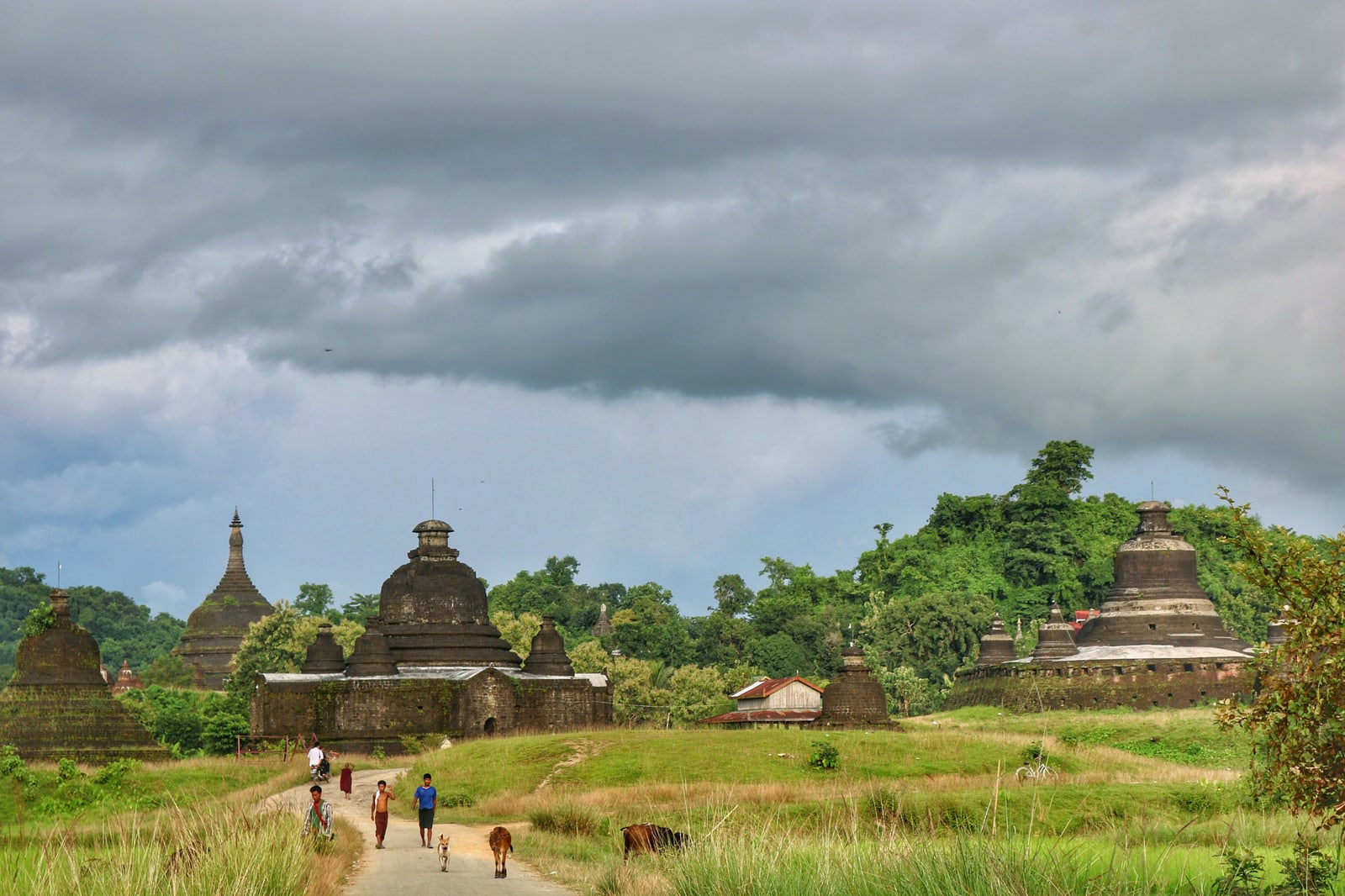
In Mrauk-U, a town in Rakhine State, a market was struck on Saturday. Hla Maung Oo, the head of a local funeral organisation, told AFP that nine people had been killed. Al Jazeera reported that the market was one of several sites hit, alongside a wedding party, a school, a monastery and a camp for displaced people.
The BBC reported that a residential area in Mrauk-U was bombed at about 20:00 local time, killing more than 10 people and injuring about 20 others. Witnesses also described a second strike on the town late on Saturday. The accounts may refer to overlapping attacks, and the total number killed in Mrauk-U could not be independently established. Mrauk-U lies in Rakhine State, much of which is controlled by the Arakan Army, one of the strongest ethnic armed groups fighting the military.
Saturday’s attacks followed a strike on Thursday in central Myanmar’s Magway region. The exiled National Unity Government (NUG) said 29 people were killed there, including 20 civilians, among them women, children, teachers and young monks, and nine members of the anti-military People’s Defence Force. The NUG said the attack centred on a school and monastery. A teacher told AFP that the bomb fell where parents had assembled to collect their children after hearing an aircraft.
A Telegram channel aligned with the military said the Magway strike was carried out after a tip-off that People’s Defence Force members were holding a ceremony after training. The military has not commented on the wedding or market strikes, and it was not possible to contact it about them.
A ruling without a police force
The strikes came nine days after the ICJ ruled that Myanmar had committed genocide during its 2017 “clearance operations” against the Rohingya, the first time the United Nations’ highest court has found a state responsible for genocide. The court found that the military’s campaign included systematic killing, rape and the destruction of property, the Guardian reported. The judgment is binding and cannot be appealed, but the court has no mechanism to enforce it.
Myanmar’s leader, Min Aung Hlaing, who led the 2021 coup and was installed as civilian president this year after elections that were widely criticised, said his government would not comply with “inappropriate” aspects of the ruling, state media reported on Thursday.
The ruling has not changed the conduct of the war. Air strikes have been a near-daily feature of the conflict since the 2021 coup, with the military relying on air power in areas it cannot control on the ground. Villages have been burned and ground offensives launched against territory held by the NUG and ethnic armed organisations. The conflict monitoring group Acled says more than 100,000 people have been killed on all sides since the coup, the Guardian reported.
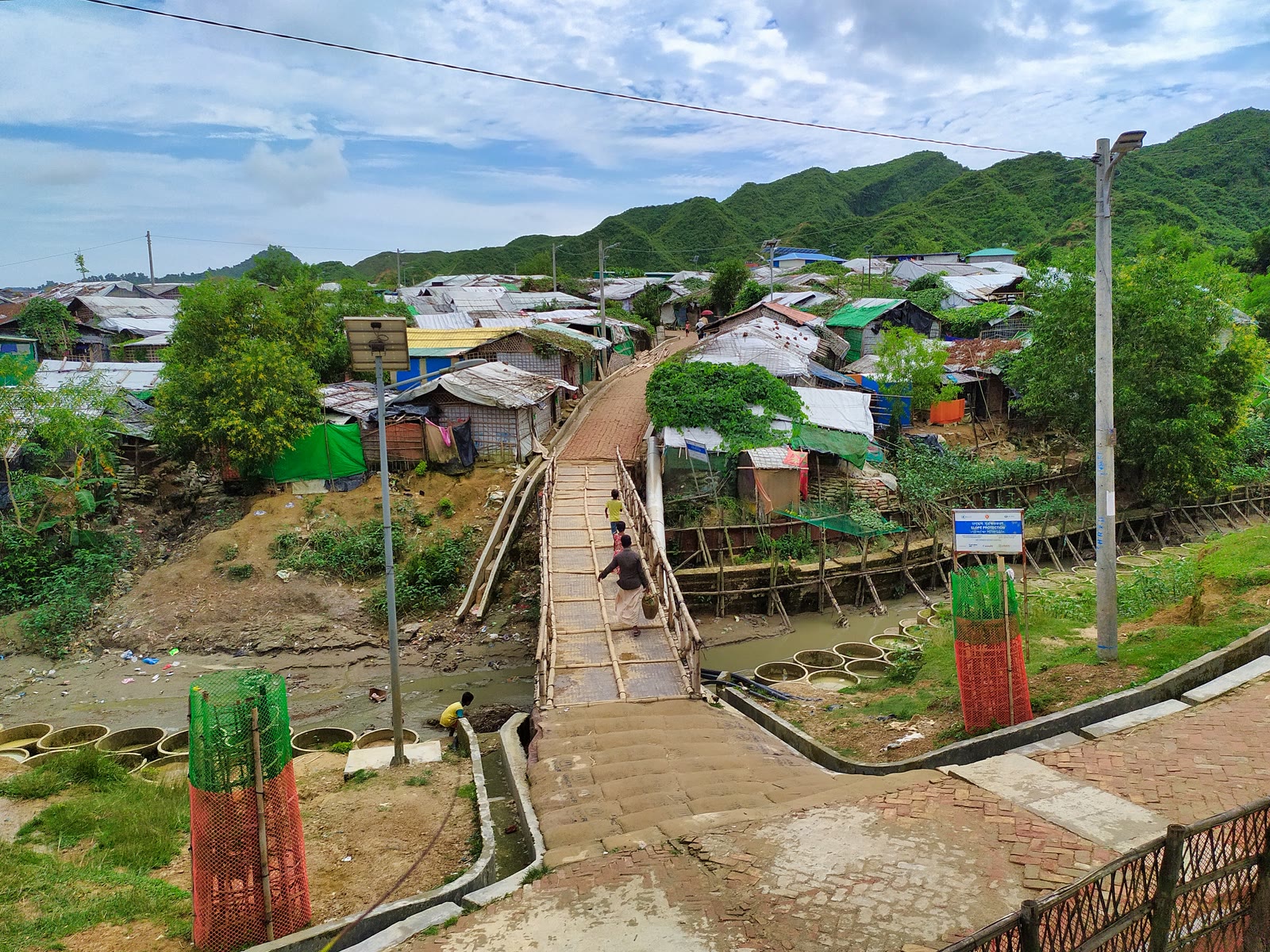
For the Rohingya, the ICJ ruling was a landmark in law but not a change on the ground. The 2017 crackdown killed thousands and forced more than 700,000 people to flee to Bangladesh, the BBC reported. The court’s findings on intent may shape future negotiations over accountability, but they do not by themselves create the security that would allow refugees to return.
What the strikes test
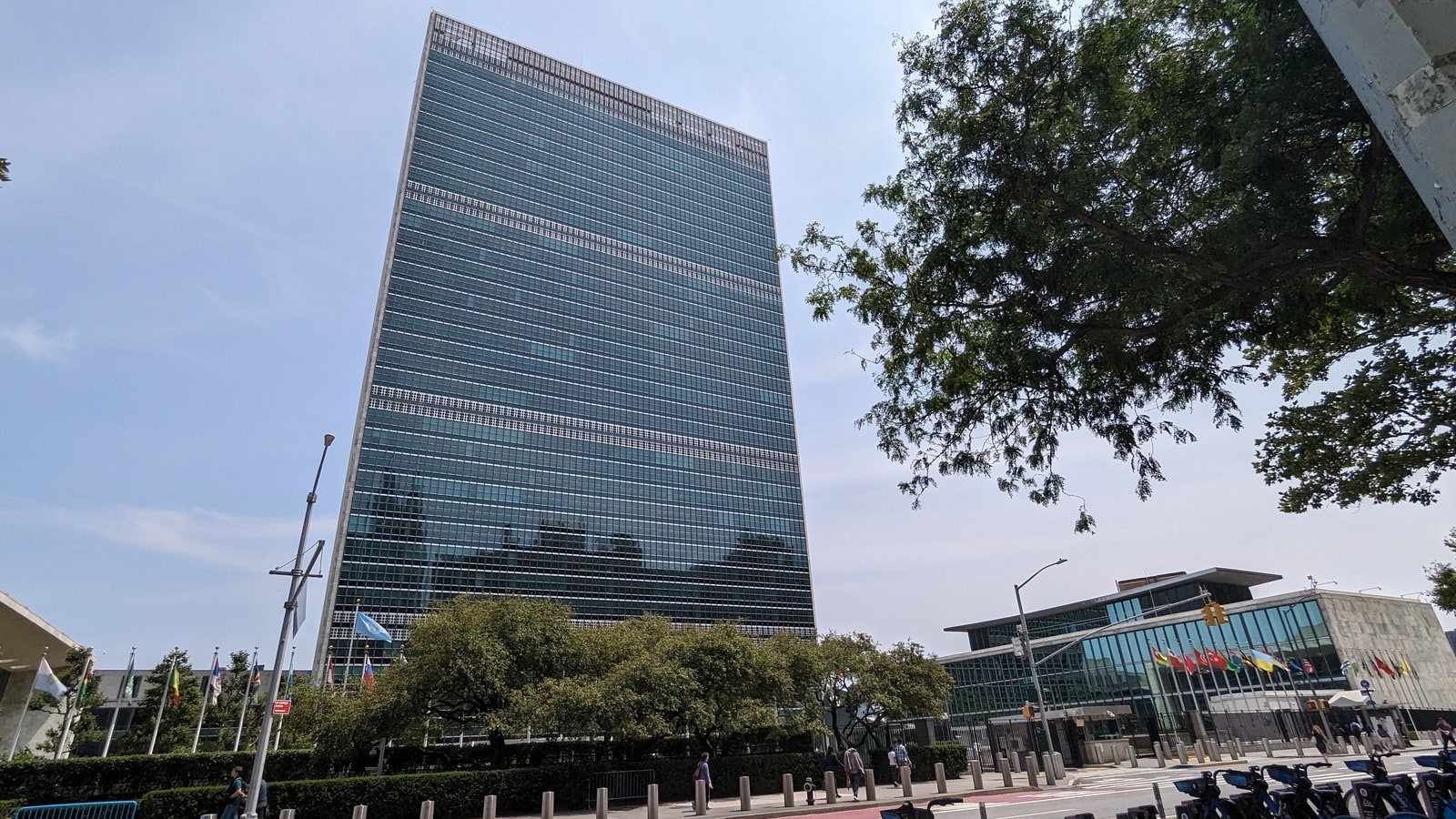
The timing of this week’s attacks has turned the ICJ judgment into an immediate test of whether international law can restrain the military. The court’s order is final, but enforcement depends on the UN Security Council, where agreement on action against Myanmar has repeatedly proved elusive. The judgment gives the NUG and its supporters a stronger legal foundation for their campaign, but it does not give them a mechanism to stop the aircraft.
The strikes also pose a practical problem for verification. Access to conflict areas is restricted, communications are unreliable, and the military controls much of the information that emerges from its own operations. Rescue workers and local groups are often the first to reach the dead and wounded, but their counts can change as bodies are recovered and the injured die. The NUG’s figures cannot be independently confirmed.
What is clear from Saturday’s attacks is that the wedding in Moe Bye and the market in Mrauk-U were civilian gatherings in areas where displaced people had sought relative safety. The strike on the wedding was followed by a second bomb as rescuers worked, according to the aid group leader who spoke to AFP. Whether the ICJ ruling changes that pattern will depend less on the court’s words than on the pressure governments are willing to apply.
On Sunday, the immediate questions were whether the toll from Moe Bye and Mrauk-U would rise further, whether the military would acknowledge the strikes, and whether the UN or regional governments would respond. For the families of those killed, the ruling has arrived, but the protection it promised has not.
KhabarWire reported at the time of the judgment that it set out how the court weighs intent, sexual violence and the destruction of evidence, and that it could influence other genocide cases, including South Africa’s case against Israel over Gaza. The court has not ruled on that case, and the Myanmar judgment does not bind it. In Myanmar, the ruling’s immediate effect has been limited: the military has continued its air campaign, and the weekend’s strikes have added to the civilian toll that the judgment was meant to address.