Reporting snapshot · 19 November 2026 (Asia/Karachi). The court was still reading its judgment when this was written, so the full operative orders, including any timetable for reparations, were not yet public. The ruling is binding but the court has no enforcement mechanism, and Myanmar rejects the genocide finding.
The International Court of Justice ruled on Thursday that Myanmar committed acts of genocide against its Rohingya minority during the military’s 2017 “clearance operations”, the first time the United Nations’ highest court has found a state responsible for genocide. Reading the judgment at the Peace Palace in The Hague, the court’s president, Yuji Iwasawa, said the court was “fully convinced” that Myanmar acted “with an intent to destroy a substantial part of the Rohingya population in Myanmar”, the Guardian reported.
The case was brought by The Gambia in November 2019, with the backing of the Organisation of Islamic Cooperation, and took seven years to reach a final judgment. Myanmar denied genocide throughout, arguing that its forces were responding to attacks by the Arakan Rohingya Salvation Army. The judgment is final and cannot be appealed, although the court has no mechanism to enforce it, Reuters reported through The Express Tribune.
What the court found in Rakhine
The court identified the Rohingya as a distinct ethnic group and found that Myanmar’s security forces killed thousands of them, including about 10,000 who died violently during the clearance operations, according to the BBC’s live coverage of the reading. It found widespread sexual violence, extreme violence against children and attacks on Rohingya as they fled in large numbers to Bangladesh. About 815,000 Rohingya lived in northern Rakhine State before the operation, the court said; it described that number as “clearly significant” and the group as substantial for the purposes of the Genocide Convention.
It also found that Myanmar imposed restrictions on marriage and on the number of children Rohingya couples could have, and that sexual violence was intended to impair the group’s ability to reproduce. The court said Myanmar burned bodies and bulldozed sites where the operations took place, destroying evidence. It found that military-sponsored hate speech portrayed the Rohingya as “sub-human”, contributing to a climate conducive to targeting the group, although it was not convinced that the Facebook posts at issue amounted to direct and public incitement.
The scale and nature of the operations, Iwasawa said, went “well beyond what would be required to punish the population” and were “characteristic of an intent to destroy a substantial part of the group”. The court concluded that the only reasonable inference was that Myanmar intended to destroy a substantial part of the Rohingya population in northern Rakhine.
Myanmar’s defence and the limits of the ruling
Myanmar’s representative, Ko Ko Hlaing, attended the hearing. The military government has said its 2017 operation was a legitimate response to ARSA attacks and denies that it intended to destroy the Rohingya. The government did not respond to requests for comment, Reuters reported. Min Aung Hlaing, who led the military at the time, seized power in a 2021 coup and was installed as civilian president in April this year after elections that were widely discredited; he faces an arrest warrant from the International Criminal Court on allegations of crimes against humanity. Aung San Suu Kyi, then the country’s leader, defended Myanmar at the ICJ in 2019.
An ICJ judgment binds the states party to a case, but the court has no police power. The Gambia had asked it to order reparations and to ensure the Rohingya could return safely; the reading of the judgment was still under way, and the court’s full directions on remedies were not immediately available. If Myanmar ignores the ruling, The Gambia could ask the UN Security Council to act, Al Jazeera reported, although enforcement there depends on the council’s politics. The court’s authority rests on diplomatic weight rather than coercion.
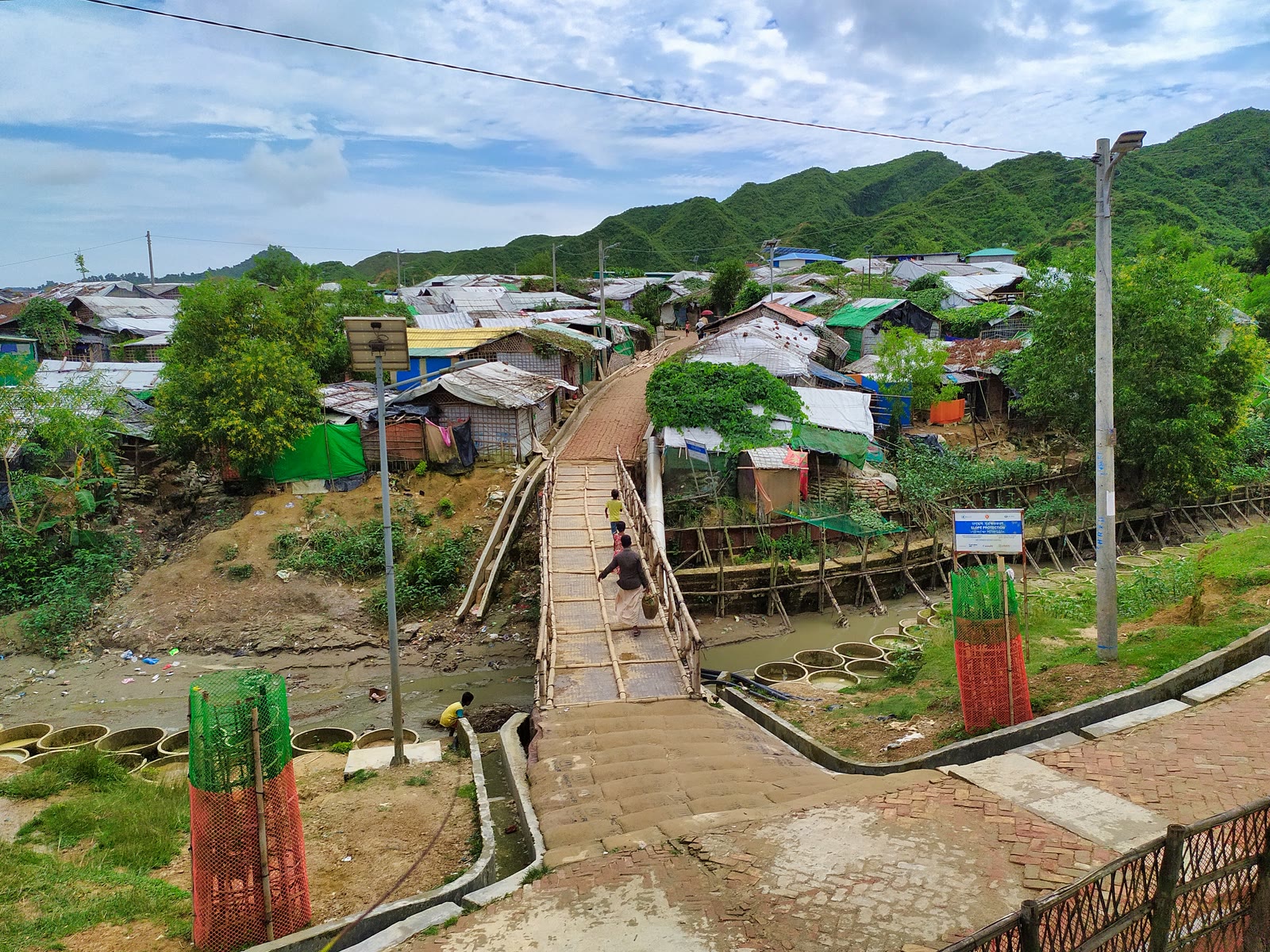
The ruling lands in a changed Rakhine. The Arakan Army now controls most of the state, and the Guardian reported that many Rohingya villages have been destroyed and that the indigenous Rakhine population is hostile to their return. More than 1 million Rohingya live in camps around Cox’s Bazar, according to the Guardian, while Al Jazeera put the number in the refugee settlement at about 1.2 million; the Guardian said fewer than 600,000 remain in Myanmar. A verdict cannot by itself create the security, citizenship and land rights that a return would require.
Why the Gaza case is watching
The judgment is being read far beyond Myanmar. It is the first time the ICJ has found a state responsible for genocide, and it sets out how the court weighs intent, sexual violence, hate speech and the destruction of evidence. The Guardian reported that governments have been waiting for the decision because it offers the strongest indication of how the same bench might approach South Africa’s genocide case against Israel over Gaza. The ICJ has not ruled on that case, and the Myanmar judgment does not bind it, but the reasoning gives both sides a template.
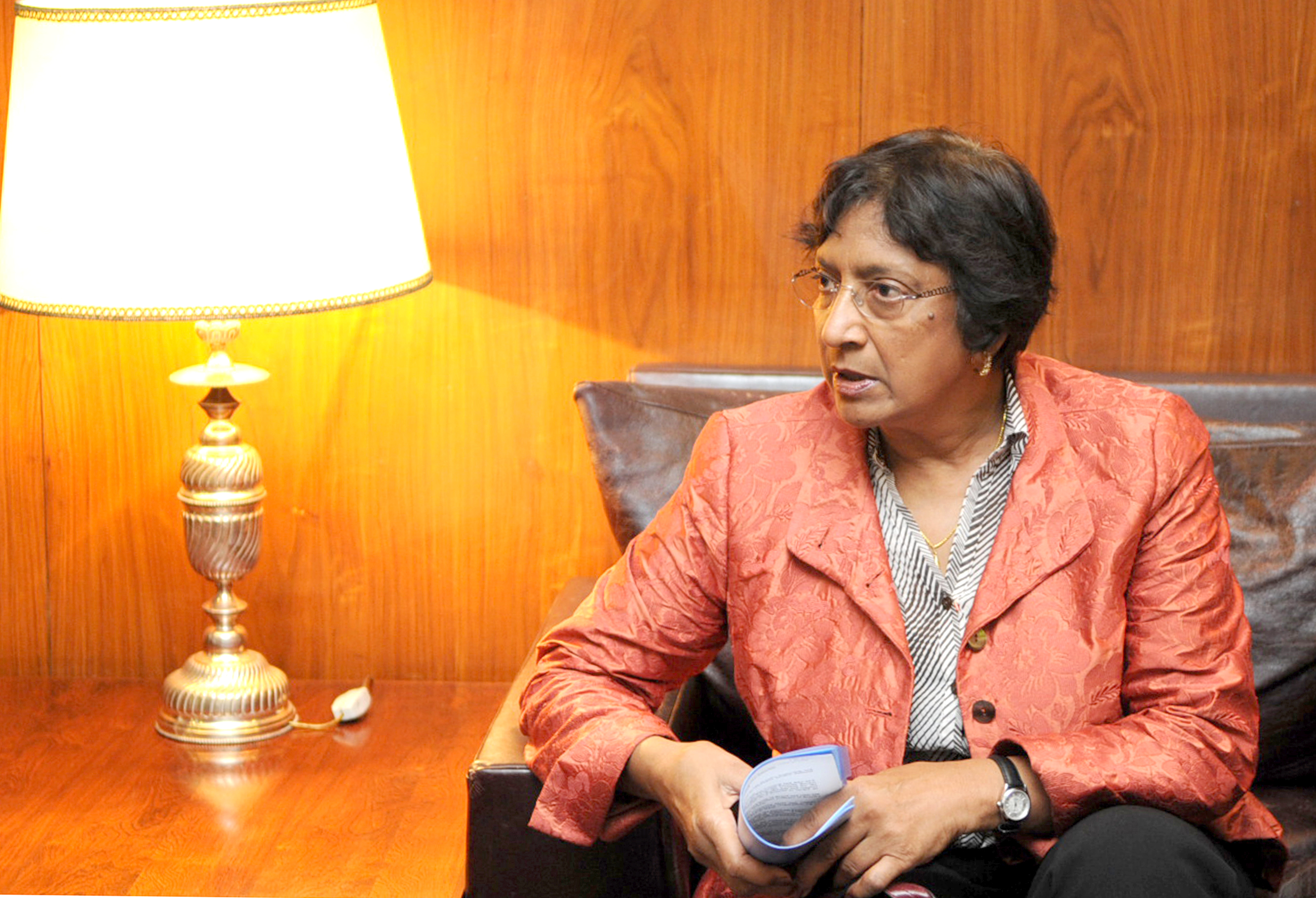
Washington has been closely following the case. The Guardian reported that a finding against Myanmar had been predicted to lead the United States to impose sanctions on ICJ judges, including Navi Pillay, the South African jurist who won this year’s Nobel Peace Prize and who sat as The Gambia’s ad hoc judge in the Myanmar case.
For Pakistan, the ruling’s immediate significance is diplomatic rather than legal. Pakistan is a member of the OIC, which backed the case, and has joined a series of statements pressing Israel over Gaza, including a 14 November demand that it honour the ceasefire and lift restrictions on aid. Islamabad has framed those interventions around international law and civilian protection; the Myanmar judgment gives those arguments a concrete precedent, even as it also shows how little a court ruling can change conditions on the ground.
What happens next
The court’s reading was continuing on Thursday, and the operative parts of the judgment, including any orders on reparations and guarantees of non-repetition, were still to be set out. Myanmar has denied genocide, and its government did not respond to Reuters’ request for comment on the ruling. The Gambia and its supporters will now try to turn the judgment into pressure at the United Nations, in sanctions debates and in the Gaza case. For the Rohingya in Cox’s Bazar and Rakhine, the more immediate questions are whether the ruling changes anything about return, documentation and safety; on Thursday, the court had answered the legal question, not the political one.