Reporting snapshot · 22 November 2026 (Asia/Karachi). The account rests on security sources quoted by Radio Pakistan and carried in the same terms by Geo News, The Express Tribune and Pakistan Today. The dead have not been named, no independent account of the fighting has been published, no security-force losses were reported either way, and the announcement does not say whether the four cleared areas are being held.
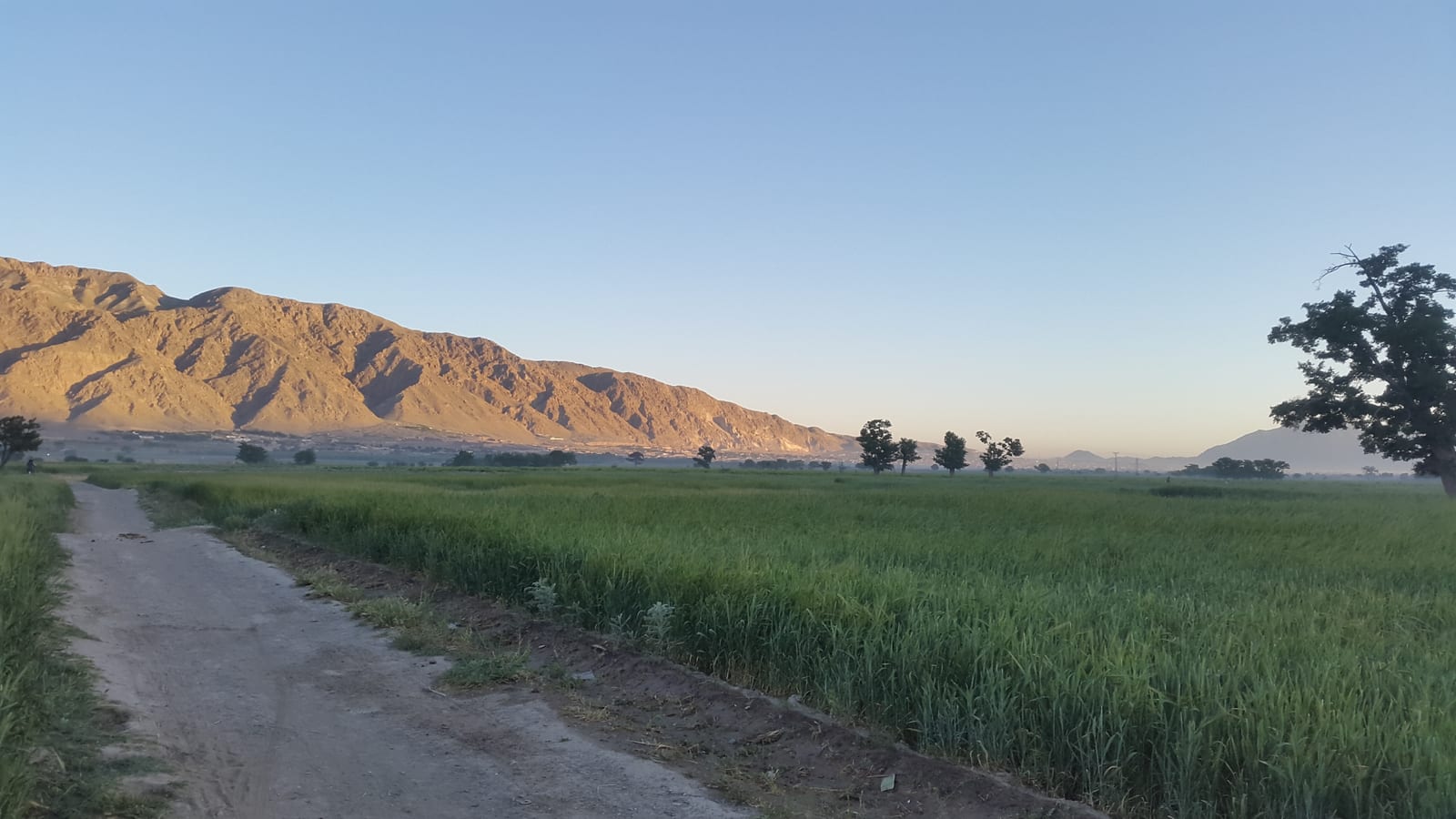
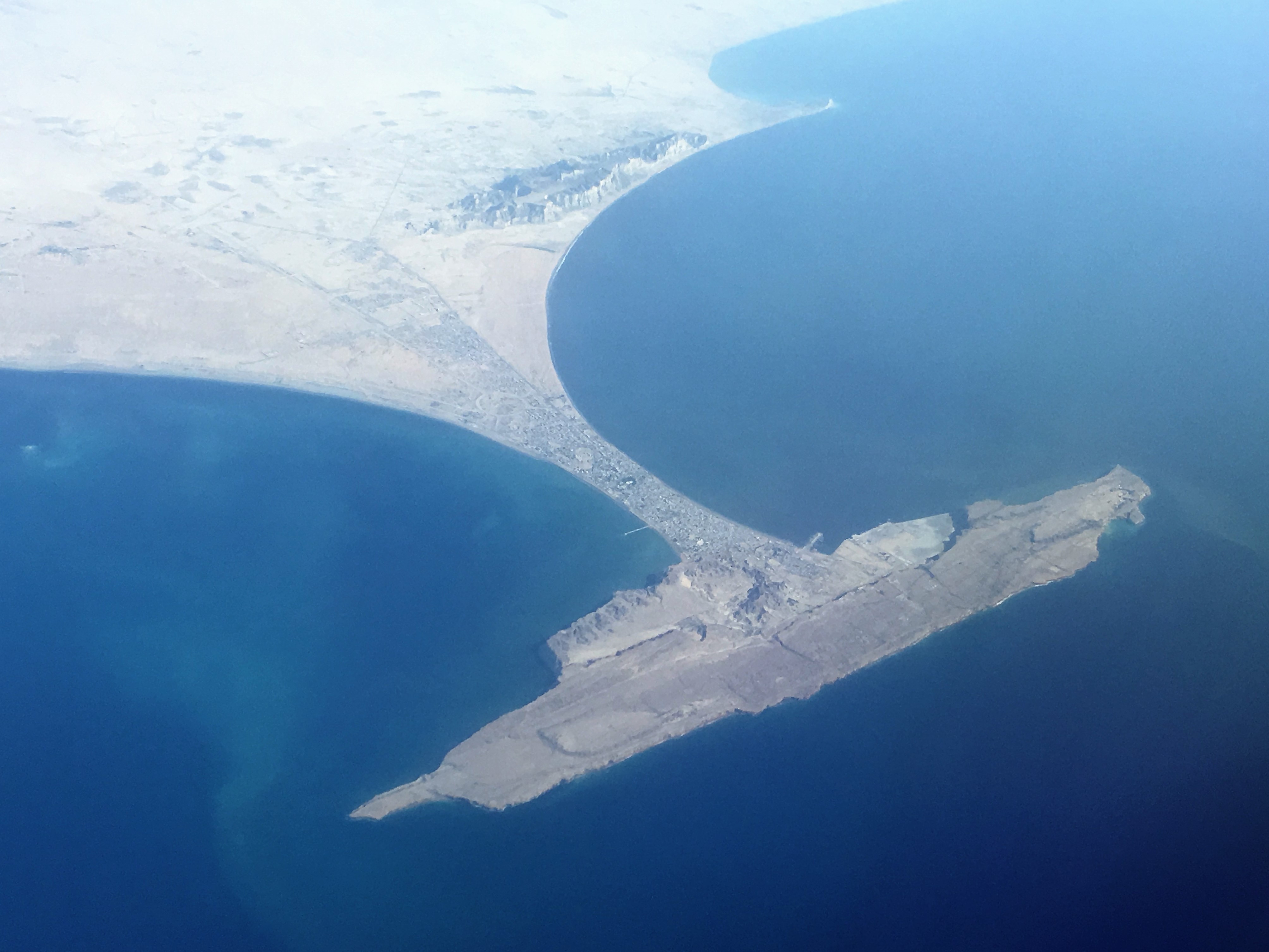
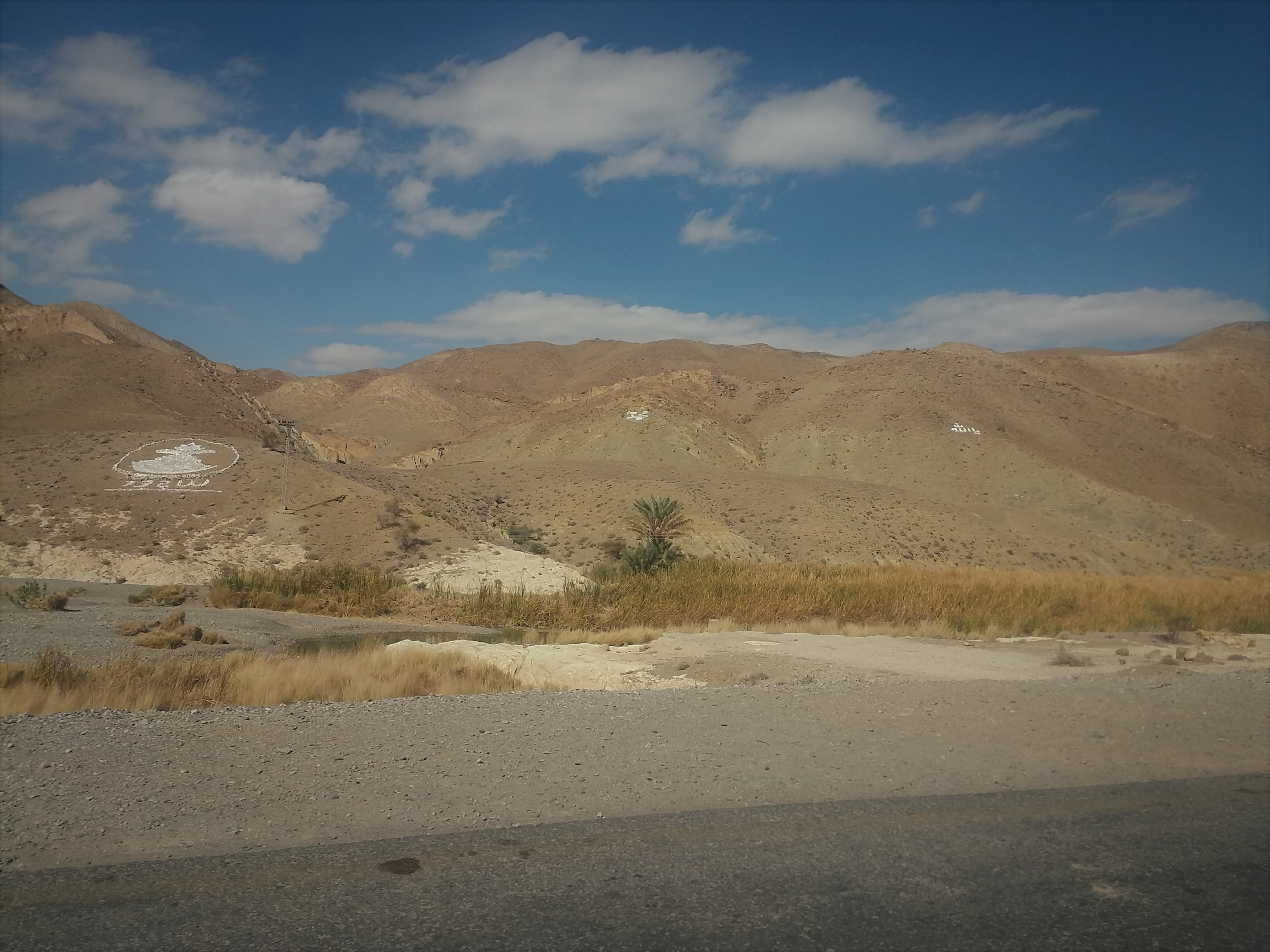
Pakistan’s security forces said on Saturday, 21 November, that they had killed 15 militants in two separate operations in Mastung district of Balochistan, destroying several hideouts and recovering a large cache of weapons and ammunition. Radio Pakistan reported, citing security sources, that five militants were killed in the first operation and 10 in the second, both run under Operation Rad-ul-Fitna-3 against what the state calls “Fitna al-Hindustan”. Geo News, reporting from Quetta, gave the same account and named four areas the forces said they had cleared of militants: Killi Pasand Khan, Musa Khan, Khorasani and Kaftari.
Prime Minister Shehbaz Sharif commended the forces the same day for what he called two successful operations in Mastung, saying the country stood “shoulder to shoulder” with them and that efforts would continue until terrorism was eradicated “from every part of the country, including Balochistan”, Radio Pakistan reported. The operation itself was reported by The Express Tribune and Pakistan Today on 22 November.
The claim extends the Balochistan operation record that KhabarWire reported on 13 November, when the military said 74 militants had been killed in Mir Ali and Orakzai in Khyber Pakhtunkhwa and in the Kurram area of Quetta district. That figure covered two districts in one announcement. Mastung is a third, and the campaign it belongs to is tracked in KhabarWire’s Balochistan Security file.
Two operations, one announcement
The announcement compresses two engagements into a single number, and the two are not described in the same detail. Radio Pakistan’s account gives no dates for either operation, no location beyond Mastung district, no length of fighting and no account of how the casualties were inflicted. The Express Tribune’s version says only that a large quantity of weapons and ammunition was recovered in the first operation, in which five militants were killed and several hideouts destroyed, and that weapons and ammunition were recovered from the ten killed in the second. Geo News reported the same split — five and then 10 — and said the forces were committed to continuing operations “until the last terrorist is eliminated”.
Operation Radd-ul-Fitna-3 is the third phase of a campaign that began with Operation Radd-ul-Fitna-1, which the military said in February had concluded with 216 militants killed across several districts, as KhabarWire reported at the time. Pakistan Today said the third phase was launched in August, and that the state designates Balochistan-based militant groups as “Fitna al-Hindustan” to attribute to India a role in terrorism and destabilisation inside Pakistan. That designation is part of the official account rather than a finding the published reports set out the evidence for, and no independent account of the fighting in the four cleared areas has been published.
The wording is worth reading closely for what it does and does not claim. “Cleared” is the term the sources use, and it describes an area swept of militants at a moment in time. It is not a statement that the ground is being held, that the networks around those areas have been dismantled, or that the operations have ended. The same announcement says the opposite of an ending: operations will continue.
What the account does not establish
Nothing in the published version identifies who was killed. The reports do not say whether the dead were local residents, members of one cell or a mix, and they do not say whether they had taken part in the attacks that have repeatedly hit the district. They also do not mention any losses among the officers and men who carried out the operations, in either direction, and there is no independent record against which the figure of 15 can be checked.
What the announcement does establish is the direction of travel for the government: a named operation, a named district, a casualty figure, recovered weapons and cleared ground, followed by a prime ministerial statement that frames the work as unfinished. That combination is the clearest signal the state has sent this month that the Mastung operation is part of a sustained campaign rather than a one-off raid.
The ground the operations were fought on
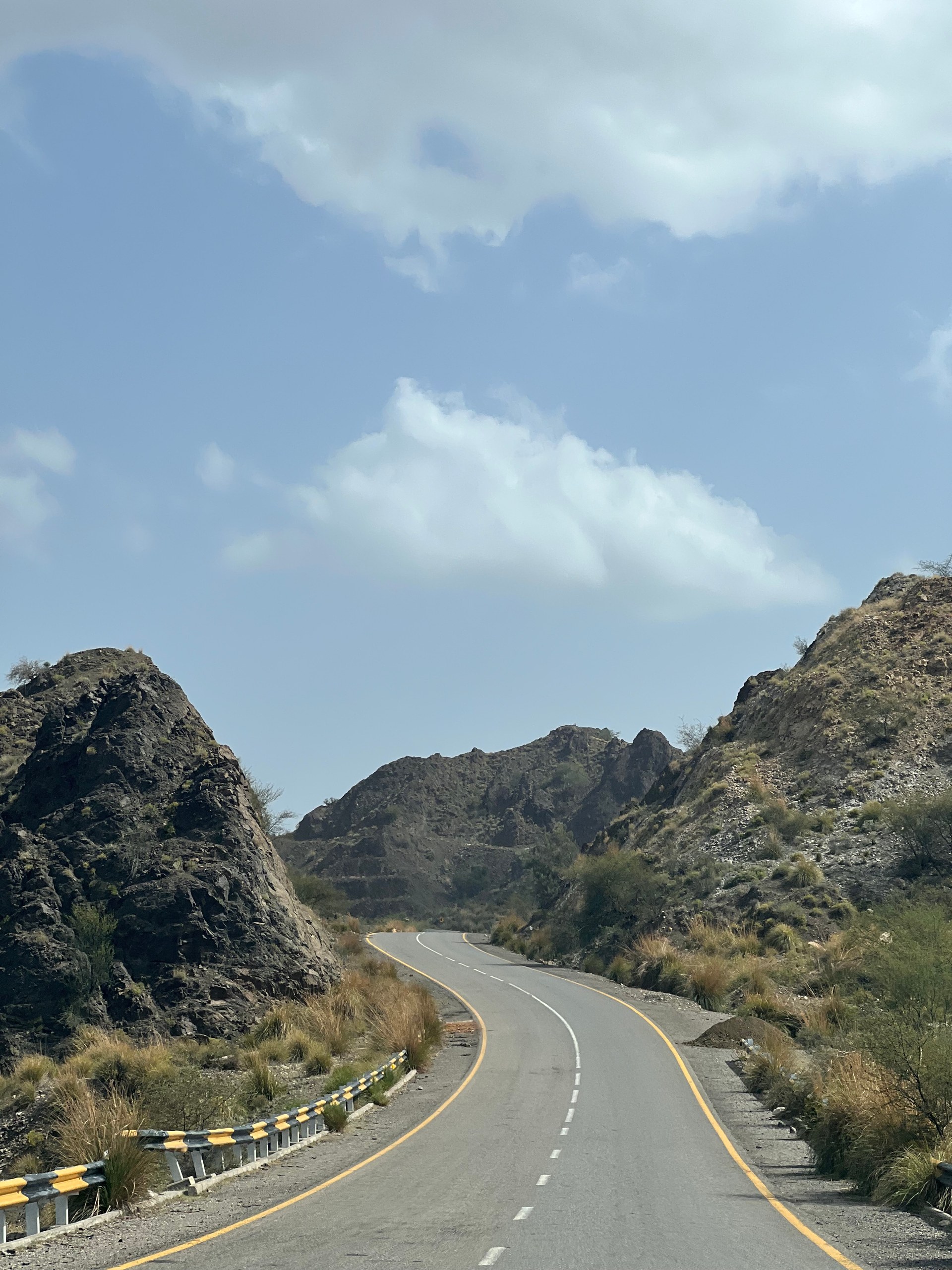
Mastung has already had a violent month. On 12 November an explosives-laden vehicle attack on the Kandawa Post, a security position on the N-25 highway about 10 kilometres from the town, killed two civilians and three militants, as KhabarWire reported. The four areas named in Saturday’s announcement sit in the same district that the N-25 highway serves, which carries the main overland trade between Quetta and Karachi and has been the scene of repeated militant ambushes, abductions and attacks on convoys in recent months.
The wider picture is mixed rather than improving. The Pakistan Institute for Conflict and Security Studies recorded fewer terrorist attacks nationwide between 6 and 12 November but a sharp rise in fatalities and injuries, Pakistan Today reported. Khyber Pakhtunkhwa remained the principal centre of violence with 16 attacks and 44 fatalities in that week, while Balochistan recorded 13 attacks, eight deaths and 19 injuries. Fewer attacks with more dead is what the institute describes as a change in the intensity of the militant threat, and it is the reason a single weekly announcement in one district should be read as part of a longer contest rather than as a conclusion to it.
The test of Saturday’s claim is what happens next in the four named areas. If Killi Pasand Khan, Musa Khan, Khorasani and Kaftari are held, the announcement should be followed by routine reporting rather than another large one. If the sweep is still running a week from now, the figure of 15 is more likely to be revised upward.