Reporting snapshot · 20 September 2026. Pakistan's military said on Sunday that security forces had foiled a terrorist attempt to establish a check post for abductions on the N-25 highway near Kalat, killing five militants and rescuing 23 abductees. All figures here come from the military's Inter-Services Public Relations (ISPR) statement and contemporaneous reporting; the identities of the rescued civilians and the full scale of the militant network were not independently verifiable at publication.
What happened
Pakistan’s military said security forces foiled an attempt by militants to set up a check post on the N-25 highway near Kalat, killing five terrorists and rescuing 23 abductees on the night of 18–19 September. The Inter-Services Public Relations (ISPR), the armed forces’ media wing, said the militants had tried to “disrupt peaceful movement of people” along the Chaman–Karachi highway and were seeking to establish a post for “abduction for ransom, extortion and snatching of vehicles”.
ISPR said security forces responded immediately and, after an intense exchange of fire, killed five militants belonging to Fitna al-Hindustan, the designation Pakistani authorities use for Balochistan-based militant groups that they say operate as Indian-sponsored proxies. Six trucks, three buses and two cars were recovered from the militants’ hideout, along with a large quantity of weapons, ammunition and explosives.
“Security forces also recovered twenty-three abductees from the terrorists’ hideout,” the ISPR statement said. Sanitisation operations were continuing in the surrounding areas “to eliminate any remaining terrorists and ensure the safety and security of the local population and the vital national highways”.
Why it matters
The operation targets a pattern of violence that has made the N-25 highway, the main artery linking Quetta to Karachi and onwards to Chaman on the Afghan border, a persistent flashpoint. Balochistan has seen repeated militant attacks on security convoys, passenger vehicles and civilian workers along the road, alongside abductions for ransom and extortion.
The announcement comes amid an intensified security campaign across the province. On 4 September, ISPR said security forces had killed 48 “Indian sponsored terrorists” during operations over 48–72 hours in Mastung, Quetta, Kalat and Sibi districts. Separately this week, security forces reported killing seven Fitna al-Hindustan militants in operations in Panjgur and Kachhi districts, and 11 in Panjgur and Chagai on Saturday, according to Geo News and The News. Earlier in September, the military also reported 11 militants killed in operations in Kharan and Washuk, where troops recovered 2.9 tonnes of explosives.
The military has framed these operations as part of a continuing counter-terrorism campaign under the vision of “Azm-e-Istehkam”, approved by the Federal Apex Committee on the National Action Plan, and of the provincial push it describes as Operation Radd-ul-Fitna 3. Officials routinely attribute the violence to “foreign-sponsored and foreign-supported terrorism”, a formulation Islamabad has used to allege Indian backing for Balochistan-based groups — a claim New Delhi denies.
The checkpoint threat on the N-25
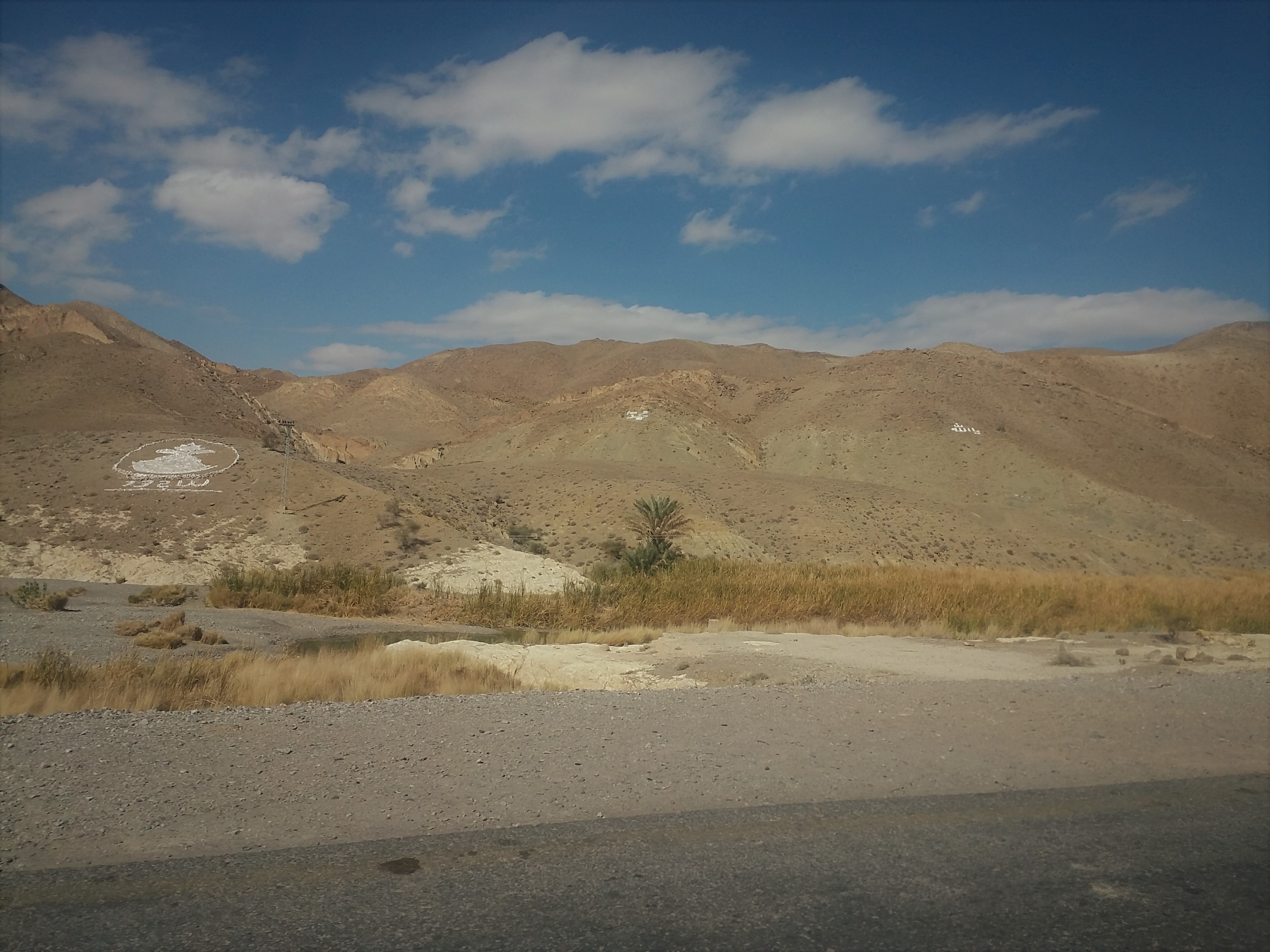
Kalat district sits in central Balochistan, and the N-25 corridor that passes through it carries a significant share of the province’s freight and passenger traffic. Militant groups have repeatedly sought to interdict the road, in some cases by setting up makeshift check points to stop vehicles, seize cargo and take people hostage.
The Express Tribune, quoting the ISPR account, reported that the militants had been “trying to establish a check post for abductions for ransom, extortion and vehicle snatching” before forces moved in. The recovery of multiple commercial vehicles alongside the abductees suggests the group had been intercepting road traffic over a period, though ISPR did not specify how long the abductees had been held or where they had been taken from.
For the civilians and commercial operators who use the highway, the practical consequence of such operations is visible in heightened security presence and occasional movement restrictions while sanitisation sweeps are under way. The longer test, as with earlier actions in the district, is whether intelligence-led strikes translate into a durable reduction in attacks on the road, police posts and labourers — the targets that have absorbed much of the province’s violence over the past year.
What is still uncertain
The ISPR account is the primary record for this operation, and it leaves several questions open. It does not name the rescued abductees, say where they were travelling from or to, or detail how many of them were civilians, transport workers or others. The military’s figure of 23 abductees is consistent across the Express Tribune, Geo News and The News reports published on Sunday, but the identity and condition of those rescued could not be independently verified.
Similarly, the number of militants killed is reported by ISPR as five; the Express Tribune’s headline on its online story referred to six terrorists killed, while its own body text and the ISPR statement put the toll at five. This discrepancy is a reporting inconsistency rather than a confirmed figure, and the lower, officially cited number is used here.
There is also no independent confirmation of the group’s affiliations or of the claim of external sponsorship. Pakistan’s official designation of these groups as Indian proxies rests on state intelligence assessments that have not been made public; Indian officials have consistently rejected the allegation.
Finally, the operation is a snapshot of one night’s action. The extent to which similar check-post attempts continue on other stretches of the N-25 and neighbouring highways is not known, and the military has said only that sanitisation operations are ongoing.
What happens next
Security operations in central and southern Balochistan are likely to continue at the current tempo. The province has remained a focal point of counter-terrorism activity, with repeated intelligence-based operations reported in recent weeks. For readers, the key open questions are whether the rescued abductees are reunited with their families, whether further arrests or killings follow the sanitisation sweeps, and whether the visible security posture on the N-25 translates into fewer incidents for civilian traffic.
As with all such operations, this account is a contemporaneous snapshot based on the military’s statement and the day’s reporting. Details may be revised as more information becomes available.
Sources & reporting notes
This is a synthesis of published material, not eyewitness reporting. Sources were reviewed on 20 September 2026.
- ISPR press release — Security forces recovered 23 abductees in Balochistan (via Dispatch News Desk)20 September 2026 · Primary record of the operation, including the number of militants killed, abductees rescued and vehicles recovered.
- The Express Tribune — 23 abductees rescued, five terrorists killed as forces thwart check post near Kalat20 September 2026 · Independent report of the ISPR announcement and its context.
- Geo News — Forces kill five terrorists, rescue 23 hostages in Kalat highway operation: ISPR20 September 2026 · Independent report corroborating the ISPR account and Operation Radd-ul-Fitna 3 context.
- The News — Forces thwart N-25 blockade near Kalat, kill five terrorists, rescue 23 hostages, says ISPR20 September 2026 · Independent report corroborating the operation and noting the separate Kharan IED incident.