Reporting snapshot · 23 October 2026. Both operations were still under way when the reports were filed on the evening of 22 October, so the surrounded figures, the recovered weapons and any further casualties may change. Every operational detail comes from unnamed security sources relayed by state media and were not independently verifiable.
What happened
Security forces in Balochistan killed three militants on the evening of 22 October 2026 after thwarting an attempt to attack an unoccupied construction camp in Gwadar district, The Express Tribune reported, citing security sources. State-owned Radio Pakistan, in the account The Express Tribune relayed, identified the group as belonging to Fitna al-Hindustan, the Pakistan-based militant organisation that the government links to Indian proxies.
Geo News reported that the forces acted after receiving intelligence about militant presence in the area, engaged the group and killed three in an exchange of fire, with a further three militants surrounded at the camp location itself.
The reporting describes a second, separate operation running at the same time. The Express Tribune reported that security forces were conducting an operation against militants hiding in a local hotel near the Gwadar Highway, where four militants had been surrounded. Geo News carried the same account, adding that the Gwadar General Officer Commanding was personally leading the operation on the ground.
Aggregating the two locations gives the headline figures used across coverage: three killed and seven surrounded. Pakistan Today reported the combined total of three militants killed and seven encircled, said weapons and ammunition had been recovered from the dead, and said forces had begun sanitisation operations in surrounding areas to clear possible hideouts and prevent escape.
Interior Minister Mohsin Naqvi praised the forces for foiling the attack and said operations would continue until terrorists and their facilitators were eliminated, The Express Tribune reported. “We are proud of the brave sons of the soil who are fighting against terrorists,” Naqvi was quoted as saying.
Why it matters
The Gwadar camp attack was foiled rather than executed. The target was an unoccupied camp belonging to a construction company, which means the operation cost the militants their intended target while exposing them to contact with security forces. Pakistan Today noted that the operations were launched on the strength of intelligence indicating militant presence in the area, which points to a detection-and-response cycle rather than a chance encounter at a checkpoint.
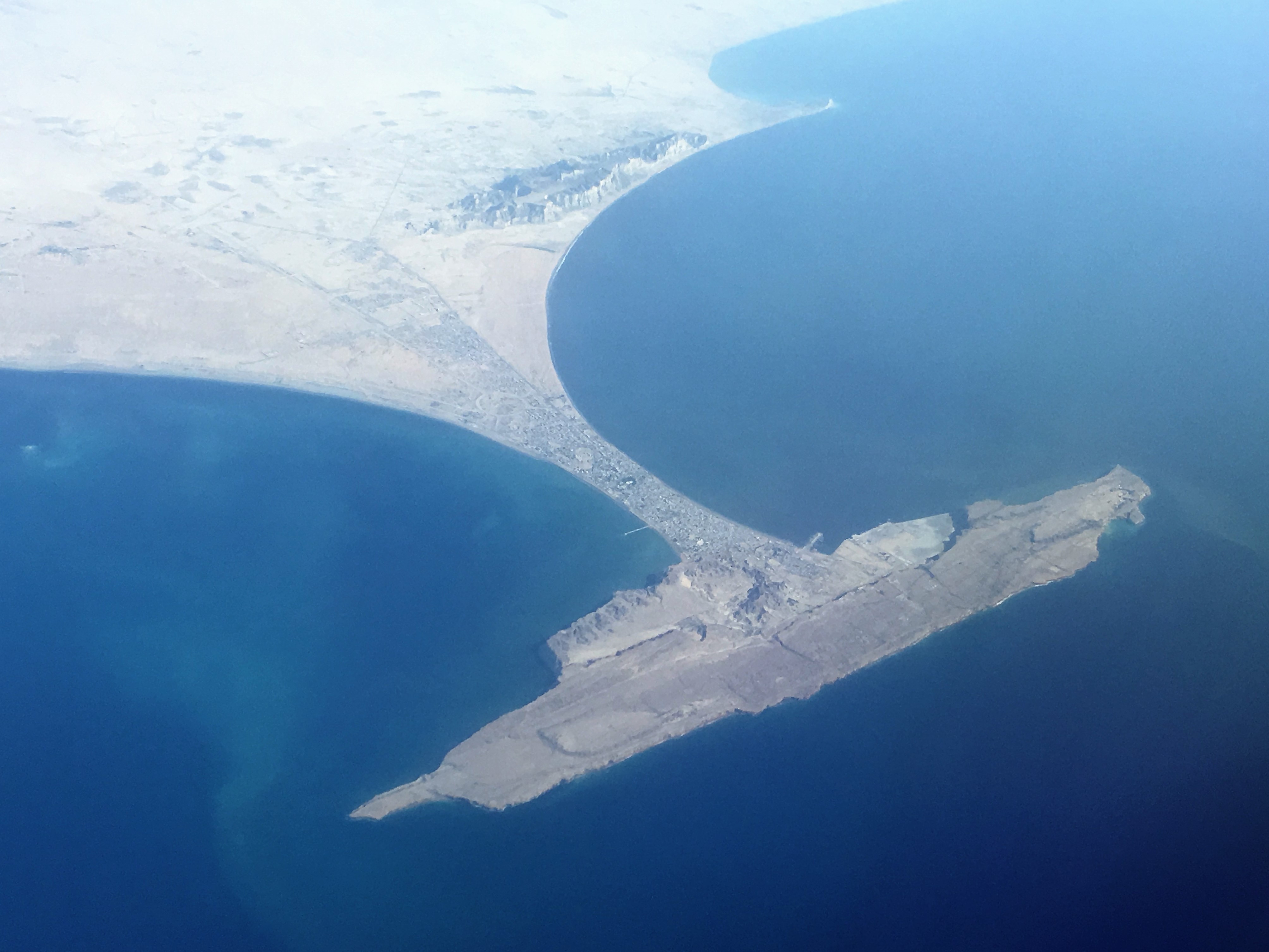
Gwadar is a district of strategic and commercial weight. Its port sits at the head of the Arabian Sea on the Makran coast, and the town has drawn sustained attention as a site of foreign investment and of insurgent targeting. That combination makes an operation of this kind consequential for more than its immediate casualty count.
The operations also fall within a wider Balochistan security picture that has stayed active through October. KhabarWire reported on 19 October that an improvised device killed Pakistan Army Major Wajahat Waheed in Shadi Kaur, Pasni tehsil, in Gwadar district, in an operation the Inter-Services Public Relations said killed four militants in Kalat. KhabarWire also reported that armed men abducted trainee police personnel travelling in Balochistan in mid-October, an abduction that The Express Tribune said involved 20 personnel from the districts of Kharan, Nushki, Chagai and Washuk.
Taken with those incidents, the 22 October operations show a province where attacks on security personnel, abduction of recruits and roadside ambushes continue to shape daily security planning.
What is still uncertain
The reported figures come from unnamed security sources relayed through state media, and no official statement from the Inter-Services Public Relations or Balochistan police had been published with a full account at the time of reporting. The killed and surrounded militants were not identified.
The three-versus-seven breakdown is consistent across the outlets that gave a site-level account, but the reports differ in emphasis: The Express Tribune and Geo News both described three militants surrounded at the camp and four at the hotel, while Pakistan Today reported the combined figure of seven encircled without splitting it by location. The totals agree; the allocation is attributed to the individual reports.
Both operations were described as ongoing. It is therefore not established whether the surrounded militants were captured or killed, whether the hotel operation concluded, or whether further casualties followed. Officials said further details would be released once the operation is completed.
No information was available on the identity of the construction company whose camp was targeted, or on whether the group had attempted the camp attack alone. The claim that the militants belong to Fitna al-Hindustan comes from the security sources, not from a separate verification.
The wider attack trend The Express Tribune cited is worth reading with care. It pointed to Armed Conflict Location & Event Data figures showing attacks in Pakistan rising nearly fourfold to 2,425 in 2025 from 658 in 2022, and TTP attacks increasing more than sevenfold to 838 from 118 over the same period. Those are third-party dataset figures reproduced in the reporting, not counts published by Pakistani authorities, and they cover whole years rather than the current operations.