Reporting snapshot · 13 November 2026 (Asia/Karachi). The account rests on the Inter Services Public Relations statements published on 13 November and on the prime minister's reaction to the Balochistan operation. The identities of those killed are not public, no security-force losses were reported either way, and both operations were under way when the announcement was made.
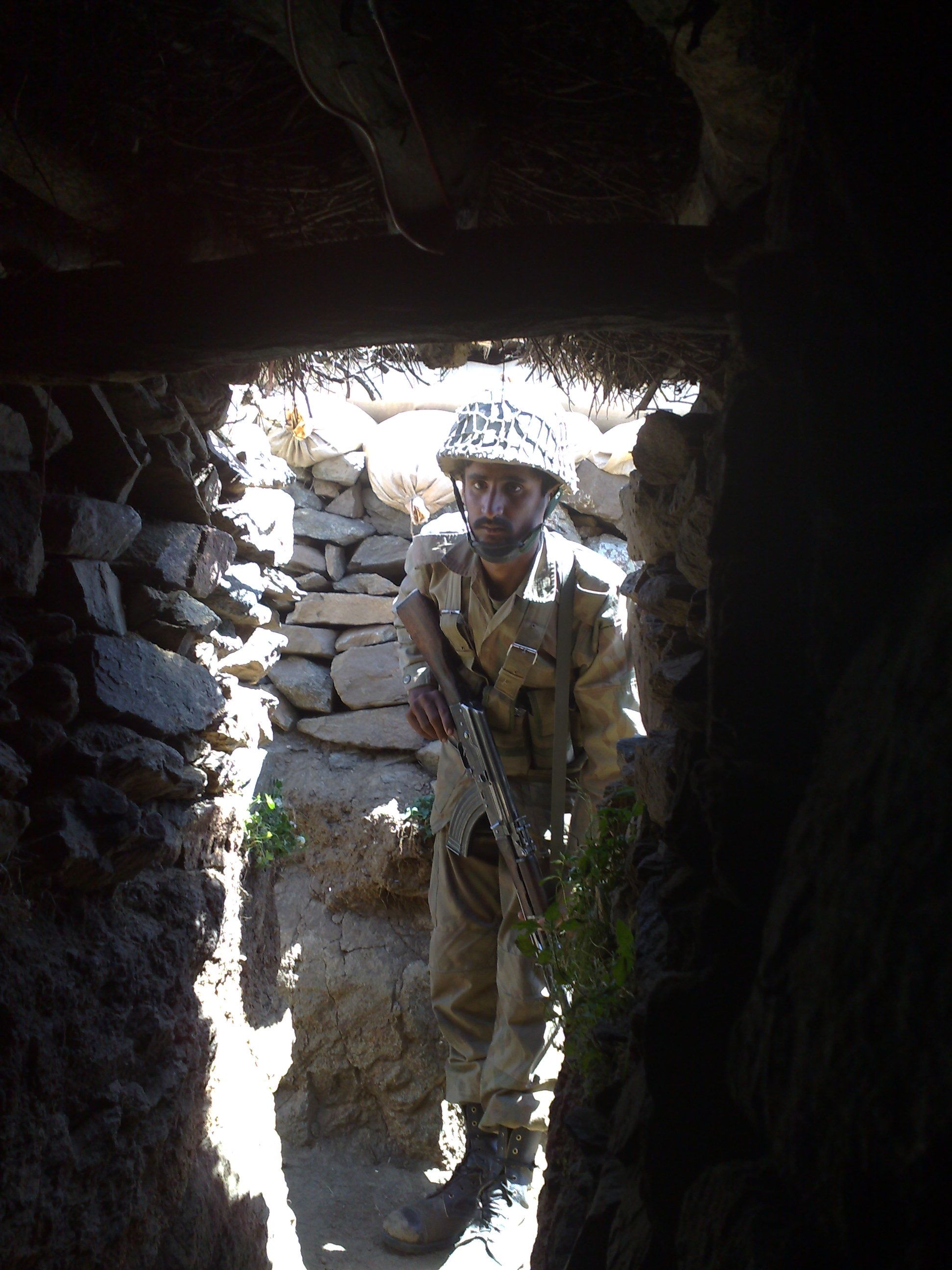
Pakistan’s military said on Friday, 13 November, that security forces killed 74 militants in two intelligence-based operations, one in Khyber Pakhtunkhwa and one in Balochistan. The Inter Services Public Relations (ISPR), the military’s media wing, said 43 of those were killed in Mir Ali and Orakzai over a 48-hour period, and 31 in the Kurram area of Quetta district in a sanitisation operation that began on 3 November, Geo News reported.
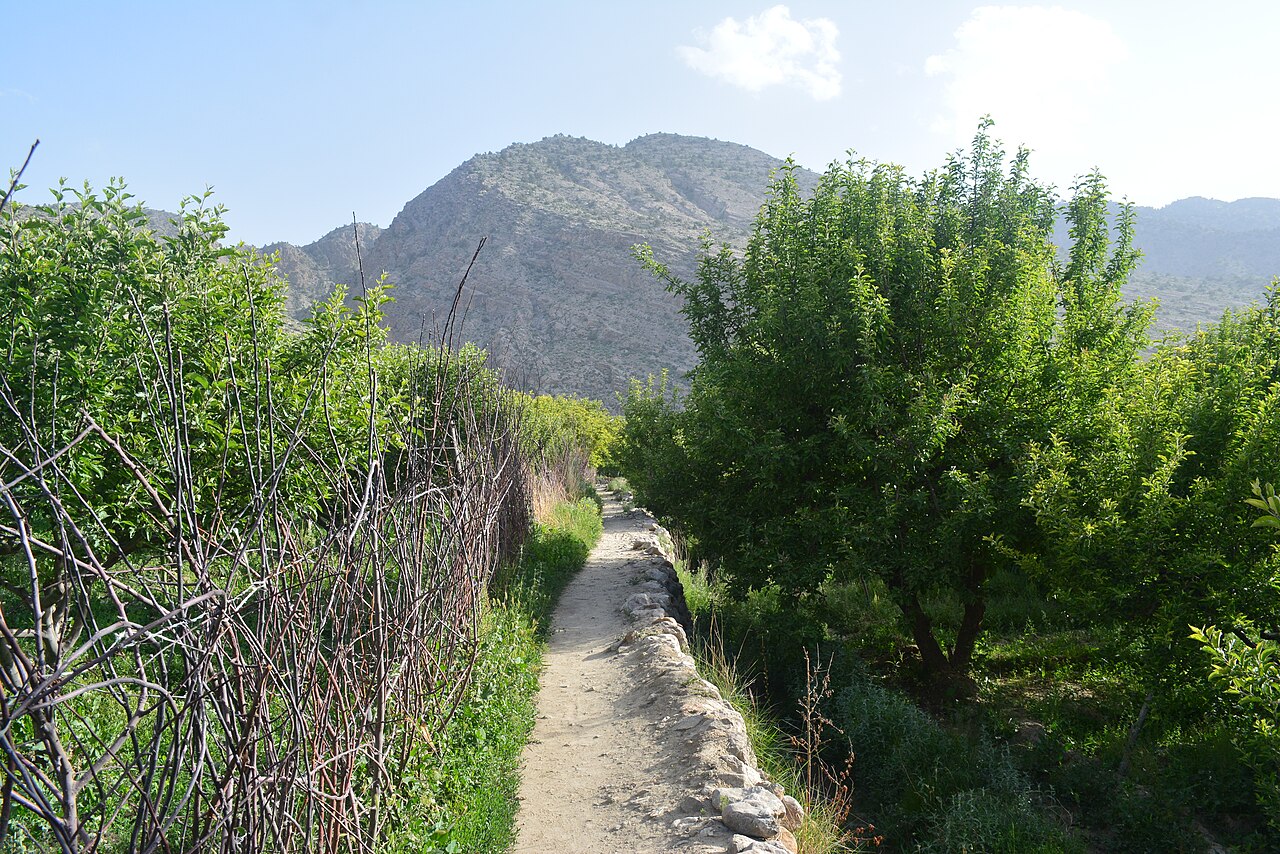
The Khyber Pakhtunkhwa operation was the larger of the two. Troops engaged militant positions in Mir Ali, a tehsil of North Waziristan district, and in Orakzai district, and the military said 35 militants of what it calls Fitna al-Khwarij were killed in Mir Ali and eight in Orakzai after what it described as intense and fierce exchanges of fire. A large cache of weapons, ammunition and explosives, including homemade explosives and improvised explosive devices, was recovered while the area was cleared, Radio Pakistan reported.
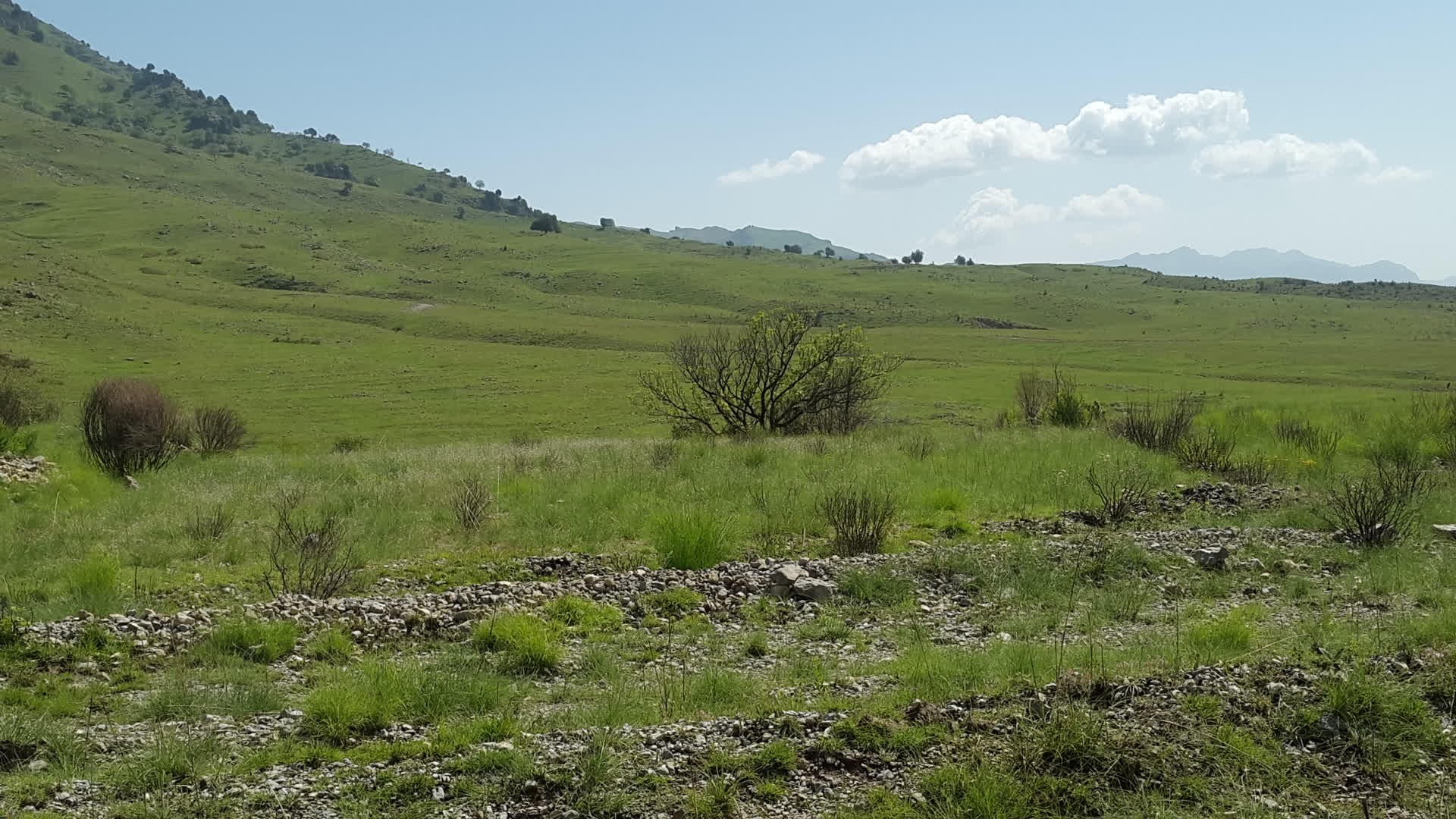
In Balochistan, the operation in the Kurram area of Quetta district opened on 3 November against fighters of two groups the military identifies as Fitna al-Khwarij and Fitna al-Hindustan, the state label used for India-sponsored militants operating in the province. Several hideouts were engaged in repeated fighting before 31 militants were killed, with weapons, ammunition and explosives recovered from the sites, the Associated Press of Pakistan reported, citing the military’s release.
Two operations, one announcement
The figure of 74 combines two operations with different time frames and different starting points. The Khyber Pakhtunkhwa engagements ran over 48 hours and ended on the day of the announcement; the Balochistan sanitisation operation began on 3 November and ran for ten days before its result was reported. Both were presented as part of the counter-terrorism campaign the army calls Azm-e-Istehkam, which the Federal Apex Committee approved under the National Action Plan, and the Khyber Pakhtunkhwa statement said that sanitisation operations would continue “to eliminate holed-up” militants in the areas.
Prime Minister Shehbaz Sharif praised the operation in the Kurram area, saying the fight against foreign-sponsored terrorism would continue under the National Action Plan “with full force until it is completely eradicated from the country”, Radio Pakistan reported.
What the military’s tally leaves unsaid
The announcement does not name any of those killed, say whether they were local residents or members of a single cell, or account for the officers and men who took part. No security-force casualties were mentioned in either statement, and no independent account of the fighting has been published, so the numbers cannot be checked against any other record. The description of “intense and fierce exchanges of fire” is the military’s own account of engagements whose length, exact location and outcome are not set out.
It also does not say what the operations changed. Clearing an area is not the same as holding it, and militant networks in these districts have been rebuilt before. The wording of the statement — operations “expanded” to Mir Ali and Orakzai, sanitisation continuing, clearance operations under way in the remaining hideouts — describes a sweep expected to run on rather than ground that has been secured.
Where the violence is concentrated
Orakzai and Mir Ali sit at the centre of the country’s deadliest ground. According to the Centre for Research and Security Studies, Khyber Pakhtunkhwa and Balochistan together accounted for nearly 96% of all violence-related fatalities recorded in the second quarter of 2026, with Khyber Pakhtunkhwa the worst affected: 475 deaths, more than 61% of the total, and 151 violent incidents, 57% of all incidents nationwide. Balochistan recorded 265 deaths and 94 incidents, Geo News said, citing the research centre’s report.
The tempo has not slowed in the weeks since. The military announced on 3 November that 17 militants had been killed in operations in Kachhi and Kharan on 1 November, which KhabarWire reported at the time, and it reported seven militants killed in North Waziristan on 9 October, the district that contains Mir Ali, which was covered here too. The Balochistan track has run alongside attacks as well as raids: the day before this announcement, an explosives-laden vehicle attack on the Kandawa Post on the N-25 highway in Mastung killed two civilians and three militants, as reported on 13 November. KhabarWire follows the provincial campaign, the claims made in it and the monthly data that tracks it in the Balochistan Security hub.
What happens next is the clearest test of the announcement. If Mir Ali and Orakzai are cleared and held, the Khyber Pakhtunkhwa figure should be followed by a routine statement rather than another large one; if the sweep is still running a week from now, the 13 November numbers are more likely to be revised upward. In Balochistan, the Kurram operation has already run for ten days, and the number that will matter most is whether the military announces it as closed or extends it.