Reporting snapshot · 14 November 2026 (Asia/Karachi). The decision was announced at a meeting in Islamabad on 13 November and reported the same day. No notification, list of departments, merchant baseline or State Bank programme has been published, and the merchant figures are the government's own.
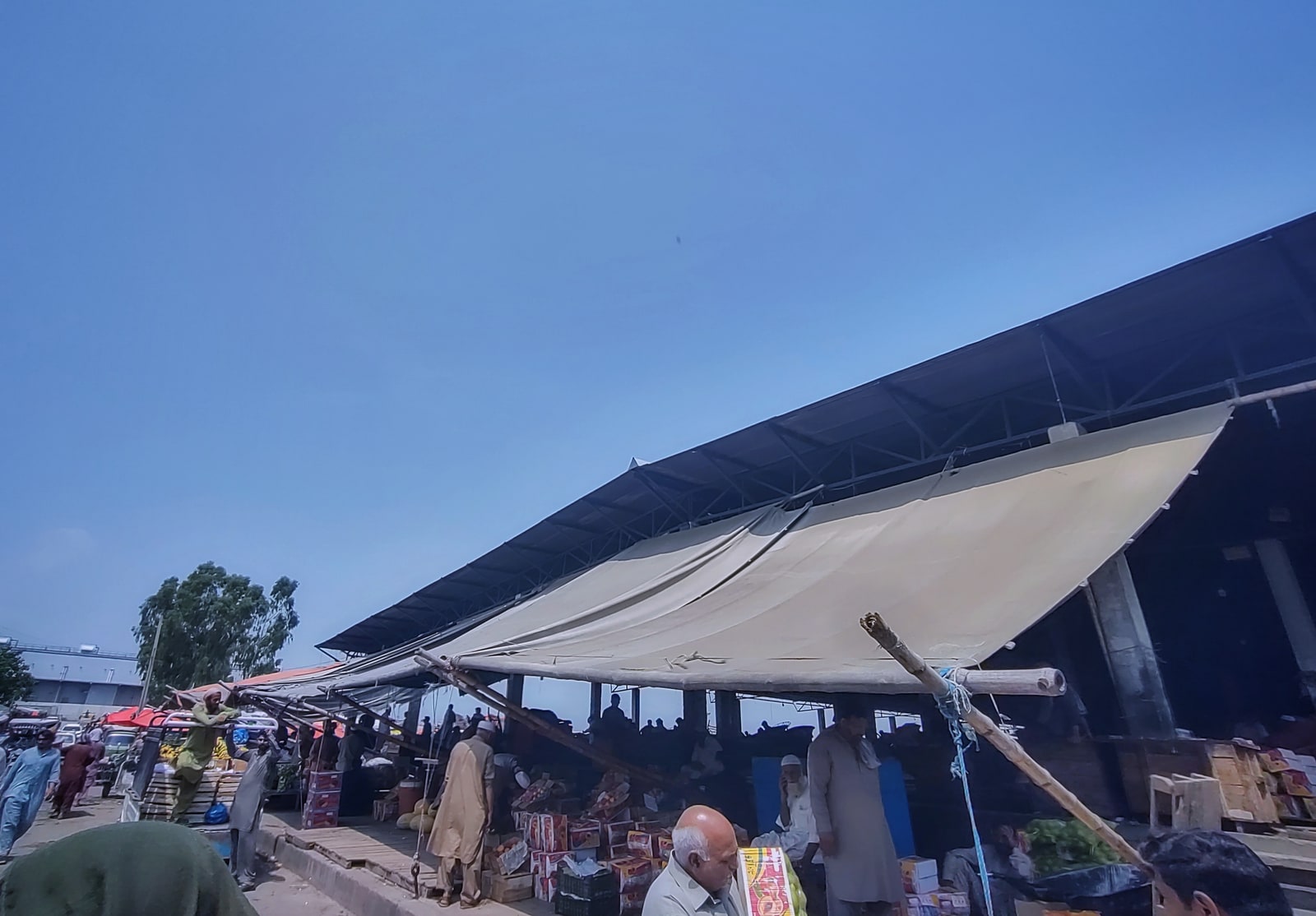
The federal government has decided to make Islamabad the country’s first fully cashless city, with 31 December set as the deadline. Radio Pakistan, the state news agency, reported on 13 November that cash payments will not be accepted at any department of the Islamabad Capital Territory or the Capital Development Authority after 30 November, and that the aim is to bring every merchant in the capital into the digital payment system by the end of the year.
What changed on 13 November is that a deadline, a population and two institutions have been named. A day earlier, on 12 November, the Finance Division directed the State Bank to prepare a working paper for a Raast QR merchant discount rate scheme — the fee a shop accepts for taking a digital payment — which KhabarWire reported. No rate, no timetable and no allocation of costs between merchant, bank and customer has been published.
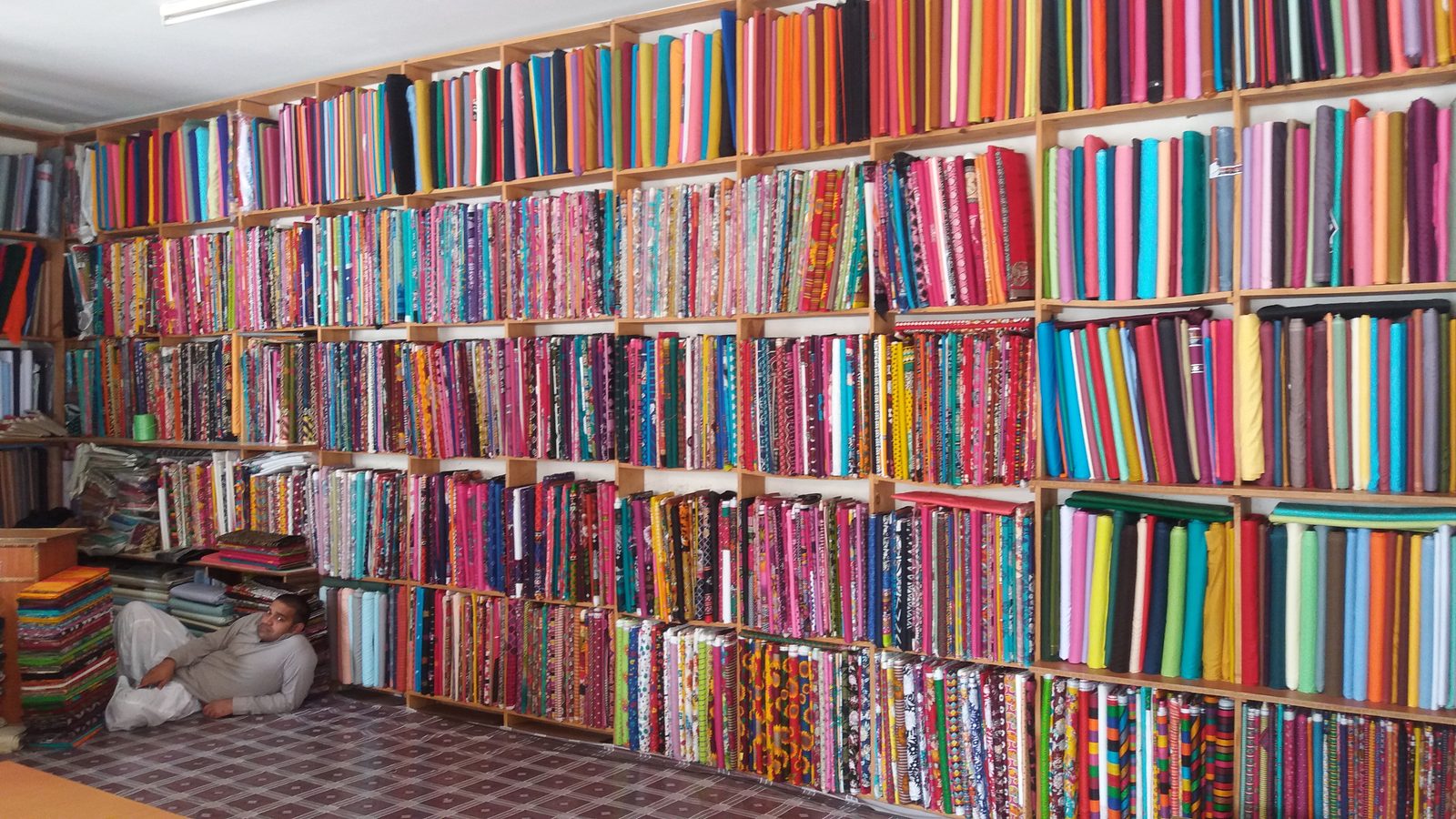
The decision came out of a meeting in Islamabad chaired by Minister of State for Interior Talal Chaudhry, who said around 26,000 merchants in the city had already been connected to the digital payments system and that payment facilities would be provided at every level, from street vendors to large business centres. The Express Tribune and Geo News carried the same announcement.
The two dates do different work, and the difference matters more than the headline. After 30 November, cash is simply not an option at a government counter in the capital. That is a cut-off for one set of institutions, administered by the Interior Ministry and the CDA, and it can be applied administratively. The 31 December date is a target for private merchants, who answer to no government department, and no enforcement mechanism for it was described.
Chaudhry said the initiative was being pushed on the special directives of Prime Minister Shehbaz Sharif and Interior Minister Mohsin Naqvi, and that Naqvi had assured the prime minister that Islamabad would be made Pakistan’s first cashless city and, in his words, the world’s first cashless capital — an ambition rather than a measured status. The Express Tribune reported that Capital Development Authority Chairman Sohail Ashraf and banking sector representatives attended the meeting, and that the banks praised the initiative and promised full cooperation. The minister gave the government’s own reason for the push as better financial transparency, tax monitoring and transaction records.
Where the 26,000 merchants sit against the national count
A number that large invites a comparison, and the comparison is not flattering. The Cashless Pakistan committee was told a day before the announcement that active merchants accepting digital payments had risen from half a million to 2.03 million across the country, Radio Pakistan reported on 12 November. The News International covered the same meeting and added that QR codes have been placed on more than 45 million gas and electricity bills, while every National Database and Registration Authority centre has been equipped to accept Raast QR payments.
Dividing the 26,000 merchants Chaudhry cited by the 2.03 million national total puts Islamabad at roughly 1.3 per cent. That division is arithmetic on two government numbers rather than an official ratio, because “connected to the digital payment system” is not the same test as an active merchant accepting digital payments, and no definition of connection has been published.
For scale, the State Bank of Pakistan’s payment systems review for 2025-26 counted 337,791 point-of-sale terminals at 295,367 merchant locations nationwide, which KhabarWire reported in October. No public figure exists for the total number of merchants in Islamabad, so the distance between 26,000 and “all merchants in the capital” cannot be measured from published data at all.
That matters because the target is only as firm as its denominator. If the government holds a list of Islamabad merchants, it has not published it. If it does not, then the 31 December target has a date and a direction but no measurable starting point.
How the city deadline fits the cashless drive
The Islamabad decision lands inside a national programme that is still being priced, and the step that came with it is a fee nobody has agreed on. The merchant discount rate paper remains a working paper, so what a small shop in the capital would earn for taking a digital payment is still unknown, and that is the number that decides whether street vendors and corner shops have a reason to sign up.
The national rails are being extended at the same time. From 16 November, all payments for Asaan Assignment Accounts will be processed through Raast, Radio Pakistan reported, and the Cashless Pakistan committee meeting followed a review chaired by the prime minister the previous Friday, The News International said. Neither change is specific to the capital. KhabarWire follows the programme in its Cashless Pakistan hub.
The city decision also comes after the prime minister asked relevant authorities last week to prepare a roadmap, with specific timelines and targets, for establishing a fully digital payment system nationwide, and after he called for nationwide internet connectivity and easy public access to technology. The Express Tribune reported that context. Islamabad is the first city to be given a date; the districts and other cities have none.
Underneath the payment mechanics sits the taxation argument. Chaudhry tied the cashless system to financial transparency and tax monitoring, and the Federal Board of Revenue has been running a parallel drive to move cash transactions into recorded accounts, which KhabarWire described in July. A payment that leaves no cash trail is also a payment the tax authority can see, and the Islamabad decision ties that logic to a named city and a fixed date.
What the announcement leaves open
The gaps are ordinary ones, and the announcement does not fill them. No notification has been issued, so there is no list of the departments affected and no published procedure for what happens to a citizen who arrives at a counter with a banknote on 1 December. The government has not said what “connected to the digital payment system” means for the 26,000 merchants it counted, or how many merchants Islamabad has in total. The State Bank has announced no programme for the capital, and the Finance Division’s merchant discount rate work is still a working paper.
There is also no published fallback for people without a smartphone, a bank account or reliable connectivity, a gap the prime minister himself raised when he asked for nationwide connectivity and easy public access to technology. The Express Tribune noted that instruction. And the 31 December date for private merchants carries no stated enforcement, because the administration’s power over a private shop’s payment method is much weaker than its power over its own counters.
Four things are worth watching before 30 November: whether a notification names the departments and the date from which cash is refused; whether the Finance Division or the State Bank publishes how the 26,000 merchants were counted, and how many merchants the city has; whether banks announce onboarding targets for street vendors and small shops; and whether the Raast QR merchant discount rate paper, which decides what a small shop earns for taking a digital payment, lands before the deadline.
Until those documents appear, the published position is narrow: after 30 November, government departments in Islamabad are to stop taking cash, and by 31 December the government wants every merchant in the city on digital rails.