Reporting snapshot · 7 October 2026 (Asia/Karachi). The State Bank of Pakistan released its Annual Payment Systems Review for 2025-26 on 6 October. The figures below are the central bank's own and cover transactions routed through formal banking and payment channels; they exclude cash transactions and activity outside the banking system. The report runs to 42 pages, and the central bank has not published a public breakdown separating merchant payments from person-to-person transfers inside the digital total.
What the State Bank reported
Pakistan’s retail payments kept moving onto digital rails in the fiscal year ending June 2026. The State Bank of Pakistan’s Annual Payment Systems Review for 2025-26, released on 6 October, recorded 14.3 billion retail transactions through formal banking channels, valued at Rs673 trillion — a rise of 58 per cent in volume and 10 per cent in value over the previous year. Dawn and The Express Tribune both reported the headline figures.
Of those transactions, 13.2 billion — 92 per cent of the retail total — moved through digital channels, up from 88 per cent in FY25 and 65 per cent higher in volume than a year earlier. Mobile phone-based services did most of the work: the review recorded more than 11.1 billion transactions through mobile channels, a 79 per cent increase, while internet-banking portals processed about 300 million transactions, up 15 per cent.
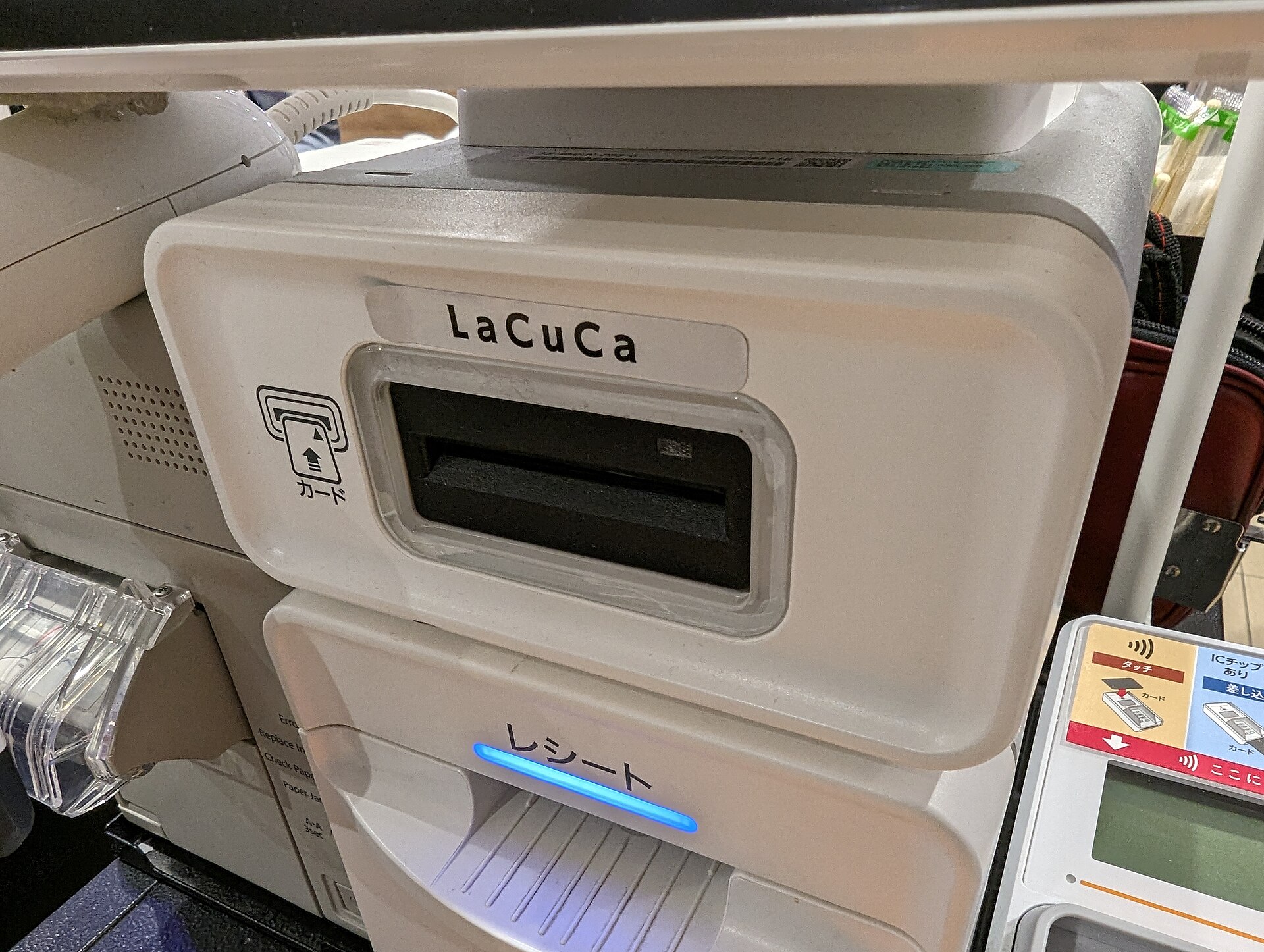
Card acceptance widened too. The point-of-sale network grew to 337,791 terminals at 295,367 merchant locations, handling close to 1.5 million card payments a day, against about one million a year earlier. In e-commerce, account-based online payments accounted for 96 per cent of transactions made through banking channels. The review also counted 99.1 million users of branchless-banking mobile apps and 30.4 million users of banks’ own mobile apps, and noted that the real-time gross settlement system had moved to the ISO-20022 messaging standard through the PRISM+ platform in August 2025.
Why mobile is doing the heavy lifting
The structure of the growth points to apps rather than branches. Mobile channels generated roughly 84 per cent of the 13.2 billion digital transactions, based on the figures the review reported, and the number of smartphone-based banking users continues to climb. For many households, a branchless-banking wallet was the first formal financial account, and the review’s user counts suggest those wallets are now handling routine payments rather than only remittances.
The introduction of PRISM+ matters because it is the plumbing underneath interbank transfers. Moving the settlement system to the ISO-20022 standard changes how payment messages are formatted and read, which in principle makes it easier for banks and payment operators to build new services on top of the existing rails. It is an infrastructure step, not a consumer product, so its effects will appear indirectly.
The volume-versus-value split is the most striking number in the release. Transaction counts grew 58 per cent while value grew 10 per cent, meaning the average retail payment is getting smaller. Dividing the review’s own totals gives an average of roughly Rs47,000 a transaction, down sharply from a year earlier. That is an arithmetic reading of the published figures, not a central bank estimate, but it fits a pattern in which people use digital rails for smaller, more frequent payments rather than large one-off transfers.
What the 92 per cent does and does not measure
The 92 per cent is a share of transaction numbers, not of money, and it covers only formal banking and payment channels. It does not mean that 92 per cent of Pakistan’s economy, or 92 per cent of all payments including cash, is digital. Cash can remain the dominant method for small daily purchases while digital channels account for the overwhelming majority of recorded transactions, because those are the ones the central bank’s data capture.
The digital total is also broader than shopping. It includes person-to-person transfers, bill payments, wallet top-ups, mobile load and government collections alongside card and e-commerce purchases. A large share of digital transactions may therefore reflect money moving between people and accounts rather than money spent at a merchant. The review does not publish that split, so it is not possible from the release to say how much of the digital surge is commerce and how much is transfer.
Finally, transaction counts say little about who is using the system or how evenly. High app-user numbers can coexist with concentrated usage among a minority of customers, and the review does not report how many of the app accounts are active in a given month.
Why it matters
Digital payments sit at the centre of two policy goals: widening financial inclusion and bringing more of the economy into the documented tax base. The government’s broader cashless-economy and documentation drive treats electronic payments as a route to greater transparency, and the International Monetary Fund programme has pressed for measures that reduce reliance on cash.
The infrastructure is changing alongside the adoption. Earlier in October, the State Bank told banks to clear cheques as electronic images rather than moving paper between institutions, a change designed to speed up one of the slower parts of the payments plumbing. Read together with the FY26 review, the direction is consistent: more transactions on digital rails, and an effort to modernise the systems that sit behind them.
There are limits to how far the numbers reach. A rising digital share does not necessarily mean falling costs for users, and it can widen gaps for people without smartphones, bank accounts or reliable connectivity. The review captures the growth of the system, not its fairness.
What to watch
Three questions follow from the release. First, whether volume growth continues now that the base is larger, or whether the digital share begins to plateau. Second, whether the value share — not just the transaction share — shifts, which would say more about whether large payments are joining the digital system. Third, whether the central bank publishes a breakdown that separates merchant payments from transfers, which would let readers judge how much of the surge is commerce. Until then, the safest reading is the narrow one: in FY26, the overwhelming majority of recorded retail transactions in Pakistan were digital, and mobile phones drove almost all of the increase.
Sources & reporting notes
This is a synthesis of published material and a primary central-bank record, not eyewitness reporting. Sources were reviewed on 7 October 2026. The figures are the State Bank's own; independent verification would require the underlying bank-level data, which is not public. The two news reports below were read in full; the primary PDF was linked and its headline figures cross-checked against both reports.
- State Bank of Pakistan — Annual Payment Systems Review for FY26 (PDF, 42 pages)Primary source · Released 6 October 2026. The report that contains the FY26 retail payment volumes and values, the digital and mobile transaction figures, the point-of-sale, e-commerce and mobile-app user numbers, and the PRISM+ milestone.
- Dawn — "92pc of retail transactions are digital: State Bank"7 October 2026 · Independent report of the review: the 14.3bn transactions and Rs673trn value, the 92pc digital share against 88pc in FY25, the 13.2bn digital transactions, 11.1bn mobile transactions and 79pc growth, the 300m internet-banking transactions, the POS network, the 96pc account-based e-commerce share, the app-user counts and the PRISM+ note.
- The Express Tribune — "Digital transactions hit 13.2b"7 October 2026 · Independent confirmation of the same figures, including the 58pc volume and 10pc value growth, the 65pc growth in digital transactions, the 337,791 terminals at 295,367 merchant locations, the 1.5m daily card payments and the branchless-banking and bank mobile-app user counts.