What happened
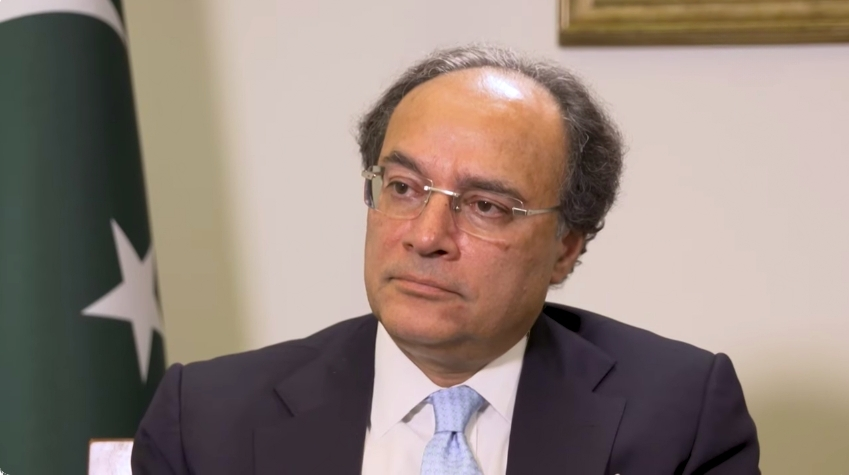
Finance Minister Muhammad Aurangzeb said on Saturday, 25 July 2026, that the government is taking vigorous steps to strengthen Pakistan’s financial system through fundamental tax reforms, a more efficient Federal Board of Revenue (FBR), a cashless economy and the use of modern technology, Dawn reported in its 26 July edition.
The government aims to make things easier for the public, restore the confidence of taxpayers and establish a transparent system that can underpin sustainable economic development, he said while addressing the certificate distribution ceremony of the FBR’s Postgraduate Diploma Programme at LUMS.
Mr Aurangzeb said the government is working in a coordinated manner to improve both tax policy and tax administration, adding that a new model is being introduced in the FBR that he said would significantly improve the institution’s transparency and efficiency.
He said the prime minister is especially focused on FBR reforms and the promotion of a cashless economy so that the economy can be documented, the tax net expanded and financial transparency promoted.
The finance minister said the government has detected major cases of sales tax evasion, which he said had increased tax collections and benefited the national exchequer. He described modern digital systems and integrated data as the basis of effective tax administration, and stressed that FBR officers should make full use of technology, especially artificial intelligence.
FBR Chairman Muhammad Rashid Langrial told the ceremony that enhancing the professional skills of FBR officers and training them in line with modern requirements are essential for establishing an effective tax system, adding that the tax system is being made more effective, modern and transparent.
Why it matters
The remarks set out the government’s direction on tax administration at a time when widening the tax base is central to Pakistan’s fiscal programme. The government has been under pressure to increase revenue, document the economy and curb evasion, and it presented the FBR’s training and digital systems as tools for improving compliance and rebuilding public trust in the institution.
The focus on digital payments and a cashless economy is also aimed at bringing more transactions into the formal financial system, which officials have argued is necessary to expand the tax net.
What is still uncertain
The finance minister did not provide targets, a timetable or the size of the sales tax evasion cases he referred to, and the speech did not detail specific legislative or administrative changes beyond the broader reform direction. The effect of the cashless-economy push on tax collections has yet to be measured.
Sources & reporting notes
This is a summary of published reporting, not independent reporting. Details are as carried by the cited source, which was reviewed on 26 July 2026.
- Dawn — "'Govt speeds up FBR reforms, cashless economy drive'"26 July 2026 · The finance minister's remarks on FBR reform, cashless payments, sales tax evasion and the FBR chairman's comments at the LUMS ceremony.