Reporting snapshot · 15 November 2026 (Asia/Karachi). Bahrain says its air defences destroyed the drones, but no independent assessment of what was targeted or damaged has been published, and the US military had not commented on Sunday's attack when this was written. Iran's account of the weapons used rests on its own broadcasts, and it is not yet clear whether the strikes mark a sustained new campaign or a limited response.
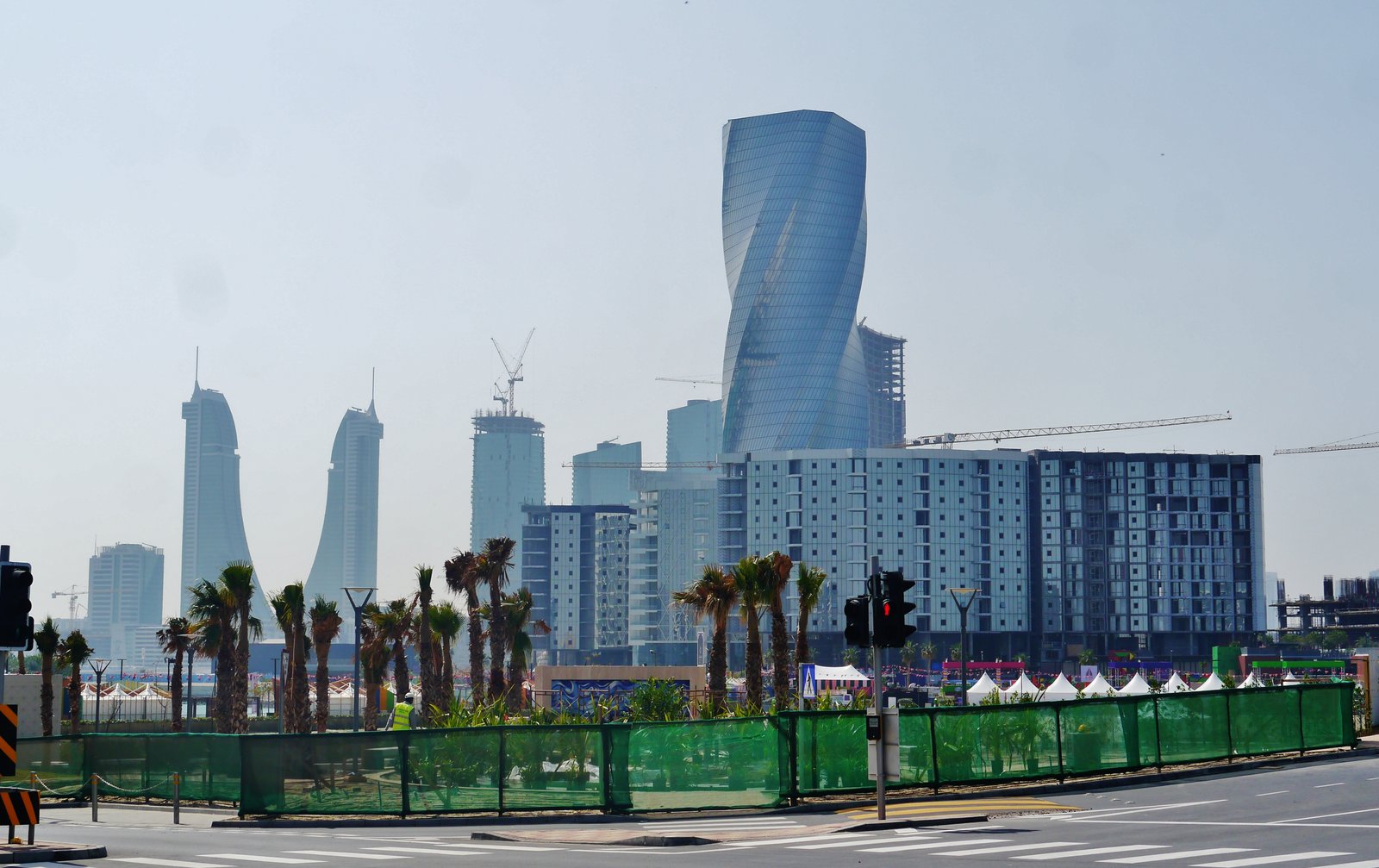
Iran’s Islamic Revolutionary Guard Corps said it launched six drones at a US air defence radar at al-Riffa air base in Bahrain before dawn on Sunday, the second attack on the Gulf kingdom in three days. Bahrain’s Defence Force said its air defences intercepted and destroyed several Iranian “aerial attacks” before they reached their targets, and the interior ministry issued two public alerts telling residents to seek shelter.
The attack came shortly after 4am local time (1am GMT), with residents reporting a second series of blasts around 6:30am, France 24 reported. There were no immediate reports of injuries or damage, and the US military did not immediately respond to a request for comment, The New York Times reported.
What changed since Friday is that Bahrain itself confirmed an attack and blamed Iran, rather than the claim resting on the Guard’s broadcasts alone. On 13 November the Guard said it had destroyed a US early-warning radar in Bahrain; the US military denied it, saying two drones had been shot down with no damage, as KhabarWire reported. Sunday’s strike ended a lull in attacks on Bahrain that had lasted since early September and produced the first public shelter alerts there since then, The Guardian reported. It sits inside the wider Iran war and mediation storyline.
What Bahrain says was intercepted
Bahrain’s Defence Force said Iran “continues its systematic hostile approach through attacks targeting Bahraini territory” and that the attacks were destroyed before they could reach their targets, The Express Tribune reported, carrying reporting from Reuters and Anadolu Agency. The foreign ministry went further, expressing the kingdom’s “strongest condemnation of the continued Iranian aggression against its territory” and saying the drones were intercepted and destroyed in Bahraini airspace.
The ministry described the attack as a violation of Security Council Resolution 2817, which condemned Iranian attacks on Bahrain and neighbouring countries and demanded they stop, and said no pretext could justify aggression against a state’s sovereignty. It also said Bahrain “rejects the transformation of its territory into an arena for settling scores”, held Iran responsible for the consequences, and invoked Article 51 self-defence and the Gulf Cooperation Council’s joint defence agreement, according to the full statement reproduced by The Guardian. Bahrain sits on the Security Council and asked it to condemn the attacks.
Al-Riffa air base lies south of Manama, about a 30-minute drive from the capital, and is used by the US military. Bahrain also hosts the US Navy’s Fifth Fleet headquarters at Naval Support Activity Bahrain in Manama, The Guardian reported. The Fifth Fleet base was hit in the opening hours of the war on 28 February, and a Pentagon inspector general’s report in September found that Iranian attacks had damaged or destroyed buildings at US installations in eight countries, including Bahrain, Al Jazeera reported.
Iran’s account
The Guard said the radar was struck by six drones from its aerospace force, in a statement carried by state broadcaster IRIB and the Fars news agency. It repeated that “the Strait of Hormuz is closed” and warned that any American aggression would meet “an even harsher and more forceful response”, France 24 reported.
Iran’s foreign ministry spokesman, Esmaeil Baghaei, defended the attack at a news conference in Tehran, arguing that strikes on US assets in neighbouring countries were justified under Article 51 because those states had aided American operations against Iran. He said Tehran had “documented” that role and was “not waiting for anyone”, The New York Times reported. Parliament speaker Mohammad Bagher Ghalibaf said Iran would not remain in a “neither war nor peace” state and would widen the conflict if Washington “makes a mistake”, Al Jazeera reported.
The Gulf closes ranks
Saudi Arabia, Qatar, Jordan and Egypt condemned the attack, in statements carried by Bahrain’s state news agency and reported by The Guardian. Saudi Arabia’s foreign ministry called the attacks a violation of international law and the principles of good neighbourliness and urged an immediate halt; Qatar described the continuation of attacks as “a dangerous escalation” that would complicate efforts to contain the tension.
The regional response matters because it turns an Iran-Bahrain exchange into a test of the Gulf’s collective-defence arrangements. Bahrain explicitly invoked the GCC pact that treats an attack on one member as an attack on all — a commitment separate from the Makkah Joint Defence Agreement binding Pakistan, Saudi Arabia and Türkiye, which entered into force in Türkiye on 14 November, as KhabarWire reported.
Why the strike lands now
The attack comes as diplomacy has stalled. President Donald Trump said on Thursday that Washington did not need a deal with Iran and redirected Vice President JD Vance away from the talks, the BBC reported. Iran has set conditions that include lifting the US naval blockade and sanctions, releasing frozen assets and declaring the war over, Al Jazeera reported. Mediators from Qatar and Pakistan have shuttled to Tehran in recent weeks to avert a return to all-out war, The New York Times reported.
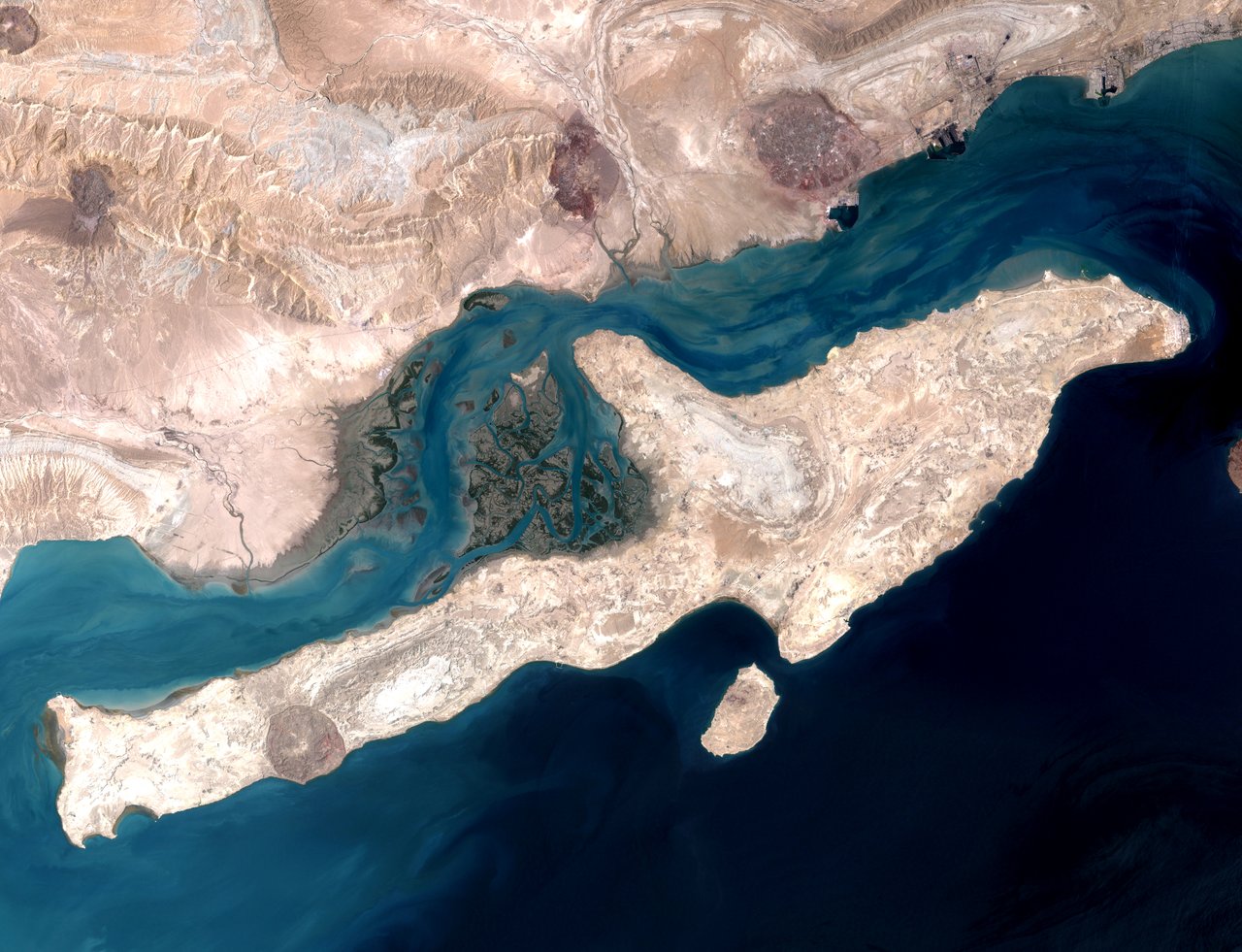
The wider war remains volatile. The US has carried out limited strikes on Iran’s southern coast, including Qeshm Island in the Strait of Hormuz, while Iran has rebuilt part of its missile and drone capacity. US and Israeli officials have drawn up plans for renewed strikes that would target energy infrastructure and other sites vital to Iran’s economy, The New York Times reported. Sunday’s attack tests whether Tehran intends to reopen a Gulf front to raise the cost of those plans, or whether it is signalling that it will answer each US strike without seeking a wider war.
Hormuz, oil and Pakistan’s exposure
The Strait of Hormuz normally carries about a fifth of the world’s oil and gas, the BBC reported. Iran’s Revolutionary Guard navy said early on Sunday that two tankers had struck naval mines and caught fire south of the strait; Reuters could not independently verify the account, The Express Tribune reported. US Central Command said last month that it had helped Gulf countries export 1.5 billion barrels of oil through the strait since the summer, France 24 reported.
Oil markets were closed for the weekend, so the immediate price test comes when trading resumes. For Pakistan, the waterway is not a distant concern: it carries the country’s oil and gas supply, and a Qatari LNG carrier on a route Pakistan had arranged safe passage for was hit near Hormuz on 30 October, as KhabarWire reported.
The diplomatic exposure is narrower than the energy one. Pakistan’s collective-defence commitment in the Gulf runs to Saudi Arabia and Türkiye under the Makkah pact; Bahrain is not a party, and the GCC clause Bahrain invoked does not bind Islamabad. But Pakistan has been one of the mediators trying to keep the US-Iran track alive, and an attack that pulls Washington and Tehran further apart makes that channel harder to sustain.
What is still unknown
The central unknowns are military, not diplomatic. No independent assessment has established what the six drones hit, whether any reached the base, or what damage they caused; Bahrain says they were destroyed, Iran says the radar was targeted, and the US had not commented. It is also unclear whether Friday and Sunday represent a new tempo of Iranian attacks or a pair of signalling strikes. The next markers are the American response, any Security Council action, and whether the Qatari and Omani channels can produce another pause.
For Pakistan, the practical question is whether the strait stays open to commercial traffic. The Gulf states that condemned Sunday’s attack are the same governments whose energy infrastructure Pakistan depends on, and the Makkah pact has made Islamabad’s defence commitments in the region more explicit just as the war’s Gulf front has reopened. That combination leaves little room for the mediation role Pakistan has been trying to protect.