What happened
Governments and international bodies welcomed the agreement between the United States and Iran announced on Monday, and several of them singled out Pakistan’s mediation in helping to bring the two sides together.
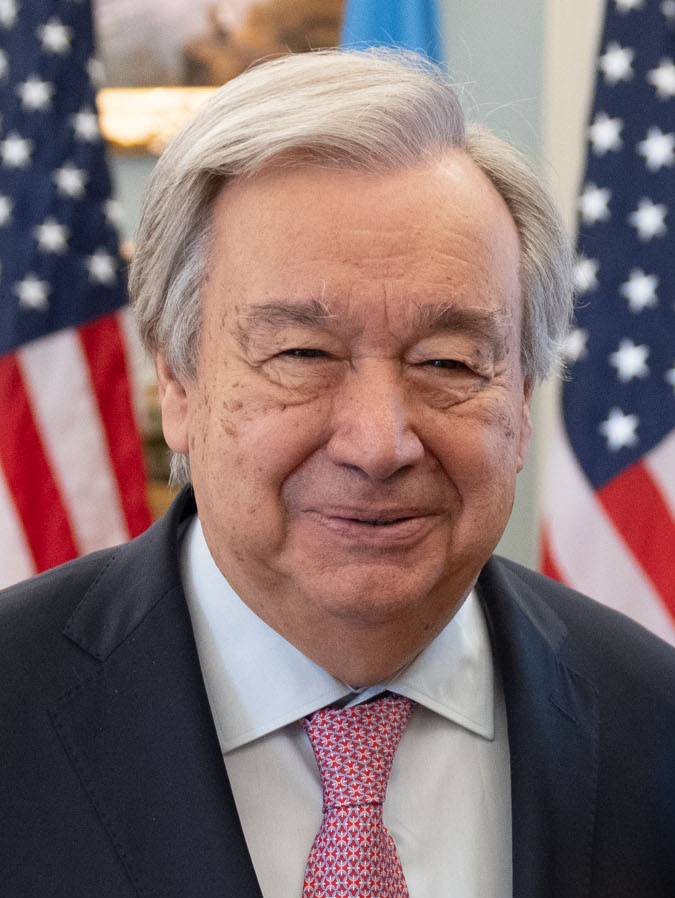
United Nations Secretary-General António Guterres congratulated the United States and Iran and specifically thanked Pakistan for what the report described as its exceptional mediation efforts, while also appreciating the support provided by Qatar and Saudi Arabia.
Iran’s Ministry of Foreign Affairs thanked what it called “our brothers” and all those that contributed to the memorandum of understanding, a statement that highlighted Pakistan’s role in creating conditions for the understanding on outstanding issues, including freedom of navigation in the Strait of Hormuz.
European and Western reactions
British Prime Minister Keir Starmer welcomed the agreement as a hugely important step forward in ending the war, ensuring regional stability and reopening the Strait of Hormuz. UK High Commissioner to Pakistan Jane Marriott thanked Pakistan for what she called its consistent, patient and impressive role in bringing peace, adding: “Bahot shukriya Pakistan!”
European Union foreign policy chief Kaja Kallas called the deal a major breakthrough, saying it could allow for deeper negotiations on Iran’s nuclear programme and other critical issues. Italy’s Prime Minister Giorgia Meloni thanked Pakistan and Qatar for helping broker the memorandum, describing it as an opportunity for peace that must be seized.
Canadian Prime Minister Mark Carney welcomed the agreement and said his country was grateful to Pakistan, Qatar and regional partners for what he described as their indispensable roles in facilitating the negotiations. The Netherlands’ Foreign Minister Tom Berendsen thanked Pakistan, Qatar, Saudi Arabia and Turkiye and stressed the importance of free passage through the Strait of Hormuz, adding that the Netherlands was ready to contribute to it.
Chinese and Gulf responses
China called for the immediate reopening of the Strait of Hormuz while praising Pakistan’s role, with foreign ministry spokesperson Lin Jian saying Beijing welcomed the agreement on the text of an initial memorandum and commended Pakistan’s mediation efforts.
Saudi Arabia welcomed the agreement and urged both parties to begin detailed negotiations within 60 days to reach a permanent agreement. Its foreign ministry praised the mediation efforts by Pakistan and Qatar and stressed the importance of restoring security and navigation in the Strait of Hormuz to the level that existed before February 28.
Kuwait’s foreign ministry also commended Pakistan and Qatar’s efforts and said the agreement stipulated an immediate and permanent cessation of military operations, ensured freedom of navigation in the Strait of Hormuz and addressed a number of outstanding issues.
Why it matters
The breadth of the endorsements reflected how far the conflict had reached beyond the Middle East, with the closure of the Strait of Hormuz pressuring energy markets worldwide. The public credit given to Pakistan marked a diplomatic high point for Islamabad, which had positioned itself as an intermediary acceptable to both Washington and Tehran throughout more than three months of war.
Sources & reporting notes
This is a summary of published reporting, not independent reporting. Details are as carried by the cited source, which was reviewed on 2026-06-15.
- Dawn — "'Shukriya Pakistan': Islamabad's mediatory role acclaimed as world welcomes US-Iran agreement"15 June 2026 · The reactions of the United Nations, Iran's foreign ministry, the United Kingdom, the European Union, Italy, Canada, the Netherlands, China, Saudi Arabia and Kuwait.
.jpg)