Reporting snapshot · 11 November 2026. The findings rest on a survey presented by a retailers' association and measure reported transactions, not audited sales; the full study was not available for independent review. The rule remains in force in Punjab, Islamabad and Balochistan, and it is not yet clear whether the government will review the closing time.
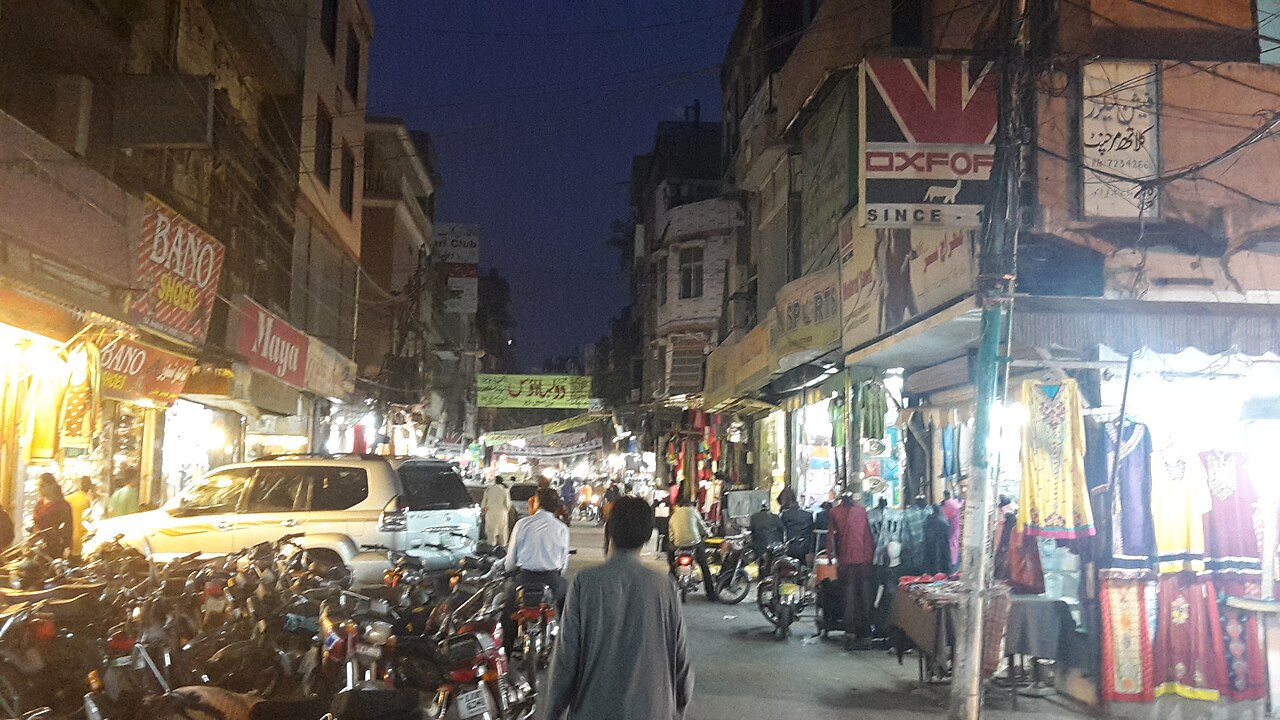
A new Ipsos survey has put figures on the cost of Pakistan’s 9pm shop-closing rule: average daily transactions at the retail outlets covered fell from 86 to 50, a drop of about 42 per cent, while only a minority of shopkeepers reported lower electricity bills.
The study, presented by the Chainstore Association of Pakistan (CAP), surveyed 300 retailers in 53 malls and markets across 10 cities, along with 1,046 consumers and 25 industry stakeholders. Fieldwork ran between August and September 2026. The Express Tribune reported that the average number of transactions per shop fell across the 10 leading product categories, and that Profit by Pakistan Today carried the same headline figures.
The measure is one of several energy-conservation steps Pakistan has taken since the war with Iran pushed oil prices higher, a sequence tracked in KhabarWire’s Pakistan Fuel & Energy hub. The federal government first ordered shops and malls to close at 8pm in April, later relaxed the deadline to 9pm, and in September revived the wider austerity package while leaving the closing time in place. The government had withdrawn most of the earlier package in June but kept the market closing hours.
A 42 per cent fall in daily transactions
The survey found that shops covered by the rule opened 1.6 hours less each day on average, with operating hours falling from 11.2 to 9.6. Across the top 10 product categories, the average number of transactions per shop dropped from 86 to 50. Footwear was among the hardest hit, falling from 85 transactions a day to 38.
The decline shows up in how retailers describe their own businesses. The share of shopkeepers rating their overall sales as good fell from 79 per cent before the rule to 34 per cent, while those reporting high profitability fell from 67 per cent to 26 per cent. The share seeing heavy evening footfall between 4pm and 8pm halved, from 63 per cent to 32 per cent.
A head of e-commerce at a footwear and apparel brand told the survey that 40 to 50 per cent of a day’s footfall comes between 7pm and 9pm, according to The Express Tribune. That is the window the closing rule removes. Shops have adjusted where they can: 73 per cent now open earlier in the day, 34 per cent have started or expanded online sales, and 12 per cent have cut staff.
The 42 per cent figure describes transactions, not the value of sales or the sector’s total revenue. It also reflects what retailers reported to interviewers, rather than till records audited by an independent body. CAP is a retailers’ association, not a neutral regulator, and the full study was not available for independent scrutiny.
The bill savings retailers did not see
The policy’s stated purpose is to conserve electricity, and 56 per cent of the retailers surveyed said they believed it had achieved that goal. But only 41 per cent said their own utility bills had fallen. In Punjab, Islamabad and Balochistan, where the 9pm rule remained in force during the survey, the figure was 31 per cent.
Even among retailers who believed the rule saved energy, daily transactions fell from 108 to 50. That suggests the trading cost was not confined to businesses that doubted the policy’s energy rationale.
The survey also compared Pakistan with 15 other countries. It found that Bangladesh was the only country in the comparison that closes shops early specifically to save energy. Most of the others rely on measures such as peak-hour electricity tariffs, quotas and efficiency programmes, and many allow malls to stay open until 10pm or later.
Where the 9pm rule still applies
Sindh and Khyber Pakhtunkhwa lifted the early-closing requirement on 16 May 2026. Punjab, Islamabad and Balochistan retained it, and those are the areas covered by the survey’s findings on continuing restrictions.
The rule has outlasted the wider austerity package that accompanied it. In June, the Cabinet Division withdrew the fuel-conservation measures imposed in March but kept the market closing times. In September, the government revived the broader austerity drive and left the 9pm deadline in place.
That sequence matters for reading the survey. Retailers have now operated under several different closing times in the same year, and the study’s fieldwork covered a period when the rule was in force in some provinces but not others.
What traders and shoppers want changed
Half of the 300 retailers surveyed opposed the rule, compared with 32 per cent who supported it. Opposition rose to 54 per cent among owners, the people who set trading hours. Among retailers who believed the energy goal had been met, only one in five wanted the existing timings kept unchanged; 57 per cent wanted the hours changed and 21 per cent wanted the rule removed.
Consumers were more evenly divided. Of the 1,046 people surveyed, 35 per cent supported early closing, 33 per cent were neutral and 32 per cent opposed it. But 37 per cent said their shopping experience had worsened, against 23 per cent who said it had improved, and 53 per cent said finding time to shop had become harder.
Shopping patterns shifted. The share of consumers who preferred to shop after 8pm fell from 9 per cent to 4 per cent. Average monthly shopping trips dropped from 9.4 to 8.7, with women cutting back by 19 per cent, from 7.2 trips to 5.8, against a 3 per cent fall for men. Neighbourhood shops gained ground as the most-used format, rising from 27 per cent to 31 per cent, while malls slipped from 8 per cent to 6 per cent.
Stakeholders also criticised how the policy was made. Ten of the 25 key informants said traders had not been consulted. “Until you take traders into confidence and develop policies in consultation with them, the situation will not improve,” the president of a market traders’ association said, according to The Express Tribune. A senior executive at a national apparel chain said adjusting to new timings takes four to six weeks, and “by the time we adjust, they change it again”.
What happens next
The survey does not settle whether the rule should stay. It does show that the trade-off is sharper than the original policy debate suggested: the energy savings are contested even by some of the retailers who believe the goal was met, while the drop in transactions is large and concentrated in the evening hours that many shops rely on.
Whether the Cabinet Division reviews the closing time now depends on a political decision rather than a technical one. It is not yet clear whether the survey will feed into such a review, or when a decision would be taken.
For retailers in Punjab, Islamabad and Balochistan, the practical question is whether to keep investing in earlier opening hours and online sales, or to wait for a change in policy. The survey suggests many have already done both.