What happened
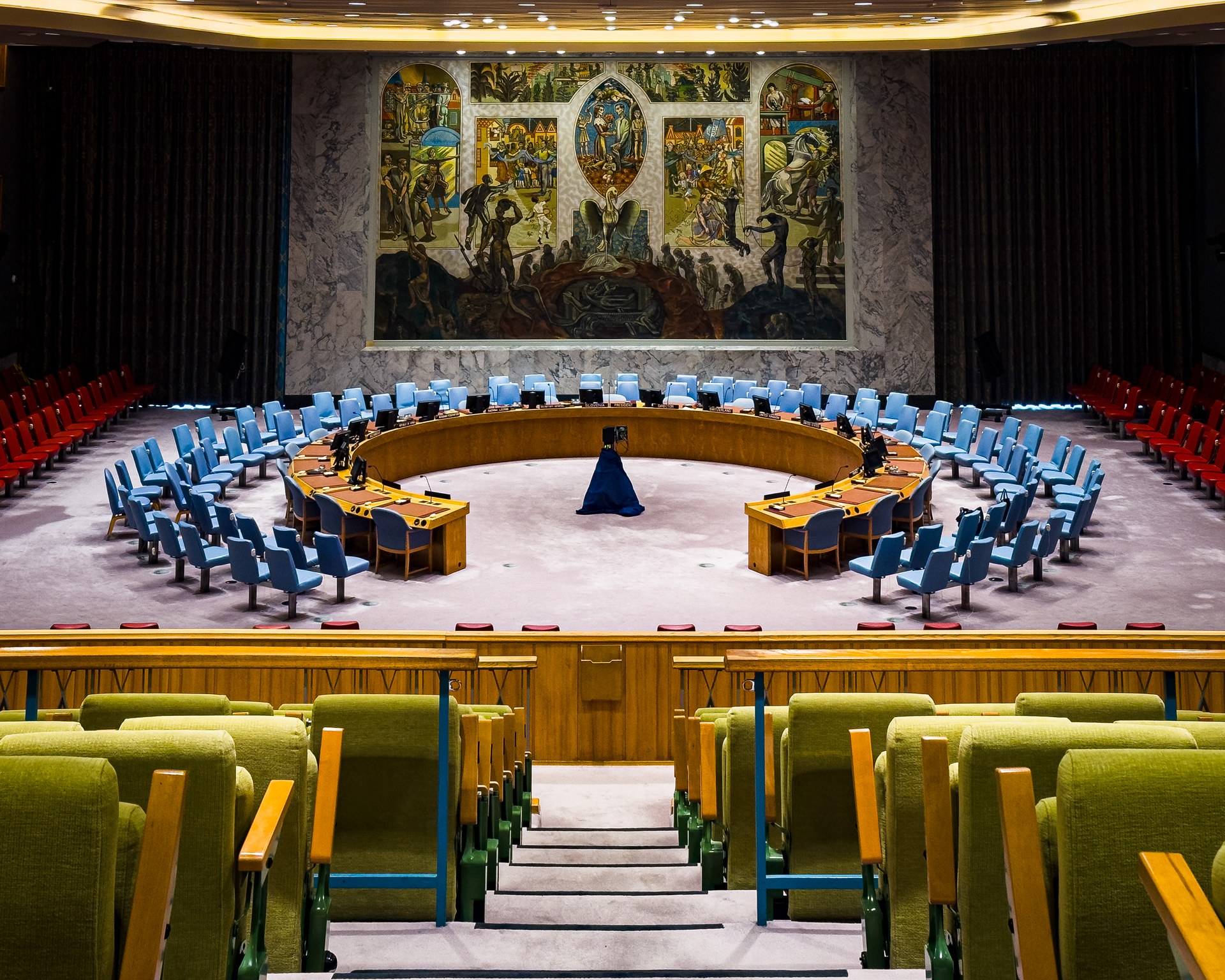
Pakistan told the UN Security Council that the international response to terrorism must keep pace with, and ideally run ahead of, fast-changing threats. Ambassador Asim Iftikhar Ahmad, Pakistan’s permanent representative, spoke at a Council meeting marking 25 years since the 9/11 attacks, the Associated Press of Pakistan reported from the United Nations on 12 September. Radio Pakistan carried the same account the same day.
Ahmad called for a “renewed, comprehensive and proactive global response”, Radio Pakistan reported, and said existing UN sanctions regimes were insufficient and had gaps.
What Pakistan said
According to APP, Ahmad paid tribute to the victims of 9/11, including seven Pakistanis, and said Pakistan had played a leading role against al-Qaeda at great cost. He put the toll of terrorist violence in Pakistan at 90,000 lives since the turn of the century and said more than 4,700 Pakistanis had been killed in the past three years by terrorism emanating from Afghanistan, which he said enjoyed significant external support.
He set out five concerns, APP said: far-right extremism; threats in Africa, the Middle East and Afghanistan; terrorists’ use of online technologies and virtual assets; a comprehensive approach built on the four pillars of the UN Global Counter-Terrorism Strategy; and what he called state terrorism under foreign occupation. Bol News reported that he also called for effective action against the TTP, the Baloch Liberation Army, ETIM and Daesh, and warned that groups use online platforms for propaganda, recruitment and fundraising, and are turning to the dark web and cryptocurrencies. These figures and characterisations are Pakistan’s own.
The UN’s own findings
The appeal came weeks after a UN monitoring team report reached the Council. The Express Tribune, citing APP, reported in August that the 38th report of the monitoring team described the Afghan Taliban-backed Tehrik-e-Taliban Pakistan as a growing cross-border threat, with TTP attacks on Pakistan escalating and provoking military exchanges.
Natalia Gherman, executive director of the UN Counter-Terrorism Committee Executive Directorate, told the same meeting that groups are decentralising, diversifying financing, using maritime routes and recruiting young people through new technologies, APP reported.
Context at home
Pakistan topped the Global Terrorism Index this year, as KhabarWire reported when TTP attacks pushed terror deaths to a 12-year high. Islamabad has also pressed the issue bilaterally, including at the fourth US-Pakistan counter-terrorism dialogue in August, and the military says it has killed 2,084 militants this year, according to the DG ISPR briefing of 31 July.
What remains unclear
Neither report describes any Council decision on the points Pakistan raised, or any specific proposal on sanctions listings. APP did not give the exact date of the meeting, and the claims about external support for Afghanistan-based groups are Pakistan’s own and were not independently verified.