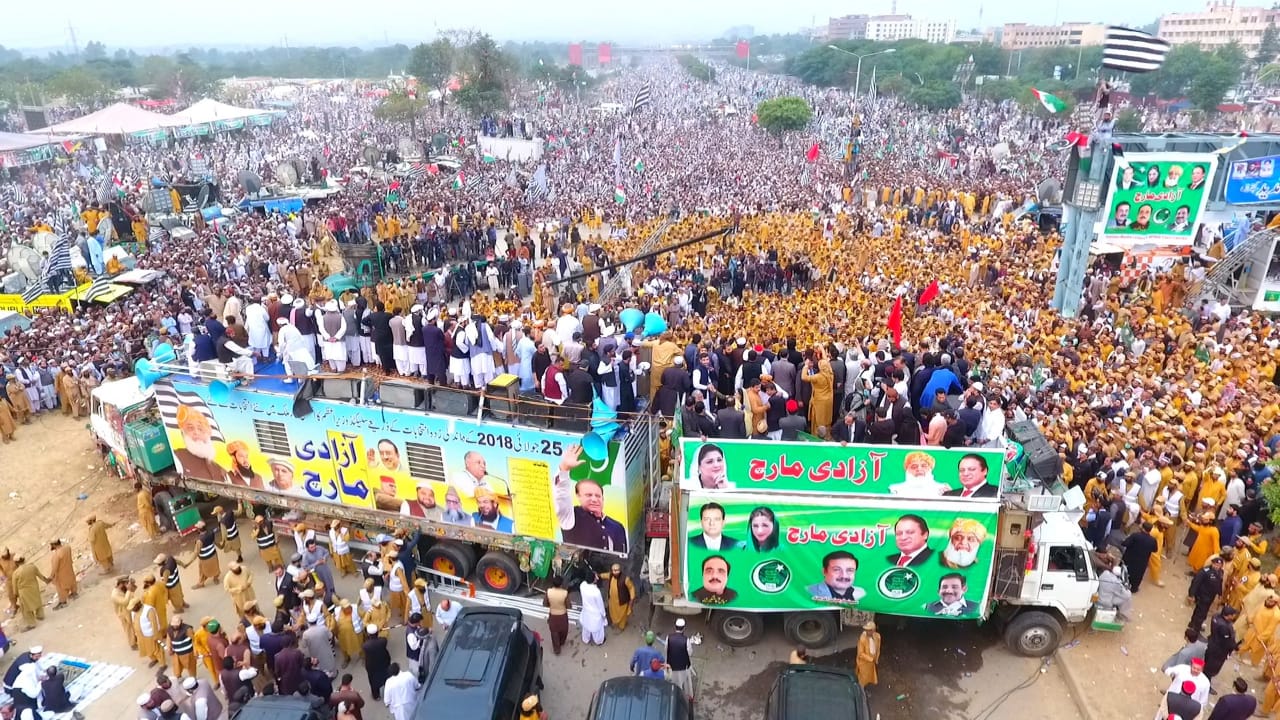
Reporting snapshot · 27 November 2026 (Asia/Karachi). The entry ban and the road blockades are documented, but three things are not settled: whether the Sargodha conference was held at all, whether Maulana Fazlur Rehman reached the district, and how many party workers are being held, because police and the party still describe the same detentions in different words.
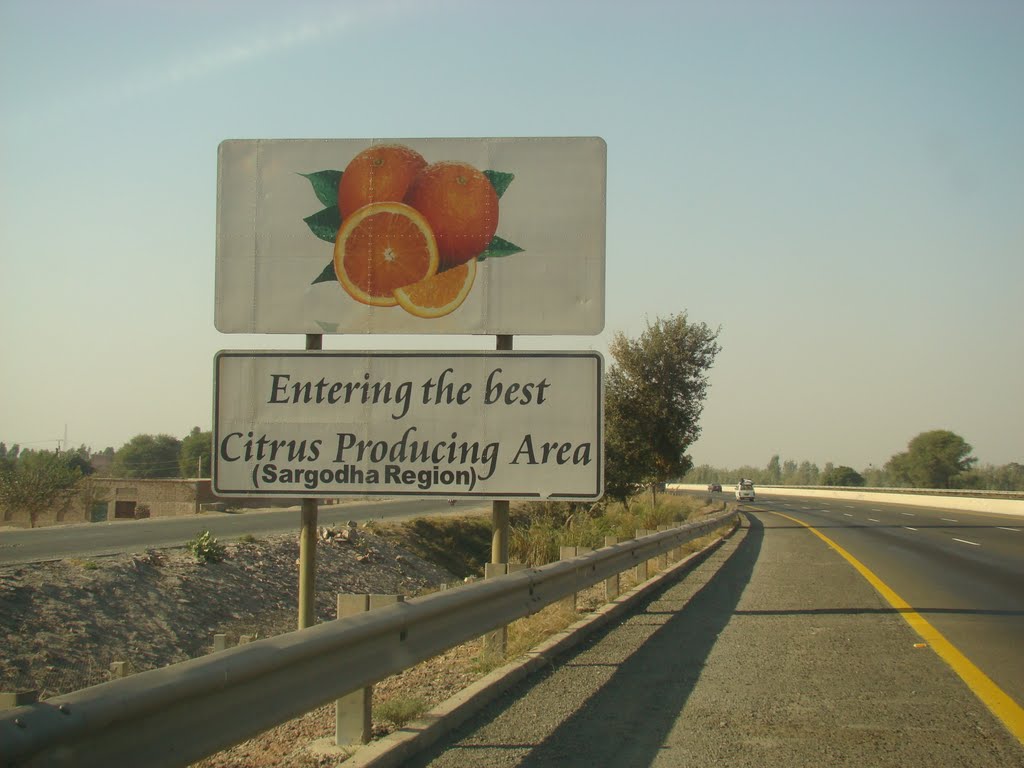
Sargodha’s deputy commissioner barred Jamiat Ulema-e-Islam-Fazl chief Maulana Fazlur Rehman and eight other party leaders from his district on 25 November, and by the following evening the party’s call for nationwide roadblocks had closed highways from the Karachi approaches to Chaman.
The two orders Hussain Ahmad Raza Chaudhary signed that day are the sharpest turn in a standoff that KhabarWire began reporting on 26 November, when police in Sargodha took three senior party figures into custody. A copy of the notification is held by Dawn, which reported the restriction and the nine names it carries. The order states that the nine may not “enter, reside or remain” within the revenue limits of the district, and that it would “remain in force for a period of 30 days effective from 25.11.2026”, The Express Tribune reported.
Until then the administration had acted on the gathering itself. On 23 November it imposed Section 144 for seven days, banning public gatherings, sit-ins, rallies, processions and demonstrations across Sargodha ahead of the conference the party had scheduled for 26 November, Pakistan Today reported. The new order reached further, naming the party’s chief and its own senior figures one by one.
Nine names, and nineteen clerics
The entry ban was issued under Section 7(1) of the West Pakistan Maintenance of Public Order Ordinance, 1960, read with the Punjab Maintenance of Public Order (Amendment) Ordinance, 2008. It followed a report from the Sargodha district police officer, and the notification described the nine as “firebrand speakers” whose speeches were provocative and inflammatory, who were likely to assemble crowds unlawfully and incite public sentiment against the state and its institutions, and whose presence could create a law and order situation.
Dawn reported that the nine are Maulana Fazlur Rehman, listed against Dera Ismail Khan; Maulana Naseer Ahmad Abrar, Maulana Amjad Khan and Prof Ghazanfar Aziz of Lahore; Maulana Safi Ullah of Bhakkar; Maulana Muhammad Noor Khan Hans of Multan; Maulana Muhammad Zakria Shah of Faisalabad; Maulana Muhammad Yahya Abbasi of Muzaffargarh; and Maulana Jamal Abdul Nasir of Dera Ghazi Khan.
A separate order from the same deputy commissioner went further in a different direction. Issued under Section 5(1)(d) of the Maintenance of Public Order Ordinance, it gagged 19 individuals from the Sargodha, Sillanwali, Shahpur and Kot Momin tehsils for 30 days, on the ground that their speeches could disturb public peace, The Express Tribune reported. The administration now holds three instruments over the same event: a ban on gatherings, a ban on nine named leaders entering the district, and a ban on nineteen local clerics speaking.
A country of blocked roads
Maulana Fazlur Rehman called for nationwide protests in a video message on 26 November, telling workers to “block all the major highways across the country” and naming places from Kohistan and Chitral to Badin, Turbat, Makran and Chaman. He told supporters near Thokar Niaz Baig on Multan Road in Lahore that his party was travelling in a disciplined manner, and warned that if the convoy to Sargodha was not allowed to proceed “the entire country will remain shut”, The Express Tribune reported.
In Karachi, the party’s sit-ins at Hub River Road, Sohrab Goth and Ghaggar Phatak left long queues of vehicles and disrupted intercity travel, The Express Tribune reported. Karachi traffic police said the Superhighway near Al-Asif Square was closed because of a protest, that both directions of Hub River Road were closed with heavy traffic backed up, and that Sharea Faisal near Baloch Pull was shut for a time; small vehicles were being diverted through inner areas while personnel worked to keep traffic moving, Dawn reported.
In Peshawar, party workers blocked the toll plaza at the M-1 motorway interchange in both directions, bringing traffic between Peshawar and Islamabad to a standstill for hours. Capital City Police Peshawar said the protest ended after a police operation, that the motorway reopened to all traffic, and that several protesters were taken into custody, according to The Express Tribune.
In Balochistan, protests and sit-ins were held in every district, disrupting the Quetta-Karachi, Quetta-Sibi, Quetta-Chaman, Quetta-Zhob, Quetta-Taftan and Quetta-Gwadar routes, The Express Tribune reported.
The party and the administration give different accounts of why. Party spokesman Aslam Ghori said the motorway had been closed “on the pretext of fog” despite the sun being out, and accused the Punjab administration of sabotaging the conference, The Express Tribune reported. The government’s response came from Information Minister Attaullah Tarar on Geo News’s “Aaj Shahzeb Khanzada Kay Sath” programme, who said traffic jams “keep happening in the country”, called the disruption “not an important issue”, and said the party chief should engage in talks through a democratic and political process, Dawn reported.
Detained, restricted, and said to be missing
The two sides also describe the same events in incompatible terms. Sargodha Regional Police Officer Sohail Sukhera told Dawn that Maulana Abdul Ghafoor Haideri, an MNA and the party’s central general secretary, Maulana Amjad Khan, its Punjab amir, and Malik Awais, central president of its student wing, were taken into custody from a house in Sargodha and served notices for alleged violations of Section 144. Sukhera said the three had not been arrested, but that “their movement had been restricted in the division”, Dawn reported.
JUI-F Senator Kamran Murtaza described it differently, saying Maulana Haideri was staying with a host in Khushab when he was placed under house arrest, that the party had reached him only through an intermediary and could not speak to him directly, and that the party would approach the Rawalpindi bench of the Lahore High Court over his detention and that of other leaders whose whereabouts it says are unknown, The Express Tribune reported.
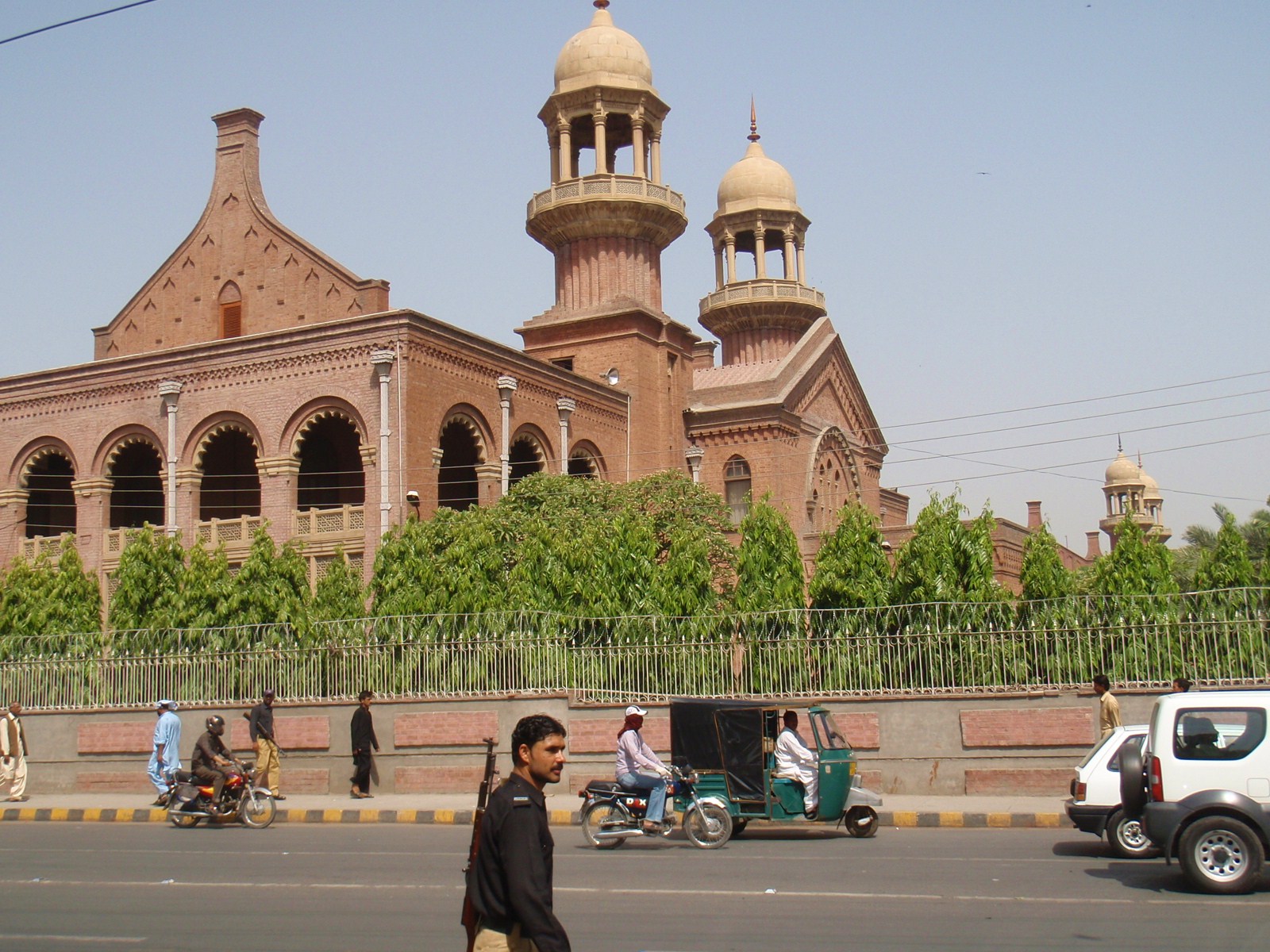
The courts are already involved. A petition filed by the party’s lawyer Advocate Abrar Hussain on 24 November seeks Fazlur Rehman’s recovery and the lifting of what the party calls a siege of his Lahore residence; Justice Ali Zia Bajwa issued notices to the Lahore Capital City Police Officer, observing that if the chief had been detained the matter would be serious and the authorities would have to justify their actions, The Express Tribune reported. KhabarWire reported the plea and the competing accounts on 24 November. Jamaat-e-Islami chief Hafiz Naeemur Rehman called the restrictions on the JUI-F chief’s movement “a blatant rejection of democratic conduct and political tolerance”, The Express Tribune reported.
What the morning after has not settled
The published accounts leave the conference itself unresolved. The administration had banned the gathering under Section 144 and then barred the party chief and eight others from the district, while the party said the conference would proceed and that convoys were on their way; aides said the chief’s convoy was stuck in traffic, and the accounts published so far do not say whether the meeting was held or who addressed it.
The numbers are equally unsettled. Police say three senior leaders were held and served notices; the party says its general secretary is under house arrest in Khushab. Maulana Fazlur Rehman said in his video message that the party’s Islamabad amir and naib amir and other leaders had been rounded up, and that the son of the Sargodha chief, himself a lawyer, had been arrested, The Express Tribune reported. No count of those detained has been given by either side.
What is clear is the scale of the restriction: a named thirty-day ban that keeps the chief of one of the country’s main religious parties out of the district where his own conference was to be held, on top of a ban on public gatherings and on nineteen local preachers, answered by blockades that interrupted freight and travel on the main routes from Karachi to Chaman and Peshawar to Islamabad. The next tests are judicial: whether the Rawalpindi bench hears the party’s case over the missing leaders, and whether the entry ban is withdrawn or upheld. The party has told workers to remain patient, to avoid provocation and to keep an eye out for anyone seeking to stir unrest, The Express Tribune reported; the information minister said the government wanted the dispute settled by negotiation.