Reporting snapshot · 15 November 2026 (Asia/Karachi). The military's release was issued on Saturday, 14 November, and the provincial government's response was carried in Sunday's papers. No independent account of the fighting has been published, the military has not said where the patrol was attacked, and the toll it announced on 13 November has not been revised.
Pakistan’s military said on Saturday, 14 November, that armed quadcopters were used to attack a patrol of military vehicles in Balochistan, killing Major Omer Minhas Nasir, a resident of Chakwal district, and Havildar Muhammad Adnan Khan, a resident of Kotli Sattian. In a separate operation in the same area, the Inter Services Public Relations (ISPR) said troops killed eight fighters it calls Fitna al-Hindustan, including a suicide bomber, and recovered a large cache of weapons and ammunition. Radio Pakistan carried the military’s release, Geo News reported both announcements, and Pakistan Today published the statement in full.
The two announcements cover two provinces and two sets of engagements. The statement on Mir Ali and Datta Khel in North Waziristan, which counted 16 fighters killed and two soldiers martyred, was covered by KhabarWire on Saturday. What is new in the Balochistan release is an operation that had not been announced before, in a part of the province where the campaign has been running since the start of November.
Eight killed at Kolpur, one of them a suicide bomber
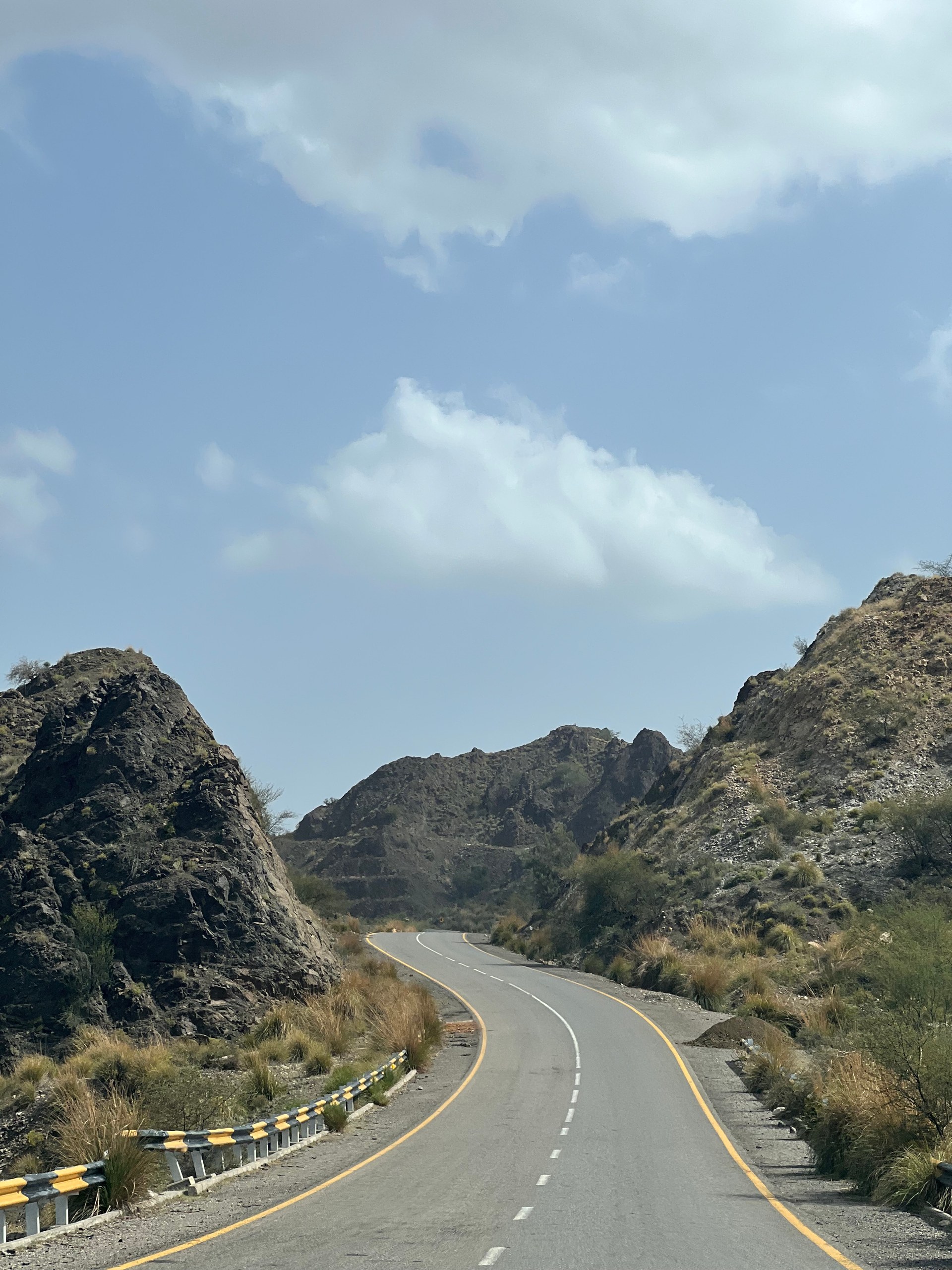
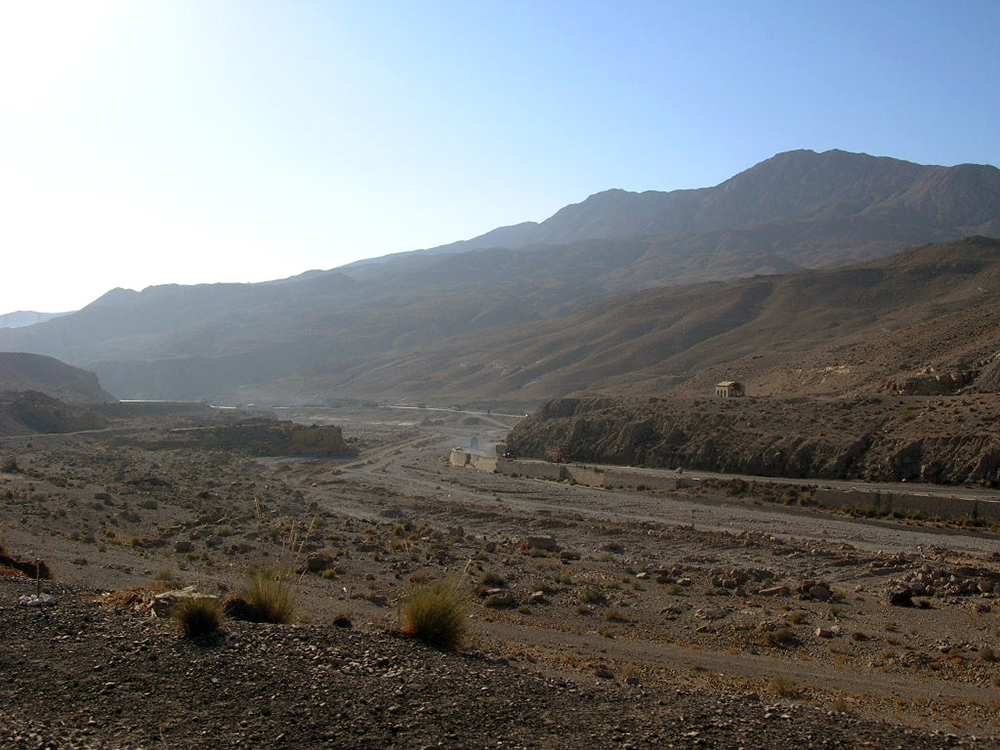
The military’s media wing said multiple intelligence-based operations had been under way since 13 November around Kolpur, Kardagap and Nushki, combining area domination with patrolling of the Quetta-Taftan National Highway, the N-40, to keep it open to local traffic and to sustain operations further along the route. The Express Tribune, which carried the provincial government’s reaction on Sunday, spells the second place Kirdgap.
In the operation in the Kolpur area on the night of 13/14 November, the release says security forces “successfully neutralised eight Indian-sponsored terrorists” it calls Fitna al-Hindustan, including a suicide bomber, and recovered a large cache of weapons and ammunition. Fitna al-Hindustan is the state’s label for the Balochistan-based militant groups; the allegation of Indian sponsorship is the military’s, and the release sets out no evidence for it.
The rest of the statement is about method. The military’s media wing said the fighters it calls Fitna al-Hindustan are “actively trying to use drones and other technical means, including improvised explosive devices”, to target civilians and security personnel, and accused India of continuing to give the group “full financial support and supply it with the latest gadgetry”. It said the security forces were aware of the change in tactics and would deny the group space, whatever means it employed.
A patrol struck by armed quadcopters
The same release records the deaths of the two personnel. On 14 November, the release says, fighters used armed quadcopters to target military vehicles on patrol, and Major Omer Minhas Nasir and Havildar Muhammad Adnan Khan were killed in the attack. It does not give the location of the patrol, the time, the number of vehicles or any account of how the two men died, and it says nothing about the weapons recovered in that attack.
Two official accounts describe the attack differently, and neither can be checked against another record. Deputy Prime Minister and Foreign Minister Ishaq Dar said he was “deeply saddened by the shahadat of our brave military personnel in a drone attack on a military convoy in Kirdgap, Mastung”, describing the location as Mastung district, Pakistan Today reported. The military’s release describes armed quadcopters used against vehicles on patrol, without naming a place. The two accounts also differ on spelling: the military’s release and Geo News give the major’s name as Omer Minhas Nasir, while The Express Tribune reported it as Umar Minhas Nasir and rendered the other rank as havaldar.
What Balochistan’s government said
Balochistan Chief Minister Sarfraz Bugti said on Saturday, in remarks The Express Tribune published on Sunday, that terrorist elements seeking to destabilise the province would not be allowed to establish safe havens, and that the state would use an effective strategy to defeat them. He described the Kolpur operation as a significant step and said intelligence-based operations were continuing in Kolpur, Kirdgap and Nushki, with security strengthened along the Quetta-Taftan highway to keep traffic moving.
He also tied the campaign to the province’s economy, arguing that lasting peace was essential for development, investment and the return of normal life, and that the government would not allow militants to regain a footing anywhere in Balochistan. President Asif Ali Zardari paid tribute to the forces and offered condolences to the families of the two personnel killed, calling their sacrifice a source of pride for the nation, and Prime Minister Shehbaz Sharif said the sacrifices strengthened the national resolve, Pakistan Today reported.
Where the campaign sits in the province
The operation falls in a stretch of road that has drawn repeated attacks. The military said on 13 November that 31 fighters were killed in a sanitisation operation in the Kurram area of Quetta district that had begun on 3 November, and KhabarWire covered that announcement. On the same day, an explosives-laden vehicle struck the Kandawa post on the N-25 highway in Mastung, killing two civilians and three militants, as reported at the time.
The pattern of violence is not new, but the way it is being fought is changing. According to the Centre for Research and Security Studies, Balochistan and Khyber Pakhtunkhwa together accounted for nearly 96 per cent of the violence-related fatalities recorded in the second quarter of 2026, with Balochistan recording 265 deaths across 94 incidents, Geo News reported. Pakistan Institute for Conflict and Security Studies data cited by Pakistan Today showed attacks in the former tribal districts rising from 8 to 20 in the first week of November, while Balochistan recorded fewer attacks than the week before but more fatalities, seven against five. KhabarWire follows the provincial campaign, the claims made in it and the monthly data that tracks it in the Balochistan Security hub.
What the release leaves unestablished
Three things are missing. There is no independent account of the fighting at Kolpur: no local administration, no civilian witness account and no agency report describes the operation or the attack on the patrol, so the numbers can only be checked against the military’s own statements. There is also no indication of whether the 31 fighters the military recorded in Quetta district on 13 November has been revised, or whether the eight killed at Kolpur are counted inside the 24 announced across the two provinces.
The third gap is the one that matters most for the road itself. The N-40 is the route that carries traffic towards the Iranian border, and the release describes the effort to keep it open without saying how many patrols are running, how the highway has been held, or whether attacks on convoys along it have stopped. A statement that clearance operations will continue until the threat is completely neutralised describes a sweep expected to run on rather than ground that has been secured. The practical questions for travellers and for the army are narrower: whether the Kolpur road is now secure, whether the quadcopter attack changes the way patrols move, and whether the Balochistan government’s promise of no safe havens is followed by held ground rather than by further announcements.