Reporting snapshot · 26 November 2026 (Asia/Karachi). The military has not named the dead, reported any security-force losses or released an independent account of the four engagements. The casualty figure may be revised as more details emerge.
Pakistan’s military said on Thursday, 26 November, that security forces had killed 12 militants in four intelligence-based operations in Balochistan between 20 and 23 November. The operations took place in Nushki, Sibi, Panjgur and Kech districts, the Inter-Services Public Relations (ISPR) said in a statement reported by Dawn and The Express Tribune. Both accounts give the same total and the same sequence of engagements.
Four districts, four dates
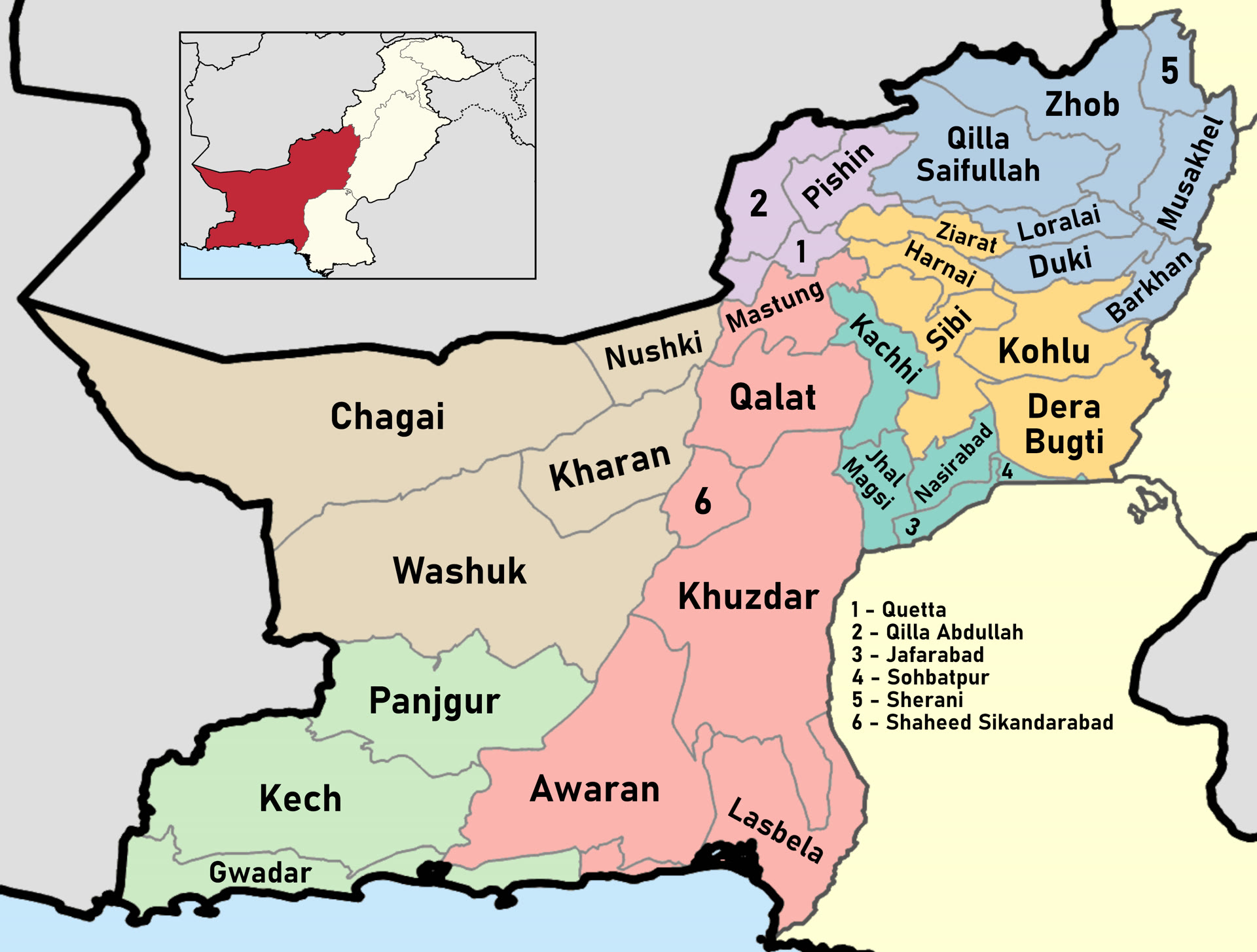
The statement distributes the casualties across the province rather than describing a single sweep. In Nushki district on 20 November, security forces targeted a militant hideout and killed eight militants after an exchange of fire, the ISPR said; weapons and ammunition were recovered. In Sibi district on 21 November, forces intercepted the movement of a group and killed two, according to the same statement. Two more were killed in separate raids on hideouts in Panjgur on 22 November and Kech on 23 November. The military statement spells the second district Sevi, while Dawn renders it Sibi.
The account is thin on detail. It does not name the dead, identify the units that carried out the operations, say how long the fighting lasted, or describe the weapons and ammunition recovered beyond the fact of recovery. It also does not report any casualties among security personnel.
The ISPR said the operations were part of the campaign it calls Azm-e-Istehkam, approved by the Federal Apex Committee under the National Action Plan, and that operations would continue until what it describes as foreign-sponsored terrorism is eliminated. The Express Tribune reported the same framing.
What the ‘Fitna al-Hindustan’ label does and does not prove
The statement attributes all 12 deaths to “Fitna al-Hindustan,” the term the Pakistani state uses for the Balochistan Liberation Army and other armed groups in the province. The ISPR described the group as “Indian-backed.” That is an official designation, not a finding set out in the published statement: no evidence for the India link was released with the announcement, and no independent account of the four engagements has been published. The label matters because it is how the military frames the campaign, but it is not a substitute for identifying the dead or showing what they were doing.
The distinction is not academic. The same month, the military announced 15 militants killed in two operations in Mastung and said four areas had been “cleared,” as KhabarWire reported. “Cleared” described the ground at a moment in time; it did not say the areas were being held, and no independent account of that fighting was published either. The 12 announced on 26 November carries the same limitation. A casualty figure released by the military is a claim about what happened, not a verified count.
A fortnight of overlapping operations
The four operations sit inside a crowded month. On 13 November, the military said 74 militants had been killed in intelligence-based operations in Balochistan and Khyber Pakhtunkhwa, including 31 in a sanitisation operation in the Kurram area of Quetta district, KhabarWire reported. A day later, Dawn reported that four soldiers, including a major, were martyred and 24 militants killed in operations across the two provinces. On 21 November, the military announced 15 killed in two operations in Mastung. The 12 announced this week are the third such announcement in a fortnight, and the military has not published a combined total for the three.
The wider trend is not improving. The Pakistan Institute for Conflict and Security Studies recorded fewer attacks nationwide between 6 and 12 November but a sharp rise in fatalities and injuries, Dawn reported: Khyber Pakhtunkhwa had 16 attacks and 44 fatalities in that week, while Balochistan had 13 attacks, eight deaths and 19 injuries. The Armed Conflict Location and Event Data project, cited by The Express Tribune, says the number of attacks in Pakistan has risen every year since 2022.
The political response followed the usual pattern. President Asif Ali Zardari and Prime Minister Shehbaz Sharif commended the security forces in separate statements, Radio Pakistan reported, describing the operations as a success and repeating the commitment to eliminate foreign-backed terrorism. Interior Minister Mohsin Naqvi also praised the forces, The Express Tribune reported. None of the statements added detail about the dead, the fighting or the evidence behind the India link.
The test after the announcement
Balochistan’s security file is tracked in KhabarWire’s Balochistan Security hub, and the question after each announcement is the same: what follows the body count? The 26 November statement does not say whether the four districts are being held, whether the hideouts belonged to one network or several, or whether the operations are still running. It also does not say whether the dead were local residents, members of a single cell or a mix, or whether they had been linked to any of the attacks that have hit the province this month.
There is a parallel policy track. On 24 November, the Balochistan government advertised rewards of up to Rs250 million for information on named militants, including two BLA commanders, as KhabarWire reported. That scheme asks residents for information the security forces say they do not have; the operations announced on 26 November are the other side of the same campaign. Neither the statement nor the reward advertisement explains how the two are meant to work together.
What can be checked is narrower than the headline. The military said 12 militants were killed in four districts over four days, and two newspapers of record carried that claim with the same district-by-district breakdown. What cannot be checked from the published record is who the dead were, whether the India link is established, or whether the operations changed the security situation on the ground. Those answers would require names, evidence or independent reporting that the announcement did not provide.