Reporting snapshot · 25 November 2026 (Asia/Karachi). The launch, the docking and the entry into the station are confirmed by the China Manned Space Agency, but Ali's departure date has not been set and Suparco has still not published the four Pakistani experiments by name. The account of the science aboard therefore rests on the pre-flight briefing rather than on a mission manifest.
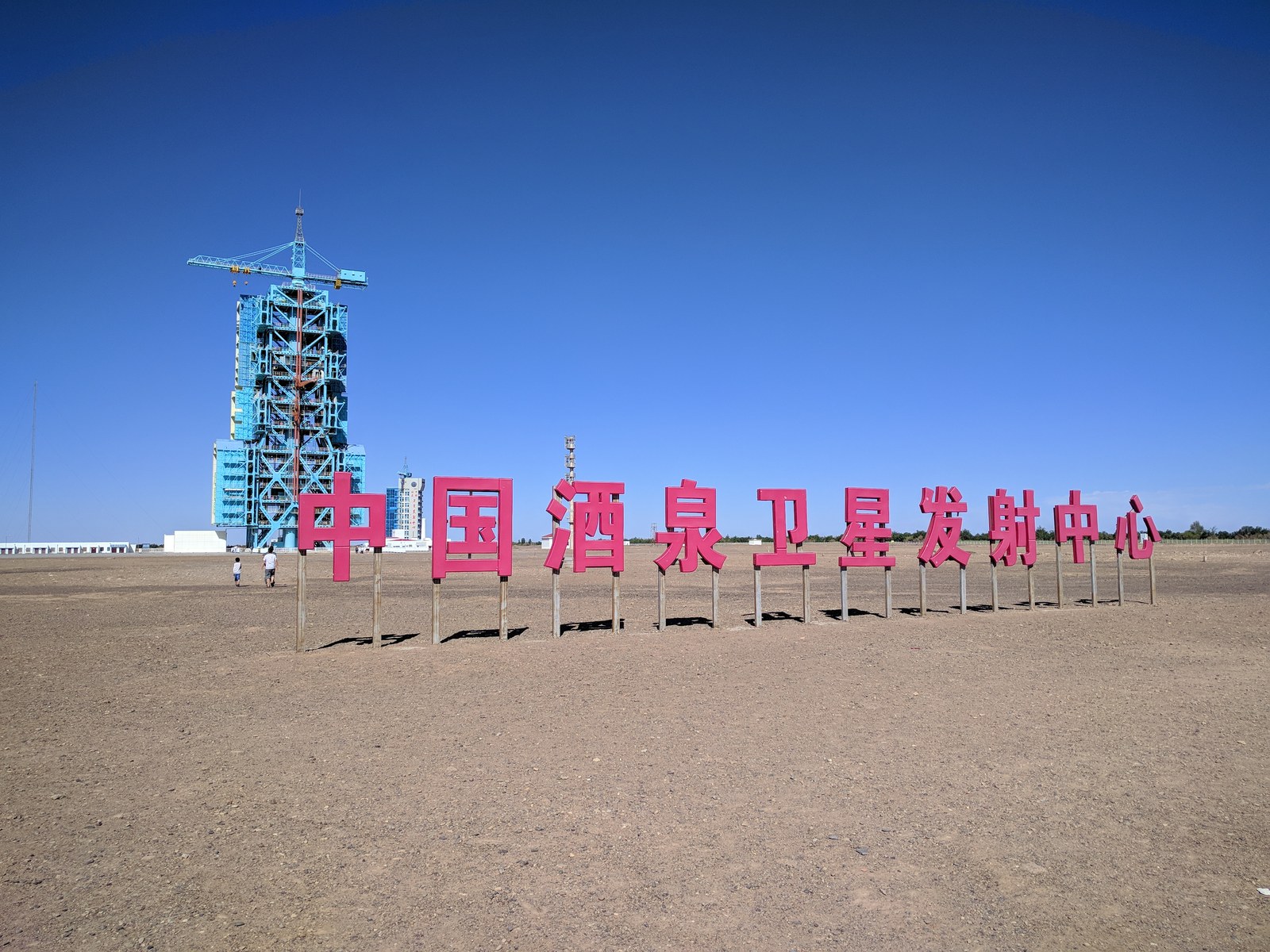
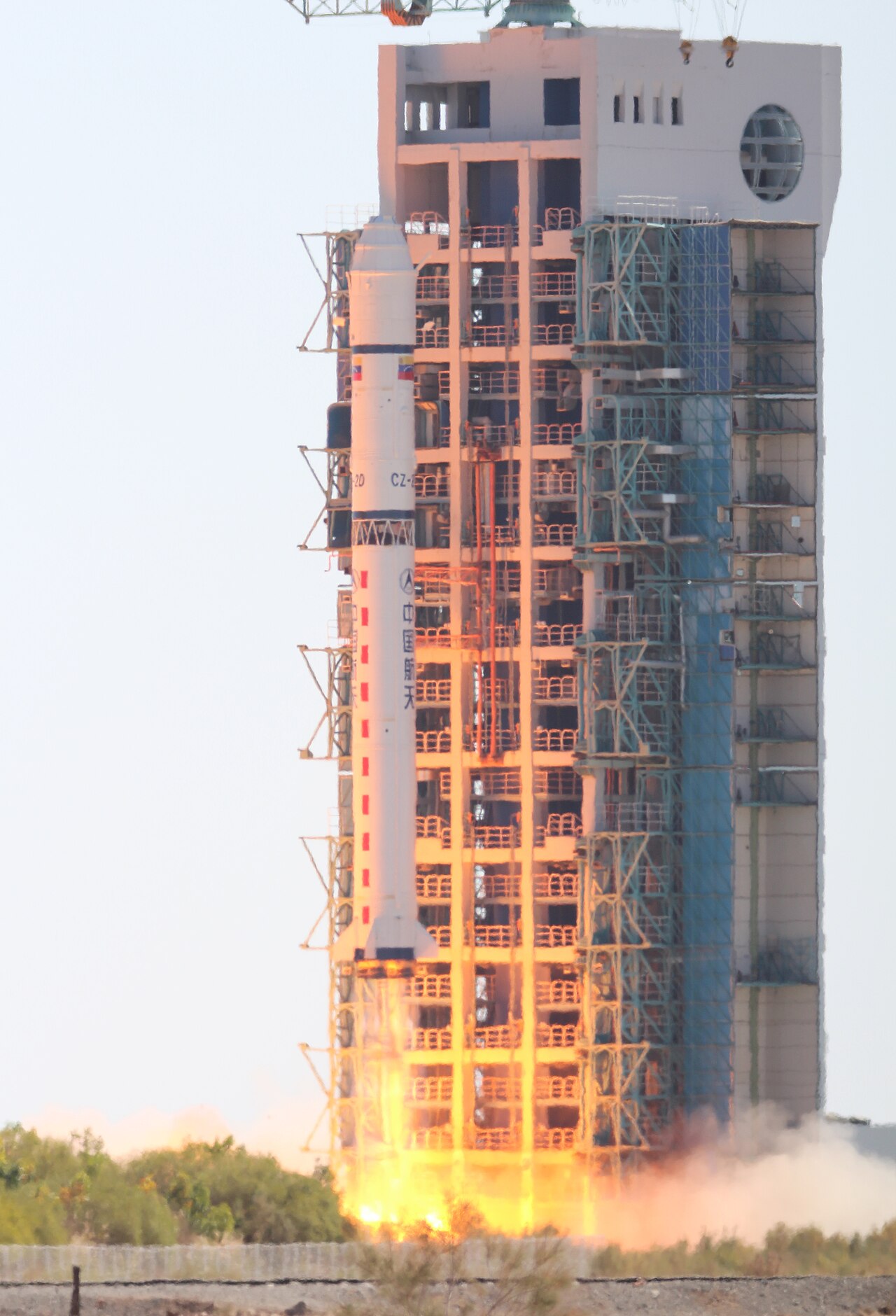
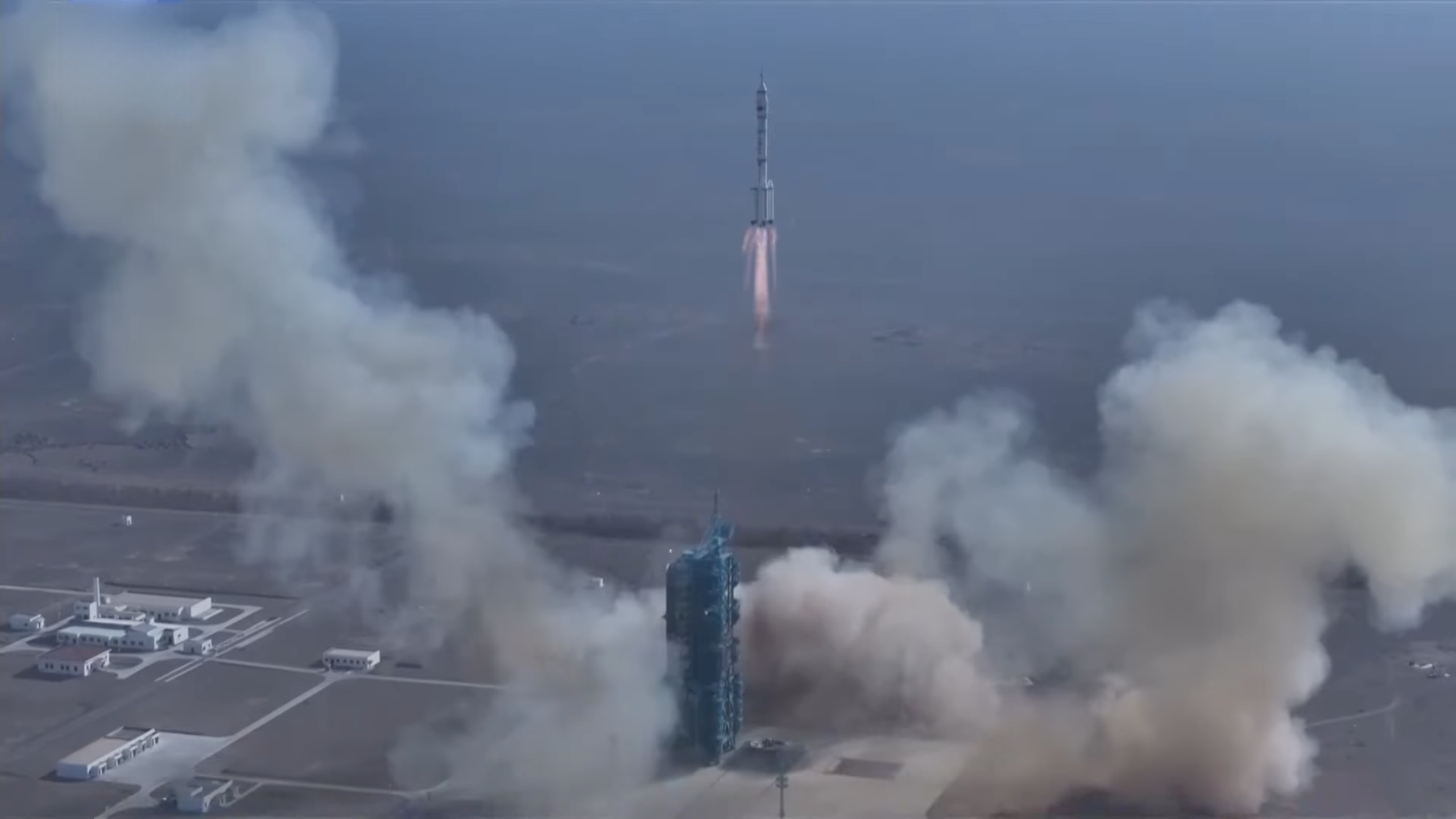
Pakistan’s first astronaut is aboard China’s space station. Muhammad Zeeshan Ali, a 40-year-old Pakistan Air Force pilot flying as a payload specialist, became the first foreign national to board the Tiangong orbital station on Wednesday, 25 November, after the Shenzhou-24 spacecraft lifted off from the Jiuquan Satellite Launch Centre in north-western China at 8:18am Beijing time, 5:18am in Pakistan, Xinhua reported citing the China Manned Space Agency (CMSA).
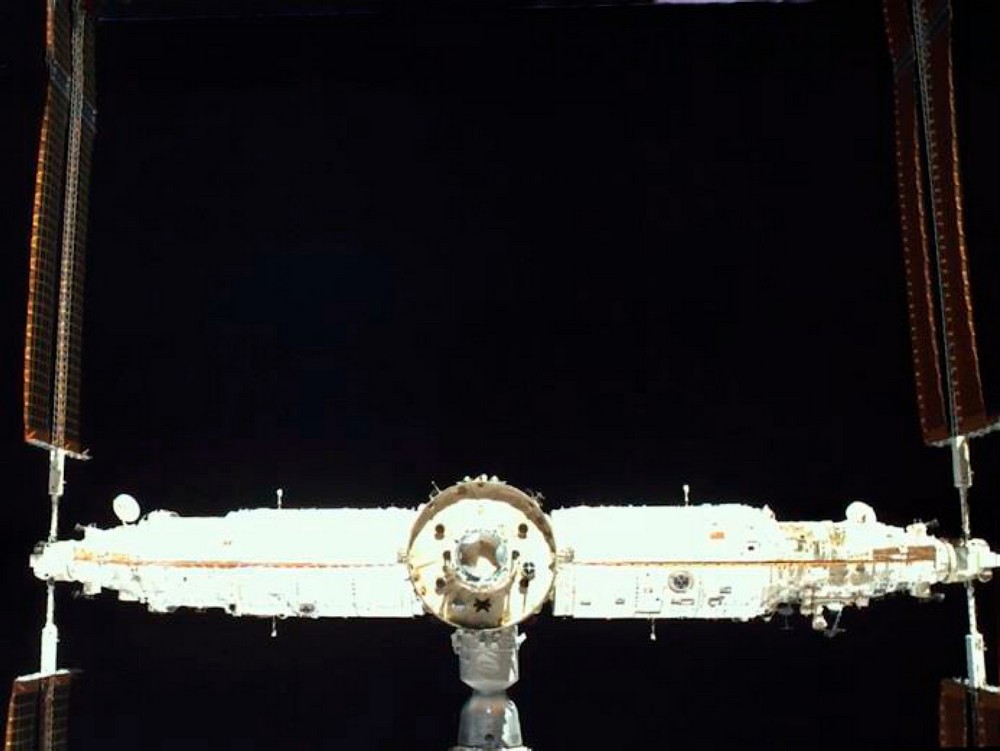
The spacecraft separated from its Long March-2F carrier rocket about ten minutes later and docked with the station at 11:56am Beijing time, 8:56am in Pakistan, in a fast automated rendezvous with the forward port of the Tianhe core module that CMSA put at roughly three and a half hours, Radio Pakistan recorded. The outgoing Shenzhou-23 crew opened the hatch at 2:35pm Beijing time, 11:35am in Pakistan, and welcomed Ali, commander Tang Hongbo and flight engineer Wu Yi into the station, Xinhua said. Reuters reported that the arriving crew were met with hugs and a cake, and that the two groups took group photographs that Xinhua called the ninth space get-together in China’s aerospace history, before an in-orbit handover began.
KhabarWire reported the schedule on 24 November, when CMSA fixed the launch time and named the payload specialist. The timetable has now given way to the flight itself, and the wider thread runs through the Pakistan space programme hub.
The work aboard the station
Ali flies as a payload specialist, not as a spacecraft operator. Zhang Jingbo, the CMSA spokesman, told the pre-flight briefing that his contribution would be the joint China-Pakistan science experiments — installing samples and experiment units and running them in orbit — alongside the crew’s routine work. The wider mission tests technology in fields such as aerospace medicine and combustion and studies how space affects living organisms, BBC News reported.
Four of those projects are the Pakistan-China ones that Chinese institutes chose from more than 300 proposals submitted by Suparco from universities across the country, with the research aimed at food security and climate change, Geo News reported, citing details Suparco officials had shared with Reuters. BBC News reported that Ali’s own work covers photosynthesis in bacteria and the effect of radiation and microgravity on seeds, and Reuters reported that he will help test how self-healing carbon-fibre composites repair small cracks in spacecraft. Suparco’s own description of the 2025 training agreement lists the fields the station’s equipment can support: biological and medical sciences, aerospace, applied physics, fluid mechanics, space radiation, ecology, material sciences, microgravity studies and astronomy.
The preparation was long. Reuters reported that Ali trained for seven months in Beijing, through Chinese-language classes, Chinese songs and poetry, calligraphy and table tennis. At the send-off ceremony before launch, Ali said he carried “the name of Pakistan on my shoulder”, BBC News reported.
Days rather than months, and a ride home with the Hong Kong astronaut
The visit is measured in days. Suparco and CMSA accounts put it at around a week, Radio Pakistan recorded, while Reuters gives a range of five to 10 days and DW had put the expected orbital stay at about five days before the launch.
Ali will not come down on the spacecraft that carried him up. Xinhua reported that after the short joint flight he returns aboard the Shenzhou-23 spacecraft with two members of the crew he is replacing: Zhang Zhiyuan, who commands the return, and Li Jiaying, the first astronaut from Hong Kong, who has been in orbit since May. Tang Hongbo and Wu Yi stay aboard for roughly six months, and Zhu Yangzhu, who has already served six months, remains for a year-long stay experiment on how the human body adapts to long periods in space. Reuters noted that Zhu’s stay would set the record for the longest single orbit by a Chinese astronaut by the time he leaves.
What the flight changes on the ground
The mission landed in a diplomatic frame as much as a scientific one. President Asif Ali Zardari and President Xi Jinping exchanged letters congratulating each other on the first flight of a Pakistani astronaut to a Chinese station, with Zardari thanking China for making Pakistan the first foreign partner in its crewed space programme and Xi describing the astronauts of both countries joining hands in the quest for the universe, Radio Pakistan reported. The military leadership felicitated the nation, Suparco and the scientific community on what it called Pakistan’s first human spaceflight mission, Radio Pakistan said, and Planning Minister Ahsan Iqbal said at Jiuquan that he hoped the flight marked the start of further cooperation, including a possible joint lunar mission, Reuters reported.
For Pakistan’s own programme, the flight is a demonstration rather than a milestone in a published timetable. Ali is the first Pakistani to reach orbit and the first professionally trained Pakistani astronaut in space; the polar adventurer Namira Salim reached the edge of space on a Virgin Galactic suborbital flight in October 2023, DW noted. Suparco’s chairman, Muhammad Yousaf Khan, said the ambition was to reach the moon by 2035 and that the first step would be a lunar rover due to fly in 2028, Al Jazeera reported; Suparco’s rover programme puts the 35-kilogram vehicle on China’s Chang’e 8 mission, bound for the lunar south pole as part of the International Lunar Research Station. Pakistan has no launch vehicle of its own, so the flight ran on Chinese hardware, Chinese training and Chinese launch operations, and Beijing is promoting Tiangong as an international platform as the NASA-led International Space Station faces possible retirement by 2030, Reuters noted.
At Suparco’s headquarters in Islamabad, the auditorium was full before dawn. Al Jazeera reported that the national anthem played as the rocket rose, that a room of students and amateur astronomers fell silent when the spacecraft was out of sight, and that applause broke out when the mission was confirmed.
The experiments nobody has named
Two gaps from before the flight are still open. Suparco has not published the titles, principal investigators or full manifest of the four experiments it selected, and no flight plan has been published beyond the outline given at the pre-flight briefing. No date has been set for Ali’s return, and the in-orbit handover round was only beginning when the station doors opened.
What is confirmed is that a Pakistani pilot is in orbit, that he is the first foreign national to board Tiangong, and that the two crews are now working side by side. The next test of the arrangement comes when he comes home with the crew he met, and when Suparco publishes what he actually did while he was there.