Reporting snapshot · 15 November 2026 (Asia/Karachi). The World Bank's board took its decision on 13 November, and the bank's own project record closes the operation on 31 December 2030, so the money is committed but not yet spent. The targets the bank attaches to the programme — on water contamination, on service coverage and on child stunting — are the bank's own targets, and the list of rural districts covered in the first phase and the user charge policy the programme relies on had not been published when this report was prepared.
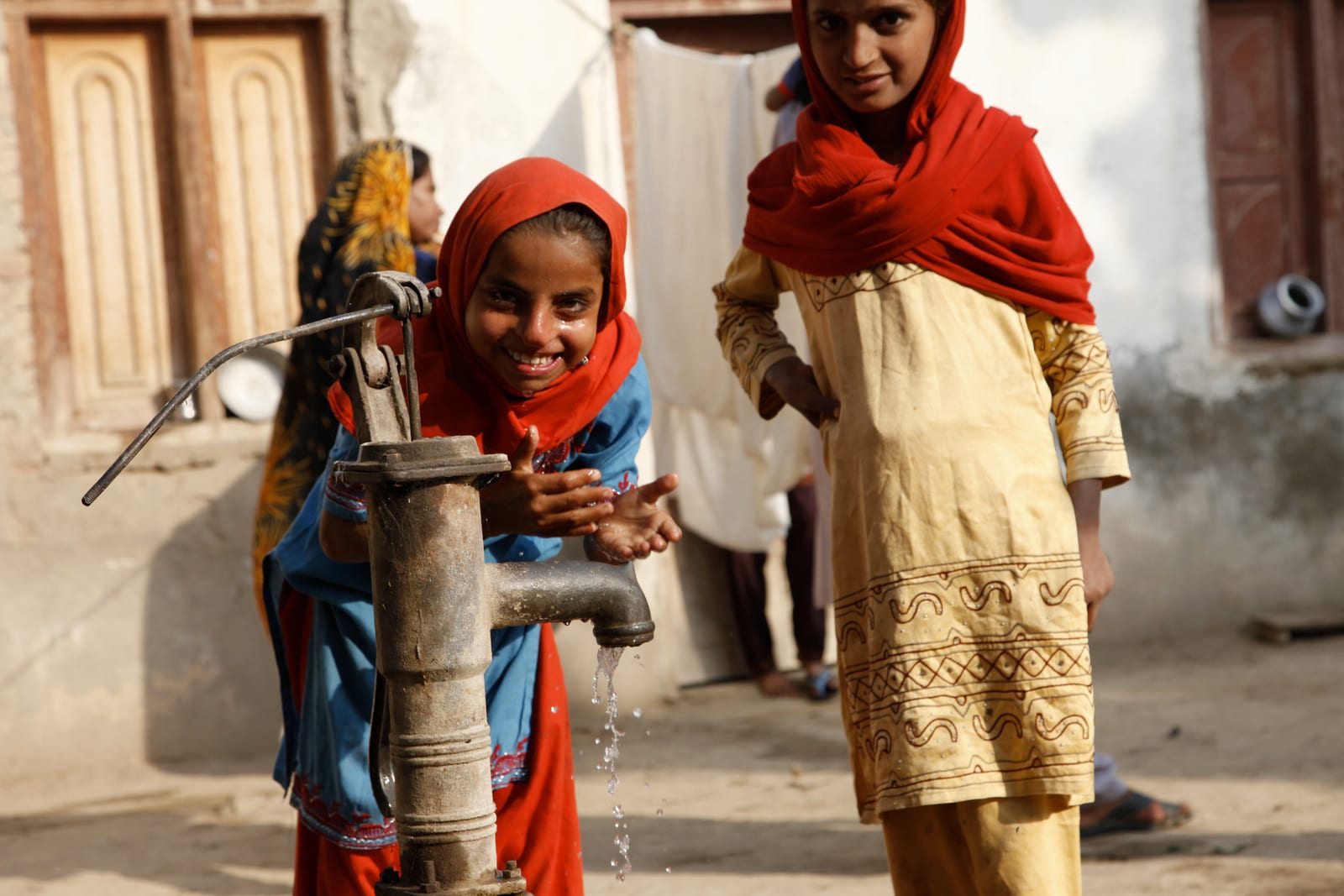
The World Bank Group’s Board of Executive Directors approved $300 million on Friday to expand safe water supply, sanitation and hygiene services in rural Sindh, the first phase of a four-phase, ten-year programme that the bank says will reach 1.5 million people in selected parts of the province.
The Express Tribune reported the decision, taken on 13 November, and named the operation: the Sindh Transformational Accelerated Rural Water Supply, Sanitation and Hygiene Services Phase 1 Project, known as STAR WASH-1. The bank’s own project record for the operation carries a board approval date of 13 November 2026, a total World Bank commitment of $300 million and a closing date of 31 December 2030, and names the Sindh People’s Housing for Flood Affectees as the implementing agency. The Bank’s announcement sets the first phase at $540 million, of which $300 million is World Bank financing, $150 million is Asian Development Bank money committed under a newly agreed Full Mutual Reliance Framework and $90 million equivalent is counterpart funding from the Sindh government.
What STAR WASH-1 buys
The infrastructure on offer is closer to a provincial utility programme than a collection of wells. The bank’s description, published in the board document that accompanied the operation in October, is of multi-village and single-village safe water systems with chlorination and solarised pumping, climate-smart sanitation built on simplified sewers, anaerobic baffled reactors and faecal sludge management, and limited drainage works to protect those assets from floods. The Express Tribune reported that the project will finance climate-resilient infrastructure including solar-powered water supply systems and improved sanitation systems, alongside an integrated social and behaviour change programme on hygiene, and that it is expected to generate more than 14,000 jobs.
Two targets matter more than the rest. The first is to halve water contamination at the point of use, which is the number that speaks to the children the programme is meant to protect. The second is to connect 80 per cent of the targeted rural communities to a professional water and sanitation service provider — which requires a regulated tariff, a trained operator and a maintenance budget before it can mean anything. Bol News reported on the 80 per cent coverage target and described the work as installing solar-powered water supply systems and modern drainage and sanitation infrastructure across the province.
The stunting argument
The World Bank’s case for the money is a health case, and it is presented in the language of nutrition. “Stunting is among Pakistan’s most severe and persistent human capital challenges, and unsafe water, sanitation and hygiene is a major underlying driver,” Bolormaa Amgaabazar, the bank’s country director for Pakistan, said in the announcement, adding that expanding access to these services for 1.5 million people in rural Sindh would “help address one of the root causes of child stunting”. The bank put the underlying scale plainly: more than half of children under five in rural Sindh are stunted, and unsafe water and poor sanitation cause repeated bouts of diarrhoea in young children, which limits nutrient absorption and holds back physical and cognitive development.
The wider nutrition picture is worse than the bank’s figures alone suggest. KhabarWire reported in October that Pakistan’s score in the 2026 Global Hunger Index worsened to 25.5, leaving the country 106th of 122, as food inflation and climate shocks deepened food insecurity. Water and sanitation are one lever on that score, not the whole of it.
The programme’s design also implies that stunting is not fixed by pipes alone: the October document runs the behaviour change work “across WASH, health, nutrition, and social protection services” and concentrates it on the first 1,000 days of life, which makes the claim a coordination claim as much as a construction claim. Bekele Debele Negewo, the bank’s lead water resources management specialist, put the reasoning in investment terms: “Investing in safe water, sanitation, and hygiene is more than building infrastructure – it is investing in human capital.”
Who pays, and what has to happen next
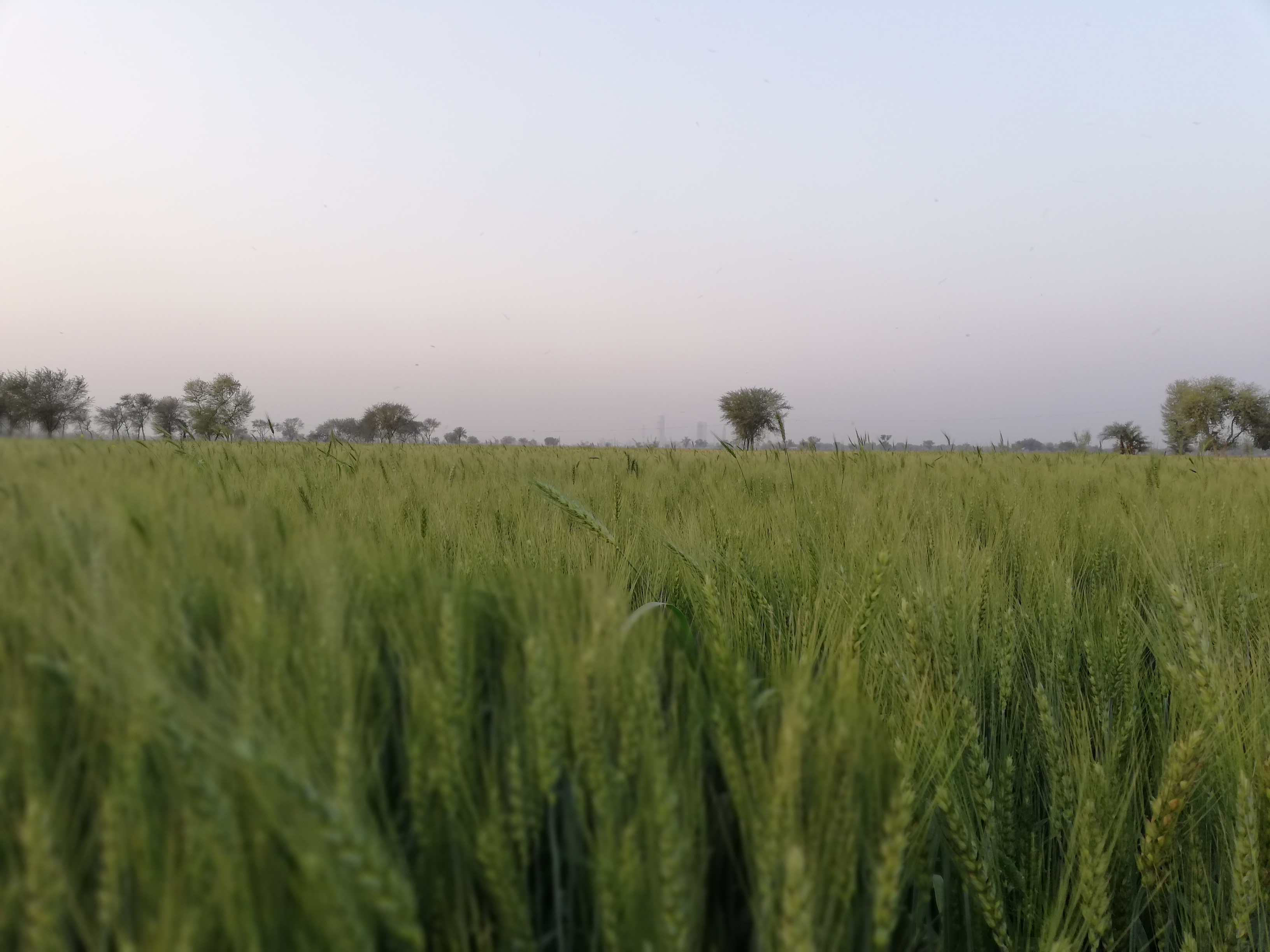
The money is shared, and the share that matters most is Sindh’s own. Of the $540 million first phase, the World Bank provides $300 million, the Asian Development Bank $150 million and the Sindh government $90 million in counterpart funding. That last line is the one to watch: a counterpart contribution is money the provincial government still has to find. Sindh is working through the consequences of the 2022 floods — its housing agency records that the disaster damaged 2 million homes — and this month the destruction of crops in districts such as Tharparkar, which Sindh declared a calamity-hit district on 7 November after drought destroyed most of the harvest.
The harder institutional task is to turn the implementing agency into a utility. SPHF was established by the Sindh government after the 2022 floods to rebuild damaged housing, and its own account of its mandate is one of construction and shelter. The bank’s design has it formalised as a professional rural WASH utility, setting a user charge policy tied to service standards, creating a dedicated operations and maintenance fund with escrow-based payment assurance, and drawing up a climate-resilient rural WASH investment plan. Each of those requires a provincial decision and an institution that can enforce it, and none of them is a construction task.
The final constraint is the one attached to every multilateral loan: approval is not delivery. The bank’s own description of the programme ties the money to results, through independent verification of performance-based conditions, a provincial water and wastewater quality surveillance system and a customer grievance mechanism that has to work. With the operation scheduled to close on 31 December 2030, the distance between a board decision in November and a working tap in a Sindhi village remains the length of a decade.
The decision is part of a larger relationship: Bol News reported that 47 World Bank-supported projects are under way in Pakistan, with a combined portfolio worth roughly $16.1 billion. Separately, KhabarWire has reported that Pakistan plans to draw in full the $1.7 billion World Bank fiscal-reform package. A water programme for rural Sindh sits inside that portfolio and, on the numbers the bank has published, carries the clearest test: whether more than half of Sindh’s under-fives get shorter.