Reporting snapshot · 30 September 2026. This is a synthesis of published reporting, not eyewitness coverage. The US-led coalition's remaining troops were completing their withdrawal from Iraq on the deadline Baghdad and Washington agreed. The reports cited differ slightly on the number of personnel involved and on how the exit will be commemorated; Iraq has not published a detailed post-coalition security plan, and the question of armed factions' weapons is unresolved.
What happened
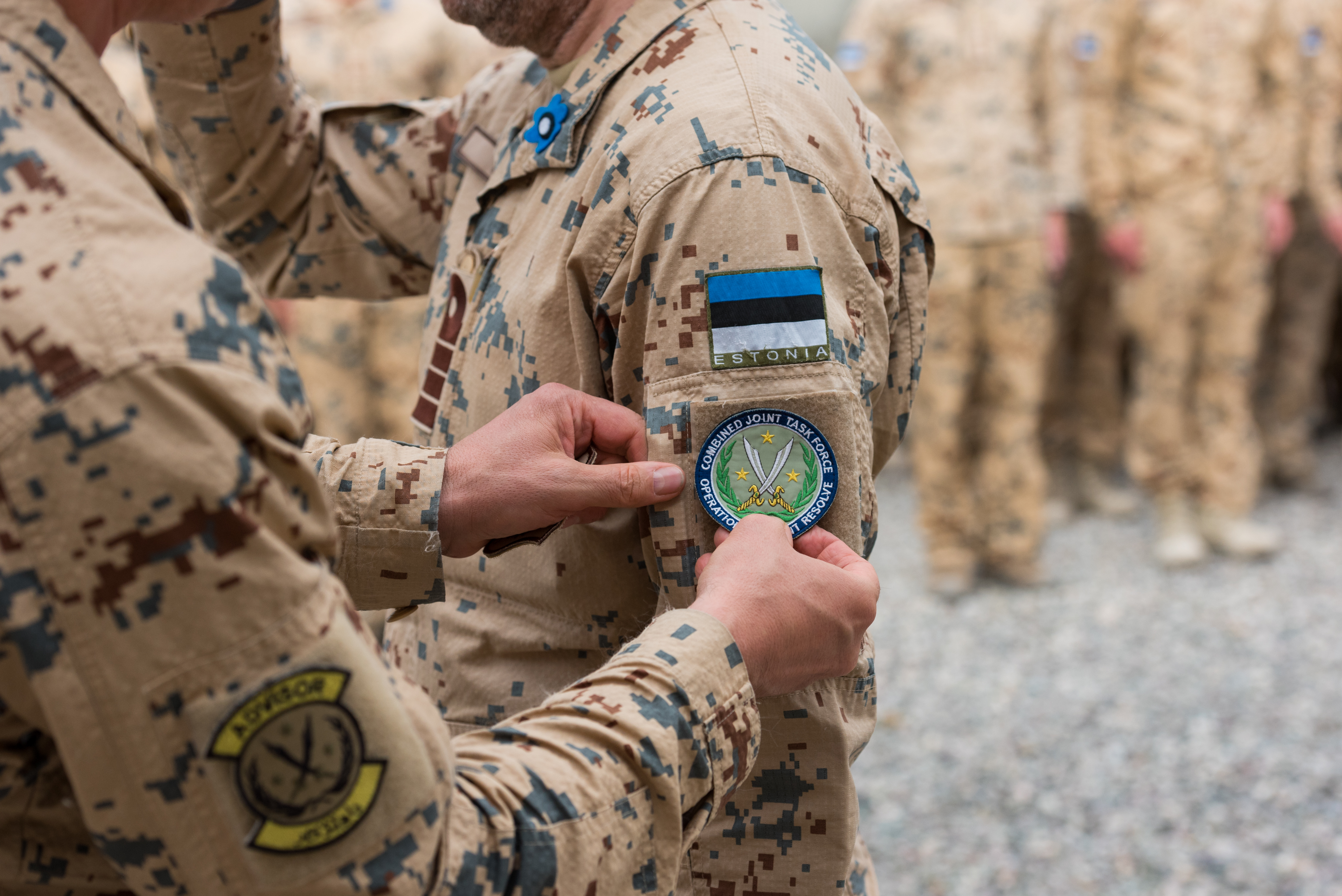
On Wednesday 30 September 2026, the US-led coalition ended its mission in Iraq, completing the withdrawal of its remaining troops more than a decade after it deployed to fight the Islamic State group. The last personnel were leaving the semi-autonomous Kurdistan region in the north, where the coalition had consolidated its presence as the pullout advanced under an agreement Baghdad and Washington reached in 2024.
Iraq’s prime minister, Ali al-Zaidi, said the day after the deadline, 1 October, should be commemorated as a national holiday, and Iraqi state institutions framed the exit as the restoration of full sovereignty. The coalition, formally Combined Joint Task Force – Operation Inherent Resolve, was assembled in 2014, when ISIL seized large swaths of Iraq and Syria. Backed by coalition air power, intelligence and advisers, Iraqi forces retook the territory by 2017 in Iraq and by 2019 in Syria, but coalition personnel stayed on to train local forces and to pursue the group’s remnants.
A 23-year military presence closes
The exit ends a US military presence that began with the 2003 invasion that toppled Saddam Hussein and then unravelled into occupation, insurgency and sectarian war. US forces withdrew at the end of 2011, only to return less than three years later as ISIL overran a third of the country.
The human cost was heavy and lopsided: France 24, citing the war’s toll, reported that about 4,500 American service members died across more than 20 years, and that 7 of the 18 US personnel listed as killed in this year’s US–Iran conflict died in Iraq. The pullout also echoes the abrupt US withdrawal from Afghanistan in 2021, which left a similar debate about whether local forces could hold ground without Western support.
Iran and its allies have cast the departure as a victory. Al Jazeera reported that Tehran describes the exit as a triumph for its “axis of resistance”, the network of allied armed groups it backs across the region, even as the US retains a large diplomatic presence in Baghdad and a consulate in Erbil.
The disarmament gamble
The withdrawal predates al-Zaidi but fits his project of reasserting state authority. He has said his government is working to ensure that weapons and tools of power remain in the hands of constitutional institutions, and he initially set 30 September 2026 as the deadline for armed factions to hand over their weapons before pushing it back to June 2027.
That timeline is the crux of the story. Powerful militias have long cited the presence of US and other foreign troops as a justification for keeping their arsenals and their own chains of command, and several have signalled they will not disarm. Al Jazeera quoted the former US ambassador to Iraq, Douglas Silliman, as saying the prime minister is trying to build a political case that factions “no longer have a political reason to have those weapons”.
The analyst Renad Mansour, of Chatham House, cautioned that Iran-aligned groups remain “in full-on war mode” and could keep targeting US interests, while Mohammad Salih, an Iraq expert, said the official confidence masks private worry that Iraq could become “the next theatre of some major regional development”. Al-Zaidi has said the US and Iran-aligned militias gave assurances they would avoid attacks for 90 days after the withdrawal — a breathing space that may not outlast the disarmament dispute.
Why it matters beyond Iraq
Kurdish officials have been among the sharpest critics. Masrour Barzani, prime minister of the Kurdistan Regional Government, told the Financial Times that the region was left “vulnerable” and “being attacked” without the US air-defence systems that had intercepted drones and missiles. Al Jazeera reported that US Patriot and C-RAM defences had been removed from Erbil, and that Iraq still lacks a substantial air-defence capability of its own — a gap that matters if ISIL sleeper cells or militias escalate. Iraqi security forces have grown more capable since 2017, but several senior security posts, including defence minister, remain unfilled.
The exit also lands in an energy crisis. The war between the US and Iran has effectively closed the Strait of Hormuz, Iraq’s main export route; Al Jazeera reported that Iraq has been unable to ship about 90 per cent of its oil via the Gulf and has lost some $60 billion in oil revenue since the war began. With Hormuz constrained and global prices elevated, import-dependent economies far from Baghdad — including Pakistan, where fuel prices are set against imported crude — face the same underlying risk, as KhabarWire has reported in its coverage of the stalled talks to reopen the Strait of Hormuz and Pakistan’s daily fuel-price revisions.
What is still uncertain
Neither the Iraqi government nor the Pentagon has set out what security cooperation will look like once the visible military footprint is gone. Analysts expect a shift toward intelligence-sharing, training and technical support, but the scale and durability are unclear. Also unresolved: whether militias will actually disarm by June 2027, whether the 90-day calm holds, whether ISIL can regroup, and how Iraq will defend its airspace without the coalition’s interceptors. Iraq’s government has presented the withdrawal as a beginning, not an end.
Sources & reporting notes
This is a synthesis of published material, not eyewitness reporting. Sources were reviewed on 30 September 2026.
- Geo News (AFP) — "US-led coalition ends mission in Iraq"30 September 2026 · Day-of wire account of the final withdrawal from Kurdistan and the Sovereignty Day declaration.
- Al Jazeera — "Iraq begins high-stakes security balancing act as US troops withdraw"29 September 2026 · Militia-disarmament timeline, expert assessments, Kurdish security concerns and the Erbil air-defence withdrawal.
- France 24 (with Reuters) — "US forces leave Iraq, raising fears of Iran-backed militias amid power vacuum"30 September 2026 · Withdrawal timeline, casualty figures and ISIL-regrouping risk.
- Al Jazeera — "Iraq looks for oil export alternatives to the troubled Strait of Hormuz"28 September 2026 · Energy and fiscal context for the oil-export disruption.

.jpg)