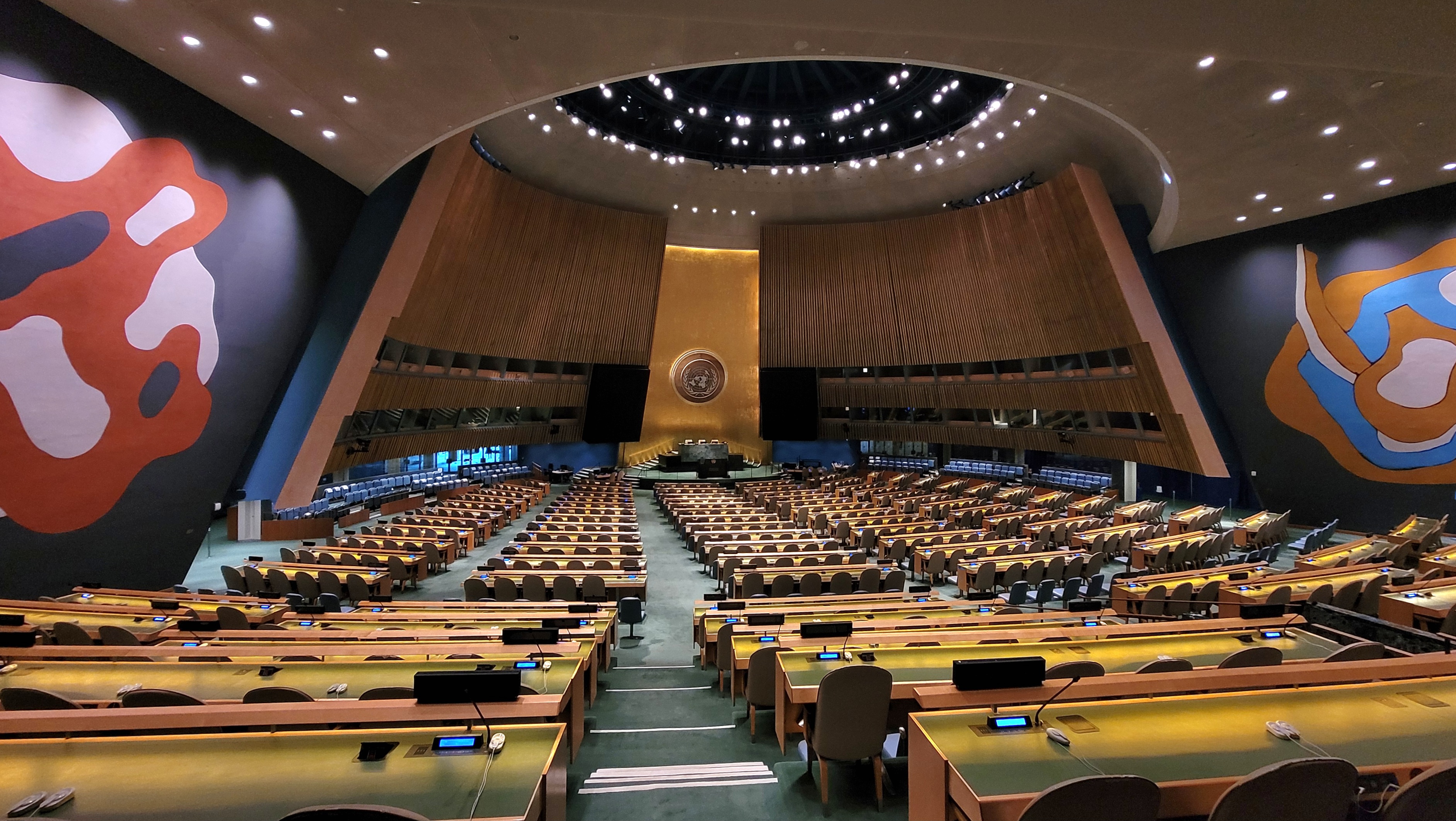
Reporting snapshot · 26–27 September 2026. Saudi Arabia's foreign minister delivered the Kingdom's general debate address at the 81st session of the UN General Assembly in New York on Saturday 26 September (27 September in Pakistan), a day after the UN Security Council condemned Houthi attacks on Saudi Arabia. The speech is a statement of position; it does not by itself change the status of any waterway or ongoing negotiation.
What happened
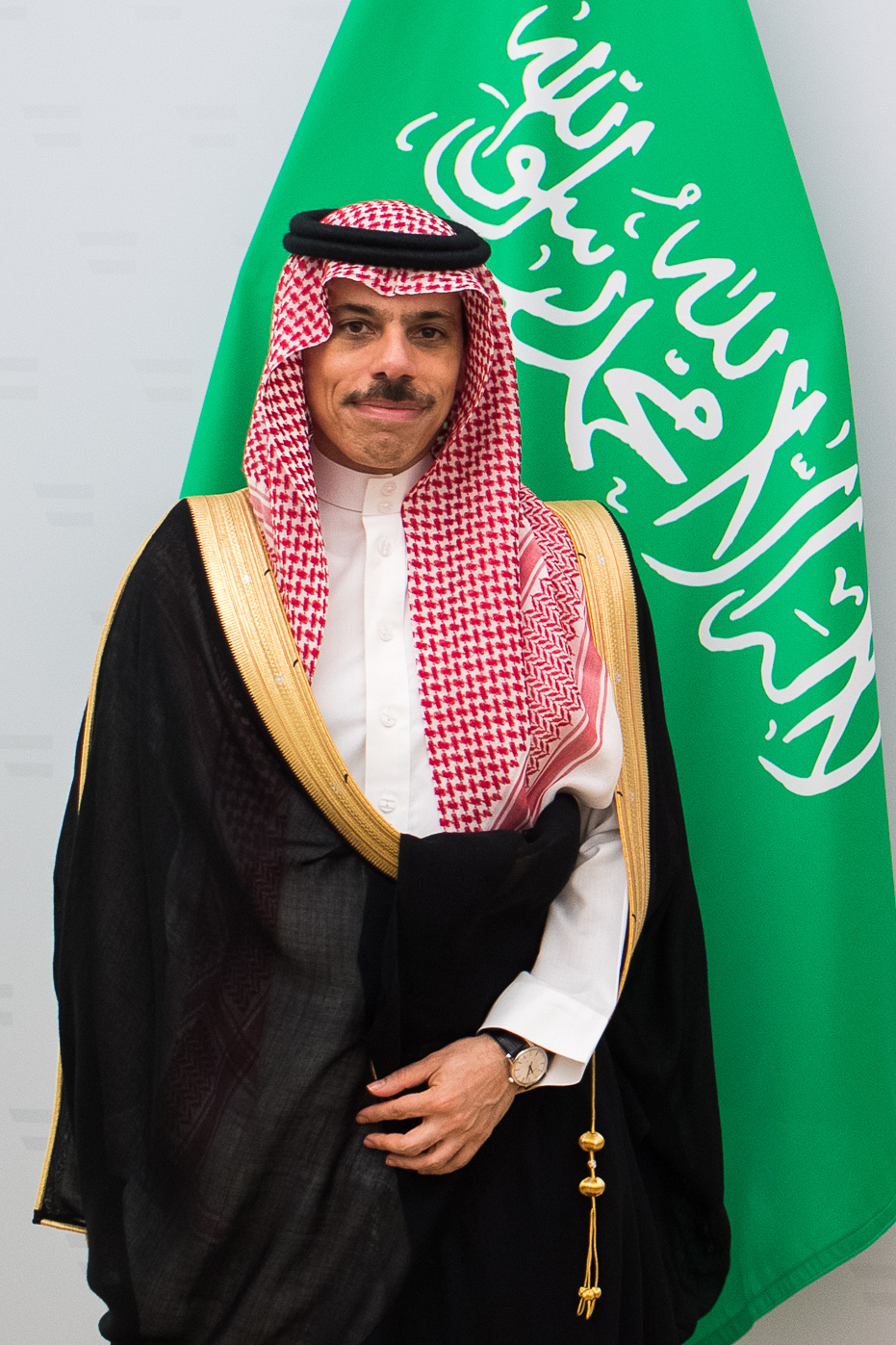
Saudi Foreign Minister Prince Faisal bin Farhan Al Saud used the general debate of the UN General Assembly’s 81st session to argue that the security of the Gulf region “is part and parcel of the security of the region and the world at large,” and that its stability is directly connected to global energy security, international trade and supply chains.
He told delegates that Saudi Arabia and other countries in the region had been subjected to “flagrant Iranian attacks” targeting security resources as well as civilian and economic facilities. He reaffirmed the Kingdom’s right to protect its security and sovereignty, citizens, residents and national resources, and called on the international community to confront threats to international peace and security.
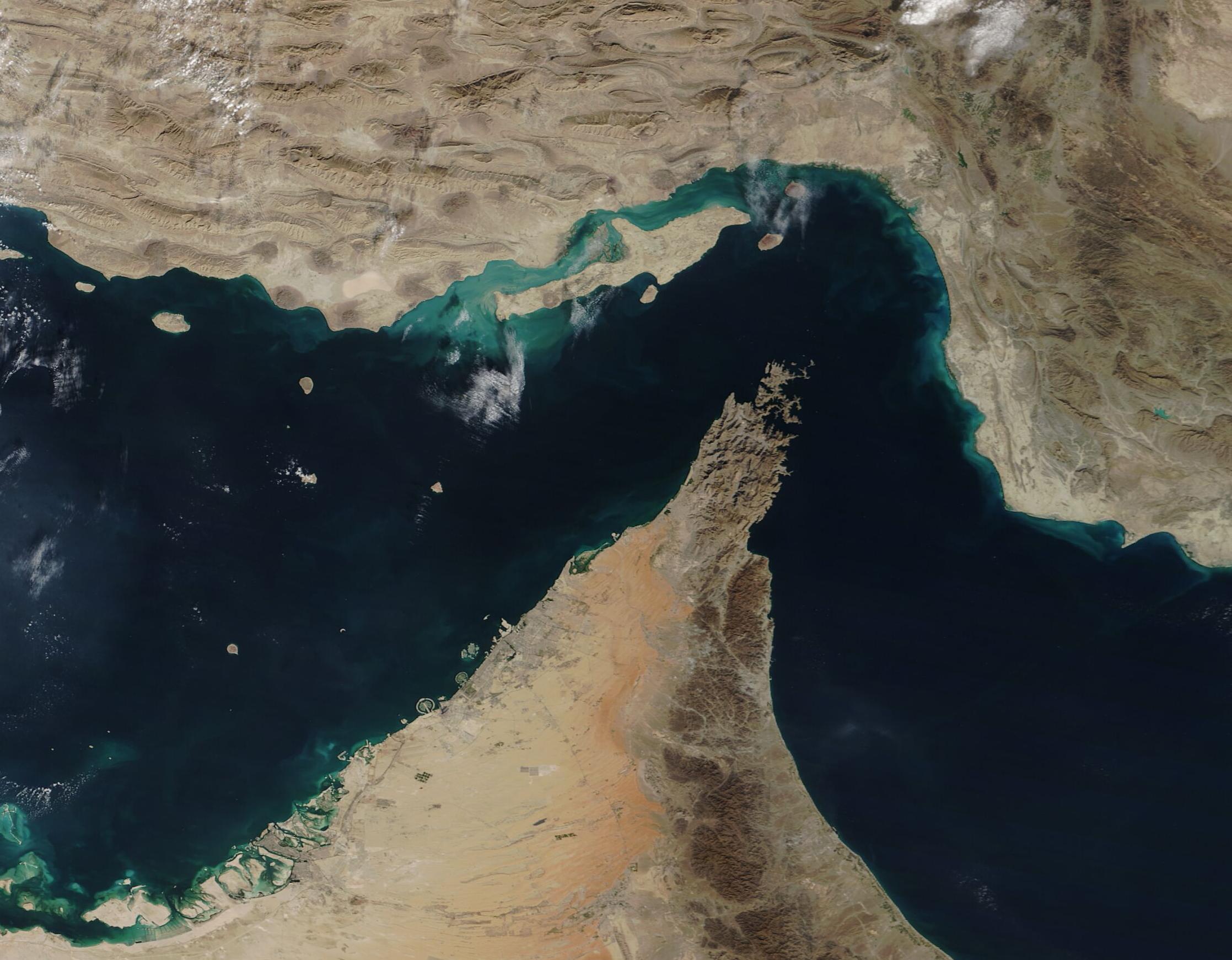
The minister called for freedom of navigation in all international waterways — naming the Strait of Hormuz, the Bab el-Mandeb Strait, the Red Sea and the Gulf of Aden — and rejected their use by any party “as an instrument of pressure, threat or harm to the interests of states.” He also demanded that conditions in the Strait of Hormuz return to what they were before 28 February, “without the imposition of any fees or restrictions.”
Why it matters
The address comes against the backdrop of a conflict that began on 28 February, when the United States and Israel launched a large military strike on Iran. Tehran subsequently disrupted shipping through the Strait of Hormuz, and Yemen’s Houthi militia — Iran’s ally — has done the same in the Bab el-Mandeb Strait. Both are vital routes for oil and gas exports, and the disruption has significantly affected Saudi oil exports to global markets.
Prince Faisal said the world and the multilateral system are “facing rapidly evolving and unprecedented challenges,” but argued that crises are surfacing not from a lack of resources but from “a lack of commitment to the principles agreed upon by the international community.” He stressed that the international community “has been absent from assuming its responsibilities in confronting all that threatens international peace and security,” as the Gulf News account of the speech put it.
He linked Gulf stability directly to global energy security and trade resilience, and argued that protecting international navigation “is a shared responsibility that requires serious international cooperation to prevent risks that could affect the global economy.” Saudi Arabia, he said, maintained the continuity of supplies during the conflict through long-term investment in infrastructure, highlighting the East-West Pipeline and its own petroleum reserves.
The speech carried a direct Pakistan angle. Prince Faisal voiced support for efforts and initiatives aimed at de-escalation in the region, “particularly those led by Qatar and Pakistan,” saying these could help restore stability and create conditions conducive to dialogue and diplomacy. He also stressed that any arrangements on regional security must be “comprehensive, effective and sustainable” and “clearly address the root causes of threats and instability.” Pakistan has been active in Gulf diplomacy in recent weeks, including through the visit of its military chiefs to Riyadh under the Mecca pact.
On the Houthis, the minister welcomed the UN Security Council’s condemnation on Friday of missile and drone attacks against Saudi Arabia, and called on the international community to reject and condemn what he described as Houthi “aggressions and criminal acts” threatening navigation in the Red Sea and Bab el-Mandeb.
He also called for the entire region to be free of weapons of mass destruction, with peaceful nuclear programmes subject to international oversight and safeguards. On Palestine, he condemned the targeting of civilians, the obstruction of humanitarian assistance, attempted forced displacement and the expansion of settlements, and said a just and lasting peace could only come through a two-state solution with an independent Palestinian state on the 1967 borders and East Jerusalem as its capital. On Yemen, he called for a comprehensive political solution and noted that Saudi Arabia had provided more than $29 billion in humanitarian and development assistance.
What is still uncertain
The address is a statement of position rather than a change in policy, and several questions remain open. The most immediate is whether Iran and the Houthis will alter their behaviour in the waterway in response to renewed international pressure. Saudi Arabia has rejected Iranian proposals to impose fees or transit conditions on civilian vessels using Hormuz, but negotiations over the strait’s status are fluid. The speech came shortly after US President Donald Trump was reported to have rejected an Iranian proposal for a deal to reopen Hormuz, and it remains unclear whether new talks will follow.
It is also uncertain how the international community will respond to the minister’s call to act. The Security Council’s condemnation of Houthi attacks is a diplomatic signal, not an enforcement measure, and the General Assembly address does not itself create new obligations. Whether further UN action, additional Gulf states’ statements, or renewed mediation efforts by Qatar and Pakistan follow will determine whether the address translates into concrete de-escalation.
Finally, the accuracy of some claims in the speech rests on official Saudi accounts. The figure of more than $29 billion in assistance to Yemen, for example, is the Kingdom’s own figure, and the extent of Iranian and Houthi attacks is drawn from official Saudi statements and reporting rather than independent verification on the ground.
Sources & reporting notes
This is a synthesis of published material, not eyewitness reporting. Sources were reviewed on 28 September 2026.
- UN News — Saudi Arabia warns Gulf security inseparable from global stability amid regional tensions26 September 2026 · Official UN record of Prince Faisal bin Farhan's address, including his calls on freedom of navigation, the pre-28 February status of Hormuz, and his backing for Qatari and Pakistani de-escalation efforts.
- Arab News — World facing 'unprecedented challenges,' Saudi FM warns in UN address26 September 2026 · Independent report with detailed quotations from the address, including the rejection of Iranian toll proposals and support for Qatar and Pakistan.
- Anadolu Agency — Saudi Arabia calls for international cooperation to protect navigation, reduce regional tensions26 September 2026 · Independent wire report on the address and Riyadh's support for Qatari and Pakistani de-escalation initiatives.
- Gulf News (AFP) — At UN, Saudi FM warns world failing to protect Gulf shipping26 September 2026 · Independent wire account of the minister's remarks on Hormuz and the need to restore pre-28 February conditions, and the timing relative to the reported US rejection of an Iranian plan.
.jpg)