Reporting snapshot · 6 October 2026 (Asia/Karachi). Pakistan's Foreign Ministry announced late on 5 October that the emergency committee of the Makkah Alliance for Defence had decided to implement the pact's collective-defence commitments and rapidly deploy agreed forces and capabilities in Saudi Arabia. The joint statement gives no numbers, timeline or basing details, so this account sets out what was decided, what remains unstated, and what it means for Pakistan.
What the committee decided
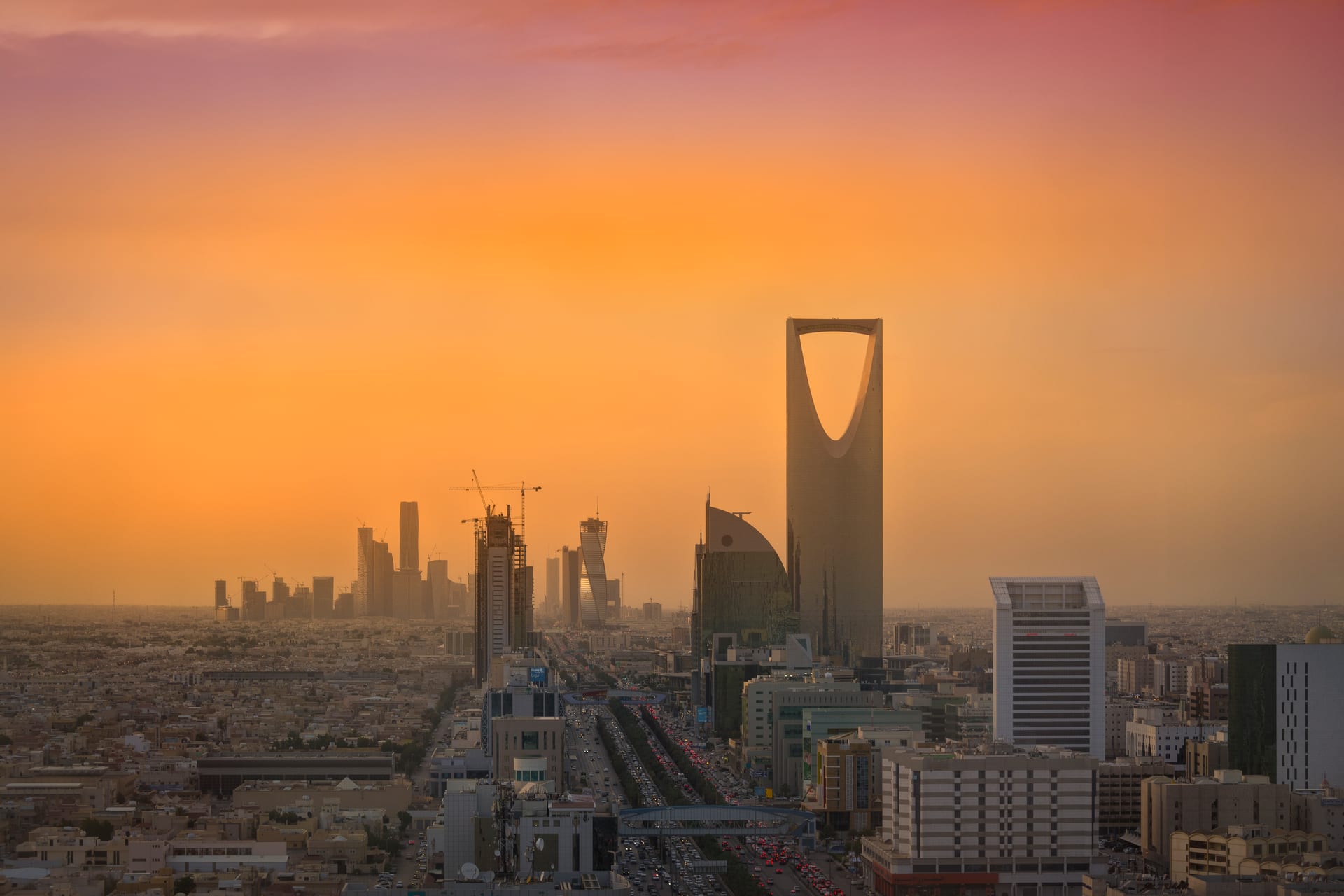
The Strategic-Political and Defence Committee of the Makkah Alliance for Defence, meeting in Riyadh on 5 October 2026, decided to “move immediately to the practical implementation of the collective defense commitments” and to take the measures needed to provide “the agreed military forces and capabilities” and “ensure their rapid deployment in the Kingdom”, according to the official joint statement carried by the Saudi Press Agency and Türkiye’s Ministry of Foreign Affairs.
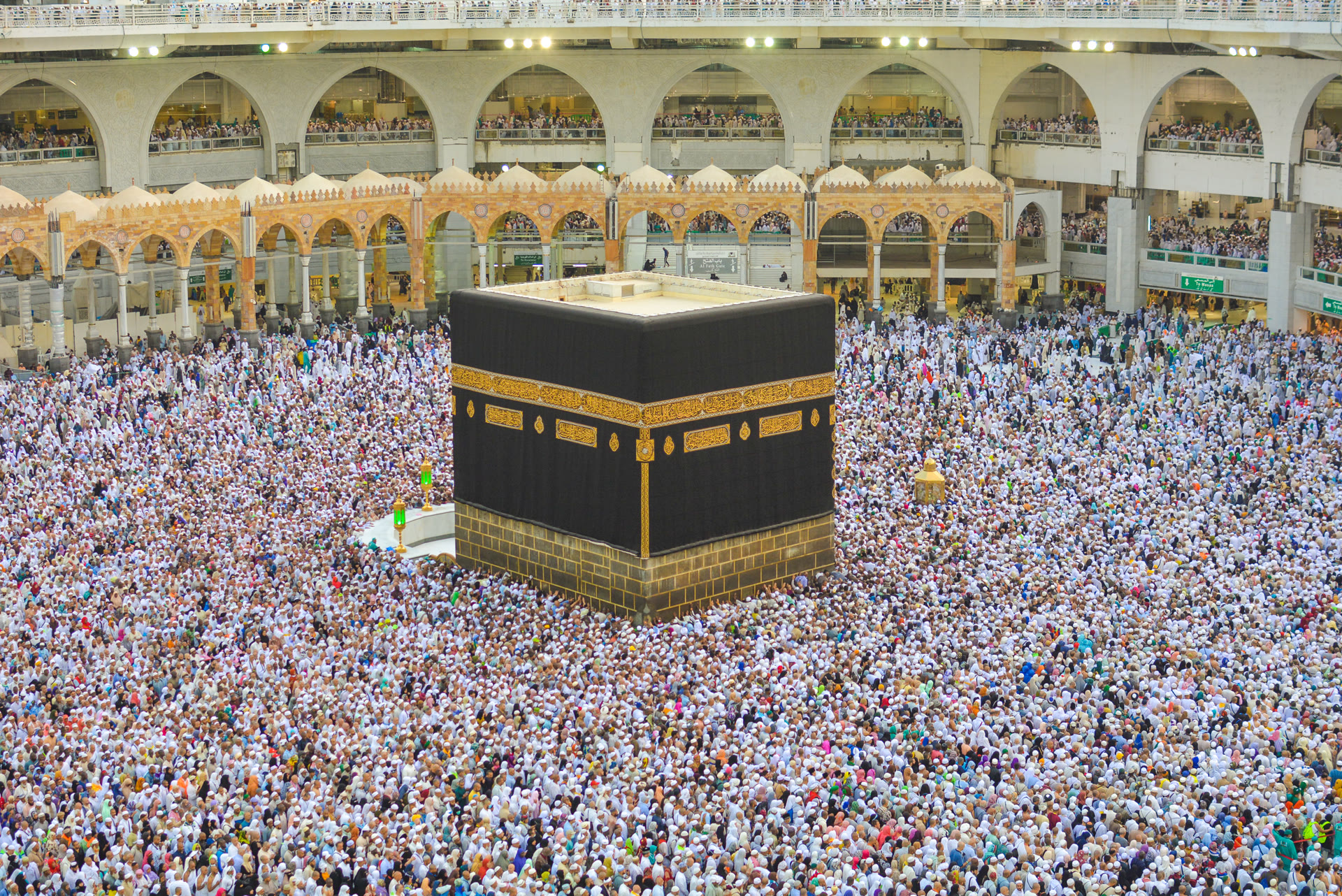
The statement said the measures would be taken “in accordance with the approved arrangements and the national legislation of the Parties”, and would enhance “readiness, military integration, and the collective capacity to confront and counter threats”. The committee also appointed retired Lieutenant General Nauman Mahmood of Pakistan as the alliance’s first secretary-general for a three-year term. It condemned the “attempted targeting of Makkah and Madinah” and continuing attacks on Saudi cities and civilian and economic facilities, while Pakistan and Türkiye commended the readiness and professionalism of the Saudi armed forces.
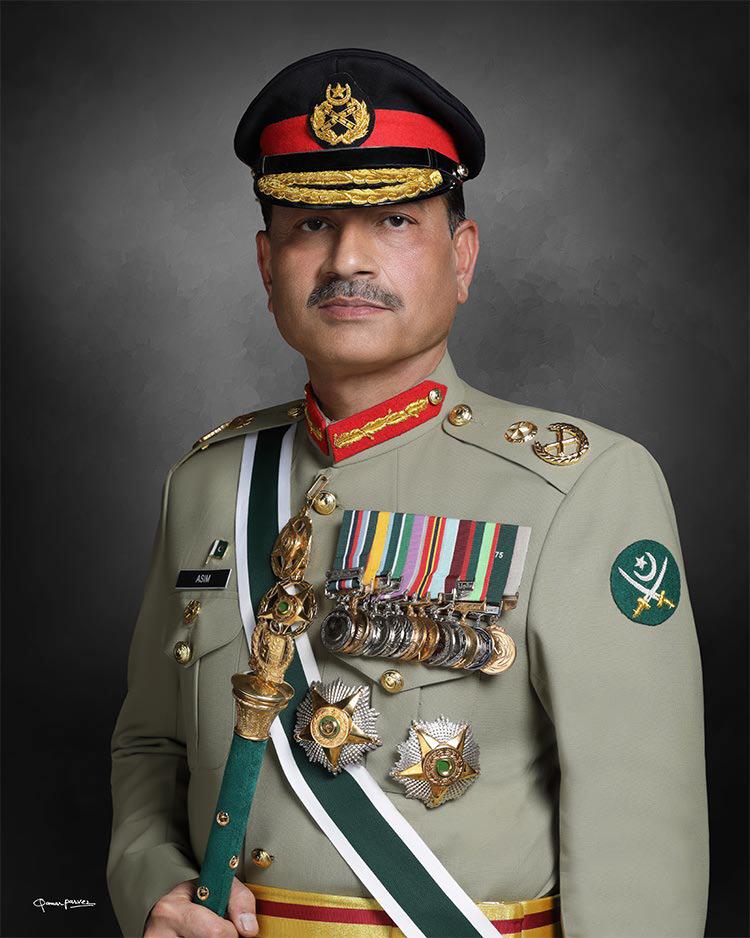
Pakistan’s delegation was led by Deputy Prime Minister and Foreign Minister Ishaq Dar, Defence Minister Khawaja Asif and the Chief of Defence Forces and Chief of Army Staff, Field Marshal Asim Munir, The Express Tribune reported. The session follows the alliance’s inaugural committee meeting in Istanbul on 31 August and the 7 August signing in Makkah by Pakistan, Saudi Arabia and Türkiye of a pact that treats an armed attack on one member as an attack on all three. Saudi Defence Minister Khalid bin Salman said the emergency meeting affirmed “the solidarity and unified stance of our countries in confronting the sinful aggressions that targeted the Kingdom and the Holy Sanctuaries”, according to The News International.
What “rapid deployment” could mean
This is the first time the three states have said they will act on the pact’s collective-defence clause rather than merely build its institutions. But the statement stops short of naming units, numbers, timelines or facilities. Pakistan already has a substantial presence in Saudi Arabia: under an arrangement reached in 2025, Reuters reported that roughly 8,000 troops, a squadron of JF-17 fighter jets, drones and an HQ-9 air-defence system were deployed to the kingdom in May, The Express Tribune noted. Whether the new decision adds to that footprint, rotates it, or simply formalises it under the alliance umbrella has not been disclosed.
The phrase “national legislation of the Parties” is also significant. It appears to preserve each government’s domestic legal constraints on the use of force and on deployments, a hedge that keeps the commitment short of an automatic trigger. Officials have not said whether the alliance will publish an operational annex, establish a joint command or begin visible joint exercises.
Dar had already named Mahmood, a former commander of the Army’s Strategic Plans Division, as secretary-general designate on 2 October, as KhabarWire reported; the Riyadh statement made the appointment formal.
Why the decision lands now
The emergency session was convened in response to a sustained Houthi campaign against Saudi Arabia. The Houthis have fired missiles and drones at Saudi cities and energy infrastructure and declared a naval blockade of Saudi shipping; a fire broke out at an Aramco facility south of Riyadh on 3 October and a power station in Madinah was hit on 29 September. In the same week, Yemen’s internationally recognised government launched the “Dawn of Yemen” operation against the Houthis, retaking the Red Sea port of Mokha and the Bab el-Mandeb strait with Saudi-led coalition air support, KhabarWire reported. The alliance decision and the Yemeni offensive are the two most visible fronts in the same escalation.
For Pakistan, the stakes are both strategic and economic. Roughly two million Pakistanis work in the Gulf and their remittances are a pillar of the current account; Houthi attacks and instability around the Strait of Hormuz keep oil prices and freight costs elevated for an oil-importing economy. Pakistan has framed the pact as defensive and says the defence of Saudi Arabia’s holy sites is a standing commitment. Deeper integration also risks entanglement in a wider conflict that Islamabad is simultaneously trying to mediate between Washington and Tehran — a balancing act that UN Secretary-General António Guterres is due to discuss in Pakistan this week.
What is still uncertain
Almost every operational question remains open. The joint statement does not say how many forces Pakistan, Saudi Arabia or Türkiye will contribute, where they will be based, how quickly they will move, who will command them, or whether the deployment is new. It does not state that the collective-defence clause has been formally invoked, only that the parties will “move immediately” to implement it. Nor is it clear how the decision squares with the roughly 8,000 Pakistani personnel Reuters reported were already in the kingdom, or how it affects Pakistan’s stated effort to stay out of the US-Iran conflict.
The alliance’s own shape is still opaque. The secretariat’s size, budget and legal status have not been published, and the identity of the “more than six” states that Dar said were interested in joining remains undisclosed. The agreement’s text has not been released, leaving unclear whether and how new members accede and what obligations they would assume. KhabarWire’s 5 October preview of the meeting noted that no joint statement had appeared when it was published; this article records the outcome, but the practical meaning of “rapid deployment” will only become clear if and when the three governments publish force figures or begin moving units.
Sources & reporting notes
This is a synthesis of published material, not eyewitness reporting. Sources were reviewed on 6 October 2026 (Asia/Karachi). The factual core of the 5 October 2026 decision — practical implementation of collective-defence commitments, the provision and rapid deployment of agreed forces and capabilities, the appointment of retired Lieutenant General Nauman Mahmood as first secretary-general for three years, and the condemnation of attacks on Makkah, Madinah and Saudi facilities — is taken from the trilateral joint statement published by the Saudi Press Agency and Türkiye's Foreign Ministry. The Pakistani delegation and the Reuters figure of roughly 8,000 Pakistani personnel in Saudi Arabia come from The Express Tribune; Khalid bin Salman's statement is reported by The News International; the Yemeni offensive and the Mokha and Bab el-Mandeb recapture are reported by Geo News/Reuters. No party has published an operational annex or force figures, so the scale and timing of the deployment remain unstated.
- Saudi Press Agency — Emergency Meeting of the Strategic Political and Defense Committee of the Makkah Alliance for DefensePublished 5 October 2026 · The official joint statement: the decision to move immediately to practical implementation of collective-defence commitments, the rapid deployment of agreed forces and capabilities in the Kingdom, the appointment of Nauman Mahmood as first secretary-general for a three-year term, and the condemnation of attacks on Makkah, Madinah and Saudi facilities.
- Republic of Türkiye Ministry of Foreign Affairs — Joint Statement on the Emergency Meeting of the Strategic Political and Defense Committee of the Makkah Alliance for Defense, 5 October 2026Published 5 October 2026 · Independent official English text of the same joint statement, confirming the collective-defence implementation decision, the force-provision and rapid-deployment language, and the secretary-general appointment.
- The Express Tribune — Makkah defence alliance agrees to 'rapid force deployment' in Saudi Arabia: FOPublished 6 October 2026 · The Pakistani delegation (Dar, Khawaja Asif, Asim Munir), the joint statement's details, the pact's 7 August signing and September meetings, and the Reuters figure of roughly 8,000 Pakistani troops, jets, drones and an air-defence system deployed to Saudi Arabia in May.
- The News International — Pakistan, Turkiye, Saudi Arabia activate Makkah pact's defense commitmentsPublished 5 October 2026 · Independent report of the decision, Saudi Defence Minister Khalid bin Salman's statement on the emergency meeting, and the description of the move as the first activation of the defence agreement.
- Geo News / Reuters — Pakistan, Saudi Arabia and Turkiye agree rapid force deployment in Saudi Arabia5 October 2026, 11:25 PM · Wire-service report of the joint statement and the rapid-deployment decision, in Geo News's rolling coverage of the US-Iran conflict and the Yemen and Red Sea theatre.