Reporting snapshot · 10 November 2026 (Asia/Karachi). The White House has announced the nomination, but the Senate has not scheduled a confirmation hearing or vote, and no date for either has been announced. Baker's positions on specific bilateral disputes have not been set out publicly, and the White House list gives only her name, home state and diplomatic rank rather than a full career biography.
What happened
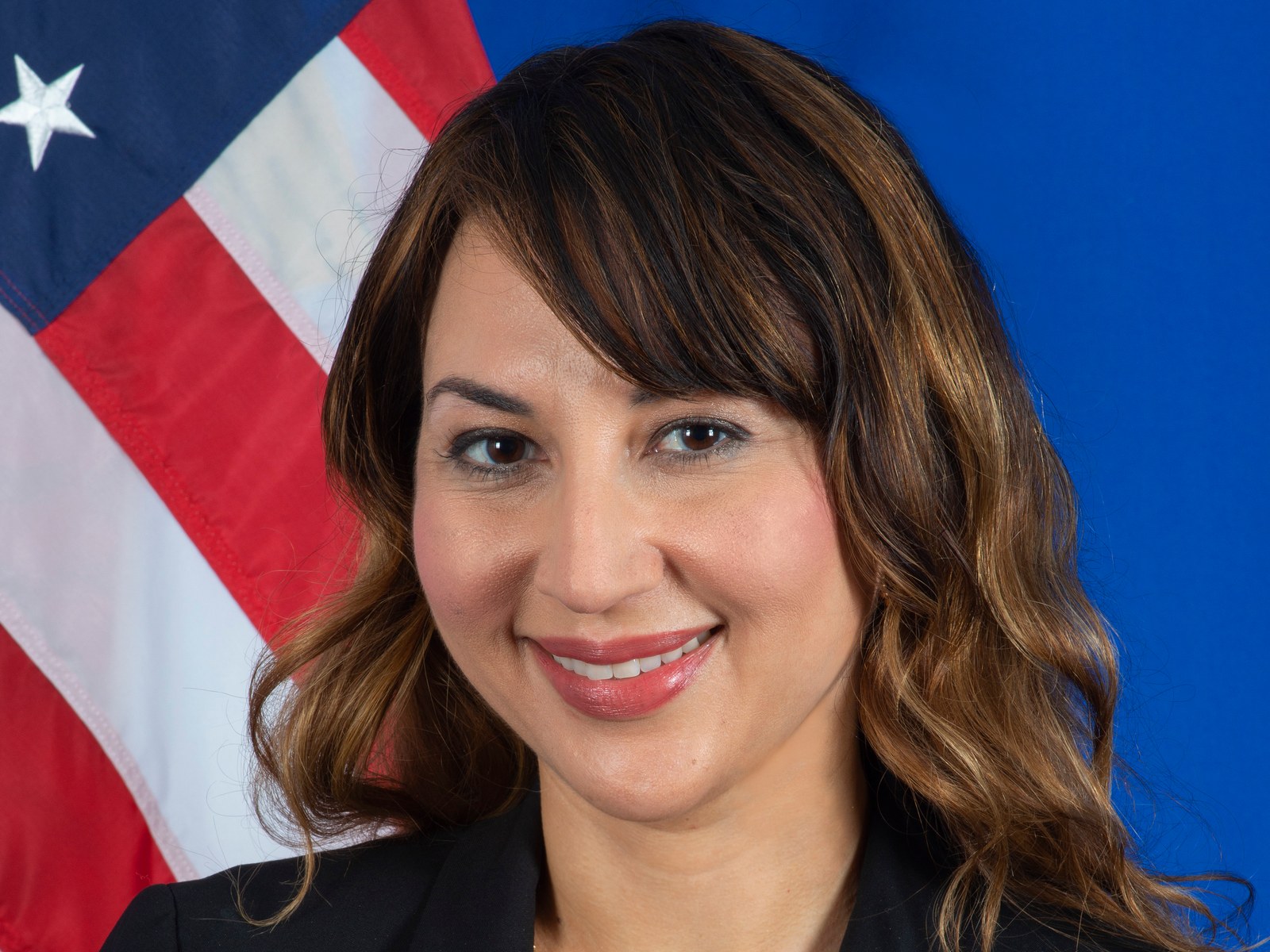
The White House sent the Senate a list of nominations on 9 November that included Natalie A. Baker, of Texas, as ambassador extraordinary and plenipotentiary to Pakistan, according to the official nominations list. The entry describes her as a career member of the Senior Foreign Service, Class of Minister-Counselor. The appointment requires Senate confirmation.
Baker is already the most senior American diplomat in Islamabad. She has led the mission as chargé d’affaires since January 2025, when the previous ambassador, Donald Blome, left, and was given the permanent charge last month, Geo News reported on 10 November. She arrived in Islamabad as deputy chief of mission in August 2024 after holding the same post in Doha.
The Express Tribune reported that if confirmed she would become the first US ambassador to Pakistan since Blome’s departure in early 2025. The nomination was included in a batch of appointments sent to the Senate on Monday; Pakistani outlets reported it on Tuesday.
Who Natalie Baker is
Baker is a career diplomat rather than a political appointee. Before moving to Islamabad, she was deputy chief of mission at the US embassy in Doha from August 2021 to July 2024, and before that director of the Office of North African Affairs in the State Department’s Near Eastern Affairs Bureau.
Her earlier assignments include deputy chief of mission and chargé d’affaires at the US mission to Libya, deputy director of the Iran Regional Presence Office at the US consulate in Dubai, and economic counsellor at the US embassy in Kuwait. From 2009 to 2011 she was a political and economic counsellor in Libya during the normalisation of bilateral relations, remaining until the 2011 revolution forced the embassy to evacuate.
She has served in Pakistan before, as a consular officer in Islamabad, and was cultural affairs officer in Ashgabat, Turkmenistan. Baker holds a bachelor’s degree from Princeton University and a master’s degree in public policy from Harvard’s Kennedy School, and graduated from the National War College in 2017. She speaks Arabic, Spanish, Farsi and Russian, according to Geo News.
Why the post has been empty
Blome left Islamabad in early 2025 after President Donald Trump returned to office. Since then the embassy has been run by a chargé d’affaires rather than a Senate-confirmed ambassador, a gap of nearly two years.
That is not unprecedented in Pakistan. Blome himself took up the post in May 2022 after the Senate approved him in March, becoming the first permanent US envoy to Pakistan since David Hale left in August 2018 — a gap of nearly four years, The Express Tribune reported.
A chargé d’affaires can run an embassy and represent Washington day to day, but an ambassador is the president’s senior representative in the country and carries a confirmed rank that a caretaker charge does not. The distinction is partly procedural and partly political: the nomination puts a name before the Senate, where members can question the nominee and the administration’s policy toward Pakistan.
Why it matters
The nomination arrives at a crowded moment in US-Pakistan relations. Islamabad hosted the first direct talks between the United States and Iran in decades in April, a round that Pakistan helped convene. In May, Foreign Minister Ishaq Dar met Secretary of State Marco Rubio in Washington, where Rubio credited Pakistan’s mediation, as KhabarWire reported. Pakistan has also said it would welcome a US role in facilitating talks with Afghanistan, subject to verifiable action against militant groups.
Those tracks sit alongside disputes and transactions that need steady diplomatic handling, from plans to deport Afghans through Pakistan to a proposed US-backed LNG terminal at Port Qasim. A confirmed ambassador would give both governments a single senior interlocutor rather than a mission run by a caretaker.
The appointment does not by itself change policy. An ambassador carries out decisions made in Washington, and the White House list gives no indication of how Baker would approach Iran, Afghanistan, trade or security cooperation. But filling the post ends a long stretch in which the relationship was managed without a confirmed envoy, and it gives the Senate a formal opportunity to examine that relationship in public.
What is still uncertain
The Senate timetable is the main unknown. The White House list gives no date for a confirmation hearing, and no committee schedule for Baker’s nomination had been announced as of 10 November. A nomination can proceed quickly, stall or fail, and there was no public indication on 10 November of how the Senate would handle this one.
Baker’s own views are also largely unrecorded. Her career record describes a diplomat with experience in the Middle East and South Asia, including an earlier posting in Islamabad, but it does not establish what she would prioritise as ambassador.
Until the Senate acts, Baker remains chargé d’affaires and the embassy continues under the same arrangement as before. That means the practical effects of the nomination will not be visible until a confirmation vote, and possibly not until a new ambassador has been in the job long enough to set a direction.