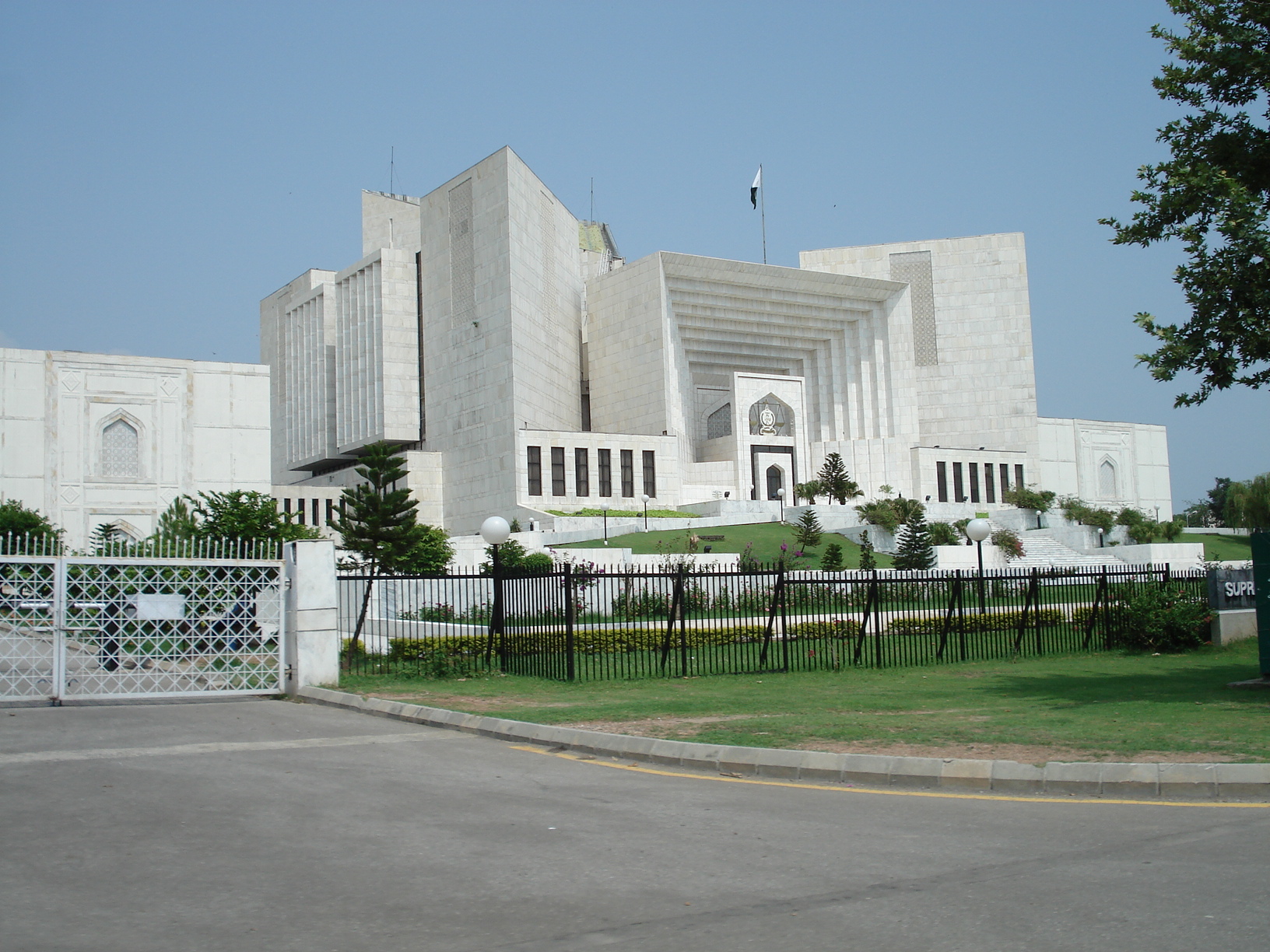
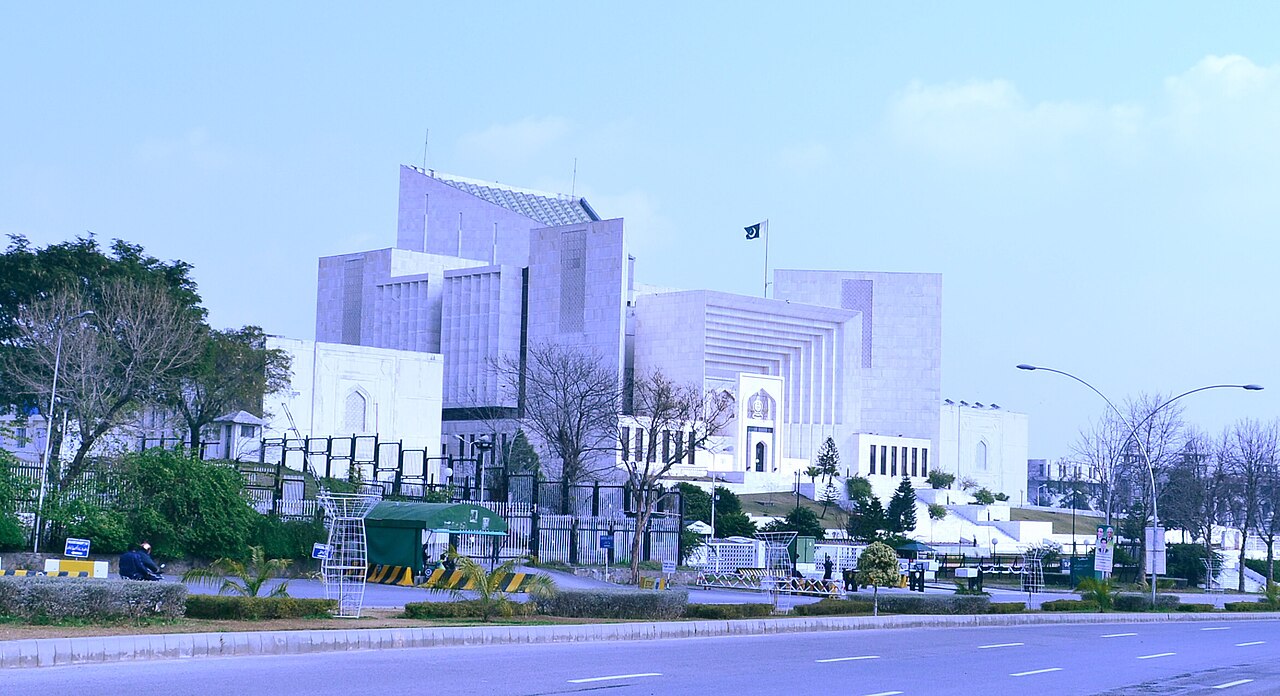
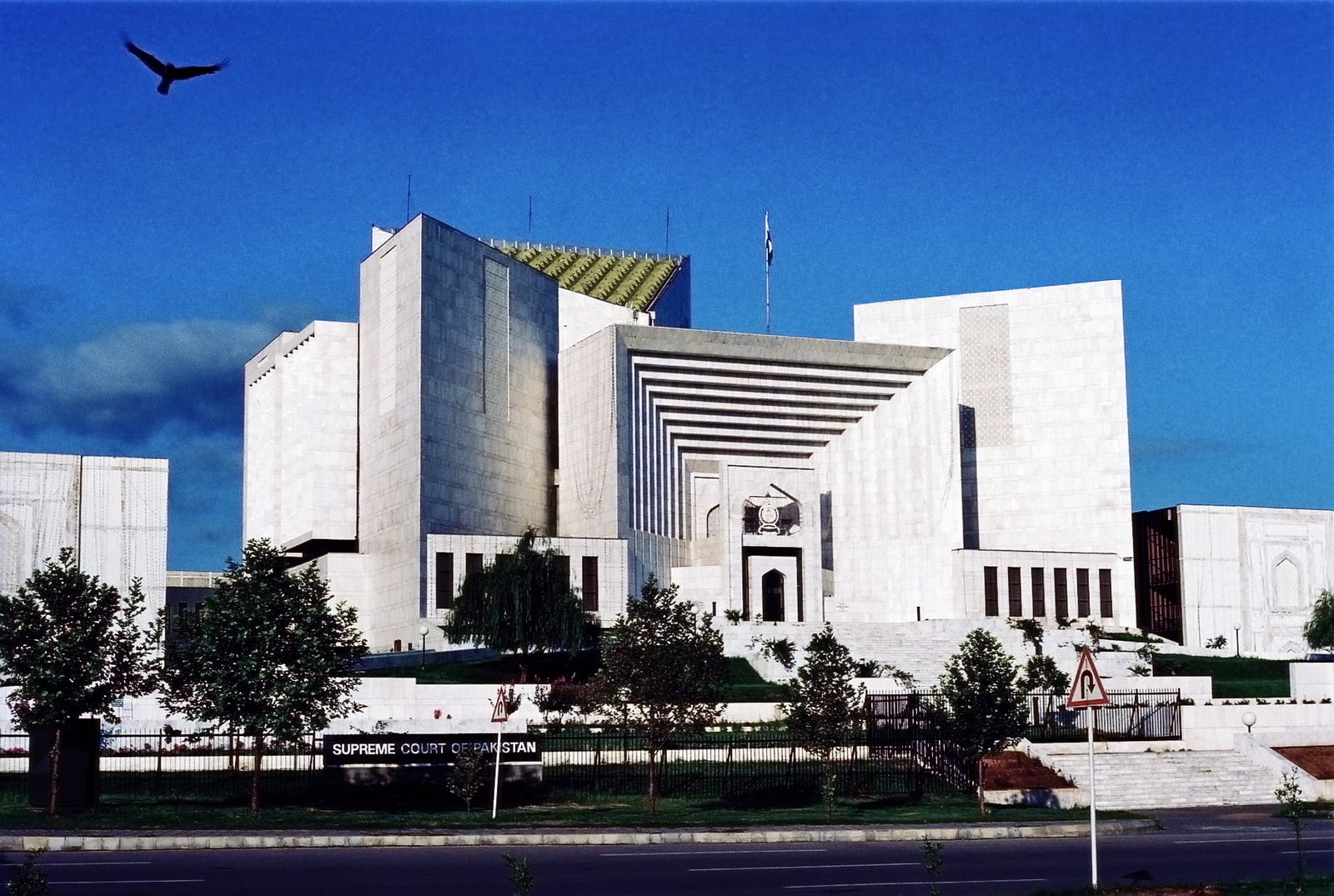
Reporting snapshot · 26 November 2026 (Asia/Karachi). The Supreme Court delivered the judgment on 25 November, so the 30-day period for the costs order has begun. The revenue-record corrections have not yet been made, and no review petition has been reported.
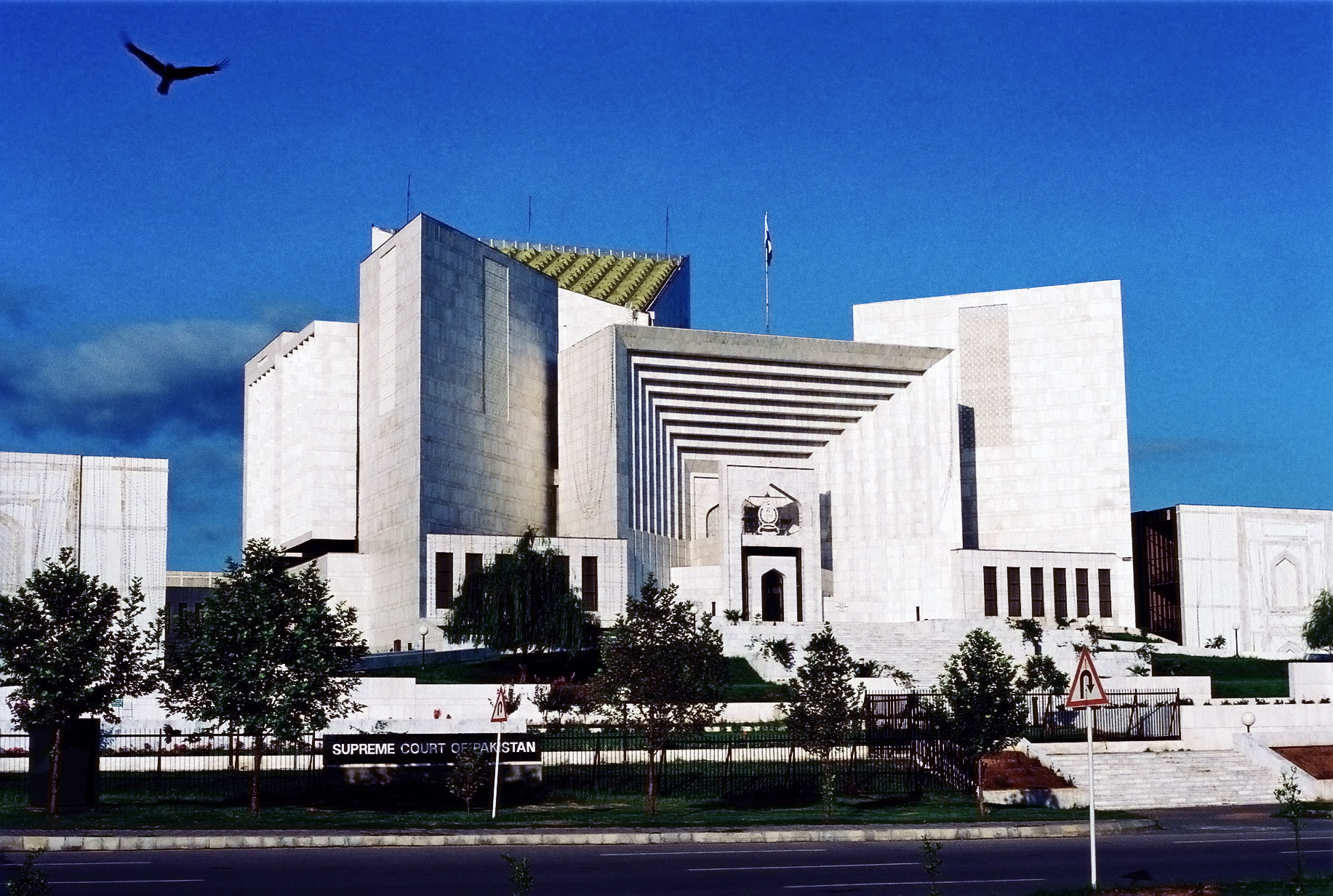
The Supreme Court on 25 November dismissed a former husband’s appeal over a house in Lahore, ruling that a 1994 gift deed was not a valid hiba because the transfer had been made a condition of reconciliation. A two-member bench comprising Justice Shahid Waheed, who wrote the judgment, and Justice Naeem Akhtar Afghan upheld Sabiha Iqbal’s ownership of the six-marla property and ordered Muhammad Iqbal to pay Rs500,000 in costs within 30 days, Dawn reported.
The court declared the gift deed and the mutation that followed it ineffective against her ownership and directed the sub-registrar and revenue officials to correct the records, according to the Associated Press of Pakistan. The judgment closes a dispute that had been in the courts for more than 28 years.
The plot, the marriage and the disputed deed
Sabiha Iqbal bought the six-marla plot in Lahore in her own name in 1983 for Rs42,000, Dawn reported. In 1985 she obtained a loan of Rs81,000 from the House Building Finance Corporation in her name to build a house on it. She said she also sold jewellery and received financial help from relatives to complete the construction.
The couple married in 1976 and had two children. In 1994 a registered gift deed transferred the house to her husband. After the couple separated in August 1998, she said she discovered the transfer and filed a suit, alleging that her signatures and thumb impressions had been obtained on blank stamp papers under the pretext of arranging repayment of the housing loan, according to Dawn’s account of the judgment.
Muhammad Iqbal argued that he had financed the purchase of the plot and the construction of the house. He also told the court that his agreement to reconcile had been conditional on the house being transferred into his name, the official news agency reported.
What the court said a hiba requires
The judgment turned on the legal requirements for a hiba, or gift under Islamic law. The court held that a valid gift requires a declaration by the donor, acceptance by the recipient and delivery of possession. Registering a deed or entering a mutation in the revenue record, it said, does not by itself prove that those requirements were met or confer ownership.
The bench found that Muhammad Iqbal had not established when, where or before whom he accepted the alleged gift. The deed carried his wife’s signature and thumb impression but not his own, the space reserved for witnesses was left blank, and no identifying witness was produced, The News reported. The court also noted that the wife and children had continued to live in the house and that utility bills remained in her name.
Registration and mutation are not substitutes for proof of a valid gift, the court held. A mutation is a revenue record, not a source of title. Even if the wife acknowledged her signature or thumb impression, the burden remained on the husband to prove that the gift was validly made and accepted.
Why the condition of reconciliation mattered
The decisive point was the husband’s own account of the arrangement. Because he had made reconciliation conditional on the transfer, the court treated the deed as consideration in a bargain rather than a voluntary transfer made out of affection. A gift exchanged for an agreement to keep a marriage together, the judgment held, lacks the free consent that a hiba requires.
“A gift is a gesture of the heart, not a toll levied at the gate of reconciliation,” Justice Waheed wrote, according to Dawn. The judgment also said that love gives while coercion extracts, and that what is born of coercion is not a gift but a ransom.
The court’s finding rested on the gift requirements and the husband’s own account, not on a conclusion about how the wife’s signatures were obtained. It declared the deed ineffective on the evidence before it, including the absence of proof that the husband had accepted the gift and the condition attached to the transfer.
The ruling adds to a series of Supreme Court decisions on consent in marriage. In October, a bench barred family courts from converting a cruelty-based divorce plea into khula without the woman’s consent and recognised shiqaq as a separate ground, KhabarWire reported.
Twenty-eight years and Rs500,000 in costs
The dispute had already passed through several tiers before it reached the Supreme Court. An additional district judge ruled in Sabiha Iqbal’s favour in 2007, and the Lahore High Court ruled against her former husband in 2008, Dawn reported. The Supreme Court upheld those decisions.
Justice Waheed observed that the woman had been kept in court for more than 28 years over the only home she and her children had, and that she had been forced to defend a title that was hers when she bought the plot. The court imposed the Rs500,000 costs under Article 187 of the Constitution and Section 35-A of the Code of Civil Procedure, describing the sum as compensation to the respondent and a warning to others who would use litigation to wear down women, Dawn reported.
The order gives Muhammad Iqbal 30 days to pay. The court also directed the relevant revenue officials to amend their records to reflect Sabiha Iqbal’s ownership.
What the ruling does and does not decide
The judgment applies existing rules on gifts and evidence to a specific civil dispute. It does not create a new statutory right for spouses over each other’s property, and it does not make every gift deed between family members invalid. Its immediate effect is to confirm Sabiha Iqbal’s title and to require the revenue records to be corrected.
The reasoning does establish a clear test for cases in which a transfer is tied to reconciliation or in which acceptance and possession are disputed. A registered deed or a mutation will not be enough on its own; the person claiming the gift must show that the donor intended it freely and that the recipient accepted it. That burden mattered here because the husband’s own case described the transfer as the price of reconciliation.
The costs order is a separate obligation from the ownership declaration. If the payment is not made within the 30 days, it would have to be enforced through the court. The judgment disposes of the dispute that began in the 1990s.