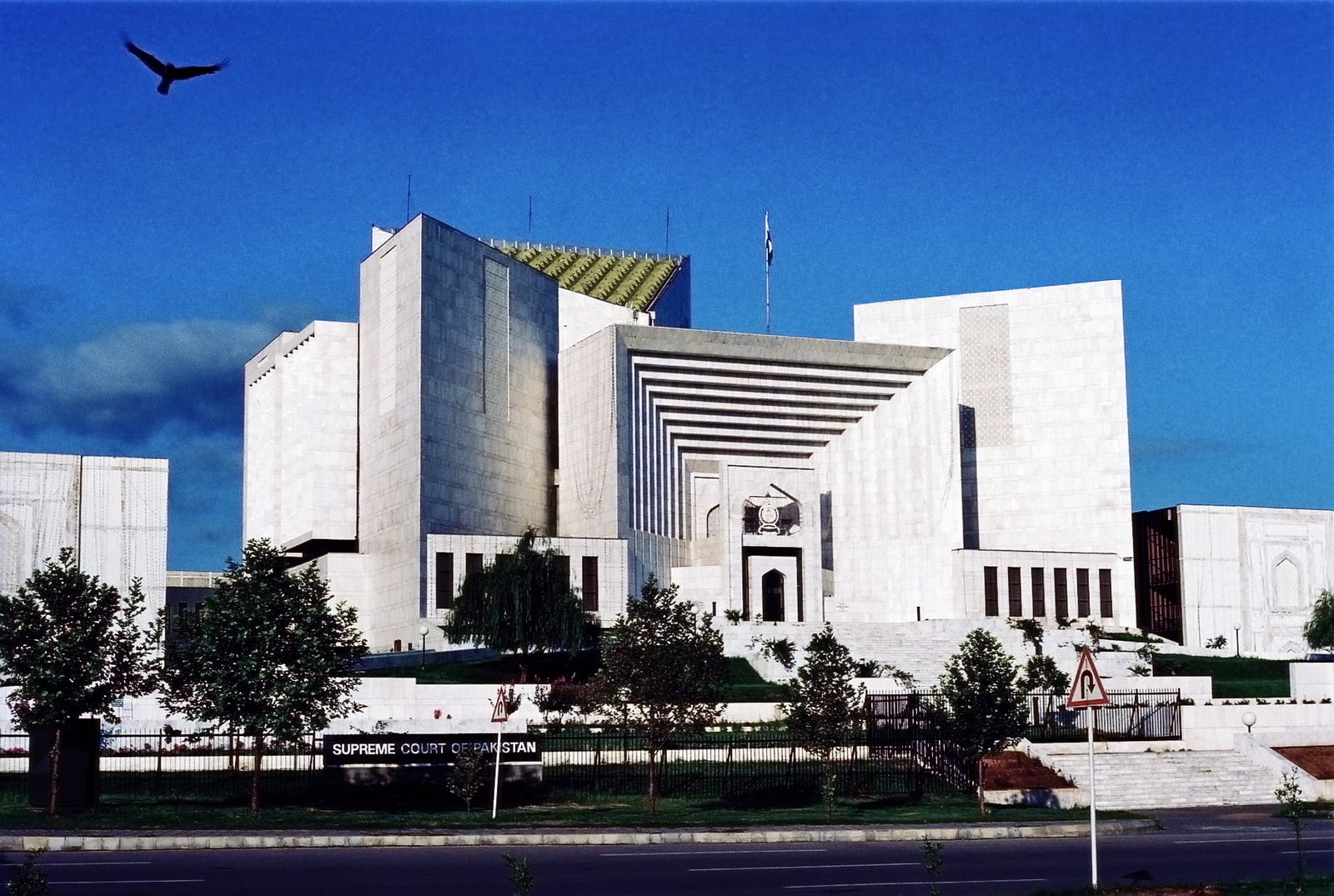
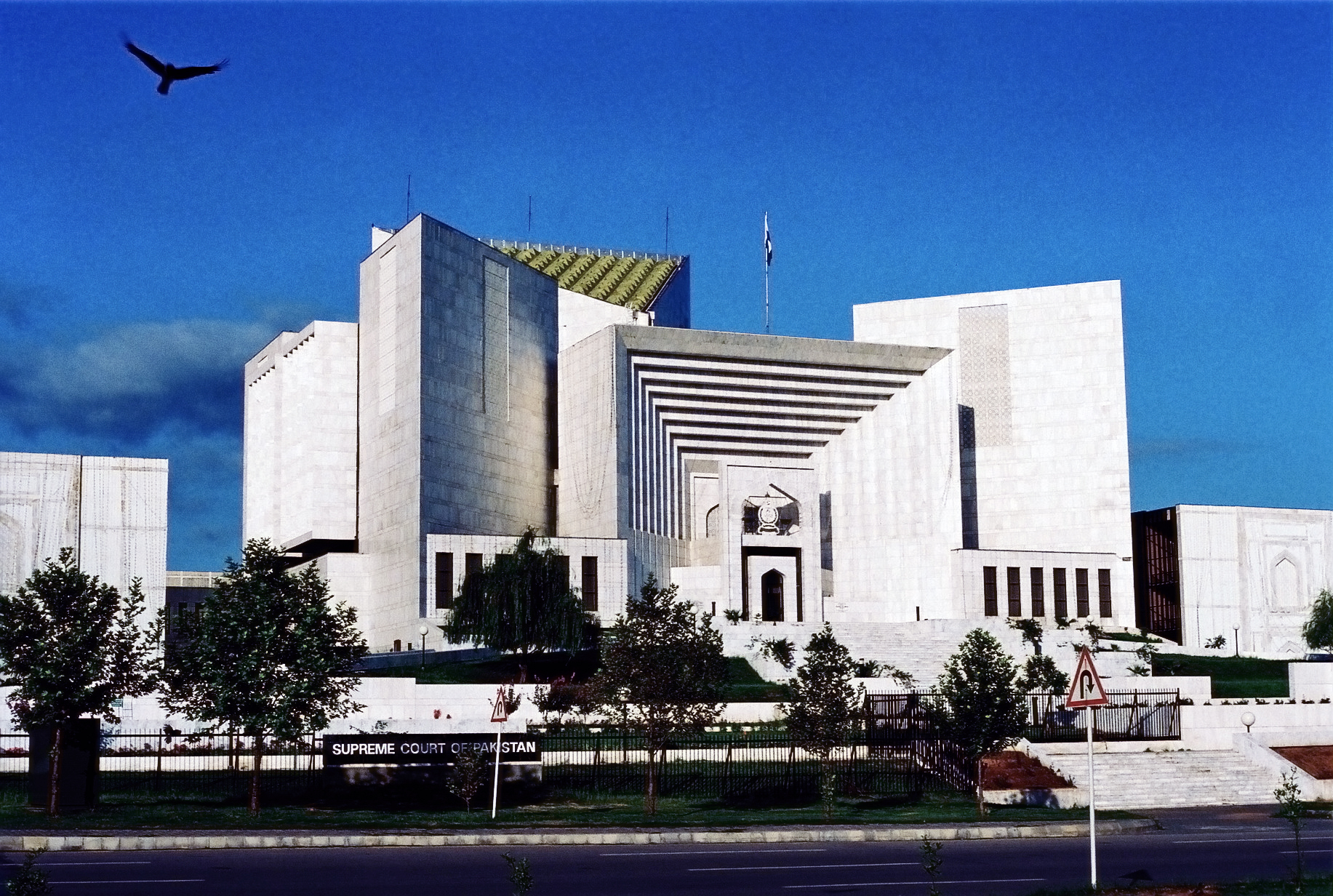
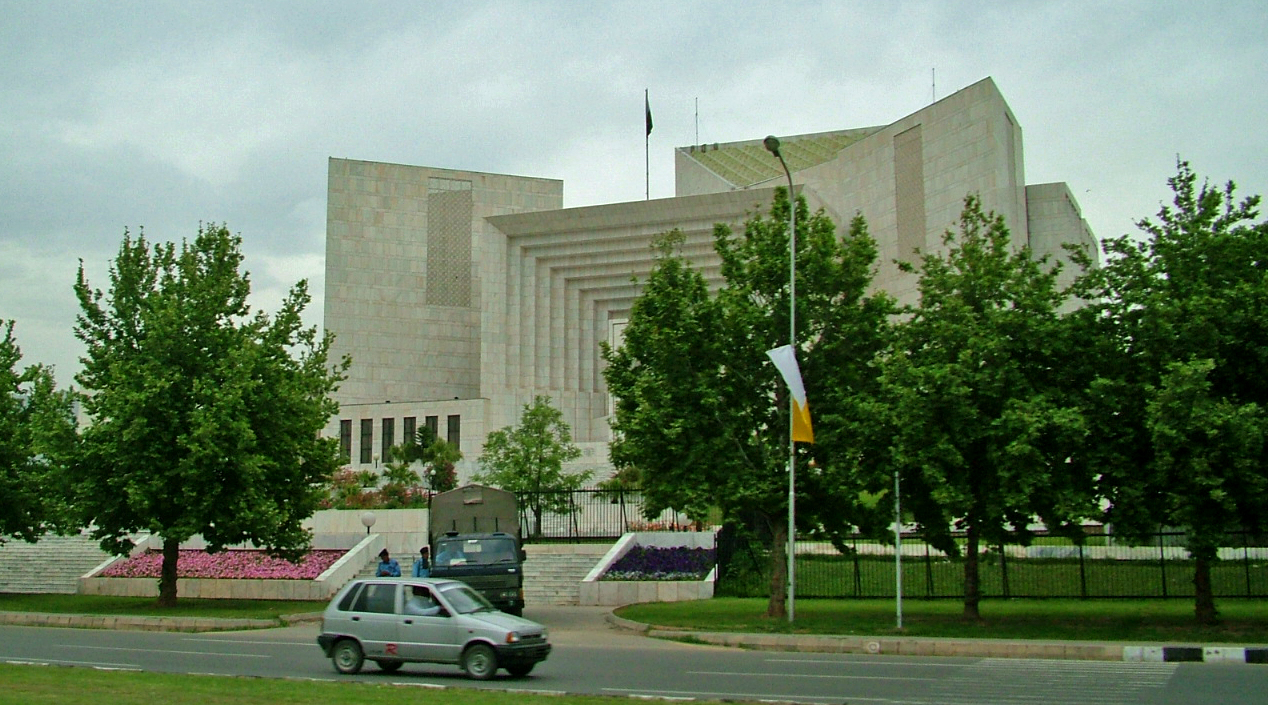
Reporting snapshot · 8 November 2026 (Asia/Karachi). The judgment sets aside the convictions and orders the brothers' release unless they are required in another case. Their release date, any other pending proceedings and the ruling's effect on other mental-capacity appeals remain unclear.
What happened
Pakistan’s Supreme Court has acquitted two brothers who spent about 20 years in custody after being charged and later sentenced to death for blasphemy, accepting psychiatric evidence that they were suffering from bipolar disorder when the alleged offence was committed.
The court set aside the death sentences and convictions of Liaqat Ali and Umar Draz in Criminal Appeal No. 96 of 2020, a judgment reported by The Express Tribune on 8 November and by Dawn in its 8 November print edition. Dawn reported that the three-judge bench, headed by Chief Justice Yahya Afridi, announced the acquittal on Saturday, 7 November.
The brothers were convicted by a sessions court in Jhang on 27 March 2009 under Section 295-C of the Pakistan Penal Code, which covers blasphemy, according to the judgment. Each was sentenced to death and fined Rs500,000, with five years’ rigorous imprisonment in default. The Lahore High Court dismissed their appeal and upheld the convictions on 17 September 2015.
The Supreme Court’s order sets aside both the trial court and High Court judgments, acquits the brothers and directs their release “forthwith, if not required to be detained in any other case”. It also says the executive director of the Punjab Institute of Mental Health in Lahore should ensure their treatment is not discontinued.
Why the ruling matters
The case turns on Section 84 of the Pakistan Penal Code, which excuses a person from criminal responsibility if, at the time of the act, unsoundness of mind left them incapable of knowing the nature of the act or that it was wrong or contrary to law.
The judgment does not decriminalise blasphemy or rule that a psychiatric diagnosis automatically excuses an offence. It applies the mental-capacity defence to the evidence in this case, after successive medical boards reached different conclusions about the brothers’ mental state.
The acquittal is nonetheless significant because Section 295-C is punishable by death or life imprisonment and because the brothers had been in custody for two decades. The court’s order ends their death sentences but leaves open how quickly they will leave prison and what treatment they will receive.
What the medical evidence showed
The first medical assessment, in 2007, concluded that both brothers were mentally sound. A three-member board at a district hospital in Faisalabad carried out that evaluation and included a single consultant psychiatrist, the judgment says.
A later eight-member Board of Certification, including senior professors of psychiatry, diagnosed “Bipolar Affective Disorder with Psychotic Symptoms” in August 2023. A nine-member board reported in September 2025 that both men had “Bipolar Disorder current episode manic” and said the illness was chronic, that insight was absent and that the patient was unable to understand the acts he committed at the time.
The Supreme Court preferred the later, larger boards. It said the unanimous opinion of a specialised board carrying multiple experts had greater weight than an earlier assessment by a board with one subject specialist. It also noted that both brothers had been independently diagnosed with the same condition and that bipolar disorder has a strong genetic component, which it said supported the conclusion that the illness predated the offence.
The court gave the brothers the benefit of doubt. It said the medical evidence raised doubt about their culpability and that this doubt could not be withheld.
Justice Shakeel Ahmad, who agreed with the acquittal, added a concurring note that sets out a narrower legal test. He wrote that a psychiatric diagnosis by itself does not satisfy Section 84, and that a medical opinion saying a manic episode “cannot be ruled out” establishes only a possibility, not a certainty, about the accused’s state at the time of the act. He said the evidence had to be assessed as a whole, and that the resulting doubt justified acquittal.
What is still uncertain
The judgment does not give a release date. It says the brothers should be freed unless they are held in another case, so any other pending proceedings could affect when they leave custody.
It also does not establish a general rule for other blasphemy or mental-capacity appeals. Each case still turns on evidence about the accused’s state at the time of the alleged act, and the concurring note stresses that diagnosis alone is not enough.
The Punjab Institute of Mental Health has been asked to continue treatment, but the judgment does not set out a supervised plan or say who will pay for it. The court’s expectations of the provincial health authorities are not the same as a binding direction on future care.