Reporting snapshot · 1 October 2026. Pakistan's Rabi cropping season opened on 1 October with the country's two main reservoirs holding their lowest carryover since 2021, after a monsoon that ended on 30 September with national rainfall 19.3 per cent below normal. This account synthesises the Pakistan Meteorological Department's seasonal data, as carried by Pakistani outlets, and the water-availability outlook reported ahead of the Indus River System Authority's meetings. Reservoir and distribution figures are provisional and provincial shares had not been finalised at the time of writing.
What happened
Pakistan began its Rabi cropping season on Thursday, 1 October with the country’s two main reservoirs holding their lowest carryover since 2021 and the water regulator preparing to divide a projected shortage of about 25 per cent among the provinces. The season opened days after the Pakistan Meteorological Department (PMD) reported that the 2026 monsoon had ended on 30 September with rainfall 19.3 per cent below normal nationwide.
The PMD’s seasonal data put Pakistan’s rainfall for the three months from 1 July to 30 September at 120.5 millimetres, below the normal level for the period. Sindh recorded the largest shortfall of any province, receiving 71.1 millimetres — 50.8 per cent below normal — while Karachi finished the season with rainfall 92 per cent below normal, The Express Tribune reported.
Balochistan recorded a deficit of 33.7 per cent, followed by Azad Jammu and Kashmir at 18.4 per cent, Khyber Pakhtunkhwa at 16.3 per cent and Punjab at 3.8 per cent. Gilgit-Baltistan was the only region to finish above normal, at 4.6 per cent. The department attributed part of the weak monsoon to the formation of El Niño conditions, which tend to suppress rainfall across South Asia, and noted that several neighbouring countries also recorded below-normal monsoon rain.
Why it matters
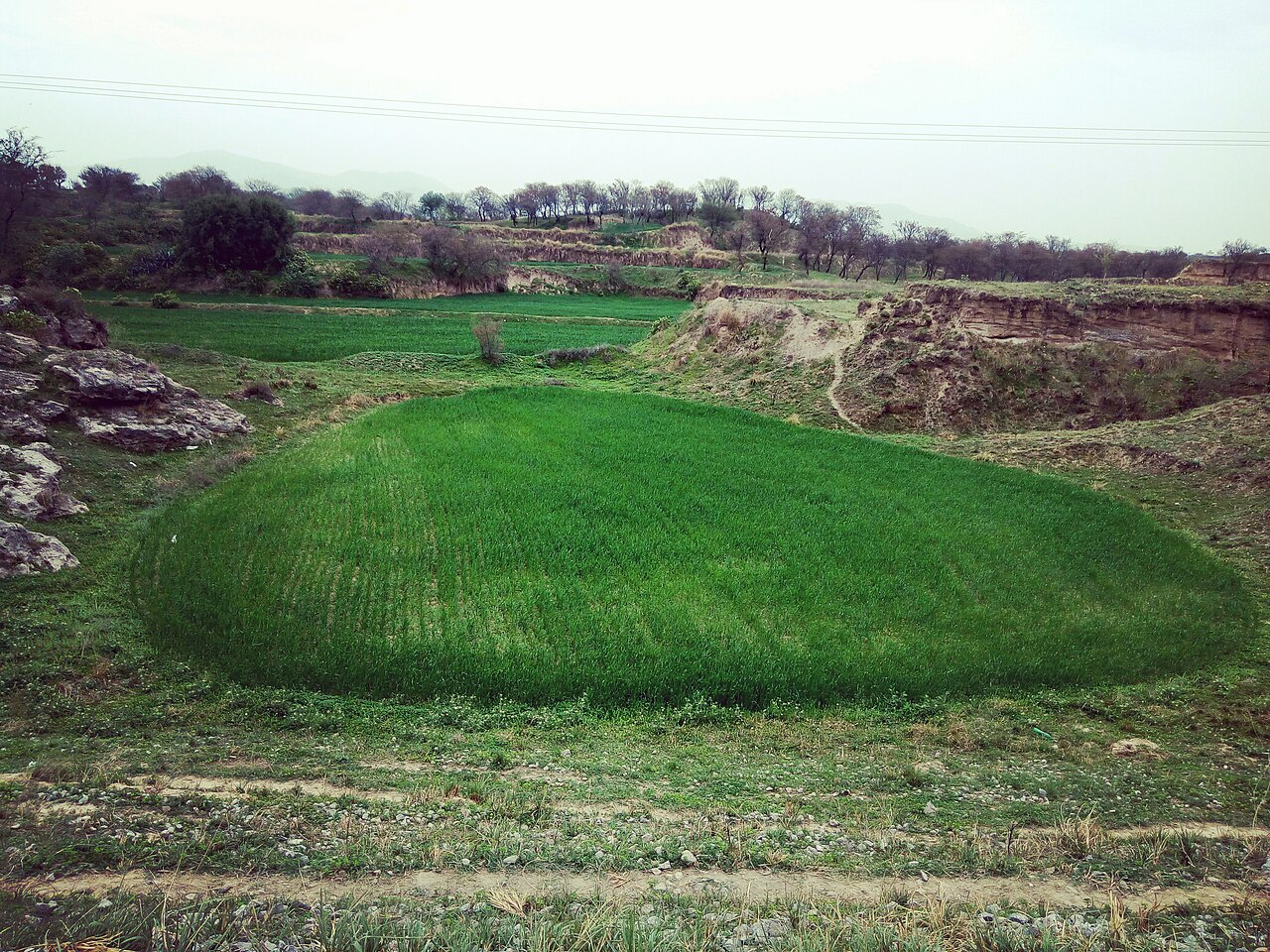
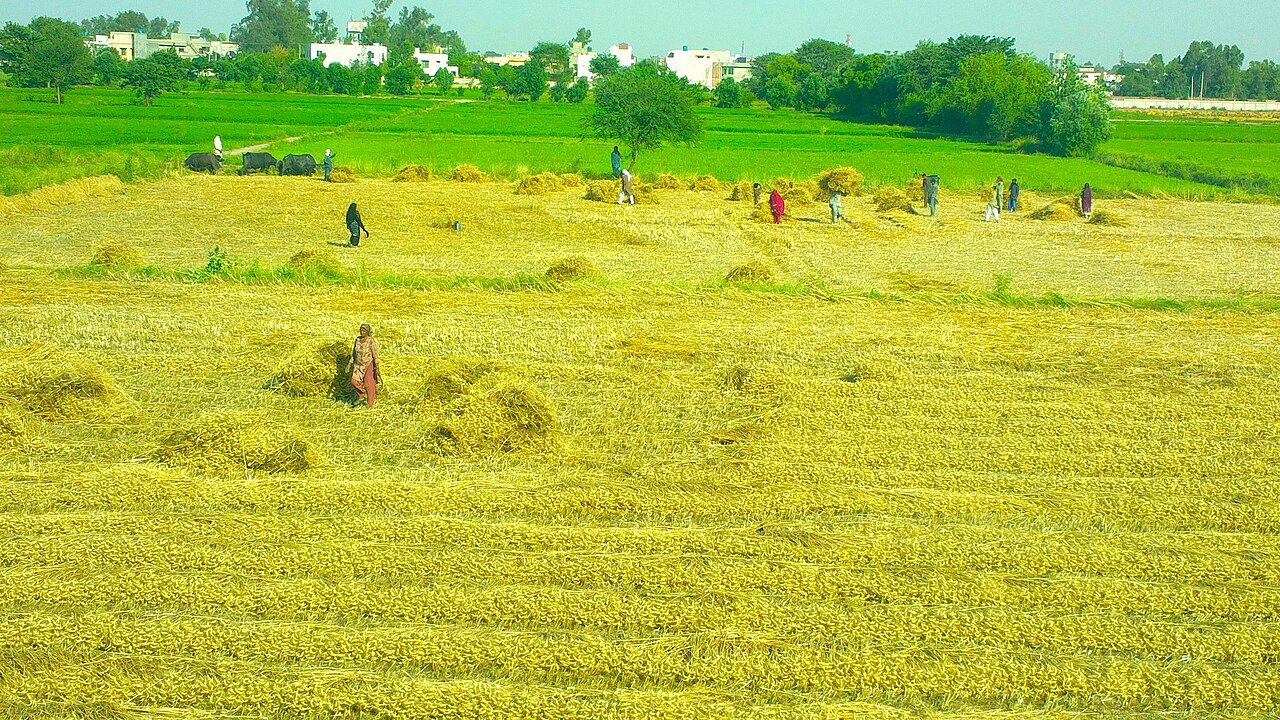
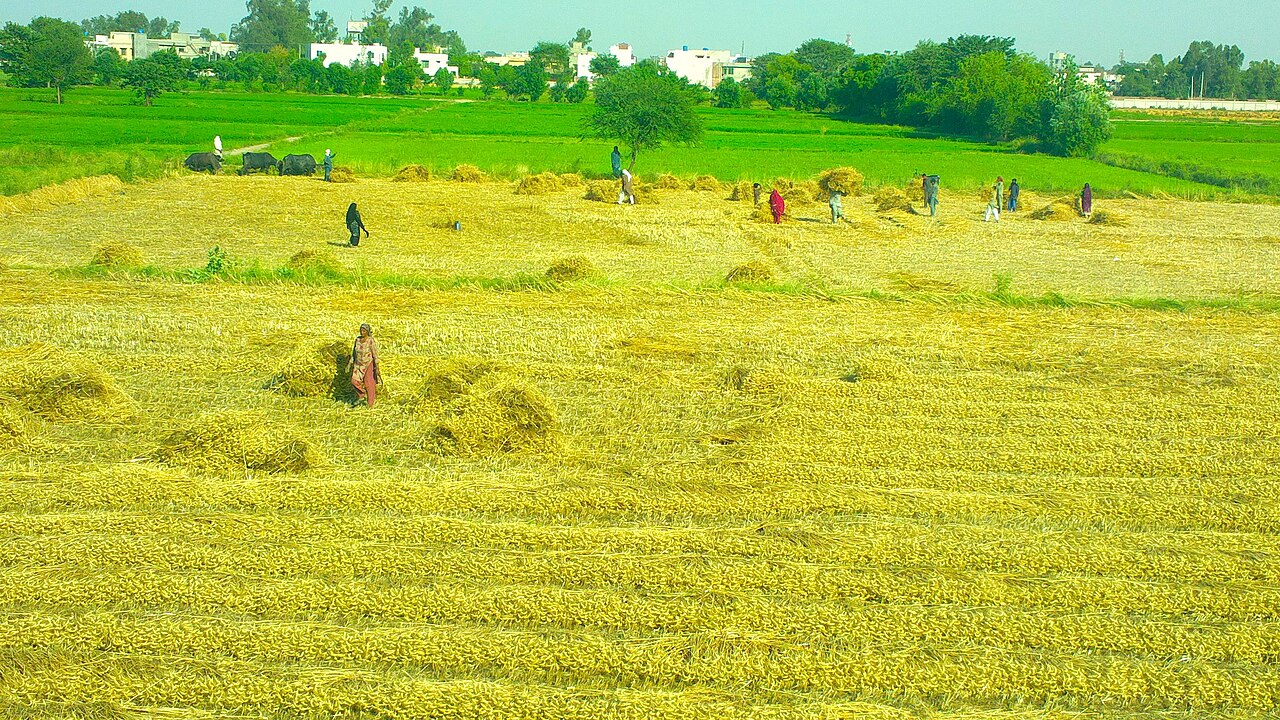
Rabi, which runs from 1 October to 31 March, is the season in which Pakistan grows wheat, its staple grain, along with gram, lentil, barley, rapeseed, mustard and tobacco. The monsoon deficit matters less for the rain it withholds from these winter crops than for the water it fails to store: the snowmelt and monsoon flows that fill the Tarbela and Mangla reservoirs during the Kharif season are what irrigate the plains through the dry months that follow.
Total storage in the two reservoirs fell below 9.5 million acre feet (MAF) ahead of the season, the lowest Rabi carryover since 2021, according to Profit by Pakistan Today. Last year the season began with about 13 MAF, roughly 27 per cent more. Tarbela reached its maximum conservation level of 1,550 feet on 9 August and held its full 5.8 MAF capacity until 9 September, while Mangla peaked at 5.733 MAF on 9 September and had fallen to 5.12 MAF against its 7.277 MAF capacity by late September.
The consequence is a Rabi water shortage of roughly 25 per cent. Against total seasonal crop requirements of about 37–38 MAF under the 1991 Water Apportionment Accord, officials expect availability of around 21–22 MAF, supplemented by river flows over the next six months. The comparison with recent years is sobering: Rabi 2024 began with 10.5 MAF and a shortage of 15–18 per cent, Rabi 2022 with 9.5 MAF and 20–22 per cent, and Rabi 2021 with 7.42 MAF and 28 per cent.
The wheat at stake
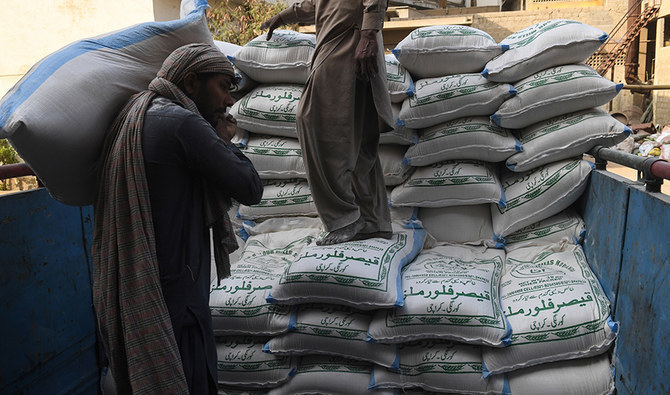
The shortage lands on a wheat economy that is already under strain. Pakistan closed the previous season with estimated output of about 27.5 million tonnes against a production target of 29.7 million tonnes and consumption needs of 31.9 million tonnes — a shortfall of more than two million tonnes, even though the last Rabi season had no water shortage. The government subsequently ordered imports of one million tonnes of wheat, including 750,000 tonnes for delivery in November.
KhabarWire has followed the pressure on the crop through the Kissan Ittehad’s August warning of a three-million-tonne shortfall and the government’s one-million-tonne import order in July. A smaller harvest next spring would feed through to flour prices and the import bill at a time when the government is already managing external financing needs.
How the shortage will be shared
How the deficit is divided is likely to revive a long-running disagreement between Punjab and Sindh over the Indus River System Authority’s (IRSA) three-tier distribution formula. Under the mechanism, Balochistan and Khyber Pakhtunkhwa are exempt from shortages, leaving Punjab and Sindh to absorb the shortfall. Sindh has opposed the arrangement, arguing that it bears a disproportionate share, and has sought distribution under Para 2 of the 1991 accord instead.
IRSA’s technical committee was due to meet to finalise water-availability estimates and recommend distribution criteria, with the authority’s advisory committee called for 5 October to approve provincial shares. Officials attributed part of the expected shortfall to more than one MAF of releases from the reservoirs that were avoidable. Parliamentary interventions allowed higher discharges to Sindh with commitments for later adjustments in provincial shares, which the report said could not be completed during Kharif. About 10.33 MAF of water flowed to the sea after the Kharif season began on 1 April, against an annual environmental requirement of roughly 8.2 MAF.
What is still uncertain
Several numbers in the outlook are provisional. The PMD’s provincial figures are seasonal totals that do not capture local variation, and IRSA had not issued its final availability estimates or provincial shares at the time of writing. The precise size and distribution of the shortage will depend on decisions taken at the 5 October advisory meeting, on winter river flows, and on how much snow accumulates in the upper Indus catchment over the coming months.
The longer-term picture is also unresolved. Pakistan’s National Drought Action Plan, approved earlier this year, is meant to move the response to drought from ad hoc relief to a coordinated framework, but its implementation is at an early stage. Whether this season’s deficit becomes a one-year setback for wheat or part of a wider drying trend will depend on the Rabi harvest, on import decisions, and on how the provinces share the water that remains.
Sources & reporting notes
This is a synthesis of published material, not eyewitness reporting. Sources were reviewed on 1 October 2026. The Pakistan Meteorological Department's seasonal report and the Indus River System Authority's water-availability decisions are the primary records behind this account. The department's monsoon-reports page was not directly accessible during this run, so its figures are taken from the outlets that carried them, and IRSA's final provincial shares were still pending.
- Dawn — "Why Pakistan is Facing a 25% Water Shortage Before Winter"28 September 2026 · The projected 25 per cent Rabi shortage and the lowest reservoir carryover since 2021.
- Profit by Pakistan Today — "Pakistan faces 25% Rabi water shortage, raising wheat production concerns"28 September 2026 · Reservoir storage, IRSA meeting dates, the 1991 accord shares, last season's wheat shortfall and the import order.
- The Express Tribune — "Sindh records country's biggest rainfall deficit"1 October 2026 · The PMD's monsoon-season rainfall data by province and Karachi's 92 per cent deficit.
- Pakistan Meteorological Department — Monsoon reportsPrimary record · Official seasonal rainfall monitoring. Cited as the originating source of the PMD figures; the page returned an access error during this run.