Reporting snapshot · 16 October 2026 (Asia/Karachi). Justice Munib Akhtar, the Senior Puisne Judge of the Supreme Court of Pakistan, was sworn in as Acting Chief Justice on 15 October 2026 in a brief ceremony in Islamabad. The oath was administered by Justice Jamal Khan Mandokhail during a private visit by Chief Justice of Pakistan Justice Yahya Afridi to the United Kingdom. The Supreme Court has not published the date of Justice Afridi's return, so the length of Justice Munib's acting tenure is not on the public record.
What happened
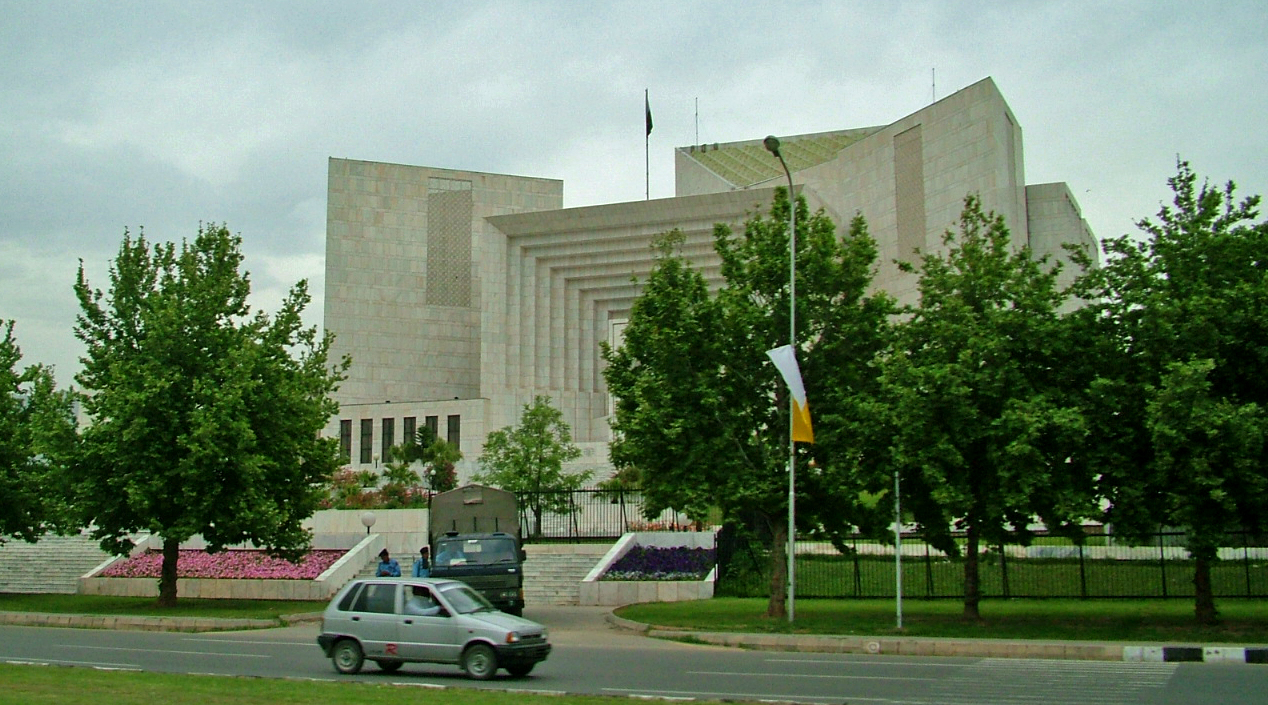
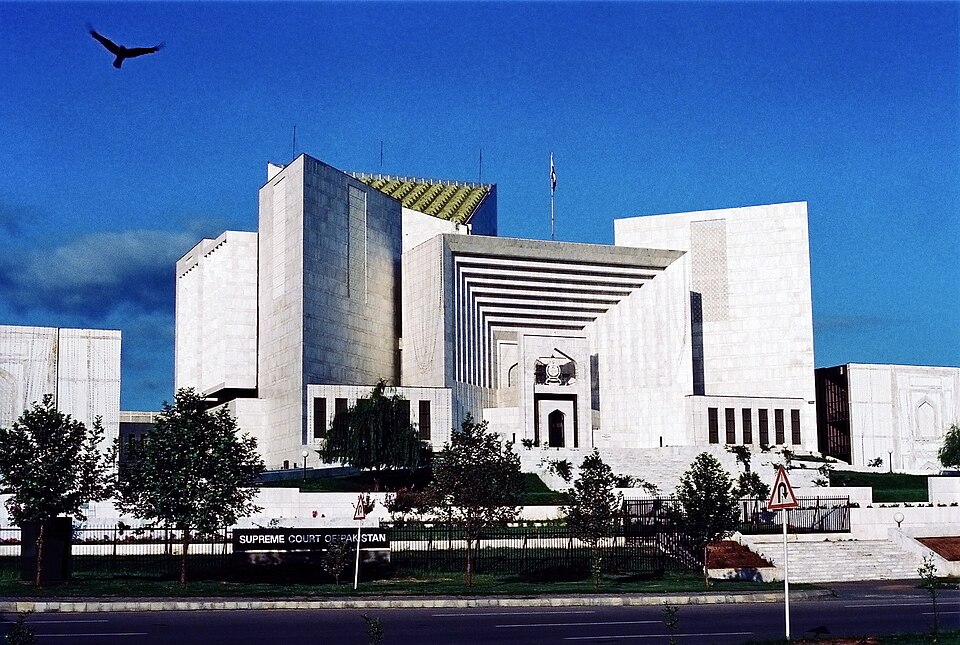
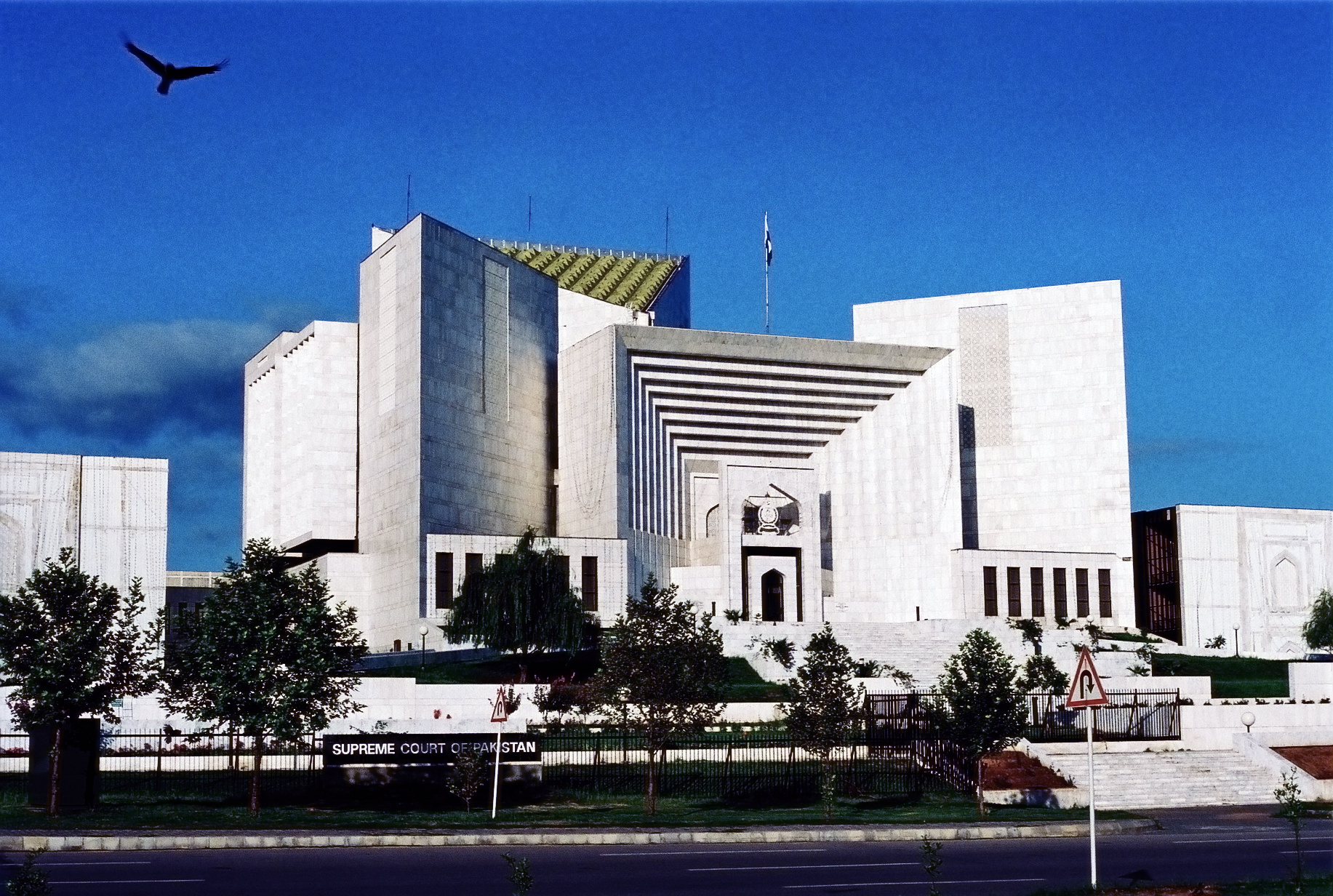
Justice Munib Akhtar was sworn in as Acting Chief Justice of Pakistan on Thursday, 15 October 2026, at a “simple and dignified” ceremony held at the Supreme Court of Pakistan in Islamabad, the state-run Associated Press of Pakistan (APP) reported the same day, with the oath administered by Justice Jamal Khan Mandokhail. The Express Tribune independently recorded the same facts in a short item dated 16 October 2026, with an editorial photograph held in its own archive.
Acting under Article 180 of the Constitution, which requires a Senior Puisne Judge to perform the duties of the Chief Justice whenever the office is vacant or the Chief Justice is “absent or unable to perform the duties of his office”, Justice Munib will now preside over the Supreme Court for the duration of Justice Yahya Afridi’s absence. APP, citing a Supreme Court press note, said Justice Afridi is on a “private visit to the United Kingdom”; no further detail was given.
The ceremony, conducted by the Registrar of the Supreme Court, was attended by the other Judges of the Supreme Court, the Director General of the Federal Judicial Academy, the Secretary of the Judicial Commission of Pakistan, the Secretary of the Supreme Judicial Council and law officers of the court, with officers and staff of the Supreme Court also present, APP reported.
Why it matters
Acting-CJ stints are routine but consequential. Each time the country’s top judicial officer travels abroad, the Senior Puisne Judge steps in to chair the court’s administrative meetings, preside over full-court references, fix benches and hear constitutional matters that require the most senior member available. The arrangement matters because constitutional petitions filed against acts of the federal or provincial governments, references from the federal government under Article 186, and appeals on capital sentences and major constitutional questions typically must be heard by a bench that includes the most senior available judge.
Justice Munib Akhtar is one of the court’s most consequential current members. He was elevated to the Supreme Court in 2016 and has, in his two prior acting-CJ stints, also heard benches on the 26th and 27th Constitutional Amendment petitions and on intra-court disputes over the appointment of judges. The APP and Tribune items do not list which pending matters he will now chair; the court’s cause list, published weekly, will show that over the coming days. Similar temporary arrangements have shaped the court’s recent calendar, including the late-2026 international engagements of Justice Ayesha Malik and the 22 April 2026 disposal of 122 cases across the four registries during earlier security curbs in the capital.
For Islamabad’s legal establishment, the temporary change matters in three concrete ways. First, Justice Munib will now chair the Judicial Commission of Pakistan meeting scheduled this month, which recommends judicial appointments to the Parliamentary Committee. Second, he will receive any fresh references or constitutional petitions filed in the interim. Third, his presence at the head of the court ensures there is no formal interruption in the court’s constitutional output, even though Justice Afridi is overseas.
What is still uncertain
Several pieces of information were not in the official record reviewed for this article and remain open questions:
- The return date of Chief Justice Yahya Afridi. APP only described his trip as a “private visit to the United Kingdom”; the court has not, as of the publication of this article, announced when he is expected back in Islamabad.
- Any formal reference or court order authorising Justice Munib’s acting appointment. Acting-CJ appointments flow from Article 180 of the Constitution automatically and do not require a separate presidential notification; neither the Prime Minister’s Office nor the President’s Secretariat has so far issued a public summary on the swearing-in.
- Whether Justice Munib will act on a specific pending case. The Supreme Court’s cause list for the week starting 19 October 2026 has not yet been published at the time of writing, so it is not known which benches he will sit on beyond his administrative responsibilities.
- The connection, if any, to the Makkah Joint Defence Agreement or other recent constitutional cases. Several high-profile constitutional matters, including petitions against the Khyber Pakhtunkhwa emergency, were pending in the court before the swearing-in. The court has not announced any changes to the bench composition in those matters.
The arrangement is, on its face, routine: the Constitution contemplates it, the oath has been administered by the appropriate judge, and the court’s work continues. The story is significant because the acting appointment puts Justice Munib Akhtar at the head of Pakistan’s highest court for a defined but unspecified period, and because his actions and rulings during this window will be recorded as decisions of the Acting Chief Justice.
Sources & reporting notes
This is a synthesis of published material, not eyewitness reporting. Sources were reviewed on 16 October 2026.
- Primary source — APP, "Justice Munib Akhtar takes oath as CJP"15 October 2026 · ISLAMABAD dateline, official Supreme Court press note republished by APP. Confirms ceremony date, oath-taker (Justice Jamal Khan Mandokhail), attendees, and Justice Yahya Afridi's private UK visit.
- Primary source — APP photo record, "Mr. Justice Munib Akhtar, the Senior Puisne Judge of the Supreme Court of Pakistan, taking oath as Acting Chief Justice"15 October 2026 · APP49-151026 Islamabad photo, dated 15 October 2026, independently documenting the ceremony.
- Independent source — The Express Tribune, "SC's Justice Munib takes oath as acting CJ"16 October 2026 · Independent national newspaper of record reporting the same oath-taking with the same administrative detail, including the photograph caption that names the oath-taker and the location.