Reporting snapshot · 21 September 2026. The figures below are preliminary results from Russia's Central Election Commission, announced on Monday with more than 95 percent of precincts counted. They show United Russia winning a record 355 of the 450 seats in the State Duma. These numbers can still shift before the final results, which the commission said are unlikely before Friday. This is a dated snapshot, not a live tracker.
What happened
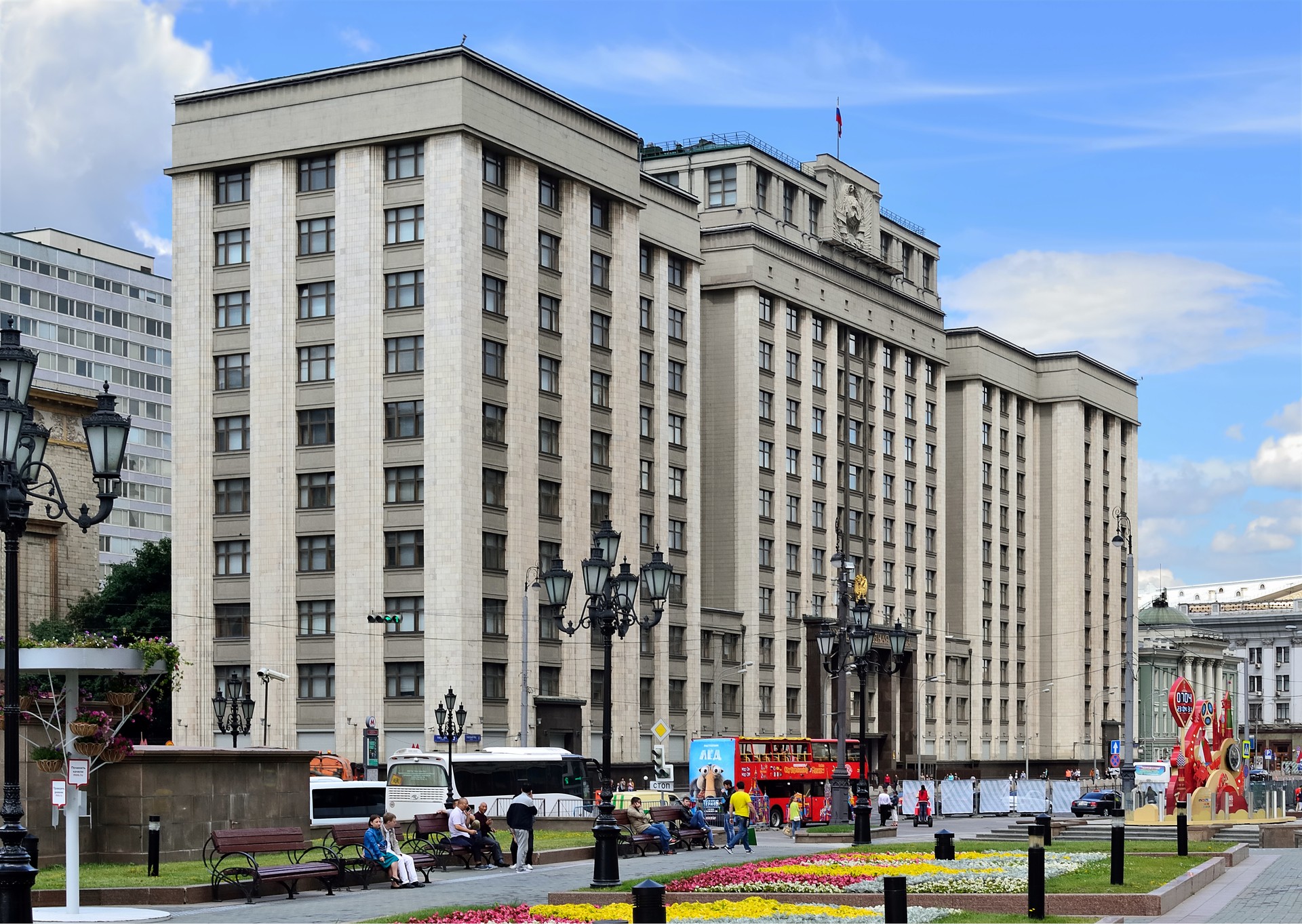
Russia’s ruling United Russia party has won a record number of seats in the State Duma, the lower house of parliament, in the first parliamentary election since the country’s full-scale invasion of Ukraine in February 2022, according to preliminary results published by the Central Election Commission on Monday. With more than 95 percent of precincts counted, United Russia led the party-list vote with 57.83 percent, up from 49.8 percent in the previous parliamentary election in 2021, Reuters reported.
Electoral commission chair Ella Pamfilova said the preliminary count gives United Russia 355 of the 450 seats — nearly 80 percent of the chamber and a larger supermajority than the party has ever held, surpassing its previous record of 343 deputies set after the 2016 election. A constitutional majority requires 301 seats. France 24/AFP reported the seat projection, and Al Jazeera carried the commission’s preliminary data.
The vote took place over three days, from Friday to Sunday, in what President Vladimir Putin framed as a test of support for the war. Voters cast two ballots: one for a party list filling half the 450 seats, and one for individual candidates in single-member constituencies that fill the other half.
The other parties in the new Duma
All the parties likely to enter the new Duma have, in practice, voted with United Russia and the Kremlin on major issues. According to the commission’s preliminary data, the Communist Party of the Russian Federation was second with 13.81 percent of the party-list vote and would hold about 40 seats, followed by the ultranationalist Liberal Democratic Party of Russia (LDPR) with about 8.98 percent and roughly 25 seats, and the New People party with 7.96 percent and about 20 seats. A Just Russia trailed with 4.96 percent, just below the 5 percent threshold required to enter parliament through the party-list vote, though Pamfilova said the party still had “a good chance” of clearing it. Al Jazeera summarized the commission’s preliminary breakdown.
The only registered party that opposed the war — the liberal Yabloko party — was removed from the party list by Russia’s Supreme Court weeks before the vote, and its leader Nikolai Rybakov demonstrably spoiled his ballot, writing his party’s name and the slogan “For peace”. Yabloko’s candidates ran in some individual constituencies but, according to preliminary results, none won seats, and the party claimed its observers were turned away from polling stations. Reuters reported that the party appeared to have won a tiny foothold in one regional parliament instead. BBC News reported Rybakov’s comment that the Duma “will vote 100 percent for the policies of Putin just like they did”, and Reuters noted the regional result.
Record turnout and what it may signal
Pamfilova said turnout reached 59.32 percent, which she described as the highest for a parliamentary election in over a decade, up from 51.7 percent in 2021. Critics and exiled opposition figures dismissed the vote as carefully managed. The European Union called it a “sham election” and “a veneer of democracy”, and the Kremlin tightened its crackdown on dissent before the vote — barring most anti-war candidates, jailing or forcing into exile critics of the war, and turning away election observers, according to the BBC and Reuters.
The Berlin-based think tank NEST, cofounded by Kremlin critic Mikhail Khodorkovsky, said the result could nevertheless contain warning signs for the Kremlin at a time of economic strain. It argued that votes for the Communist Party and New People might in many cases amount to a silent protest against Putin and United Russia, even though those parties do not challenge the president on most issues. Al Jazeera quoted the think tank’s note.
An election held under fire
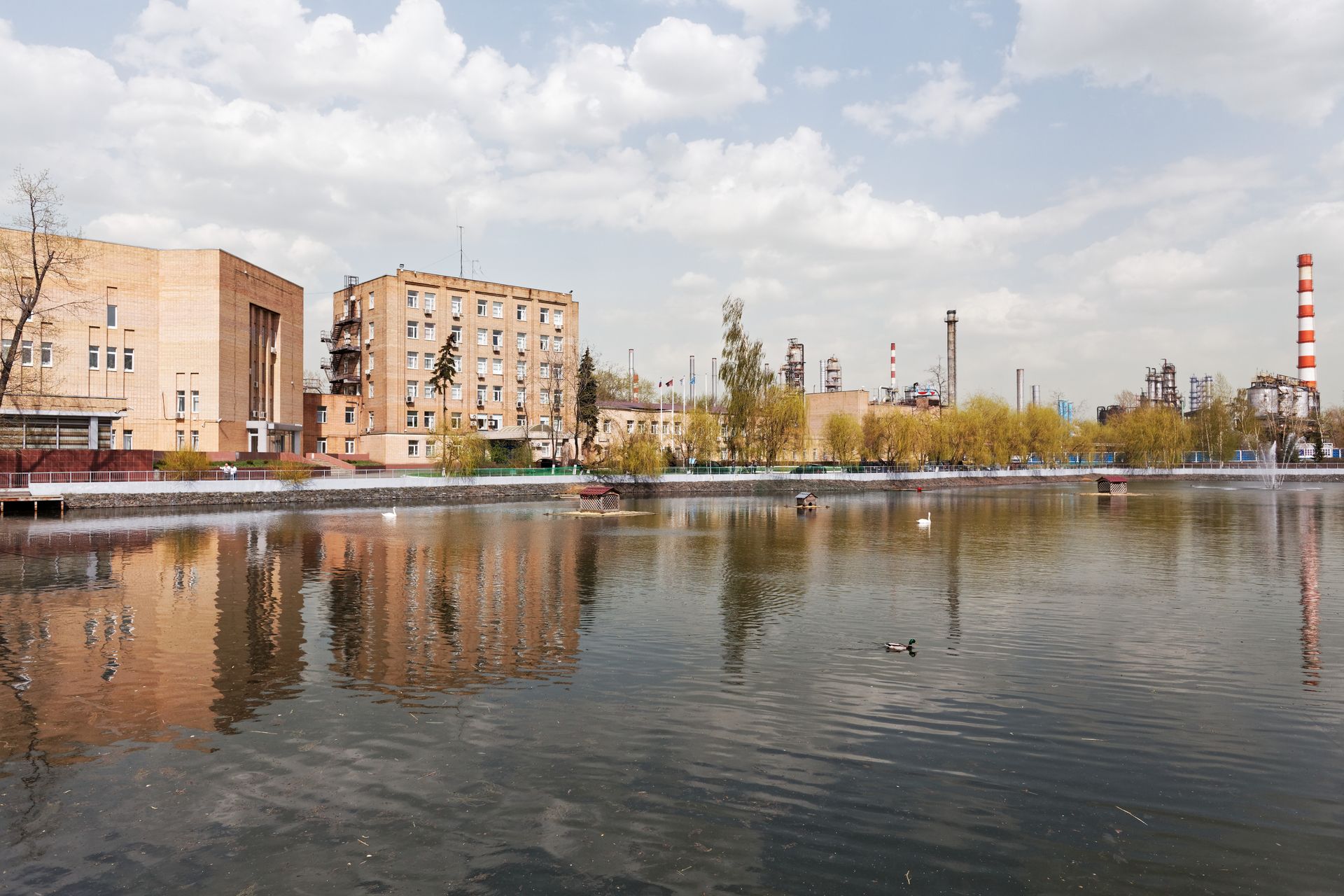
The final day of voting was overshadowed by the largest Ukrainian drone attack of the war on Moscow and surrounding regions, which KhabarWire reported on 20 September. The attack killed at least two people in the Moscow region, damaged a facility at the Moscow Oil Refinery, and was described by Moscow’s mayor as the biggest on the capital in the conflict. Ukrainian officials said the strikes were aimed at the energy infrastructure that funds the war. Russia also conducted voting in the Ukrainian territories it annexed in 2022 — Donetsk, Luhansk, Kherson and Zaporizhzhia, plus Crimea — which Ukraine denounced as illegal and which the United Nations and most of the world do not recognise as Russian. On Monday morning, a man was killed and three others wounded in a Ukrainian drone attack on Russia’s Bryansk region, according to the acting governor.
The result gives the Kremlin a fresh claim of public backing. BBC Russia editor Steve Rosenberg noted that Putin has ruled out another wave of mobilisation — “there is no scenario today that would require it” — but that the Kremlin is likely to treat the election result as a mandate from the people to continue the war, even as petrol shortages caused by Ukrainian strikes on Russian refineries have spread through many regions.
What it could mean for Pakistan
For KhabarWire’s readers the significance is indirect but real. Russia’s war in Ukraine, now in its fifth year, remains a structural driver of global energy and food prices, and Pakistan — a fuel-importing country — has felt those pressures directly. The government this month reintroduced fuel-conservation measures and widened a fuel-relief scheme as petrol and diesel prices tracked world oil markets, as KhabarWire reported. A decisive wartime mandate for the Kremlin makes it more likely Moscow continues the conflict and its attacks on Ukrainian infrastructure, sustaining pressure on global markets while Washington’s sanctions against buyers of Russian energy push other importers toward more expensive suppliers.
The election also underlines that neither of the two large conflicts shaping the global economy — the Russia-Ukraine war and the escalating Middle East confrontation — is close to resolution. Both keep oil prices elevated and raise costs for energy importers such as Pakistan.
What is still uncertain
The results are preliminary and the commission said the final results are unlikely before Friday, by which time all ballots and required procedures are expected to be complete. Whether A Just Russia clears the 5 percent threshold, and the final seat distribution once mandates are reapportioned among parties that crossed it, remain to be confirmed. Beyond the numbers, the open question is what the Kremlin does with the mandate: whether it uses the result to justify further decisions on the course of the war, new economic measures, or an eventual resumption of mobilisation despite Putin’s assurances.
Sources & reporting notes
This is a synthesis of published reporting from 20–21 September 2026; it is not eyewitness reporting. Figures come from Russia's Central Election Commission as reported by the wire services and news organizations cited, and are preliminary. Sources were reviewed on 21 September 2026.
- Reuters — Russia's ruling pro-Putin party wins wartime election with over 57% of vote21 September 2026 · The preliminary party-list result of 57.83%, the 355-seat projection, the record supermajority and the comparison with 2021.
- Reuters — Pro-Putin party keeps grip on parliament, anti-war party gains tiny regional foothold21 September 2026 · The first-wartime-election framing, Yabloko's regional parliament result, observer complaints and the crackdown before the vote.
- France 24 / AFP — Putin's party secures record score in Russia election21 September 2026 · The record 355-seat supermajority, the seat breakdown for the Communist Party, LDPR and New People, and the 343-seat record from 2016 it surpasses.
- BBC News — Russia's elections had few surprises, but how the Kremlin uses the results will be crucial21 September 2026 · Yabloko's removal from the ballot, Rybakov's comment, fuel shortages, the mobilisation question and analysis of the mandate the Kremlin claims.
- Al Jazeera — Russia election results show Putin's party winning: What we know21 September 2026 · Preliminary vote shares for all parties, the constitutional-majority threshold, the NEST analysis of silent protest, turnout and the timing of final results.